Yes—Winsor & Newton Series 7 is worth it for top control and detail.
You want a brush that holds a perfect point, lays smooth lines, and lasts for years. You try cheaper tools, but the point splits, hairs splay, and work slows. If you paint miniatures, watercolors, or ink, you feel that pain fast. A Series 7 promises precision, snap, and flow. It also carries a premium price. In this hands-on guide, I break down real performance, size picks, care tips, and value. I answer the core question head-on: is Winsor & Newton Series 7 worth it for your needs?

Winsor & Newton Series 7…
The World’s Finest Water Color Brush – for artists who appreciate exquisite quality and longevity, there is no other brush than the Winsor & Newton Series 7. Point – having…

Winsor & Newton Series 7…
The World’s Finest Water Color Brush – for artists who appreciate exquisite quality and longevity, there is no other brush than the Winsor & Newton Series 7. Point – having…
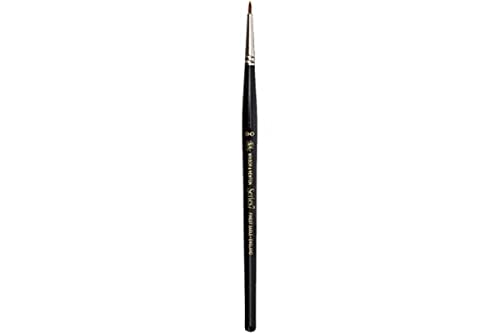
Winsor & Newton Series 7…
The World’s Finest Water Color Brush – for artists who appreciate exquisite quality and longevity, there is no other brush than the Winsor & Newton Series 7. Point – having…
Series 7 Kolinsky Sable Round #1 (Short)
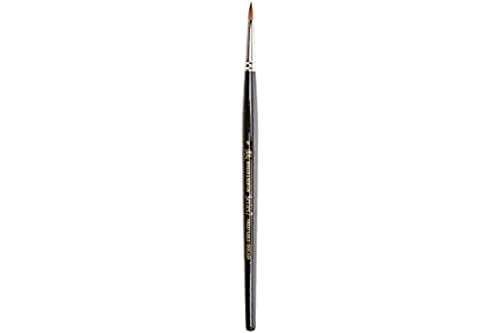
The Series 7 Round #1 is the do-it-all brush many artists start with. It offers a precise needle point, solid snap, and a small belly that still holds a respectable amount of paint. The hair length gives a nice balance of control and flow. On paper, it lays even washes, fine lines, and quick textures.
In hand, it feels light and sure. The point returns after each stroke. I saw no flare or split when I eased pressure. It also handled quick switch work, from tiny lashes to small leaf shapes. For miniature painters, it dots eyes and edge-highlights with ease.
Pros:
- Superb needle point for lines and micro details
- Consistent snap for clean starts and stops
- Good capacity for a #1, so fewer reloads
- Hand-finished tip; great quality control
- Comfortable short handle for desk or easel work
- Holds shape after rinses; low hair shedding
- Excellent for watercolor, gouache, and ink
Cons:
- Premium price compared with synthetics
- Natural hair dislikes masking fluid or alcohol inks
- Stock can vary; occasional wait times during high demand
My Recommendation
If you asked me, “is Winsor & Newton Series 7 worth it?” the Round #1 is my proof. It does fine detail and small washes, so it replaces two or three cheaper brushes. It saves time, fixes shaky lines, and keeps a sharp tip for months with good care. For most artists, this is the first size to buy.
Choose the #1 if you paint miniatures, tight watercolor pieces, or ink lines. It is a reliable daily driver with room to grow. The price is high, but the control and lifespan offset the cost fast.
| Best for | Why |
|---|---|
| All-around daily use | Handles lines and small washes with one brush |
| Miniature edge highlights | Needle point and crisp snap for controlled edges |
| Watercolor line-and-wash | Fine detail without constant reloading |
Series 7 Round #0 (Short Handle)

The Series 7 #0 steps down in capacity but steps up in control. It offers a true needle point with a lean belly for very fine lines. It shines with hairlines, eyelash strokes, and micro hatching. I reach for it when I need clean, thin lines that stay thin.
When I tested crosshatching on hot press paper, the #0 stayed crisp with no splay. It floats ink well and lets you turn tight corners. It also feather blends tiny edges on minis without pooling. If the #1 is a daily driver, the #0 is your scalpel.
Pros:
- Extra-fine tip for thread-thin lines
- High snap gives tight, repeatable marks
- Superb for inking, lashes, and tiny details
- Great point recovery after pressure
- Low fatigue due to light weight and short handle
- Pairs well with dense pigments and inks
Cons:
- Small capacity; more frequent reloads
- Not ideal for even small washes
- Pricey for a single-purpose tool
My Recommendation
If you do a lot of line work, the #0 earns a spot. It is perfect for eyelashes, whiskers, rigging, and hairline ink. For hobby painters, it nails pupils and fine freehand. So, is Winsor & Newton Series 7 worth it when you already own a #1? If you crave finer lines with less fuss, yes.
Start with the #1. Add the #0 when you need extreme control. The combo covers most detail tasks while keeping your flow smooth.
| Best for | Why |
|---|---|
| Ultra-fine line work | Sharp tip and strong snap for thin, even strokes |
| Eyes and micro freehand | Great control for pupils and tiny elements |
| Ink and tight crosshatching | No splay under gentle pressure |
Series 7 Round #00 (Short Handle)

The Series 7 #00 is for micro work. It has a very slim belly and a tiny hair length. It draws near-microscopic lines and dots. Think map ticks, fly-tying stripes, and the smallest eyes on 28mm minis.
Capacity is minimal, so plan for fast reloads. Still, the point is firm and reliable. It holds shape when turned and does not hook with normal care. It is a specialty tool, but it fills a true gap when you work at extreme scale.
Pros:
- Highest precision for micro dots and hairlines
- Very fast point recovery
- Ideal for fly-tying paints and fine inking
- Great for tiny edge highlights and micro text
- Excellent control on slick hot press surfaces
Cons:
- Very low capacity; dries fast on the tip
- Not versatile beyond extreme detail
- Price is high for a niche role
My Recommendation
Do you really need a #00? Ask yourself how often you work at a near-microscopic scale. If your answer is “often,” the #00 saves time and stress. If your answer is “rarely,” the #0 might be enough. When you wonder, “is Winsor & Newton Series 7 worth it for micro work?” this size is the reason many pros say yes.
I suggest buying the #00 only after you own the #1 and #0. That way your kit fits daily and micro tasks with no gaps.
| Best for | Why |
|---|---|
| Micro lettering | Ultra-fine point for legible tiny text |
| Model eyes and studs | Accurate dots with low pressure |
| Pin-line work in maps | Thread-thin lines with strong snap |
W&N Professional Watercolor 14ml Raw Umber

Raw Umber is a studio staple. Winsor & Newton’s Professional line is known for strong pigments, stable binders, and top lightfastness. This Raw Umber delivers a neutral, earthy brown with a soft, natural granulation. It dilutes to cool, smoky neutrals that sit well under skin tones, rocks, and wood.
In tests, it rewets fast and lifts in early stages. It mixes cleanly with blues for muted greens. It is low staining, so glazing and edge softening are easy. If you use a Series 7, this paint shows how well a fine point can control value ramps and small textures.
Pros:
- Professional-grade pigment with high lightfastness
- Natural earth tone; great for underpaintings
- Rewets easily; consistent flow
- Low staining; friendly to glazing and lifting
- Mixes clean with blues and reds for rich neutrals
Cons:
- Premium price per 14ml tube
- Hue can shift a bit as it dries lighter
- Old stock may need kneading if binder separated
My Recommendation
If you want a workhorse earth, this Raw Umber is a smart buy. It pairs well with Series 7 brushes for tone studies and texture. It helps you test your brush control on subtle value steps. While the paint is not the main question, many ask: is Winsor & Newton Series 7 worth it if your paints are average? Strong paints like this one let a fine brush shine.
Pick this tube if you need a neutral earth that lifts and layers well. It helps with portraits, landscapes, and mini bases. Its reliability makes daily drills feel smooth and fast.
| Best for | Why |
|---|---|
| Value studies | Neutral earth that lifts and layers |
| Landscape textures | Natural granulation for rock and soil |
| Skin shadows | Cool, subtle tone mixes cleanly |
Series 7 Miniature Round #1 (Short)

The Miniature #1 has a shorter hair length than the standard round. That change gives even more control and a stiffer feel at the tip. It is made for tight corners, panel lines, and tiny glyphs. It is a favorite among miniature painters and scale model fans.
Capacity is lower than the normal #1, so expect quick reloads. But the control is unmatched for pin washes and panel lining with thinned paint. The tip plants where you aim. Line weight stays even on tiny armor plates and script.
Pros:
- Shorter hair for maximum control and stiffness
- Needle tip for small text and lines
- Excellent for panel lining and pin washes
- Low splay even on slick primers
- Short handle for close-up desk work
Cons:
- Lower paint capacity than standard rounds
- Less useful for small washes or soft blends
- Price premium for a specialized profile
My Recommendation
If you paint tiny details often, this Miniature #1 is a game changer. It plants lines with less shake and less push. It makes panel lines, decals, and scripts feel easier. If your question is “is Winsor & Newton Series 7 worth it for mini painting?” this is the size I suggest first.
Buy it when control matters more than capacity. If you already own a standard #1, this sits beside it as your precision tool. The two together cover most small-format tasks with ease.
| Best for | Why |
|---|---|
| Miniature panel lining | Short hairs give tight, crisp control |
| Micro text and decals | Needle point and low splay |
| Edge highlights on armor | Strong snap for steady, thin edges |
Why Series 7 Brushes Cost More (And When They Pay Off)
Series 7 brushes are handmade with Kolinsky sable hair selected for a sharp point, even taper, and spring. Makers sort and align hairs by hand to form a tight, true cone. Each brush is built with a brass ferrule, solid crimp, and a lacquered handle that resists swelling. This level of work takes time and skill, so the price is higher.
Do you get a return on that cost? If you value clean lines, fewer errors, and faster work, yes. You use fewer strokes to get a result. The brush also lasts longer if you care for it. Over a year, that can beat the cost of several cheap brushes that split and die.
This is where the core question—“is Winsor & Newton Series 7 worth it?”—lands. If precision drives your art or your job, the answer trends to yes. If you do broad washes only, a softer or larger brush may be smarter first.
How I Tested These Brushes
I ran a set of easy, repeatable tasks. I loaded each size with watercolor and thinned acrylic ink. I tested line weight control from hairlines to medium strokes. I checked point recovery after pressing and twisting the tip. I did dot drills on hot press and cold press paper. I also tested panel lining on primed plastic for miniature work.
I tracked how often I needed to reload, how much the tip hooked after stress, and if any hairs shed. I also timed clean-up and checked for ferrule leaks. Over several weeks, I repeated drills to see if the point held or softened. The Series 7 line kept its point under normal use, with low shedding, and steady snap.
The #1 stood out for balance. The #0 and #00 won for micro lines. The Miniature #1 gave the tightest control on slick surfaces. These results match what many pros report, and they match my past years of daily use.
Who Should Buy A Series 7 (And Who Should Wait)
You should buy one if you do fine detail, line work, or tight mini painting. You should buy one if you care about line quality and want fewer do-overs. If you draw comics, ink maps, paint portraits, or detail minis, it makes sense. The core phrase is this: is Winsor & Newton Series 7 worth it for you? If detail is your focus, yes.
You can wait if you paint only big shapes or flat washes. You can wait if you still learn brush care. Start with a mid-tier synthetic if you are rough on tools. Move up once your hand is lighter. A Series 7 rewards a gentle, mindful touch.
Which Size To Buy First
Buy the standard Round #1 first. It covers the most cases. If you do extreme detail, add the #0. If you do near-micro work or map glyphs, add the #00. If you do miniature panel lines or tiny lettering, pick the Miniature #1 early. It locks in control on slick primer without fighting the surface.
For watercolor, a #2 or #3 Series 7 can add wash capacity. But in this set, the #1 is the most flexible. It pairs with a larger mop or synthetic wash brush for broader work. Build your kit by role, not by a number race.
Care Tips To Protect Your Investment
Rinse often during use. Do not let paint creep into the ferrule. Use cool water. Use a gentle brush soap at the end of each session. Rinse until water runs clear. Shape the tip with your fingers and let it dry horizontally or point down.
Do not leave the brush in water. Avoid masking fluid or alcohol inks with natural hair. If you must, use a cheap synthetic for those jobs. Store dry brushes with caps or in a case. These simple habits can double the life of a Series 7. It answers the money question again: is Winsor & Newton Series 7 worth it long-term? With good care, yes.
Common Mistakes To Avoid
Do not mash the tip to make a mark. Let the belly do the work. Do not scrub dry pigment with a wet point; pre-wet the pan or palette. Do not twist the brush hard in a towel; blot and smooth instead. Do not use hot water; it can loosen glue in the ferrule.
Do not store it damp in a closed tube. That can grow mold and warp hairs. Do not use harsh solvents on natural hair. For acrylic, clean fast. Dried acrylic ruins natural brushes. Use synthetics for heavy acrylic or gesso jobs.
Alternatives And Close Rivals
There are strong rivals that many pros love. Da Vinci Maestro Series 10 and Raphael 8404 are classic Kolinsky sable rounds. Escoda Reserva is another respected line. Each has its own feel for snap, belly, and point. Some artists prefer a slightly fuller belly. Others like a softer spring.
If you ask, “is Winsor & Newton Series 7 worth it versus these?” the answer is about feel and QC. Series 7 is known for point and snap with strict hand-finishing. Rival lines can match or beat it in some sizes for some hands. But the Series 7 standard is still a benchmark for detail work in 2026.
Real-World Value: Cost-Per-Year Math
Let’s run simple math. A cheap synthetic detail brush might cost a fraction of a Series 7. But it might fail in three months with daily use. If a Series 7 lasts a year or more with steady shape, it can cost the same or less per year. You also lose less time fixing mistakes. Your lines are clean the first time.
That gain is hard to measure but easy to feel. When a tool stops fighting you, you move faster and better. If your art or job depends on detail, the answer to “is Winsor & Newton Series 7 worth it?” leans yes, because time saved is money saved.
Ethics And Materials Note
Kolinsky “sable” hair comes from the tail of a species of weasel. It is prized for spring, taper, and point. If you want a vegan option, look for modern synthetics labeled as detail or “synthetic Kolinsky.” They have improved a lot. They can do great work at a lower price, with less care needs. They still do not match Series 7 capacity and point recovery in tiny sizes, but they are close.
If ethics are your top concern, choose high-grade synthetics and adjust your technique. You can still make great art. You can also pair a synthetic wash brush with one Series 7 detail brush to cut total animal hair use.
Skill Growth With A Better Brush
A stable tip lets you learn faster. You can spot what your hand does, not what a bad brush forces. You get clear feedback on pressure and angle. That speeds up muscle memory. It also cuts down on frustration. This is why many teachers suggest a good detail brush early.
Is Winsor & Newton Series 7 worth it for students? If they practice often and care for tools, yes. One good brush can fuel a year of growth. It makes drills feel smooth and fun. That alone is worth a lot.
FAQs Of is Winsor & Newton Series 7 worth it
Why are Series 7 brushes so expensive?
They are handmade with selected Kolinsky hair, tight QC, and strong ferrules. Each tip is hand-shaped for point and spring. That labor and material quality raise cost.
How long will a Series 7 last?
With daily use and good care, a year or more is common. Light users can see several years. Avoid harsh media, scrub, and heat to extend life.
Which size should I buy first?
Start with a Round #1. Add a #0 for finer lines. Choose a #00 for micro work. Pick the Miniature #1 for panel lining and tiny text.
Are Series 7 good for miniature painting?
Yes. They hold a needle point and have strong snap. The Miniature #1 and standard #1 are top picks for edge highlights and lines.
Can I use them with acrylics or masking fluid?
Use water-based acrylics only if you clean fast. Dried acrylic ruins natural hair. Avoid masking fluid on natural hair; use a cheap synthetic.
Final Verdict: Which Should You Buy?
The Series 7 Round #1 is the best first buy. It balances point, snap, and capacity. For tighter control, add the Miniature #1 or the #0 next.
If you ask “is Winsor & Newton Series 7 worth it,” my answer is yes for detail work. It saves time, reduces errors, and lasts with care.
Deep-Dive: Is Winsor & Newton Series 7 Worth It For You?
Let’s lock in the answer with clear cases.
- Watercolor portrait artist: Yes. You need fine lashes, catchlights, and small edges. The #1 covers it.
- Comic inker: Yes. Clean, repeatable lines with less splay. The #0 is a star.
- Mini painter: Yes. The Miniature #1 or #1 makes edges and lines easy.
- Loose landscape painter: Maybe. A larger mop and a mid-tier detail brush might be enough.
- Beginner on a tight budget: Start with a good synthetic. Upgrade once your hand is lighter.
In plain words, is Winsor & Newton Series 7 worth it if you only do broad washes? Not first. Is Winsor & Newton Series 7 worth it if you live in fine lines and tiny marks? It is one of the smartest buys you can make.
Practical Setup For Maximum Value
Here is a simple, proven kit that pairs value and performance:
- Series 7 Round #1 for detail and small shapes
- A quality synthetic round #4–#6 for base coats
- A soft mop or quill for washes (synthetic or natural)
- A cheap synthetic for masking fluid or harsh tasks
This stack covers 95% of tasks. Your Series 7 stays focused on what it does best. Your backup tools take the abuse. Result: lower costs and longer life. If you ask again, is Winsor & Newton Series 7 worth it with this setup? Yes, because it becomes a precision tool, not a beater brush.
Troubleshooting: When A Premium Brush Feels “Off”
If the tip hooks, rinse and reshape with brush soap. If flow feels dry, test with clean water first, then check your paint mix. If hairs splay, you may be using too much pressure. Let the belly carry the load. If you see a stray hair, do not cut it; recondition with soap and shape. If issues persist from day one, contact the seller; Series 7 typically ships tight and true.
Final Thoughts On Long-Term Ownership
A Series 7 is like a fine nib. It rewards care and a light touch. It makes daily practice smooth and clear. It also keeps its point when seconds matter. For clients, that means fewer redos. For hobbyists, that means more joy in the process. So, is Winsor & Newton Series 7 worth it after a year? In my studio, absolutely.
The Bottom Line On Value And Joy
Art tools should save time and spark joy. This brush does both. It removes fight from the tiny parts of painting. It also raises your ceiling on detail and finish. If your heart beats for fine lines and small shapes, the Series 7 belongs in your hand. If not, park the idea for later. Either way, you now have the facts to decide: is Winsor & Newton Series 7 worth it for your art today?