Quick answer: Yes, you can use acrylic paints outside, both for painting outdoors and for artwork that will live outdoors. Dried acrylic is water-resistant, but craft and artist acrylics are not designed to survive years of sun, rain and freeze-thaw on their own. For outdoor projects, prepare and prime the surface properly, choose lightfast or exterior-rated acrylic, and seal the finished piece with a UV-resistant exterior varnish, then expect to reseal periodically.
The question “can you use acrylic paints outside” really has two parts, and people searching it usually mean one or the other. Some want to know whether acrylic is a good medium for plein air painting, standing at an easel in a park or on a porch. Others want to paint a garden sign, a mailbox, a rock, a mural or a planter and need to know if it will hold up. The answer to both is yes, but the details are completely different.
This explainer covers what acrylic paint actually is, why weather attacks it, which surfaces and products make an outdoor piece last, and how to handle fast drying when you are the one outside. For specific paints formulated or well suited to exterior work, see our guide to the best acrylic paints for outdoor projects.
What Acrylic Paint Is, and Why That Matters Outdoors
At its core, acrylic is colored pigment carried in a water-based emulsion of acrylic resin. In the jar or tube, microscopic resin particles are dispersed through water. As the water evaporates, those particles press together and fuse into a flexible plastic film that locks the pigment in place. Once that film forms, it does not redissolve in water.
That chemistry gives acrylic three traits that make it a reasonable outdoor medium: it is water-resistant once cured, it stays flexible enough to move a little with temperature changes, and the acrylic resin itself is relatively resistant to yellowing compared with older oil-based binders. House paint, after all, is frequently acrylic latex for exactly these reasons.
The catch is that artist and craft acrylics are formulated for a protected indoor environment. They are not built with the additives, film thickness, or pigment choices that exterior house paint relies on. So the medium is capable, but the specific product and the way you protect it decide how long it lasts.
Is acrylic paint waterproof?
Water-resistant is more accurate. A cured acrylic film will shed a rain shower without washing away. But it is somewhat porous, so over time water can work through the paint, especially at edges, cracks, and unsealed backs. Moisture getting behind the paint is what usually causes peeling and bubbling outdoors, more than water hitting the front.
What the Outdoors Does to Acrylic Paint
Weather damages acrylic in a few predictable ways. Knowing which force you are fighting makes it easier to choose the right protection.
| Exposure | What happens to the paint | Main defense |
|---|---|---|
| UV light | Pigments fade, especially fugitive organic colors; binder can chalk over time | Lightfast pigments plus a UV-resistant varnish |
| Rain and humidity | Water penetrates porous film and substrate; can cause blistering, mildew, or lifting | Proper priming, sealing all sides, exterior topcoat |
| Freeze-thaw cycles | Moisture trapped in wood or masonry expands and pushes paint off | Sealing the substrate, keeping water out of the back and edges |
| Heat | Acrylic softens; dark colors in direct sun can get tacky and pick up dirt | Hard topcoat, lighter colors where possible |
| Abrasion and handling | Wears through thin layers on rocks, steps, and furniture | Multiple topcoats; durable exterior varnish |
| Dirt and pollution | Surface grime dulls colors and can hold moisture | Smooth sealed surface that can be gently washed |
Craft Acrylic vs Artist Acrylic vs Exterior Paint
Not all acrylic is equal when it comes to outdoor durability. The three broad categories behave quite differently.
| Type | Typical pigment load and lightfastness | Outdoor suitability without sealing | Notes |
|---|---|---|---|
| Basic craft acrylic | Lower pigment load; lightfastness often unrated | Poor to fair | Fine for short-term decor if sealed well; some lines sell outdoor-specific versions |
| Student-grade artist acrylic | Moderate; many colors carry lightfastness ratings | Fair | Check labels for ASTM lightfastness ratings I or II |
| Professional artist acrylic | High pigment load; lightfastness widely documented | Fair to good | Strong color retention, still benefits from UV varnish outside |
| Outdoor or patio craft acrylic | Formulated for weather resistance | Good for decor | Designed to self-seal on many surfaces; follow label for curing time |
| Exterior acrylic latex (house paint) | Formulated for exterior exposure | Very good | Limited color range; often used as a base for murals |
| Mural-specific acrylic | High pigment, exterior-tested formulations | Very good | Made for large outdoor walls; pairs with anti-graffiti or UV coatings |
The key label to look for on artist paint is a lightfastness rating. ASTM I means excellent and ASTM II means very good. Colors rated III or lower, or listed as “fugitive,” are poor choices for anything that will see daylight outdoors.
Which Outdoor Surfaces Work With Acrylic
The surface underneath matters as much as the paint. A porous or poorly prepared surface lets moisture in from behind, and that is usually where outdoor paint fails first.
Wood
Wood is one of the most common outdoor painting surfaces and one of the most demanding, because it swells and shrinks with moisture. Sand it smooth, remove dust, and prime with an exterior primer. Seal every face, including the back and end grain, since end grain soaks up water quickly. Pressure-treated lumber should be allowed to dry out before painting, which can take weeks.
Stone, rocks and concrete
Masonry is alkaline and porous. Clean it thoroughly, let it dry completely, and use a masonry primer or sealer for large surfaces like walls or steps. Painted garden rocks do well with a base coat, the design, and two or three coats of exterior sealer. Rocks sitting directly in soil wick moisture upward, so painted pieces last longer on a raised surface.
Metal
Metal mailboxes, signs, and furniture need degreasing and, for ferrous metals, a rust-inhibiting primer. Acrylic does not bond well to bare, smooth metal; a scuff sand plus primer gives it something to grip.
Terracotta and ceramic
Unglazed terracotta is extremely porous and pulls water through from the inside of a planter. Seal the interior as well as the exterior, or the paint will be pushed off from behind as the soil stays wet. Glazed ceramic is slick and needs a bonding primer or a light scuff.
Glass and plastic
These are the hardest surfaces for acrylic outdoors because adhesion is weak. A surface-specific primer helps, but expect less durability than on wood or masonry.
Fabric
Outdoor cushions, flags, and banners can take acrylic mixed with a fabric medium, heat-set according to the medium’s instructions. It will fade and stiffen faster than in indoor use.
How to Make an Outdoor Acrylic Project Last
The general process is the same for most outdoor pieces. Small shortcuts here explain most early failures.
- Clean the surface. Remove dirt, grease, flaking old paint, and mildew. Let it dry fully.
- Repair and sand. Fill cracks, sand rough areas, and wipe off dust.
- Prime with an exterior-suitable primer. Primer improves adhesion and blocks moisture from the substrate.
- Paint in thin, even layers. Several thin coats cure more completely and flex better than one heavy coat.
- Let it cure, not just dry. Acrylic is touch-dry in under an hour but continues to harden for days. Many varnish makers suggest waiting at least a few days before sealing; check the instructions for the products you use.
- Seal with an exterior, UV-resistant varnish. Apply two to three thin coats, covering edges and the back where possible.
- Place it thoughtfully. Partial shade and some shelter from direct rain can multiply the lifespan of painted decor.
- Inspect and reseal. Check each spring for chalking, cracks, or dull spots and recoat before the paint itself is damaged.
Choosing a sealer
Exterior polyurethane, exterior acrylic varnish, and spray-on clear coats with UV protection are common choices. Water-based options stay clearer over time; oil-based polyurethane can amber, which shows on whites and pale blues. Gloss finishes usually shed water best, while matte finishes can look more natural but may be slightly less protective. Always test the sealer over your paint on a scrap first, since some solvent-based sprays can wrinkle fresh acrylic.
How Long Does Acrylic Paint Last Outside?
There is no single number, because lifespan depends on paint quality, surface, preparation, sealing, and exposure. As rough guidance:
- Unsealed craft acrylic in full sun and rain may visibly fade or start lifting within one season.
- Sealed craft acrylic on a well-prepared surface can often look good for a year or more, especially in partial shade.
- Lightfast artist acrylic or outdoor-formulated paint, properly primed and sealed, can last several years with periodic resealing.
- Professional exterior mural systems on prepared walls are intended to last considerably longer with maintenance.
Climate shifts these ranges a lot. High-altitude sun, desert heat, coastal salt, and harsh freeze-thaw winters all shorten lifespan.
Using Acrylic Paint Outside for Plein Air Painting
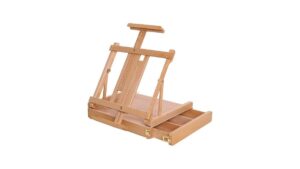
The other meaning of the question is painting outdoors. Acrylic is popular for plein air because it cleans up with water, travels without solvents, and dries quickly enough to pack a finished panel the same afternoon. The fast drying is also the main difficulty, since sun and wind can skin paint on the palette in minutes.
Problems acrylic painters run into outdoors
- Paint drying on the palette. Wind and warm air pull moisture out quickly.
- Colors shifting as they dry. Acrylic tends to dry a little darker, which is easy to misjudge in bright light.
- Glare. Painting in direct sun makes values look lighter than they will indoors.
- Brushes hardening. A brush left out for ten minutes can stiffen at the heel.
Practical fixes for plein air acrylic
- Use a wet or stay-wet palette with a lid to slow drying.
- Mist the palette and the painting surface lightly with a spray bottle.
- Add a slow-drying or retarder medium in small amounts; too much can leave the film soft.
- Set up in open shade, or use an umbrella so neither the palette nor the panel sits in direct sun.
- Keep brushes in a water container with a coil or clip between strokes.
- Choose smaller panels, such as 8 x 10 or 9 x 12 inches, so you can finish before the light changes.
- Consider open-time or slow-drying acrylic formulas, which are designed to stay workable longer.
Temperature limits
Most acrylic paint manufacturers recommend applying and drying paint above roughly 45 to 50 degrees Fahrenheit. Below that, the polymer particles may not fuse properly, which can lead to a weak, cracking film. Very hot conditions cause paint to skin before it levels. Follow the temperature guidance on the label.
Common Mistakes With Outdoor Acrylic Projects
- Skipping primer because the paint “seems to stick fine” at first.
- Sealing only the front of a sign, planter, or rock.
- Varnishing too soon, which can trap moisture and cloud the finish.
- Using low-lightfastness colors, often bright pinks, violets, and some fluorescents, in full sun.
- Painting when rain, dew, or a frost is due within the curing window.
- Assuming one coat of sealer is permanent rather than maintenance.
FAQs
Will acrylic paint wash off in the rain?
Once acrylic has dried, a rain shower will not wash it off. Fresh paint that is still wet or only partly dry can be damaged or streaked. Over months, unsealed paint may lift or blister as moisture gets behind it.
Can you use acrylic paint on outdoor wood?
Yes. Sand and clean the wood, prime with an exterior primer, paint in thin layers, and seal all sides, including end grain, with an exterior UV-resistant topcoat.
Do I need to seal acrylic paint for outdoor use?
For almost every outdoor project, yes. Sealing adds UV protection, reduces water penetration, and makes the surface easier to clean. Some outdoor-formulated craft paints are designed to be weather-resistant on their own, but a topcoat still extends their life.
Is acrylic paint good for outdoor murals?
Acrylic is the standard medium for outdoor murals, but muralists generally choose mural-grade or exterior acrylics, prepare and prime the wall, and finish with a protective clear coat.
What is the best temperature to paint outside with acrylics?
Mild, dry conditions are ideal. Many manufacturers advise staying above about 45 to 50 degrees Fahrenheit and avoiding direct sun on hot days, which dries paint too fast.
Does acrylic paint fade in the sun?
It can, depending on the pigments. Colors with high lightfastness ratings resist fading far better, and a UV-protective varnish slows it further.
Next Step
Acrylic works outdoors when the whole system is right: a clean, primed surface, lightfast or exterior-rated paint, thin layers, enough cure time, and a UV-resistant seal that you renew before the paint wears. For plein air painting, the challenge flips to slowing the paint down, which a covered wet palette, shade, and a light mist handle well.
Paint choice is the piece most people get wrong first. Compare formulas with strong lightfastness and weather resistance in our list of top acrylic paints for outdoor use before starting your next exterior project.