Open a paint by number kit and it looks simple: a canvas covered in tiny numbered shapes, a strip of little paint pots, and three brushes. Then you start, and questions pile up. Which color first? Why does the paint look streaky? How do you cover the printed lines? A few small techniques separate a finished kit that looks like a real painting from one that looks like a coloring page.
Quick answer: To paint a paint by number, flatten and secure the canvas, then work one color at a time, filling every space marked with that color’s number before moving to the next. Start with the darkest colors or the background and work from the top of the canvas down so your hand does not smudge wet paint. Use the fine brush for small areas and edges, apply paint in thin even layers, and add a second coat where the printed lines or numbers show through. Close paint pots tightly between sessions, clean brushes in water, and let the finished painting dry fully before framing or varnishing.
What Comes in a Paint by Number Kit
Most adult kits include the same basic items, though quality varies widely.
- Pre-printed canvas. Rolled, folded or mounted on a wooden frame. The outlines and numbers are printed in light gray or blue.
- Acrylic paint pots. Small sealed tubs, each labeled with a number that matches areas on the canvas.
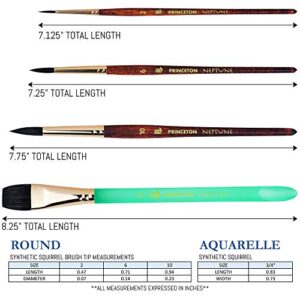
- Brushes. Usually three: a small round for details, a medium round and a small flat.
- Reference sheet. A printed copy of the outline and a color guide, useful when numbers are hard to read.
- Hanging hardware. Some framed kits include hooks or nails.
Kits differ in canvas size, number of colors, how small the shapes are and whether the canvas is pre-stretched. Larger shapes and fewer colors are friendlier for newcomers and anyone with reduced eyesight or hand steadiness. Our guide to paint by number kits that suit seniors compares kits with bigger sections, clearer numbering and easier handling.
Painting by Numbers for Beginners: Set Up First
Preparation makes the painting experience noticeably better, especially for longer kits that take weeks.
- Flatten the canvas. If it arrived rolled or folded, lay it face down on a clean surface, place books on the corners and leave it overnight. For stubborn creases, press the back with an iron on low heat with a thin cloth between, or mist the back lightly and let it dry flat under weight.
- Secure it. Tape a loose canvas to a board or table with low-tack tape so it cannot slide. A framed canvas can sit on a tabletop easel.
- Light the area well. Bright, even light helps you read faint numbers and match colors. Daylight-balanced lamps are popular with paint by number painters.
- Check the paint. Open each pot and stir with a toothpick. Dried-out pots can sometimes be revived with a few drops of water.
- Organize the pots. Line them up in number order or arrange them on a palette tray so you can find colors quickly.
- Prepare water and towels. Keep a cup of clean water and a paper towel for rinsing and blotting brushes.
- Get magnification if needed. A magnifying lamp or glasses can make tiny sections much easier.
How to Paint a Paint by Number Step by Step
There is no single correct order, but this sequence avoids most common problems.
- Choose a starting strategy. Most people work one color at a time, completing all areas of number 1, then 2, and so on. Others prefer to work section by section, finishing a corner before moving on. Color by color keeps paint pots open for less time and reduces mixing mistakes.
- Start dark, or start at the top. Darker colors cover the printed lines best, and lighter colors painted next to them can be adjusted later. Working from the top of the canvas downward (or left to right if you are right-handed) keeps your hand from resting on wet paint.
- Load a small amount of paint. Dip only the tip of the brush. Too much paint creates ridges and spills over into neighboring sections.
- Outline, then fill. Use the fine brush to trace just inside the edges of a section, then fill the middle. This keeps edges neat.
- Paint thin layers. One thin coat often looks streaky. Let it dry for 15 to 30 minutes, then add a second coat. Two thin coats usually look better than one thick coat.
- Cover the numbers. Light colors may not hide printed numbers in one pass. Add coats until they disappear.
- Close each pot right away. Acrylic paint dries quickly once exposed. Press lids on firmly after every use.
- Rinse brushes often. Swish in water and blot every time you change colors, and do not let paint dry on the bristles.
- Review and touch up. When all sections are filled, check for missed spaces, visible lines and uneven areas. Fix them with the fine brush.
- Let it cure. Allow the painting to dry fully for at least 24 hours before framing or varnishing.
Color by Color vs Section by Section
The two main working orders each have trade-offs. Neither is wrong, and many people switch between them during one kit.
| Factor | Color by color | Section by section |
|---|---|---|
| Paint pots open | One at a time, less drying | Several at once, more drying risk |
| Brush cleaning | Less frequent | Constant rinsing between colors |
| Visible progress | Picture appears gradually everywhere | One area looks finished quickly |
| Smudging risk | Higher, wet spots scattered across canvas | Lower if you work top to bottom |
| Blending opportunities | Limited, neighbors dry before you reach them | Easier, adjacent colors can meet while wet |
| Best for | Large kits, limited sessions | Painters who want a motivating finished corner |
Making Paint by Number Easier for Seniors and Unsteady Hands
Paint by number is a popular hobby for older adults, and a few adjustments remove most of the frustration.
- Thicker handles. Wrap brush handles in foam tubing or tape to make them easier to grip. Wider grips reduce hand fatigue.
- Tabletop easel. Tilting the canvas toward you improves visibility and reduces neck strain compared with painting flat.
- Magnifier with light. A clamp-on magnifying lamp makes small numbers readable and keeps both hands free.
- Enlarged reference. Photocopying the reference sheet at a larger size can help you check numbers you cannot read on the canvas.
- Short sessions. Twenty to forty minutes at a time keeps hands steady and eyes fresh.
- Pot holder tray. A muffin tin or egg carton holds paint pots steady so they cannot tip.
Paint by Numbers for Beginners Adults: Brush Technique
Good brush technique is the single biggest improvement you can make.
Hold the brush closer to the bristles for detail
Gripping near the ferrule gives better control for tiny sections. Hold it further back for broader areas.
Use the side of a round brush for edges
Pressing gently with the side of the bristles gives a cleaner line than the very tip, which can splay.
Rest your hand
Resting the side of your hand or pinky on a dry part of the canvas, or on a bridge (a ruler across two books), steadies your strokes.
Rotate the canvas
If an edge is awkward to reach, turn the canvas. There is no rule that you must paint it upright.
Upgrade the brushes
Kit brushes are often basic and may shed or lose their point. A small set of synthetic detail brushes, sizes 0 to 4, can make painting easier and neater.
Tips for Adult Paint by Number Projects
- Work in good light, ideally daylight. Colors that look similar under warm lamps are easier to tell apart in daylight.
- Use a reference sheet. If a number is hard to read, check the printed guide instead of guessing.
- Mark finished colors. Tick off each number on a list once all its areas are painted.
- Keep paint fresh. Add a drop of water to thickened paint and stir. Some painters also store pots upside down to keep them airtight.
- Do not fear mistakes. Acrylic covers well once dry. Paint over errors with the correct color.
- Take breaks. Detailed kits are a marathon. Short sessions help your eyes and hands.
- Blend if you want. Once comfortable, you can soften harsh borders by lightly feathering wet edges together. Purists keep strict boundaries; both are valid.
Dealing with Common Problems
| Problem | Likely cause | Fix |
|---|---|---|
| Printed numbers still visible | Light color, thin coat | Add another thin coat after the first dries; consider a dot of white underneath |
| Streaky coverage | Paint too thin or brush too dry | Stir paint, use slightly more, add a second coat |
| Paint drying in pots | Lids not tight, kit stored warm | Add drops of water, stir, seal tightly |
| Running out of a color | Thick application | Mix a matching shade from other pots or acrylic craft paint |
| Wrong color painted | Misread number | Let it dry, paint over with the correct color, two coats if needed |
| Canvas creases showing | Shipping folds | Flatten before painting; stretch on a frame after painting |
| Brushes splaying | Pressing too hard, paint dried in bristles | Rinse often, reshape, replace if needed |
Paint by Number for Beginners: Choosing the Right Kit
Starting with a manageable kit makes the whole process more enjoyable.
- Size: 12 x 16 inches or 16 x 20 inches is a common starting size.
- Number of colors: 20 to 30 colors is manageable. Kits with 40 or more colors and tiny sections are better after a few projects.
- Section size: Larger sections are easier for beginners, older painters and anyone with less steady hands.
- Framed vs rolled: Pre-framed canvases are flat and ready to hang. Rolled canvases are cheaper but need flattening.
- Subject: Landscapes and florals are forgiving because small errors blend into the scene. Portraits and architecture show mistakes more.
Finishing and Protecting Your Painting
Once your painting is complete and dry, a few final steps protect it.
- Erase any pencil marks on unpainted borders.
- Varnish (optional). A brush-on or spray acrylic varnish evens out the sheen between colors and protects against dust and UV. Gloss intensifies color; matte reduces glare.
- Stretch or frame. Rolled canvases can be stretched on stretcher bars or mounted on a board and framed. Framed kits are ready to hang.
- Sign it. You painted it, so sign it.
Why Paint by Numbers Is Worth Doing
Paint by number is often described as relaxing, with a steady, focused rhythm that many adults find calming. It also teaches real skills that transfer to freehand painting: brush control, layering, how colors sit next to each other, and how light and shadow are broken into shapes. Many painters move on to freehand acrylics after a few kits, using what they learned about shapes and values.
FAQs
What order should you paint a paint by number?
There is no strict rule. Many people start with the darkest colors or the background and work from the top of the canvas down. Others work one number at a time from light to dark. Choose the order that keeps your hand off wet paint.
Do you need to paint two coats on a paint by number?
Often, yes, especially for light colors. A second thin coat after the first dries hides printed lines and numbers and evens out streaks.
How long does it take to finish a paint by number?
It depends on size and detail. Simple kits can take a few hours; large, detailed kits can take 20 hours or more spread over several weeks.
How do I keep paint by number paint from drying out?
Close lids tightly after each use, store the kit somewhere cool, and add a few drops of water to thickened paint. Some people cover pots with plastic wrap before closing.
Can you mix colors in paint by number?
Yes. If you run out of a color or want subtle blends, you can mix from other pots. Mix enough to finish the area so the shade stays consistent.
Is paint by numbers good for beginners?
Yes. It removes the pressure of drawing and color mixing so beginners can focus on brush control and layering, which are core painting skills.
Next Step
A good kit makes every technique above easier, from reading the numbers to getting clean, opaque coverage. If you are choosing a kit for yourself or for a parent or grandparent, start with our list of the easiest paint by number kits for older adults, which highlights larger shapes, clearer printing and simpler color counts.