Are you struggling to get that perfect, smooth blend with your acrylic paints? You’re not alone.
Blending acrylics can feel tricky because they dry fast, leaving harsh lines or uneven color transitions. But what if you could master a few simple techniques that make your colors flow seamlessly into one another? Imagine your paintings coming to life with soft, beautiful gradients that catch every eye.
You’ll discover easy, practical tips to blend acrylic paint smoothly—whether you’re a beginner or looking to sharpen your skills. Keep reading, and you’ll soon create stunning artwork with flawless color blends.
Credit: www.reddit.com
Choosing The Right Materials
Choosing the right materials is key to smooth acrylic paint blending. Good supplies make the process easier and the results better. Each material plays a role in how well the colors mix and flow on your canvas.
Picking the best tools ensures your paint moves smoothly without unwanted streaks or lumps. Let’s explore the materials that help create soft, seamless blends.
Selecting Quality Acrylic Paints
Use paints with high pigment concentration. These colors are richer and blend more evenly. Avoid cheap paints that may dry too fast or look dull. Choose brands known for smooth texture and good color payoff. Thick paints can be thinned with water or medium for better flow.
Best Brushes For Blending
Pick soft, synthetic brushes for acrylics. They hold paint well and spread it smoothly. Flat or filbert shapes work great for blending edges. Avoid stiff or coarse brushes that can leave marks. Use clean brushes to avoid muddy colors.
Using Mediums To Enhance Flow
Mix acrylic mediums with paint to improve texture and drying time. Flow improvers make paint glide easily on the surface. Retarders slow drying so you have more time to blend. Experiment with different mediums to find what suits your style best.

Credit: shop.zenartsupplies.co
Preparing Your Workspace
Preparing your workspace is the first step to blend acrylic paint smoothly. A neat and organized area helps you focus. It also makes painting easier and more enjoyable.
Setting up the right environment lets you control your tools and colors better. It can reduce mistakes and improve your results. Let’s explore how to prepare your space for smooth acrylic blending.
Setting Up A Clean Surface
Start with a clean, flat surface. Wipe away dust and dirt before painting. A smooth surface keeps your brushes and palette steady. It also prevents paint from sticking where it shouldn’t. Clear any clutter to avoid distractions and spills.
Organizing Your Palette
Arrange your colors neatly on the palette. Group similar shades close together. This setup helps you mix colors quickly and easily. Use a palette with enough space to spread your paint. Keep a small cup of water nearby to clean brushes fast.
Controlling Lighting And Environment
Good lighting shows true paint colors. Natural light works best, but bright white lamps are fine too. Avoid harsh shadows or glare on your workspace. Keep the area well-ventilated for fresh air. A calm, quiet room helps you focus on blending.
Techniques For Smooth Blending
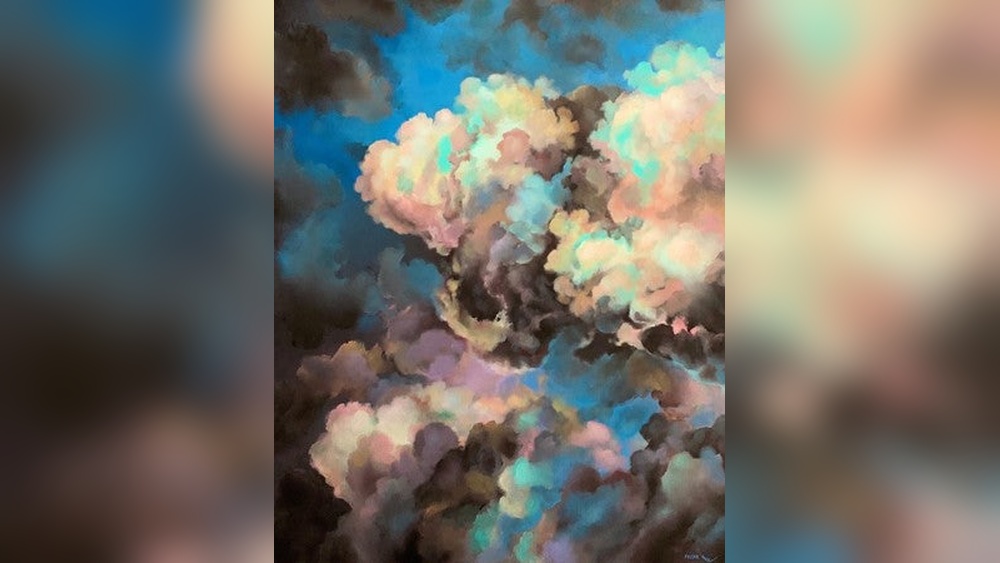
Smooth blending makes acrylic paintings look soft and natural. Using the right techniques helps colors mix well without harsh lines. Try different methods to see which fits your style best. This section explains three simple ways to blend acrylic paint smoothly. Each method works for different effects and skill levels.
Wet-on-wet Method
Apply two or more colors on your canvas while the paint is still wet. Use a clean, soft brush to gently mix the edges between colors. Work quickly before the paint dries to avoid hard lines. This method creates smooth transitions and soft gradients. It works best on a wet surface and with slow-drying acrylics or paint mixed with a retarder.
Dry Brushing Tips
Use a dry brush with very little paint on it. Lightly drag the brush over the paint edges to soften the lines. This technique adds texture and smooths color changes. It is perfect for small areas and subtle blending. Use a stiff or bristle brush for better control while dry brushing.
Feathering And Glazing
Feathering means gently brushing outward from the edge of one color into another. Use a soft brush and small, light strokes. Glazing is applying thin, transparent layers of paint over dry areas. It creates depth and gradual color shifts. Mix paint with water or glazing medium for thin layers. Both techniques help achieve smooth, polished finishes.
Color Mixing Strategies
Mixing colors smoothly is a key skill in acrylic painting. Good color mixing makes your blends look natural and pleasing. It helps create depth and mood in your artwork. Understanding simple color mixing strategies can improve your painting quickly. Use these tips to keep your colors fresh and vibrant.
Creating Gradients
Start by choosing two colors you want to blend. Use a clean brush to mix small amounts on your palette. Gradually add one color to the other. Paint the colors side by side on your canvas. Then, use a dry brush to blend the edges softly. Work quickly, as acrylic paint dries fast. This creates a smooth gradient effect.
Balancing Warm And Cool Tones
Warm colors include red, orange, and yellow. Cool colors are blue, green, and purple. Mixing warm and cool tones creates balance in your painting. Try mixing a little warm color into cool shades. This warms up the color and adds interest. Avoid using too much of one tone to keep harmony.
Avoiding Muddy Colors
Muddy colors happen when too many colors mix. Limit your palette to a few basic colors. Clean your brush between colors to keep them clear. Mix colors slowly and test on scrap paper. Avoid mixing all three primary colors together. This helps keep your colors bright and clean.
Troubleshooting Common Issues
Blending acrylic paint smoothly can be tricky. Many artists face common problems during the process. Understanding these issues helps you fix them quickly. This section covers the main blending troubles and simple ways to solve them.
Fixing Streaky Blends
Streaky blends happen when the paint dries too fast. Use a wet brush to soften the lines between colors. Work quickly and gently to merge the paint layers. Try adding a blending medium to slow drying time. Thin your paint with water but not too much. This creates smoother transitions without streaks.
Dealing With Fast Drying Paint
Acrylic paint dries fast, causing blending problems. Spray a little water on your palette to keep paint moist. Use a slow-drying medium to extend working time. Paint in small sections to avoid drying before blending. Keep a damp cloth nearby to refresh your brush. These tips help maintain wet edges for smoother blends.
Handling Unwanted Texture
Sometimes, paint texture becomes rough or bumpy. This happens if the paint is too thick or applied unevenly. Use a clean, soft brush to smooth the surface while paint is still wet. Thin the paint slightly with water or medium for a flatter finish. Sand lightly with fine sandpaper after drying if needed. Texture control leads to cleaner, more polished blends.
Advanced Blending Tips
Advanced blending tips help create smooth, rich acrylic paintings. These techniques add depth and texture. They make colors flow naturally on the canvas. Each method offers new ways to mix and apply paint. Explore these tips to enhance your artwork’s look and feel.
Layering Techniques For Depth
Layering colors builds depth in your paintings. Start with thin, light layers. Let each layer dry before adding the next. Use transparent colors to see layers beneath. This method creates a glowing effect. It helps blend colors smoothly without muddying them.
Using Palette Knives
Palette knives give a different blending style. They spread paint evenly and create soft edges. Use the knife to scrape and mix colors on the canvas. This technique adds texture and interest. It works well for bold, smooth blends in abstract art.
Incorporating Texture Mediums
Texture mediums change the feel of acrylic paint. Mix them with paint to make it thicker or smoother. They help control drying time for better blending. Use gel or molding paste for added texture. This technique adds a new dimension to your blends.
Maintaining Your Tools
Maintaining your tools is key to smooth acrylic paint blending. Clean, well-kept brushes and paints make your work easier. They help you get better results and save money over time.
Cleaning Brushes Properly
Rinse brushes with warm water right after use. Use gentle soap to remove paint from bristles. Avoid soaking brushes for long times. Pat dry with a clean cloth. Store brushes with bristles up to keep their shape.
Storing Paints And Mediums
Keep paints in airtight containers to stop drying out. Store them in a cool, dry place away from sunlight. Shake or stir paints before use to keep texture smooth. Check mediums regularly and close lids tightly after use.
Extending Brush Life
Use the right brush for each painting task. Do not press brushes too hard on the surface. Clean brushes thoroughly after every session. Trim loose bristles with scissors if needed. Proper care helps brushes last longer and work better.

Credit: www.reddit.com
Frequently Asked Questions
How Do I Prepare Acrylic Paint For Smooth Blending?
To prepare acrylic paint for smooth blending, use a palette to mix colors. Add a small amount of water or acrylic medium to thin the paint. This improves flow and allows gradual color transitions without harsh edges.
What Brushes Work Best For Blending Acrylic Paint?
Soft, synthetic brushes like filbert or flat brushes work best. They hold paint well and help create smooth gradients. Clean brushes frequently to avoid dried paint, which can cause uneven blending.
How Long Should I Wait Before Blending Acrylic Paint?
Blend acrylic paint while it’s still wet, ideally within 5 to 10 minutes. Acrylics dry quickly, so working fast ensures smoother transitions and easier mixing on the canvas.
Can I Use Mediums To Improve Acrylic Blending?
Yes, acrylic mediums like glazing or retarders slow drying time. They extend paint’s wet phase, making blending easier and smoother. Mediums also improve paint flow and consistency.
Conclusion
Blending acrylic paint smoothly takes practice and patience. Start with clean brushes and wet paint. Work quickly before the paint dries. Use gentle, even strokes to mix colors on the canvas. Keep your brush clean to avoid muddy colors. Experiment with different tools like sponges or palette knives.
Remember, every artist develops their own style over time. Keep practicing and enjoy the process of creating smooth, beautiful blends in your artwork.