Acrylic paint mediums alter the properties of acrylic paint. They adjust texture, drying time, and finish.
Acrylic paint mediums offer artists versatile options for enhancing their work. These mediums can make the paint thicker or thinner, change its transparency, and even extend its drying time. Artists use them to create various textures, from smooth finishes to impasto effects.
Some mediums also improve paint adhesion and durability, making them essential for long-lasting artwork. By experimenting with different acrylic mediums, artists can achieve diverse effects and styles, enhancing their creativity. Understanding these mediums helps artists make informed choices, resulting in more dynamic and expressive paintings. Whether a beginner or a professional, using acrylic mediums can elevate the quality of your artwork.
Credit: junabiagioni.com
Introduction To Acrylic Paint Mediums
Acrylic paint mediums are essential for artists. They help to change paint properties. Mediums can alter texture, thickness, and drying time. Using mediums makes painting more fun and creative.
The Role Of Mediums In Acrylic Painting
Mediums play a vital role in acrylic painting. They help achieve different effects. Artists use mediums to make paint thicker or thinner. Some mediums make paint dry slower or faster.
Types Of Mediums Available
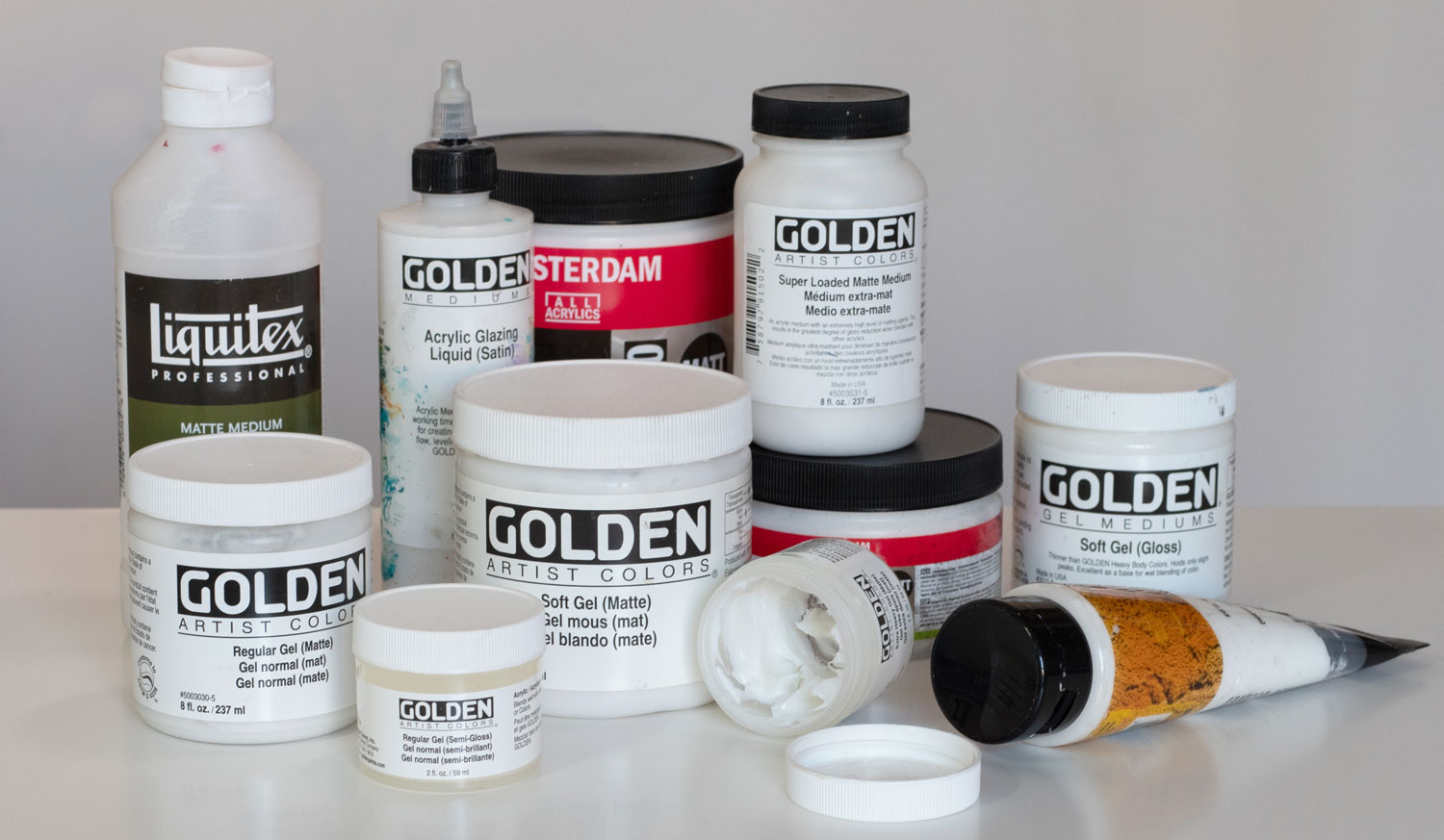
There are many types of acrylic paint mediums. Each type has a unique purpose. Here are some common types:
- Gel Mediums: Make paint thicker and more textured.
- Matte Mediums: Reduce shine and give a flat finish.
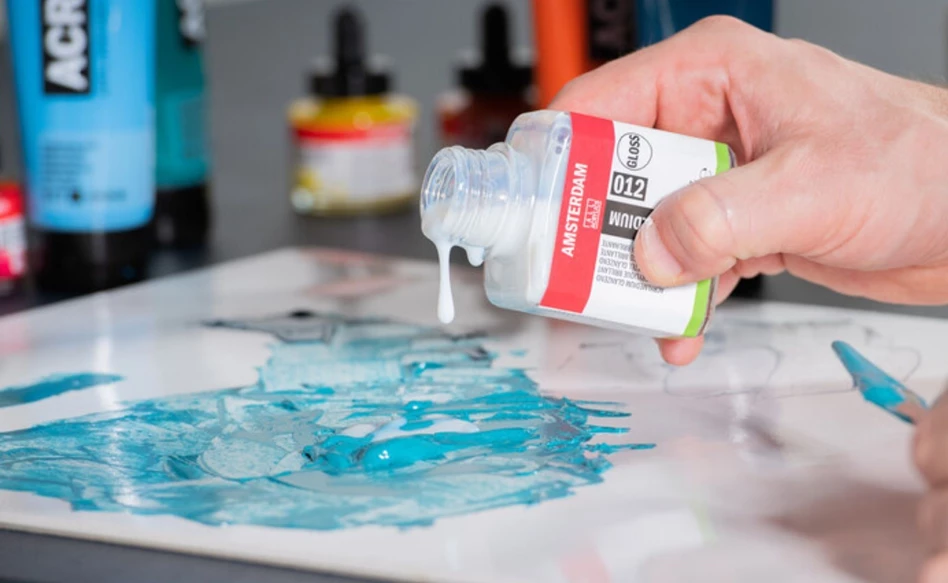
- Gloss Mediums: Add shine and make colors vibrant.
- Retarder Mediums: Slow down drying time for blending.
- Flow Improver: Make paint smoother and easier to spread.
Below is a table summarizing these mediums:
| Medium Type | Purpose |
|---|---|
| Gel Mediums | Thicken paint, add texture |
| Matte Mediums | Reduce shine, flat finish |
| Gloss Mediums | Add shine, vibrant colors |
| Retarder Mediums | Slow drying time |
| Flow Improver | Smoother paint, easy spread |

Credit: feelingnifty.com
Texturing Techniques
Texturing techniques in acrylic painting can add depth and interest. By using different mediums, you can create unique effects. Two popular methods are adding body to paint with gels and creating impasto effects.
Adding Body To Paint With Gels
Gels can change the texture of your paint. They can make your paint thicker or thinner.
| Type of Gel | Effect |
|---|---|
| Gloss Gel | Makes paint shiny and thicker |
| Matte Gel | Makes paint thicker without shine |
- Gloss Gel can create a shiny finish.
- Matte Gel gives a flat, non-reflective look.
Mix these gels with your paint to see different results. Experiment with ratios for various textures.
Creating Impasto Effects
Impasto means applying paint thickly. This creates a three-dimensional effect.
Use a palette knife or brush to apply thick layers of paint. The paint stands out from the canvas, creating a bold texture.
- Choose a heavy body acrylic paint.
- Use a palette knife for thick strokes.
- Layer the paint for more texture.
Impasto is great for adding drama to your artwork. It captures light and shadow in unique ways.
Both gels and impasto techniques can transform your acrylic paintings. Try them out to see what works best for your style.
Extending Paint Volume And Transparency
Acrylic paint mediums are versatile tools. They help artists extend paint volume and transparency. This allows for more creative flexibility. Acrylic paint mediums can enhance texture, depth, and finish.
Using Glazing Medium For Depth
Glazing medium is a popular choice for adding depth. It helps create transparent layers. Artists can build up colors gradually. This technique is great for achieving realistic effects.
Here are the steps to use glazing medium:
- Mix the glazing medium with your acrylic paint.
- Apply a thin layer to your painting.
- Let each layer dry before adding another.
Each layer adds dimension and richness. This method is perfect for creating shadows and highlights.
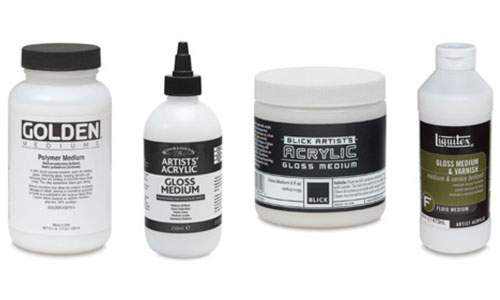
Leveraging Matte And Gloss Mediums
Matte and gloss mediums offer different finishes. Matte medium reduces the shine of acrylic paint. Gloss medium increases the sheen and vibrancy.
Here is a comparison of their features:
| Medium | Finish | Effect |
|---|---|---|
| Matte Medium | Flat | Reduces shine |
| Gloss Medium | Shiny | Increases sheen |
Artists can use these mediums to adjust the finish of their work. This gives more control over the final appearance.
Here are some tips:
- Use gloss medium for bright, vivid colors.
- Choose matte medium for a softer, muted look.
- Combine both for varied textures and effects.
Experimenting with these mediums can lead to unique and interesting results.
Credit: www.art-is-fun.com
Altering Drying Times
Acrylic paint mediums can alter the drying times of your artwork. This can help in achieving different artistic effects. Whether you want your paint to dry fast or slow, there are mediums available to suit your needs.
Slow-drying Blending Mediums
Slow-drying mediums are perfect for blending colors. These mediums extend the drying time, letting you mix colors on the canvas. This is helpful for creating smooth transitions and gradients.
Common slow-drying mediums include:
- Retarder Gel
- Retarder Fluid
Use these products to keep your acrylic paint wet for longer periods. They are ideal for detailed work where you need more time.
Quick-drying Techniques
Quick-drying techniques are useful for building layers quickly. Acrylic paint dries fast on its own, but you can speed it up more. Use a hairdryer or heat gun to dry layers faster.
Here are some tips to make your paint dry quickly:
- Use thin layers of paint.
- Work in a warm, dry environment.
- Use a fast-drying medium.
Fast-drying mediums include:
- Gloss Medium
- Matte Medium
These mediums not only speed up drying but also add different finishes to your work.
| Slow-Drying Mediums | Quick-Drying Mediums |
|---|---|
| Retarder Gel | Gloss Medium |
| Retarder Fluid | Matte Medium |
Experiment with these mediums to find what works best for your art style. Adjusting drying times can make a big difference in your painting process.
Enhancing Color And Vibrancy
Acrylic paint mediums can enhance the color and vibrancy of your artwork. These mediums are additives that mix with acrylic paints. They can change the paint’s texture, finish, and color intensity. Using the right medium can make your art pop with brilliant hues.
Using Mediums To Intensify Shades
Acrylic mediums can make colors more intense. They help you achieve deeper shades and richer tones. Here are some common mediums:
- Gloss Medium: Adds shine and makes colors look brighter.
- Matte Medium: Keeps colors vibrant but without the shine.
- Gel Medium: Thickens the paint and enhances color depth.
Mixing these mediums with your paint can transform basic colors into stunning shades. Your artwork will have a new level of vibrancy.
Preventing Color Shifts
Color shifts occur when paint dries and changes color. This can be frustrating for artists. Mediums can help prevent these shifts. Here are some tips:
- Use a glazing medium to keep colors true to their wet state.
- Mix a small amount of retarder medium to slow drying time.
- Apply a varnish after the paint dries to lock in color.
These steps ensure your artwork retains its intended hues. Your colors will stay vivid and consistent.
Mediums For Special Effects
Acrylic paint mediums allow artists to create unique effects. These mediums can transform your artwork, adding depth and texture. Let’s explore some popular mediums for special effects.
Creating Water Effects
Water effects can make a painting feel lively. Acrylic gloss medium is perfect for this. It creates a shiny, wet look on your painting. You can also use it to make waves and ripples.
Follow these steps to create water effects:
- Mix the gloss medium with your paint.
- Apply the mixture to your canvas.
- Use a brush or palette knife to shape the water.
- Let it dry for a glossy finish.
For more realistic water, add acrylic gel medium. This medium thickens the paint and adds texture. You can create splashes and bubbles with it.
Simulating Textured Surfaces
Texture mediums add physical depth to your painting. Acrylic modeling paste is one of the best options. It’s thick and can be molded into shapes. Use it to create rocks, tree bark, or any rough surface.
Here’s how to use modeling paste:
- Apply the paste directly to the canvas.
- Use a palette knife to shape it.
- Let it dry completely.
- Paint over it for the desired effect.
Another great medium is acrylic sand gel. This medium contains tiny sand particles. It’s perfect for creating sandy beaches or rough terrains. Simply mix it with your paint and apply it to the canvas.
Here is a quick comparison of these mediums:
| Medium | Effect | Best For |
|---|---|---|
| Acrylic Gloss Medium | Shiny, wet look | Water effects |
| Acrylic Gel Medium | Thick, textured | Splashes, bubbles |
| Modeling Paste | Thick, moldable | Rocks, tree bark |
| Acrylic Sand Gel | Grainy texture | Sandy surfaces |
Safety And Preservation
Understanding the safety and preservation of acrylic paint mediums ensures your artwork lasts. Knowing the difference between non-toxic and toxic mediums helps keep you safe. Extending the lifespan of your work ensures it remains vibrant over time.
Non-toxic Vs. Toxic Mediums
Non-toxic mediums are safe for artists of all ages. They do not release harmful fumes. You can use them in small, enclosed spaces without worry.
Toxic mediums contain chemicals harmful to health. Always use them in well-ventilated areas. Wear protective gear like gloves and masks. Keep them out of reach of children and pets.
| Non-Toxic Mediums | Toxic Mediums |
|---|---|
| Water-based varnishes | Solvent-based varnishes |
| Acrylic gels | Oil-based mediums |
| Matte and gloss mediums | Resin-based products |
Extending The Lifespan Of Your Work
Proper storage is key to preserving acrylic paintings. Keep your artwork in a cool, dry place. Avoid direct sunlight to prevent colors from fading.
Use varnish to protect the surface of your painting. A varnish layer shields against dust, dirt, and UV rays. Choose a varnish suitable for acrylics.
Clean your brushes thoroughly after each use. This prevents paint buildup and keeps your tools in good condition.
Avoid extreme temperatures. High heat can cause paint to crack. Cold temperatures can make it brittle.
Handle with care. Always handle paintings with clean hands. Use gloves for extra protection.
- Store in a cool, dry place.
- Use varnish for protection.
- Clean brushes after use.
- Avoid extreme temperatures.
- Handle with care.
Practical Tips For Artists
Understanding acrylic paint mediums can greatly improve your artwork. These mediums change the texture, drying time, and finish of your paint. Here are some practical tips to help you get the most out of your acrylic paints.
Mixing Mediums And Color Consistency
Mixing mediums with your acrylic paint can change its properties. Use a gloss medium to make your colors shine. A matte medium will give your paint a flat finish. You can also use a gel medium to thicken your paint. This helps you create texture in your artwork.
Always mix the medium with your paint on a palette. This ensures a consistent color. Start with a small amount of medium. You can add more if needed. This way, you won’t waste your paint or medium.
| Medium Type | Effect on Paint |
|---|---|
| Gloss Medium | Creates a shiny finish |
| Matte Medium | Creates a flat finish |
| Gel Medium | Thickens the paint |
Application Tools And Techniques
The right tools can make a big difference in your painting. Use brushes for smooth, even strokes. A palette knife works well for thick, textured paint. Sponges and rags can create interesting textures too.
Experiment with different tools to see what works best. Try layering your paint to create depth. You can also blend colors directly on the canvas. This technique can create a more dynamic look.
- Brushes: Smooth strokes
- Palette Knife: Thick texture
- Sponges: Interesting textures
- Rags: Unique effects
Remember to clean your tools after each use. This keeps them in good condition. It also ensures your colors stay vibrant and true.
Frequently Asked Questions
What Medium Do You Use For Acrylic Paint?
Artists often use water as the medium for acrylic paint. It thins the paint and cleans brushes. Acrylic mediums like gels or pastes can also modify texture and finish.
What Are The 5 Common Painting Mediums?
The five common painting mediums are oil, acrylic, watercolor, gouache, and pastel. Each offers unique textures and effects.
What Is The Best Medium To Dilute Acrylic Paint?
Water is the best medium to dilute acrylic paint. It thins the paint without losing its color vibrancy.
What Medium To Use To Thicken Acrylic Paint?
Use a gel medium to thicken acrylic paint. It adds texture and increases paint viscosity. Another option is modeling paste, which provides a heavier texture. Both mediums maintain color vibrancy and allow for versatile applications in your artwork.
What Are Acrylic Paint Mediums?
Acrylic paint mediums are additives mixed with acrylic paints to change their properties like texture, drying time, or finish.
How Do You Use Acrylic Mediums?
Mix acrylic mediums directly with paint or apply on the canvas to achieve desired effects like gloss, texture, or extended drying time.
Can Acrylic Mediums Change Paint Texture?
Yes, mediums like gel or modeling paste can thicken paint, creating textured, three-dimensional effects on the canvas.
Are Acrylic Mediums Necessary?
No, they are optional. They enhance creativity by altering paint properties but aren’t essential for basic acrylic painting.
Conclusion
Acrylic paint mediums offer endless creative possibilities. They enhance texture, sheen, and drying time. Experiment with different mediums to find your style. Remember, the right medium can transform your artwork. Dive into the world of acrylic mediums and elevate your painting techniques.
Happy painting!