The best paint brushes for acrylic are synthetic brushes. They offer excellent control and durability for acrylic painting.
Artists need high-quality tools to create impressive works. Synthetic brushes, made from nylon or polyester, are ideal for acrylic paints. They hold their shape well and provide smooth, even strokes. These brushes come in various shapes and sizes, perfect for different techniques.
Flat brushes are great for bold strokes, while round brushes excel at detail work. Filbert brushes combine the best of both worlds, offering versatility. Investing in good-quality synthetic brushes enhances your painting experience and results. Regular cleaning and proper care extend the life of your brushes, ensuring they remain effective for many projects.
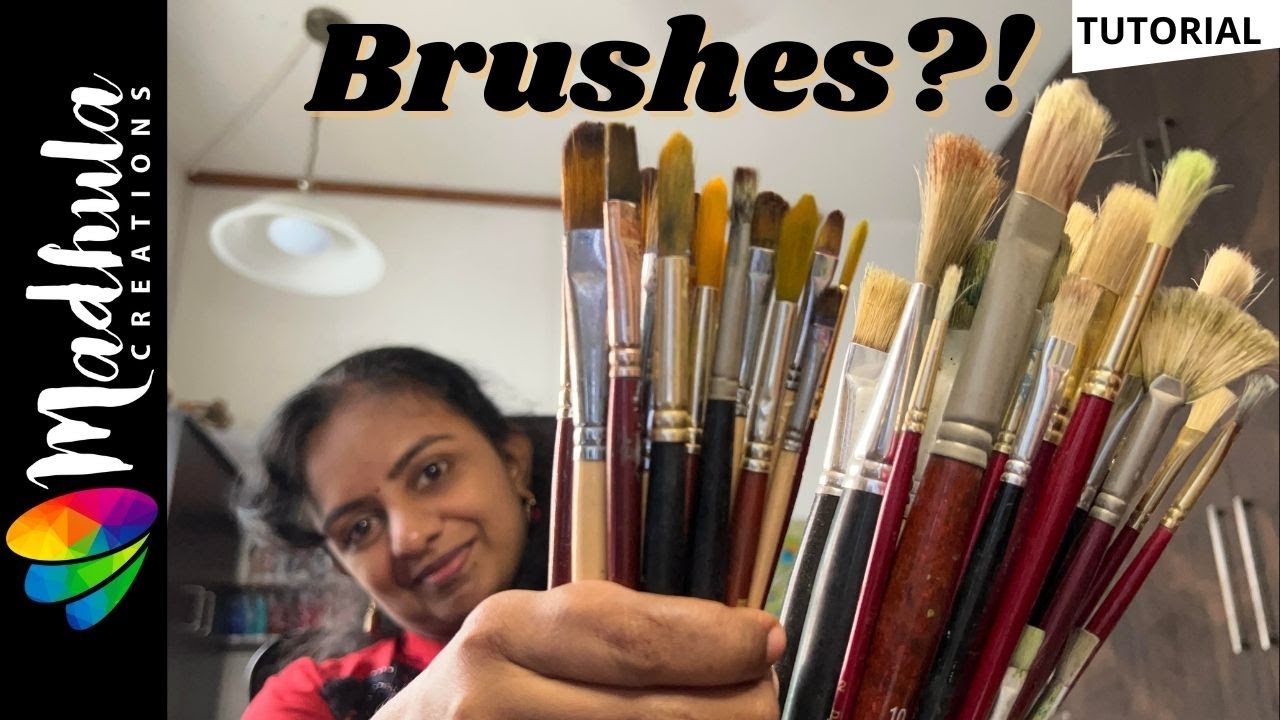
Credit: m.youtube.com
The Art Of Best Painting Brushes Of Acrylic Painting
Acrylic painting is a versatile and exciting art form. It allows artists to create vibrant, textured works. This medium dries quickly, enabling rapid layering and corrections. Choosing the right paint brushes can enhance your artwork.
Choosing The Right Tools
Choosing the right tools is crucial for acrylic painting. The variety of brushes can be overwhelming. Here is a table to help you select the best brushes:
| Brush Type | Best For |
|---|---|
| Flat Brushes | Large areas, bold strokes |
| Round Brushes | Detail work, thin lines |
| Filbert Brushes | Soft edges, blending |
| Fan Brushes | Textures, foliage |
The Impact Of Quality Brushes
Quality brushes can significantly impact your artwork. Here are the benefits of using high-quality brushes:
- Durability: They last longer and maintain their shape.
- Precision: They offer better control for detailed work.
- Versatility: They perform well with various techniques.
Investing in good brushes can save money in the long run. They provide a better painting experience. Happy painting!

Credit: www.pinterest.com
Types Of Brushes For Acrylic Paint
Choosing the right brush for acrylic painting can be confusing. Various types, shapes, and sizes are available. Each type of brush has a unique purpose. Understanding these can enhance your painting experience.
Natural Vs Synthetic Bristles
Brushes come with either natural or synthetic bristles. Natural bristles are made from animal hair. They hold more paint and provide smoother strokes. Synthetic bristles are made from man-made materials. They are more durable and easier to clean.
| Type | Advantages | Disadvantages |
|---|---|---|
| Natural |
|
|
| Synthetic |
|
|
Shapes And Sizes For Every Technique
Acrylic brushes come in various shapes and sizes. Each shape serves a different purpose. Round brushes are versatile and ideal for details. Flat brushes are great for bold strokes and filling in large areas.
Filbert brushes have a rounded tip. They are perfect for blending and soft edges. Fan brushes create textures and special effects. Detail brushes are tiny and precise. They are used for fine lines and intricate work.
- Round: Versatile, details
- Flat: Bold strokes, large areas
- Filbert: Blending, soft edges
- Fan: Textures, special effects
- Detail: Fine lines, intricate work
Top Brushes For Acrylic Artists
Acrylic painting is a beloved medium for many artists. Choosing the right brush can make a huge difference. The right brush provides better control, and smooth strokes, and enhances creativity. Below, we explore the best brushes for acrylic artists. We will cover brand reviews and artist recommendations.
Brand Reviews
| Brand | Features | Price |
|---|---|---|
| Winsor & Newton | Durable, varied sizes, synthetic bristles | $$ |
| Princeton | Soft bristles, great for detail work | $$$ |
| Grumbacher | Affordable, ideal for beginners | $ |
Each brand offers unique features. Winsor & Newton brushes are known for their durability. Princeton brushes provide soft bristles for detailed work. Grumbacher is a great choice for beginners due to its affordability.
Artist Recommendations
- Filbert Brush: Versatile, perfect for blending, soft edges.
- Flat Brush: Ideal for bold strokes and filling wide spaces.
- Round Brush: Excellent for fine details and lines.
- Fan Brush: Great for textures and natural effects like leaves.
Many artists recommend using a Filbert Brush for blending and creating soft edges. A Flat Brush is perfect for bold strokes. Round Brushes are excellent for fine details. A Fan Brush works well for creating textures and natural effects.

Credit: www.amazon.com
Factors To Consider When Buying
Choosing the right paint brush for acrylic painting is crucial. The brush you select can affect your artwork’s quality. To help you, we have identified important factors. Understanding these will make your decision easier.
Bristle Durability
Bristle durability is key for acrylic painting. Durable bristles can withstand frequent use. They also resist wear and tear better. Look for brushes made with synthetic fibers. These are usually more durable. They maintain shape and firmness longer. This ensures smooth and consistent strokes.
Handle Comfort And Design
Handle comfort and design matter too. A comfortable handle reduces hand fatigue. This is important for long painting sessions. Choose brushes with ergonomic handles. These fit well in your hand. They provide better control and precision. Wooden handles are often more comfortable. They also offer a better grip.
| Factor | Importance |
|---|---|
| Bristle Durability | High |
| Handle Comfort and Design | High |
Maintaining Your Brushes
Taking care of your paint brushes is important for their longevity. Proper maintenance ensures your brushes remain effective and last longer. Below are some essential tips to help you keep your brushes in great condition.
Cleaning Best Practices
Cleaning your brushes correctly is vital. Here’s a simple guide:
- Rinse your brush immediately after use with warm water.
- Use a mild soap to remove paint from bristles.
- Gently massage the bristles to remove all paint.
- Rinse thoroughly until water runs clear.
- Blot excess water with a paper towel.
For stubborn paint, consider using a specialized brush cleaner. Avoid using harsh chemicals as they can damage the bristles.
Storage Solutions
Proper storage is key to maintaining your brushes. Follow these tips:
- Store brushes with bristles facing up to prevent bending.
- Use a brush holder or a jar filled with rice to keep brushes upright.
- Avoid storing brushes in damp areas to prevent mold growth.
- Keep brushes away from direct sunlight to avoid bristle damage.
By following these storage solutions, your brushes will stay in optimal condition for years.
Price Vs. Performance
Choosing the best paint brushes for acrylics can be challenging. The balance between price and performance is crucial. This section will help you understand what to look for in budget-friendly options and why some premium choices might be worth the investment.
Budget-friendly Choices
Not all good brushes have to be expensive. Many budget-friendly options offer great performance. Here are some top picks:
| Brush Set | Features | Price Range |
|---|---|---|
| Artify 10-Piece | Durable, Variety of Sizes | $10-$15 |
| Benicci 12-Piece | Ergonomic Handles, Nylon Bristles | $12-$18 |
| Crafts 4 All | Easy to Clean, Versatile | $9-$14 |
These brushes offer good quality at a lower cost. They are perfect for beginners and hobbyists. They provide smooth strokes and are easy to clean. Each set includes a variety of brush shapes and sizes.
Investing In Premium Brushes
For serious artists, investing in premium brushes is worthwhile. High-end brushes offer superior performance. They last longer and deliver better results. Here are some top premium choices:
| Brush Set | Features | Price Range |
|---|---|---|
| Winsor & Newton Series 7 | Kolinsky Sable Hair, Excellent Control | $100-$200 |
| Da Vinci Maestro | Handmade, Extra Smooth | $80-$150 |
| Silver Brush Black Velvet | Blend of Squirrel & Synthetic, Holds Water Well | $30-$60 |
These brushes are designed for professional use. They provide unmatched precision and durability. The higher cost reflects their superior craftsmanship and materials. Investing in these brushes can enhance your painting experience significantly.
Brushes And Painting Techniques
Choosing the right paint brushes can change your acrylic painting game. Different brushes create different effects and techniques. This section will help you master the art of painting with the right tools.
Strokes And Textures
The strokes you make depend on the brush type. A flat brush creates bold strokes. A round brush is great for fine details. Fan brushes help blend colors smoothly. A filbert brush combines the benefits of flat and round brushes.
Here is a table that shows the best uses of each brush type:
| Brush Type | Best Uses |
|---|---|
| Flat Brush | Bold strokes, large areas, edges |
| Round Brush | Fine details, thin lines, outlines |
| Fan Brush | Blending, soft textures, natural effects |
| Filbert Brush | Combines flat and round brush uses |
Mixing Colors With Precision
Mixing colors is crucial for acrylic painting. Using the right brush can help. A palette knife is ideal for mixing colors on a palette. Flat brushes help mix larger amounts of color. Detail brushes are perfect for mixing small amounts.
Follow these steps to mix colors with precision:
- Use a clean palette knife to pick up paint.
- Mix the paint on a palette until smooth.
- Use a flat brush for larger mixes.
- Use a detail brush for small color adjustments.
Here are some tips:
- Always clean brushes between colors.
- Test colors on scrap paper first.
- Use a wet palette to keep paint fresh.
Beyond The Brush
Beyond the brush, there are many tools for acrylic painting. These tools help artists explore new techniques. They also add variety to their artwork.
Alternative Tools For Acrylics
Alternative tools can change the way you paint. They can give your work unique textures and effects. Let’s explore some of these tools:
- Palette Knives: Palette knives create sharp, bold strokes. They are great for thick layers of paint.
- Sponges: Sponges add soft textures. They blend colors smoothly.
- Stencils: Stencils help create precise shapes and patterns.
- Toothbrushes: Toothbrushes make splatter effects. They are fun to use.
- Combs: Combs create fine lines. Use them for detailed textures.
Expanding Your Artistic Toolkit
Building a diverse toolkit helps you grow as an artist. Here are some tools to add to your collection:
| Tool | Use |
|---|---|
| Palette Knives | Create bold, textured strokes |
| Sponges | Add soft textures and blend colors |
| Stencils | Make precise shapes and patterns |
| Toothbrushes | Create fun splatter effects |
| Combs | Draw fine lines for detailed textures |
Adding these tools to your artistic toolkit can inspire creativity. They help you try new techniques and styles.
Frequently Asked Questions
Should I Use Soft Or Hard Brushes For Acrylic Paint?
Use soft brushes for smooth blending and fine details. Hard brushes are ideal for bold strokes and texture. Choose based on your painting style and desired effects.
Are Synthetic Brushes Good For Acrylic?
Yes, synthetic brushes are great for acrylics. They offer precision, durability, and are easy to clean.
Are Hog Bristle Brushes Good For Acrylic Paint?
Hog bristle brushes are not ideal for acrylic paint. They can become damaged and lose their stiffness. Synthetic brushes work better.
What Paint Brush Is Best For Straight Lines Acrylic?
Use a flat or angled brush for straight lines with acrylic paint. These brushes offer precision and control.
What Are The Best Paint Brushes For Acrylic?
Synthetic brushes are best for acrylics. They maintain shape and offer smooth application.
How To Clean Acrylic Paint Brushes?
Use warm water and mild soap. Gently massage the bristles to remove paint.
Which Brush Shapes Are Best For Detail?
Round and liner brushes are ideal for detailed work. They provide precision and control.
Can I Use Oil Brushes For Acrylic?
It’s not recommended. Oil brushes are stiffer and can damage acrylic paint.
Conclusion
Choosing the right paint brushes can elevate your acrylic painting experience. Quality brushes ensure smoother strokes and vibrant results. Invest in the best tools to enhance your creativity and achieve professional finishes. Remember, the right brush can make all the difference in your artwork.
Happy painting!