
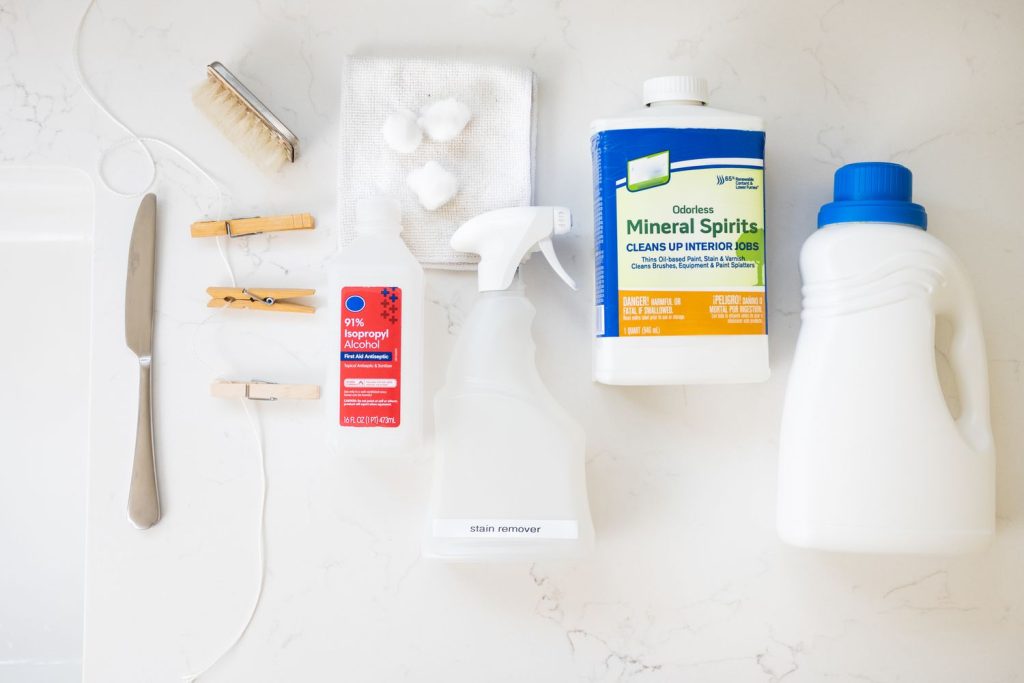
Quick answer: To get acrylic paint off clothes, act while it is still wet: scrape off excess, flush the back of the fabric with cold water, then work in dish soap and rinse until no color runs out. For dried acrylic, soften the stain with isopropyl alcohol (or hairspray containing alcohol) for a few minutes, scrape and scrub the softened paint away, then pretreat and launder as usual. Always test solvents on a hidden spot first, and check the stain is gone before using a dryer, because heat can set what remains.
Acrylic paint is water-based while wet, which is the good news. The bad news is that once it dries, it becomes a flexible plastic film that grips fabric fibers tightly. That is why speed matters so much: a fresh splash can often be rinsed out completely, while a dried stain may take patience and still leave a faint shadow.
This guide covers both situations, fresh and dried, with methods matched to different fabrics. It also explains why some fabrics should never meet certain solvents, and what to do with metallic and other specialty acrylics.
Is Acrylic Paint Washable on Clothes?
Only while it is wet. Wet acrylic paint is a water-based emulsion, so cold water and soap can lift it from fabric. As it dries, usually within 10 to 30 minutes for a thin smear, the binder fuses into a water-resistant film. Some acrylic paints are labeled washable, especially kids’ craft paints, and these are formulated to rinse out more easily. Standard artist and craft acrylics are not.
If you paint often, it is worth knowing that heavily pigmented artist-grade paints can leave stronger color stains than student paints. Our guide to the best acrylic paint brands notes which lines are artist-grade and which are student or craft quality, which is useful context if you are deciding what to use around kids or in a shared space.
Before You Start: Check the Fabric Label
The right method depends on what the garment is made of. Read the care tag first.
| Fabric | Safe approach | Avoid |
|---|---|---|
| Cotton, denim, linen | Cold water, dish soap, isopropyl alcohol, scrubbing | Hot water before the stain is gone |
| Polyester, nylon | Cold water, dish soap, alcohol tested on a hidden area | High heat, which can set paint and damage fibers |
| Acetate, triacetate, modacrylic | Cold water and mild soap only | Acetone and nail polish remover, which can dissolve these fibers |
| Wool, silk | Gentle blotting, cold water, mild detergent; consider a professional cleaner | Vigorous scrubbing, harsh solvents |
| Dry clean only | Blot excess, take to a cleaner and identify the stain as acrylic paint | Home solvents |
A small test spot on an inside seam or hem takes a minute and can save a favorite shirt from discoloration or damage.
How to Get Wet Acrylic Paint Out of Clothes
If the paint is still wet, you have the best chance of removing it entirely.
- Scrape off excess. Use a spoon, butter knife or palette knife to lift as much paint as possible. Do not rub, which pushes paint deeper into the weave.
- Flush from the back. Turn the fabric inside out and run cold water through the back of the stain. This pushes paint out the way it came in rather than through the fabric.
- Apply dish soap. Work a few drops of liquid dish soap into the stain with your fingers or a soft toothbrush. Dish soap is designed to break up oily and polymer residues.
- Rinse and repeat. Rinse with cold water and repeat until no more color washes out.
- Pretreat and launder. Apply a laundry stain remover and wash in cold or warm water according to the care label.
- Air dry and check. Let the garment air dry. If any stain remains, repeat before using a dryer.
Avoid hot water at this stage. Heat speeds up drying and can help paint bond to the fibers.
How to Get Dried Acrylic Paint Out of Clothes
Dried acrylic requires softening before it can be removed. The goal is to break down the polymer film enough to lift it from the fibers.
Method 1: Isopropyl Alcohol
Rubbing alcohol is the most commonly recommended solvent for dried acrylic on sturdy fabrics.
- Scrape off any raised paint with a dull knife.
- Place a folded towel or paper towels under the stain.
- Saturate the stain with isopropyl alcohol (70 percent or higher). Let it sit for a few minutes.
- Scrub with an old toothbrush or rub the fabric against itself. The paint should start to soften and flake.
- Blot and scrape away softened paint. Reapply alcohol as needed.
- Rinse with cold water, apply dish soap, and rinse again.
- Pretreat with a stain remover and launder.
Alcohol is flammable, so work in a ventilated area away from heat sources and flames.
Method 2: Alcohol-Based Hairspray
Some hairsprays contain enough alcohol to soften acrylic. Spray the stain generously, wait a minute or two, then scrub. This can work for small spots when you do not have rubbing alcohol, but results vary by product, and some hairsprays contain oils or resins that may leave their own residue.
Method 3: Acetone or Nail Polish Remover (Use With Caution)
Acetone is a strong solvent that can soften stubborn acrylic. It must never be used on acetate, triacetate or modacrylic fabrics, because it can dissolve them. It may also remove dyes from some colored fabrics. Test on a hidden area, use only a small amount on a cotton swab, and rinse thoroughly afterward. Many people prefer to avoid acetone altogether and rely on alcohol and patience.
Method 4: Window Cleaner and Ammonia
Some cleaners containing ammonia can help soften dried acrylic. Spray the stain, let it sit briefly, and scrub. Never mix ammonia-based products with bleach, which releases toxic gas.
Method 5: Freeze and Scrape
For thick, raised paint on sturdy fabric, placing the garment in the freezer for an hour can make the paint brittle enough to crack and flake off with a dull knife. This removes the bulk but usually leaves some color in the fibers that needs one of the methods above.
How to Get Metallic Acrylic Paint Out of Clothes
Metallic acrylics contain mica or other reflective particles in addition to pigment. The removal process is the same as for standard acrylic, but there are two differences to expect:
- Sparkle residue. After the color lifts, tiny shiny flecks may remain trapped in the weave. A lint roller or a strip of tape pressed and lifted repeatedly can remove many of them once the fabric is dry.
- More passes. The particles can lodge deeper in textured fabrics, so expect to repeat the alcohol and scrub steps several times.
Dish soap and a soft brush help loosen the particles during rinsing. Check the fabric under good light before drying, because sparkle is easy to miss when wet.
Quick Method Chooser
If you are not sure where to start, match your situation to the gentlest method likely to work, then move down the list only if needed.
| Situation | Start with | Escalate to |
|---|---|---|
| Fresh splash, any washable fabric | Cold water flush and dish soap | Laundry pretreatment |
| Small dried spot on cotton or denim | Isopropyl alcohol and toothbrush | Repeat soaks, then freeze and scrape for thick paint |
| Dried stain on polyester or nylon | Alcohol tested on a seam | Commercial paint stain remover |
| Any stain on acetate-family fabric | Cold water and mild soap | Professional cleaner |
| Wool, silk or dry clean only | Blot excess only | Professional cleaner |
What Not to Do
- Do not use hot water on a fresh stain. It speeds drying.
- Do not put the garment in the dryer until you are sure the stain is gone. Dryer heat can set remaining paint permanently.
- Do not rub a wet stain outward. This spreads paint over a larger area.
- Do not mix cleaning chemicals, especially bleach with ammonia or alcohol.
- Do not use acetone on synthetic acetate-family fabrics.
When a Stain Will Not Come Out
Sometimes a faint mark remains, especially on light-colored or loosely woven fabric after paint has dried for days. At that point, options include:
- A professional dry cleaner. Tell them the stain is acrylic paint and how old it is.
- Covering it creatively. Paint a small design over the stain using fabric paint or acrylic mixed with a fabric medium, turning a mistake into a feature.
- Designating it as painting clothing. Every artist needs at least one shirt they do not mind ruining.
Can You Use Acrylic Paint on Clothes on Purpose?
Yes, and the same permanence that makes stains hard to remove makes acrylic useful for fabric art. On its own, acrylic can dry stiff on fabric and may crack or fade after repeated washing. Mixing it with a textile or fabric medium, typically at a ratio listed on the medium’s label, makes the paint softer, more flexible and more wash-resistant.
How to Use Acrylic Paint on Clothes
- Prewash the garment without fabric softener, which can interfere with adhesion.
- Place cardboard inside the garment to prevent bleed-through.
- Mix acrylic paint with fabric medium according to the medium’s instructions.
- Paint your design, using thin layers rather than one heavy coat.
- Let it dry for at least 24 hours.
- Heat set if the fabric medium instructions call for it, usually by ironing on the reverse side with a cloth between the iron and the fabric.
- Wait several days before the first wash, then wash inside out in cold water.
Fabric Paint vs. Acrylic Paint on Clothes
| Feature | Fabric paint | Acrylic paint | Acrylic + fabric medium |
|---|---|---|---|
| Softness when dry | Soft, flexible | Can feel stiff | Softer and more flexible |
| Wash durability | Designed for washing | May crack or fade | Improved durability |
| Color range | Moderate | Very wide | Very wide |
| Ease of use | Ready to use | Ready to use | Requires mixing |
| Best for | Garments washed often | Decorative items, rarely washed | Custom colors on wearables |
Metallic Acrylic Paint for Clothes
Metallic acrylics can be used on fabric with a textile medium in the same way. Expect the metallic effect to soften somewhat with washing, and wash inside out to protect the surface.
Preventing Paint Stains in the First Place
- Wear an apron or a dedicated painting shirt.
- Roll up sleeves; cuffs drag through palettes easily.
- Keep a spray bottle of water and a rag nearby to treat splashes immediately.
- Choose washable paint for children’s projects.
- Close paint containers when not in use to reduce spills.
Brushes need the same quick attention as clothing. Rinse them before paint dries near the ferrule, and if paint does dry, soak just the bristles in isopropyl alcohol or a brush restorer before washing with soap. If you are interested in how a specific mid-range paint handles in everyday use, our Daler-Rowney acrylic paint review covers it in depth.
FAQs
Is acrylic paint washable on clothes?
Wet acrylic usually washes out with cold water and soap. Once dry, it becomes water-resistant and needs a solvent such as isopropyl alcohol to soften it before washing.
Can you use acrylic paint on clothes?
Yes. For the best results, mix it with a fabric or textile medium so it stays flexible and survives washing. Heat set the design if the medium’s instructions recommend it.
How do you get metallic acrylic paint out of clothes?
Use the same steps as standard acrylic: scrape, soften with alcohol, scrub with dish soap and rinse. Then remove remaining sparkle particles with a lint roller or tape once the fabric is dry.
Does vinegar remove acrylic paint from clothes?
Vinegar is sometimes suggested, but it is generally less effective than alcohol on dried acrylic. It may help loosen fresh paint along with soap, but test it first on colored fabric.
Will acrylic paint come out of clothes in the washing machine?
A machine wash alone rarely removes dried acrylic. Pretreat the stain first. Wash in cold water and air dry until you are sure the stain is gone.
Why is my acrylic paint peeling off fabric?
Plain acrylic without fabric medium can dry stiff and crack, especially if applied thickly. Using a textile medium, thinner layers and heat setting helps the paint stay bonded.
Next Step
Quick action is the most effective stain remover for acrylic: rinse wet paint from the back with cold water and soap, and soften dried paint with alcohol before scrubbing. Keep heat away until the stain is gone, and match your method to the fabric.
If you are shopping for paint and want to understand how student, craft and artist-grade acrylics differ in pigment strength and permanence, our comparison of acrylic paint brands across every price range explains what to expect from each.




One Comment