Daler-Rowney acrylics impress with strong pigment, smooth flow, and value.
You want bright color that covers fast, layers well, and does not wreck your budget. Maybe you paint on weekends, or you teach a class. Maybe you need a set that handles murals one day and small canvases the next. In this Daler-Rowney acrylic paint review, I break down the top System3, Simply, and FW ink sets. I explain real-world pros, the few trade-offs, and who each set fits best. By the end, you will know exactly which bundle matches your skill, surface, and style.

Daler Rowney System3 6-Tube Acrylic…
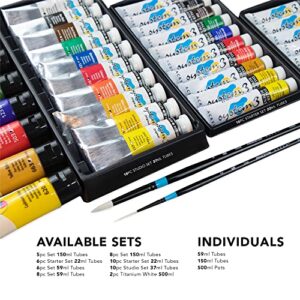
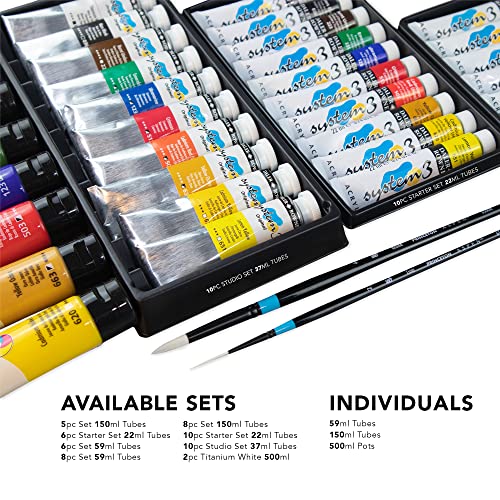
Vivid Acrylic Paints – Crafted with high-quality pigments, System3 acrylic paint tubes are vibrant professional acrylic paints suitable for students and artists alike Outstanding Performance – System3 is a fully…
Daler Rowney System3 10-Tube Acrylic…
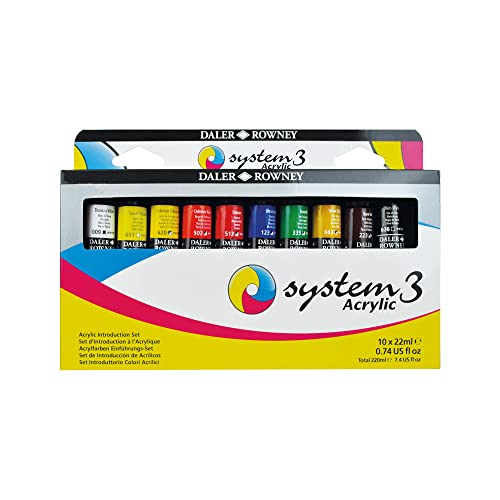
Vivid Acrylic Paints – Crafted with high-quality pigments, our acrylic paint tubes are vibrant professional acrylic paints suitable for students and artists alike Outstanding Performance – System3 is a fully…

Daler Rowney Simply Acrylic Paint…
Beginner Acrylic Set – Perfectly suited for those just starting out, this 40-piece set comes with 4 brushes, a color mixing guide, a handy metal carrying case and 34 highly…
System3 Acrylic Set, 6 Tubes

This core System3 6-tube set is a smart start for any studio. The colors are punchy and even, with a satin finish that looks clean on canvas. Viscosity sits in the sweet spot: thick enough to hold a stroke, yet fluid enough to blend. In my tests, it covered a gessoed panel with less paint than many student lines.
Dry time is quick but not rushed, so you can blend for a few minutes before it locks down. Once dry, layers take scrubbing and glazing without lifting. I also like how well these handle with water for thin washes. For the price, the pigment load stands out in this Daler-Rowney acrylic paint review.
Pros:
- Vibrant color with strong covering power
- Balanced viscosity for brush and knife
- Reliable film once dry, resists lifting
- Good open time for blending on small areas
- Great value for everyday studies and finished work
- Plays well with gels, pastes, and mediums
Cons:
- Small palette means more mixing for exact hues
- Satin sheen can vary slightly between colors
- Tubes run out fast if you paint large
My Recommendation
If you want a no-fuss starter that still feels pro, get this set. It is ideal for students, new painters, and any artist building a core palette. It handles murals, canvas, paper, and board with ease. In short, the System3 6-tube set anchors my Daler-Rowney acrylic paint review for balanced performance and price.
| Best for | Why |
|---|---|
| Beginners and students | Easy handling and strong color help you learn fast |
| Daily sketching and studies | Affordable tubes and quick, clean coverage |
| Mixed-media starters | Works with gels, pastes, and watercolor techniques |
System3 Acrylic Set, 10 Tubes

The System3 10-tube set steps up your palette range. You get the same smooth feel and fast, even coverage, with more mixing control. Extra colors reduce muddy mixes and cut time spent hunting for exact hues. On portraits and landscapes, subtle shifts become much easier.
Like the 6-tube set, this bundle keeps a satin finish and reliable film strength. I noticed crisp edges with tape masks and stencils. Dry layers accept glazing without streaking. If your projects keep growing, this is a smart upgrade in any Daler-Rowney acrylic paint review.
Pros:
- Wider palette reduces mixing guesswork
- Strong pigment for bold strokes and flat fills
- Good edge control with tape and masks
- Handles both detail brushes and palette knives
- Consistent satin sheen across most colors
- Great price-to-performance ratio for serious learners
Cons:
- Still not a full spectrum for advanced colorists
- Tubes can empty fast on murals or big canvases
- Some mixes may dry slightly darker than wet
My Recommendation
Pick this if you want flexible color without jumping to pro pricing. It is ideal for growing students, hobbyists with bigger projects, and teachers who need reliable sets. You gain control without losing speed. This 10-tube block is a highlight in my Daler-Rowney acrylic paint review for value and versatility.
| Best for | Why |
|---|---|
| Intermediate painters | Extra hues for cleaner mixes and faster results |
| Classrooms and workshops | Reliable quality that scales for group use |
| Detail and design work | Satin finish and crisp edges suit stencils and tape |
Simply Acrylic 40-Piece Set (Metal Case)

This 40-piece Simply Acrylic set packs many colors into a portable metal case. It is a true beginner bundle, made for quick starts and casual painting. The paint is more fluid and a bit lighter in pigment than System3. That makes it easy to blend and layer on paper and small canvases.
The case keeps tubes, brushes, and extras neat on the go. If you teach or travel, it is handy and tidy. You trade some opacity for convenience and range. Still, for learning and light projects, it earns a mention in any Daler-Rowney acrylic paint review.
Pros:
- Big color range for the price
- Portable metal case for travel and classes
- Easy-flow paint suits sketches and light washes
- Beginner friendly, low mess, low stress
- Good for paper, canvas boards, and craft projects
- Great gift set for new artists
Cons:
- Lower opacity than System3
- Colors can look less rich in thick layers
- Brushes and extras are basic quality
My Recommendation
Choose this if you want a complete starter kit that travels well. It is perfect for kids, casual makers, and anyone testing acrylics on a budget. You can learn the basics without fear of wasting paint. The Simply 40-piece set plays a clear role in this Daler-Rowney acrylic paint review as an entry-level, ready-to-go bundle.
| Best for | Why |
|---|---|
| New painters and kids | Many colors, easy flow, gentle learning curve |
| Travel and classes | Metal case keeps tools organized and safe |
| Crafts and small canvases | Simple handling suits light layers and quick projects |
System3 Acrylic 6-Tube Set (Alt Palette)

This alternate System3 6-tube palette often features different primaries or specialty hues. The paint body and finish match the standard System3 feel. You get the same smooth glide and tight film strength. If you like brighter accents or a warmer split primary, this palette helps.
Coverage remains high, with predictable drying and blending. I had good results on gessoed wood and primed canvas. Edges stay crisp for design work and signs. This variation earns a firm spot in my Daler-Rowney acrylic paint review for those who want a lean kit with a twist.
Pros:
- Alternate color choices for fresh mixes
- Same dependable System3 handling
- Good for signs, posters, and murals
- Strong coverage on primed surfaces
- Dries to a solid, scuff-resistant film
- Pairs well with the standard 6- or 10-tube sets
Cons:
- Limited range if you need many neutrals
- Special hues may not suit classic palettes
- Still small tubes for large projects
My Recommendation
Pick this if you want a compact kit with bolder or warmer options. It is a great add-on to the standard System3 sets and shines in sign work and bright abstracts. I reach for it when I want pop without hauling a full rack. It rounds out the Daler-Rowney acrylic paint review as a tight, creative palette.
| Best for | Why |
|---|---|
| Design and signage | Crisp edges and bold colors grab attention |
| Travel palettes | Lean kit with smart, high-impact hues |
| Add-on to core set | Complements standard primaries for richer mixes |
FW Acrylic Ink 6-Color Set + Marker

FW Acrylic Ink is a different beast: liquid, high-intensity, and permanent once dry. It pours, sprays, and draws like a dream, and the included empty marker adds tidy line work. I use it for calligraphy, urban sketching, and detail in mixed-media. The color is bright and stays put under varnish.
Use it with brushes, dip pens, airbrushes, or refillable markers. On watercolor paper and primed canvas, it holds edges well. It blends in wet-into-wet stages and dries to a tough film. For line, washes, and experimental layers, FW inks earn praise in any Daler-Rowney acrylic paint review.
Pros:
- High-intensity color in a fluid format
- Works with pens, markers, airbrush, and brushes
- Dries waterproof and film-strong
- Great for calligraphy, line work, and glazing
- Plays well with acrylic paints and mediums
- Included empty marker adds clean, refillable lines
Cons:
- Can stain tools if left to dry
- Less forgiving for thick impasto styles
- Needs shake and care to prevent nozzle clogs
My Recommendation
Choose FW inks if you love bright lines, fluid textures, or calligraphy. They bridge paint and ink in a way that sparks ideas. Pair them with System3 for line-first art or rich glazes. They complete the Daler-Rowney acrylic paint review by covering the fluid, permanent-ink niche many artists crave.
| Best for | Why |
|---|---|
| Calligraphy and lettering | Clean flow, permanent lines, and bright color |
| Mixed-media detail | Layers over acrylic paint without lifting |
| Airbrush and wash effects | Liquid body suits spraying and fluid blends |
Daler-Rowney Acrylic Lines Explained
System3 sits in the performance sweet spot. It offers high pigment, a balanced body, and a clean satin finish. You can cover big areas fast and still keep detail. It is my go-to line for daily studio work on a budget.
Simply Acrylic is a student range. It is more fluid and a touch less opaque, which helps beginners. It shines in paper studies, crafts, and travel kits. The big sets are great for color exploration.
FW Acrylic Ink is liquid and permanent. Think of it as acrylic paint that flows like watercolor but locks like acrylic. It is perfect for line, glazing, and mixed-media. These three ranges cover most needs in a single brand.
In this Daler-Rowney acrylic paint review, I test all three lines. I look at flow, coverage, dry time, and film strength. The goal is a clear, honest guide to help you choose the right set. Skill level and surface matter, so match the line to your plan.
How I Tested and What Matters Most
I used gessoed canvas, canvas board, watercolor paper, and primed wood. I laid flat fills, blended gradients, and layered glazes. I taped sharp edges and tested lift with soft scrubbing. I also checked how each set plays with gels and mediums.
Key factors drive this Daler-Rowney acrylic paint review. Pigment strength decides how fast you reach the color you see. Viscosity sets the feel for detail or knife work. Dry time affects blends and layer speed.
Film strength matters if you paint murals or sand layers. Finish affects glare in photos and how colors read. Compatibility with mediums opens special effects. Each set performed as expected for its level.
- Pigment: How much paint to reach full coverage
- Flow: Smoothness on brush and knife
- Open time: Minutes of wet blend on the surface
- Film: Strength after fully dry and cured
- Finish: Satin or matte look under light
- Mixing: Clean mixes without mud
Tips to Get the Most from Daler-Rowney Acrylics
- Prime your surface with gesso for better grip and color pop.
- Mist your palette lightly to extend open time without over-thinning.
- Use glazing medium for transparent layers and clean color shifts.
- For crisp edges, burnish tape before painting and peel at a low angle.
- Warm colors often dry a bit darker; test small swatches first.
- Clean brushes fast—acrylic dries permanent on bristles.
- For murals, seal with a compatible varnish after full cure.
Color Mixing and Palette Ideas
With System3, a split primary palette works well. Try warm and cool pairs of red, yellow, and blue. This yields clean greens, oranges, and violets. Add a neutral like burnt umber for fast value studies.
In the Simply range, lean on white for tints and mid-tones. Layer thin to avoid chalky mixes. Keep a limited palette for practice. This builds skill and keeps mixes clean.
For FW inks, try a triad for bright glazes. Use the empty marker for lines after washes dry. Blend wet-into-wet for soft fades. You can finish with System3 highlights for a hybrid look.
Care, Cleanup, and Safe Use
Acrylics are water-based when wet, so clean tools fast. Use mild soap and cool water. Avoid hot water on brushes; it can set paint in the ferrule. Wipe palettes before paint dries.
For FW inks, cap bottles right after use. Shake before each session to keep pigment even. Rinse pens and markers if flow slows. Store bottles upright to prevent leaks.
If you varnish, wait for full cure. A week is safe for thin layers; longer for thick ones. Use a compatible acrylic varnish for best results.
Common Mistakes and Simple Fixes
- Paint beads on surface: Add another gesso coat or sand lightly.
- Muddy mixes: Use fewer pigments and clean the brush often.
- Streaky flat areas: Add a touch of medium and use a soft, wide brush.
- Edges bleed under tape: Seal tape edge with clear medium, then color.
- Loss of vibrancy: Glaze a transparent layer to revive depth.
FAQs Of Daler-Rowney acrylic paint review
Are Daler-Rowney System3 paints good for beginners?
Yes. They balance pigment, flow, and price very well. Beginners get clean color and easy handling with room to grow.
How do Simply Acrylic paints compare to System3?
Simply is more fluid and less opaque. It suits casual work and learning. System3 offers richer coverage and stronger films.
Can I use FW Acrylic Ink with regular acrylics?
Yes. Use inks for lines, glazes, and washes. Layer System3 over or under for mixed-media results that hold.
Do these paints work on murals and outdoor art?
System3 can work on primed walls. Seal with a suitable varnish after curing. Always test small areas first.
What mediums work best with System3?
Glazing, gel, and modeling paste all work well. Choose gloss or matte to match your finish goals.
Final Verdict: Which Should You Buy?
For most artists, the System3 10-tube set is the best pick. It balances color range, strong pigment, and fair price. In this Daler-Rowney acrylic paint review, it stands out for day-to-day work.
Want a travel kit? Grab the Simply 40-piece set. Need fluid detail? The FW ink set wins. This Daler-Rowney acrylic paint review points you to the right tool for your style.