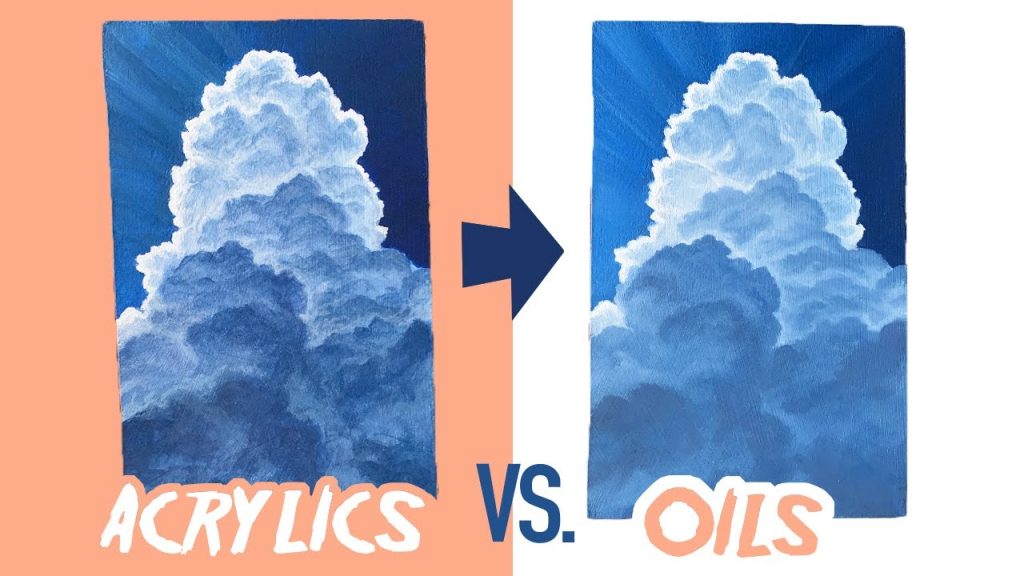
Oil paint offers rich textures and slow drying times, while acrylic paint dries quickly and is water-soluble. Both have unique benefits suited to different artistic needs.
Oil and acrylic paints are popular among artists for various reasons. Oil paint, known for its vibrant colors and smooth blending abilities, allows artists to work on details over extended periods. Acrylic paint, on the other hand, is favored for its quick drying time and versatility.
It can mimic the appearance of both watercolor and oil paint, depending on the technique used. Artists often choose between these paints based on their specific project needs, desired effects, and working habits. Understanding the fundamental differences can help you make an informed decision for your next art project.
The History And Evolution Of Oil And Acrylic Paints
Oil and acrylic paints have rich histories. Both have unique origins and evolution. This section explores the journey of these popular paints.
Origins Of Oil Paint
Oil paint dates back to ancient times. It gained popularity in the 15th century. Artists loved its versatility and durability. Oil paint allowed for detailed work and vibrant colors. Famous artists like Leonardo da Vinci used oil paint. The paint consists of pigments mixed with oils. Linseed oil is a common choice. The slow drying time of oil paint is a key feature. It allows artists to blend and layer colors easily.
The Advent Of Acrylics
Acrylic paint is a modern invention. It emerged in the 20th century. Acrylics gained popularity quickly. They offered new possibilities for artists. The paint is made from pigment suspended in acrylic polymer. Acrylics dry fast, unlike oils. This quick drying time is beneficial for many artists. Acrylic paint is also water-soluble when wet. Once dry, it becomes water-resistant. This makes acrylics very versatile.
| Aspect | Oil Paint | Acrylic Paint |
|---|---|---|
| Drying Time | Slow | Fast |
| Medium | Oil | Acrylic Polymer |
| Solubility | Non-water soluble | Water-soluble (when wet) |
- Oil Paint: Popular in the 15th century, allows detailed work.
- Acrylic Paint: Emerged in the 20th century, dries quickly.
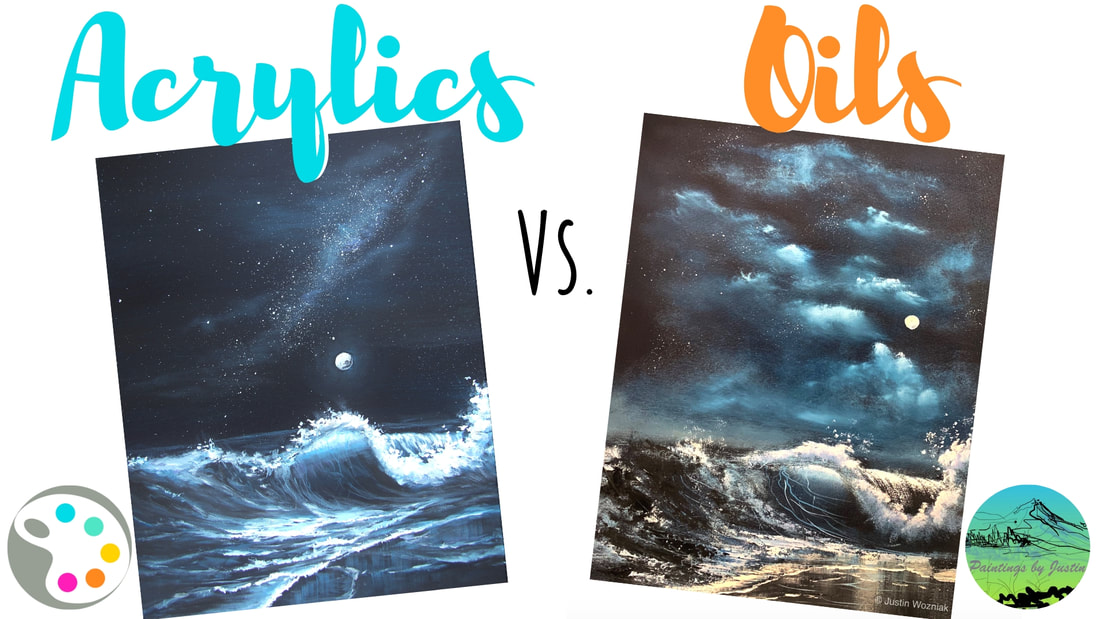
Credit: createfulart.com
Physical Properties: A Comparative Analysis
Oil paint and acrylic paint differ in many ways. These differences impact their use, feel, and outcome. Understanding the physical properties can help you choose the right paint for your project.
Oil Paint Characteristics
Oil paint offers rich, vibrant colors. It has a slow drying time which allows for blending and layering. These paints are known for their long-lasting finish and depth.
- Drying Time: Oil paint can take days or weeks to dry.
- Texture: It has a thick, buttery texture.
- Finish: Provides a glossy, smooth finish.
Oil paint requires solvents for cleaning brushes and thinning paint. The smell can be strong and potentially harmful. It is best used in a well-ventilated area.
Acrylic Paint Characteristics
Acrylic paint dries quickly, often within minutes. This allows for fast layering and quick project completion. It is water-soluble, making it easy to clean with water.
- Drying Time: Acrylic paint dries in a matter of minutes.
- Texture: It can be thinned with water for a smooth texture.
- Finish: Offers a matte or satin finish, depending on the medium used.
Acrylic paint is less toxic and odorless. It is suitable for indoor use and safe for children. It adheres to many surfaces, including canvas, wood, and paper.
| Property | Oil Paint | Acrylic Paint |
|---|---|---|
| Drying Time | Days to weeks | Minutes |
| Texture | Thick and buttery | Can be thinned |
| Finish | Glossy | Matte or satin |
| Cleaning | Solvents required | Water |
| Odor | Strong | Odorless |
| Surface Compatibility | Canvas | Multiple surfaces |
Both oil and acrylic paints offer unique benefits. Your choice depends on your needs and project requirements.
Drying Times: Patience Versus Promptness
Understanding the drying times of oil and acrylic paints is crucial. This knowledge helps artists choose the right medium for their work. Each paint type has unique drying characteristics. These characteristics affect the painting process and final result.
Oil Paint Drying Process
Oil paints are known for their slow drying times. This allows artists to work on their paintings over several days. The slow drying time lets artists blend colors smoothly. This is ideal for creating gradients and soft transitions.
Oil paints can take days, weeks, or even months to dry fully. The drying time depends on the thickness of the paint and the environment. Humidity and temperature can affect the drying process. This slow drying time offers flexibility but requires patience.
Acrylic Paint Drying Process
Acrylic paints dry very quickly. This is perfect for artists who want to finish their work fast. Acrylics can dry within minutes to a few hours. The drying time depends on the thickness of the paint and environmental factors.
Quick drying times make layering easier and faster. Artists can apply multiple layers in a short period. This is great for creating complex textures and details. Acrylics are ideal for artists who prefer promptness over patience.
| Paint Type | Drying Time | Best For |
|---|---|---|
| Oil Paint | Days to months | Smooth blending and gradients |
| Acrylic Paint | Minutes to hours | Quick layering and details |
Color Dynamics And Pigmentation
Understanding color dynamics and pigmentation is vital for artists. Both oil paint and acrylic paint offer unique benefits. Each type has distinct characteristics in terms of color richness and vividness.
Oil Paint Color Richness
Oil paint is known for its rich colors. The pigments in oil paints are deep and vibrant. Artists love the luxurious feel it provides. The colors remain intense over time. Oil paint offers a range of shades and tones. Mixing colors is easier and smoother. This allows for creating subtle gradients. Oil paints take time to dry, which helps in blending colors.
Acrylic Paint Vividness
Acrylic paint is famous for its vividness. The colors are bright and striking. Acrylics dry quickly, which is suitable for layering. The pigments in acrylics are versatile. They maintain their brightness even when dry. Acrylics can mimic the texture of oils. They can also be thinned to resemble watercolors. Artists appreciate the flexibility of acrylics. This makes them ideal for various techniques.
| Feature | Oil Paint | Acrylic Paint |
|---|---|---|
| Color Depth | Rich and Intense | Bright and Vivid |
| Drying Time | Slow | Fast |
| Blending Ability | Excellent | Good |
| Versatility | Limited | High |
Durability And Longevity In Artworks
Durability and longevity are crucial in deciding between oil and acrylic paints. Artists want their work to last and look good for years.
Oil Paint Aging
Oil paint has been used for centuries. It is known for its exceptional longevity. Over time, oil paintings can develop a yellowish tint. This is due to the oxidation process. But, this can be slowed with proper care.
Oil paint dries slowly. This allows for blending and detailed work. But, it also makes the paint more prone to cracking. This can occur if the paint is applied too thickly.
Key Points:
- Long drying time
- Rich, vibrant colors
- Prone to yellowing
- Risk of cracking
Acrylic Paint Stability
Acrylic paint is a newer medium. It is known for its excellent stability. Unlike oil paint, acrylics do not yellow over time. They dry quickly, usually within hours.
Acrylic paint is flexible once dry. This reduces the risk of cracking. It is also water-resistant when dry, offering good protection against moisture.
Key Points:
- Quick drying time
- Stable and durable
- Does not yellow
- Flexible and water-resistant
| Feature | Oil Paint | Acrylic Paint |
|---|---|---|
| Drying Time | Slow | Fast |
| Color Stability | Prone to yellowing | Stable, no yellowing |
| Flexibility | Less flexible, prone to cracking | More flexible, less cracking |
| Water Resistance | Moderate | High |
Ease Of Use And Accessibility
Choosing between oil and acrylic paint can be difficult. Both have unique qualities. Understanding their ease of use and accessibility helps in making a decision.
Working With Oil Paint
Oil paint is loved for its rich texture and vibrant colors. It offers a slow drying time, which allows for blending and detailed work. Artists can work on a piece for days without the paint drying. This makes it ideal for intricate details.
However, oil paints require solvents like turpentine for cleaning brushes. These chemicals can be harsh and have strong odors. Oil paints also need a well-ventilated area due to fumes. This can be a drawback for some artists.
Here are some key points about oil paint:
- Rich texture and vibrant colors
- Slow drying time, ideal for blending
- Requires solvents for cleaning
- Needs a well-ventilated workspace
Oil paints are often seen as more traditional. They have been used by many famous artists throughout history.
Working With Acrylic Paint
Acrylic paint is known for its versatility and quick drying time. This fast drying can be beneficial for artists who like to work quickly. Acrylics can be used on various surfaces, including canvas, wood, and paper.
Acrylic paints are water-based, so they are easy to clean with just water. This makes them more accessible for beginners and kids. They also have little to no odor, making them safer for indoor use.
Here are some key points about acrylic paint:
- Versatile and quick drying
- Can be used on many surfaces
- Easy to clean with water
- Little to no odor
Acrylic paints are often used in schools and for craft projects. They are a great choice for beginners and professionals alike.
Environmental Considerations And Safety
When choosing between oil paint and acrylic paint, environmental considerations and safety play a crucial role. Let’s explore the potential impact and safety concerns of both types of paints to help you make an informed decision.
Oil Paint Toxicity And Disposal
Oil paints often contain toxic chemicals. These include heavy metals like cadmium and lead. These chemicals can harm the environment. Disposing of oil paint needs special care. Avoid pouring it down the drain.
Proper disposal methods include:
- Taking leftovers to a hazardous waste facility.
- Using a paint hardener for safe disposal.
Oil paint also emits volatile organic compounds (VOCs). VOCs contribute to air pollution and health issues. Proper ventilation is necessary when using oil paints.
Acrylic Paint Environmental Impact
Acrylic paints are water-based and less toxic. They do not contain harmful heavy metals. This makes them safer for both the user and the environment.
Acrylics have a lower VOC content compared to oils. This results in fewer air quality concerns.
Disposing of acrylic paint is easier. You can rinse brushes and tools with water. Ensure you filter out solid paint particles before disposal.
Despite being safer, acrylics are made from plastics. This means they contribute to microplastic pollution. Mindful disposal and recycling are essential.
| Aspect | Oil Paint | Acrylic Paint |
|---|---|---|
| Toxicity | Contains toxic chemicals | Less toxic, water-based |
| VOC Emission | High | Low |
| Disposal | Hazardous waste facility | Water rinse, mindful disposal |
| Environmental Impact | Air pollution | Microplastic pollution |

Credit: www.classpop.com
Choosing The Right Medium For Your Project
Choosing between oil paint and acrylic paint can be tough. Each medium offers unique qualities. Understanding these can help you pick the right one for your project.
Factors Influencing Medium Choice
Several factors can influence your decision. These include drying time, texture, and ease of use.
- Drying Time: Oil paint dries slowly. Acrylic paint dries quickly.
- Texture: Oil paint has a rich texture. Acrylic paint can be smooth or textured.
- Ease of Use: Acrylic paint is easier for beginners. Oil paint needs more skills.
Professional And Amateur Perspectives
Professionals and amateurs often have different needs and preferences. Let’s explore these perspectives.
| Aspect | Professionals | Amateurs |
|---|---|---|
| Control | Oil paint offers more control. | Acrylic paint is easier to handle. |
| Flexibility | Oil paint is flexible for blending. | Acrylic paint is flexible for layering. |
| Learning Curve | Oil paint has a steep learning curve. | Acrylic paint has a gentle learning curve. |
Both mediums have their strengths. Knowing what you need can help you make the right choice.
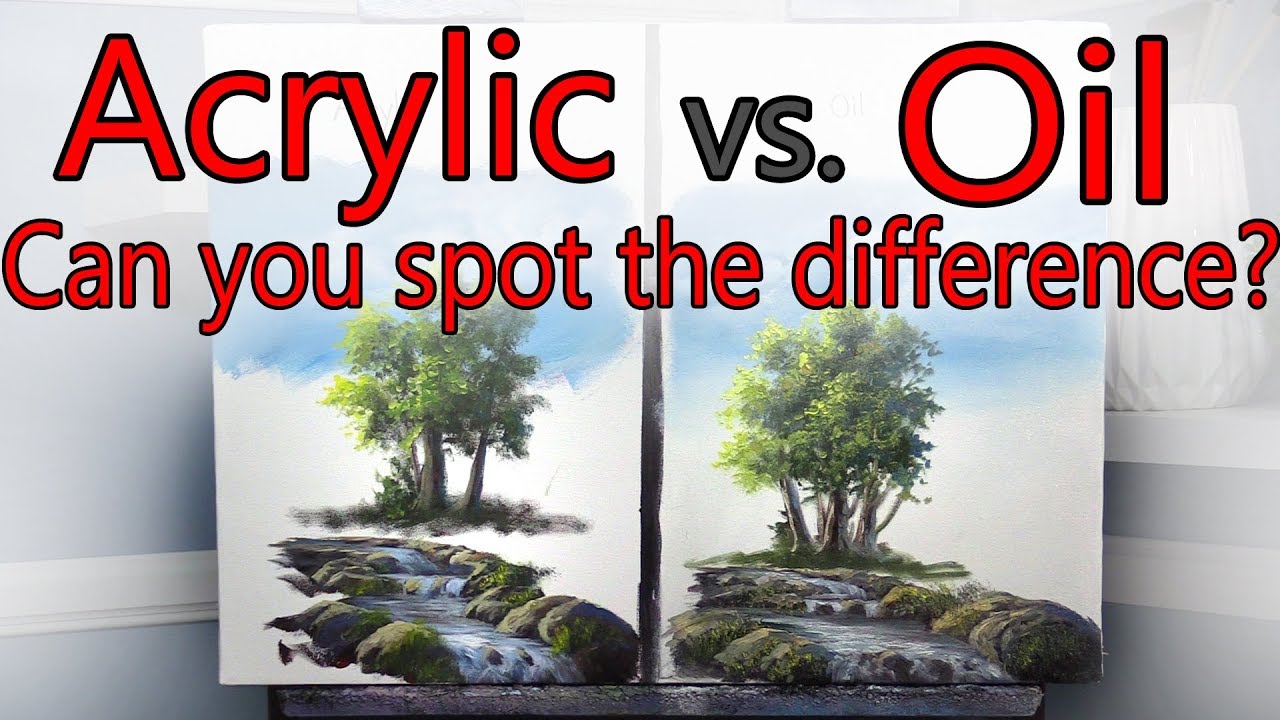
Credit: m.youtube.com
Frequently Asked Questions
Is Oil Paint Better Than Acrylic?
Oil paint offers rich textures and longer blending time. Acrylic dries faster and is more versatile. Choose based on your needs.
Do Professional Painters Use Oil Or Acrylic?
Professional painters use both oil and acrylic paints. Oil paints offer rich textures and slow drying times. Acrylic paints dry quickly and are versatile. The choice depends on the project and desired effect. Both types have their unique advantages and applications.
What Is A Disadvantage Of Using Acrylic Paint Instead Of Oil Paint?
Acrylic paint dries quickly, limiting blending time. This can be challenging for artists who prefer slower, detailed techniques.
Which Lasts Longer Acrylic Or Oil Paint?
Oil paint lasts longer than acrylic paint. It resists fading and yellowing better over time, ensuring durability.
What Is The Main Difference Between Oil And Acrylic Paint?
Oil paint dries slowly, allowing for blending. Acrylic paint dries quickly, making it ideal for layering.
Which Paint Is Better For Beginners?
Acrylic paint is better for beginners. It is easy to use, quick-drying, and less toxic than oil paint.
Can You Mix Oil And Acrylic Paints?
No, you cannot mix oil and acrylic paints. They have different bases and drying times, leading to poor results.
Which Paint Lasts Longer, Oil Or Acrylic?
Oil paint lasts longer than acrylic. It is more durable and resistant to environmental factors over time.
Conclusion
Choosing between oil and acrylic paint depends on your needs and preferences. Oil paints offer rich texture and blending capabilities, ideal for detailed work. Acrylics dry faster, are versatile, and easier to clean. Both have unique benefits, so experiment with both to find your perfect medium.
Happy painting!