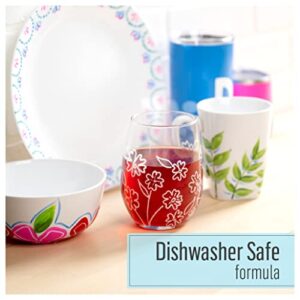
Quick answer: Glaze in ceramics is a thin coating of glass that is fused onto clay during firing. Before firing it is a liquid or powder mix of silica (the glass former), fluxes that lower its melting point, and alumina that stiffens the melt, plus colorants. In the kiln those ingredients melt and bond to the clay surface, creating a hard, often waterproof layer that can be glossy, satin or matte and in almost any color.
Pick up a glossy coffee mug, a speckled stoneware bowl or a crackled raku vase and the surface you touch is glaze. It is what makes pottery smooth to the lips, easier to clean, and colorful in ways bare clay cannot be. Yet glaze is not paint. It is closer to a recipe for glass that only becomes glass in a kiln.
This guide explains what glaze in ceramics is, what it is made of, how it transforms during firing, the main types, how to apply it, and the problems beginners most often meet. If you are choosing glazes for craft or studio projects, our guide to the best glazes for ceramic crafts sorts options by firing range, finish and ease of use.
What Is Glaze in Pottery? A Plain Definition
A ceramic glaze is a layer of glass, typically a fraction of a millimeter thick, that is chemically and physically bonded to a clay body by heat. Before firing, glaze looks like colored mud or creamy liquid. After firing to the right temperature, it becomes a continuous vitreous coating.
Glaze does three main jobs:
- Function: it seals porous clay (especially low-fire earthenware) so pots can hold liquids and are easier to clean.
- Durability: a well-fitted glaze resists scratching and staining better than bare clay.
- Decoration: it adds color, texture, depth and gloss.
What Is Glaze Made Of?
Nearly every glaze recipe balances three groups of ingredients. Potters often describe these using the Unity Molecular Formula (UMF), but the basic idea is simple.
| Component | Role | Common sources |
|---|---|---|
| Silica (glass former) | Forms the glass network | Flint/silica, quartz, feldspars, frits |
| Fluxes (melters) | Lower the melting point of silica | Feldspars, whiting (calcium carbonate), dolomite, talc, wollastonite, frits, lithium and boron compounds |
| Alumina (stabilizer) | Stiffens the melt so glaze does not run off, improves durability | Kaolin, ball clay, feldspars |
| Colorants | Create color | Iron oxide, cobalt carbonate or oxide, copper carbonate, chrome oxide, manganese, commercial stains |
| Opacifiers | Make glaze opaque or white | Zircon (zirconium silicate), tin oxide, titanium dioxide |
| Additives | Help suspension and application | Bentonite, CMC gum, flocculants |
Pure silica melts at a temperature far above what pottery kilns reach. Fluxes are what make glaze possible in practice, pulling the melting point down into the range of a typical kiln. Alumina keeps the molten glass viscous enough to stay put on a vertical surface.
What Are Frits?
Many commercial glazes rely on frits, which are ingredients that have been pre-melted into glass, cooled and ground. Fritting locks soluble or hazardous materials into a more stable form and gives predictable melting. Low-fire commercial glazes typically contain a large proportion of frit.
How Glaze Turns Into Glass in the Kiln
Understanding the firing sequence explains why glaze behaves as it does.
- Drying: water evaporates and the glaze becomes a powdery coating on the bisque.
- Burnout: organic gums and any carbon in the clay burn off as the kiln warms.
- Sintering: particles begin to stick together.
- Melting: fluxes start to react with silica and alumina, forming a glassy melt.
- Maturing: the glaze fully melts, flows slightly, heals pinholes and bonds with the clay surface at the interface.
- Cooling: the melt solidifies into glass. Cooling speed affects crystal growth, which influences matte or glossy surfaces.
Every glaze has a firing range, described in pyrometric cones. A cone 06 glaze matures at a low temperature, while a cone 10 glaze needs a much hotter kiln. Firing a glaze below its range leaves it dry and rough; firing above it can make it run off the pot.
Oxidation vs Reduction: Why the Same Glaze Can Look Different
The atmosphere inside the kiln changes glaze color as much as the recipe does. Electric kilns, which most home and school studios use, fire in oxidation: there is plenty of oxygen around the ware. Gas or wood kilns can be run in reduction, where the burners are adjusted to starve the kiln of oxygen during part of the firing.
Colorant oxides respond to that difference. Copper, for instance, tends toward greens in oxidation but can produce reds in reduction. Iron gives ambers and browns in oxidation and can produce the soft blue-greens of celadon in reduction. That is why a glaze described as a “reduction” recipe may look flat or entirely different when fired in an electric kiln. When choosing glazes, check that they are formulated for the kind of kiln you will use.
How to Read a Commercial Glaze Label
A jar of commercial glaze typically carries several pieces of information that answer most beginner questions before you open it:
- Cone range: the firing temperature, such as cone 06 or cone 5–6. This must match your clay.
- Application: whether it is a brushing, dipping or spraying glaze, and how many coats to use.
- Surface: gloss, satin or matte; transparent, semi-opaque or opaque.
- Food-safety statement: whether the maker considers it suitable for dinnerware when fired as directed.
- Safety seal and warnings: such as an ACMI seal or cautionary text for handling.
- A fired swatch: often shown on the label or chart, usually on white clay; results on darker clay will differ.
Types of Ceramic Glaze
By Firing Temperature
| Range | Typical cones | Clay pairing | Character |
|---|---|---|---|
| Low fire | Cone 06 to 04 | Earthenware, terracotta, low-fire whiteware | Bright, predictable colors; common in classrooms and paint-your-own studios |
| Mid range | Cone 5 to 6 | Mid-fire stoneware and porcelain | Durable, wide color range; popular with home and community studios |
| High fire | Cone 9 to 10 | High-fire stoneware and porcelain | Subtle, earthy, often reduction-fired effects |
By Surface
- Glossy: fully melted, smooth and reflective.
- Satin: soft sheen from some crystal formation.
- Matte: low sheen from microcrystals or a higher alumina ratio. Well-formulated mattes can still be durable; poorly formulated ones may be rough or less resistant to staining.
By Visual Effect
- Transparent (clear): shows the clay or underglaze decoration beneath.
- Opaque: hides the clay body.
- Celadon: pale, often green or blue glazes from small amounts of iron, traditionally in reduction.
- Tenmoku: dark, iron-rich glazes that break brown at edges.
- Shino: traditionally high-fire glazes with orange flashing and carbon trapping.
- Crackle: intentional crazing for decorative crack patterns.
- Crystalline: visible crystal growths from special recipes and controlled cooling.
- Flowing / reactive: glazes that move and break over texture, often layered.
- Ash glazes: made with wood ash as a flux, giving runny, organic surfaces.
Glaze vs Underglaze vs Overglaze
These terms confuse many beginners. Underglaze is a colored clay-based slip painted onto greenware or bisque, usually covered with clear glaze. It does not melt into glass on its own and stays put, which makes it ideal for detailed painting. Glaze is the glassy top layer. Overglaze (china paint, lusters, decals) is applied over fired glaze and fired again at a lower temperature. Our guide on glaze vs underglaze explains when to use each.
How to Apply Glaze
Most glaze goes on bisqueware, clay that has been fired once to a low temperature so it is hard but still porous. The porous surface soaks up water from the glaze, leaving a coating behind.
Preparation
- Wipe the bisque with a damp sponge to remove dust and oils from hands.
- Wax the foot ring and the bottom 1/4 inch of the pot with wax resist so glaze does not fuse the pot to the kiln shelf.
- Stir the glaze thoroughly. Dipping glazes settle in the bucket; brushing glazes in jars need shaking or stirring.
Application Methods
| Method | How it works | Best for |
|---|---|---|
| Dipping | Submerge pot in glaze for a few seconds | Even coats, production work |
| Pouring | Pour glaze inside and over the outside | Interiors, large pieces |
| Brushing | Apply two to three coats with a soft fan or mop brush | Commercial brushing glazes, beginners, classrooms |
| Spraying | Spray with a glaze gun in a booth | Gradients, large forms; requires ventilation and respirator |
| Sponging and trailing | Dab or squeeze glaze in patterns | Decoration and layering |
Thickness
Glaze thickness matters more than many beginners expect. Too thin, and the fired surface can look dry or patchy. Too thick, and it can run, crawl or craze. For brushing glazes, many manufacturers recommend two to three even coats, letting each lose its sheen before the next. For dipping glazes, potters often aim for a dip of around three seconds, adjusted for the glaze’s specific gravity.
Firing
Fire to the cone listed on the glaze label, which must match the clay’s maturing range. Load glazed pieces so they do not touch each other or the kiln walls.
Common Glaze Defects and What Causes Them
| Defect | What it looks like | Usual causes |
|---|---|---|
| Crazing | Fine crack network in the glaze | Glaze shrinks more than the clay on cooling (expansion mismatch) |
| Shivering | Glaze flakes off edges | Glaze shrinks less than clay; opposite of crazing |
| Crawling | Glaze pulls into beads leaving bare patches | Dust or oil on bisque, glaze too thick, high shrinkage glaze |
| Pinholes | Tiny holes in surface | Gases escaping late in the firing, underfiring, thick application |
| Running | Glaze drips onto shelf | Overfiring, too thick, highly fluid glaze |
| Blistering | Bubbles or craters | Overfiring or too thick |
| Dry or rough surface | Glaze looks unmelted | Underfiring or too thin |
Is Ceramic Glaze Food Safe?
Glazes can be food safe, but it depends on the recipe, application and firing. A properly formulated and fired glaze is durable and does not leach significant amounts of its components. Problems arise with underfired glazes, unstable recipes, certain colorants such as some copper or manganese combinations in poorly balanced recipes, or historic lead-based glazes.
Commercial glazes are typically labeled for food safety when used as directed. Many US manufacturers indicate whether a glaze is considered dinnerware-safe. Crazed glazes on porous clay can harbor bacteria and may not be suitable for functional ware. If you mix your own glazes, testing for durability and leaching is the reliable way to confirm safety.
Glaze Safety in the Studio
- Wear a well-fitting respirator rated for fine particles when mixing dry glaze materials.
- Clean with wet methods (sponging, mopping), not sweeping, to avoid raising silica dust.
- Wear gloves when handling glazes with colorants or soluble materials.
- Ventilate kilns properly; firing releases fumes from organics and some glaze materials.
- Do not eat or drink in the glazing area.
Can You Glaze Without a Kiln?
True ceramic glaze needs kiln heat to turn into glass. For air-dry clay or projects without kiln access, crafters use acrylic paints, sealers and resin-based “glaze effect” coatings. These can look glossy and attractive, but they are not ceramic glaze and generally should not be used for food or drink contact. Some paint-your-own-pottery studios and community centers offer kiln firing services if you want genuine glazed pieces.
Tips for Beginners
- Start with commercial brushing glazes in your clay’s firing range.
- Make test tiles for every glaze on your clay body, including vertical tiles to check for running.
- Keep notes: glaze, number of coats, clay, cone and kiln position.
- Layer glazes only after testing, since combinations can run or change color dramatically.
- Leave the bottom unglazed or waxed.
- Be patient with results; glaze color before firing often looks nothing like the final color.
FAQs
What is glaze in pottery made from?
Glaze is made from silica (the glass former), fluxes such as feldspar or whiting that lower the melting point, alumina from clay that stabilizes the melt, plus colorants and opacifiers.
Why do you glaze ceramics?
Glaze seals porous clay so it can hold liquids, makes surfaces smoother and easier to clean, increases durability and adds color and finish.
How do you apply glaze to pottery?
Apply glaze to clean bisqueware by dipping, pouring, brushing or spraying. Wax the foot first, apply an even coat of the right thickness, then fire to the cone on the label.
What is the difference between glaze and paint?
Paint dries by evaporation or curing and stays as a film on top. Glaze melts in a kiln and fuses into a layer of glass bonded to the clay.
Can you glaze greenware?
Some potters single-fire by glazing greenware, but it requires careful technique because raw clay is fragile and absorbs water differently. Most beginners glaze bisqueware.
What happens if glaze is too thick?
Thick glaze may run onto the kiln shelf, crawl, blister or craze. Follow recommended coat counts and test on tiles first.
Final Thoughts
Glaze in ceramics is glass by design: silica, fluxes and alumina, mixed with color and fired until they melt into a durable skin on the clay. Once you understand firing ranges, thickness and testing, the rest is creative experimentation. To find glazes that match your clay and kiln, explore our selection of ceramic glazes for crafts and beginner pottery.