Are you wondering what you can create with acrylic paint? Whether you’re a beginner or looking to try something new, acrylics offer endless possibilities.
You can paint on canvas, wood, fabric, glass, and even rocks. Imagine turning a plain flower pot into a colorful masterpiece or designing your own custom t-shirt. Acrylic paint dries quickly and is easy to clean up, making it perfect for all skill levels.
You’ll discover exciting ideas and surfaces to paint on that will inspire your creativity and help you make the most of your acrylic paints. Ready to bring your ideas to life? Keep reading!
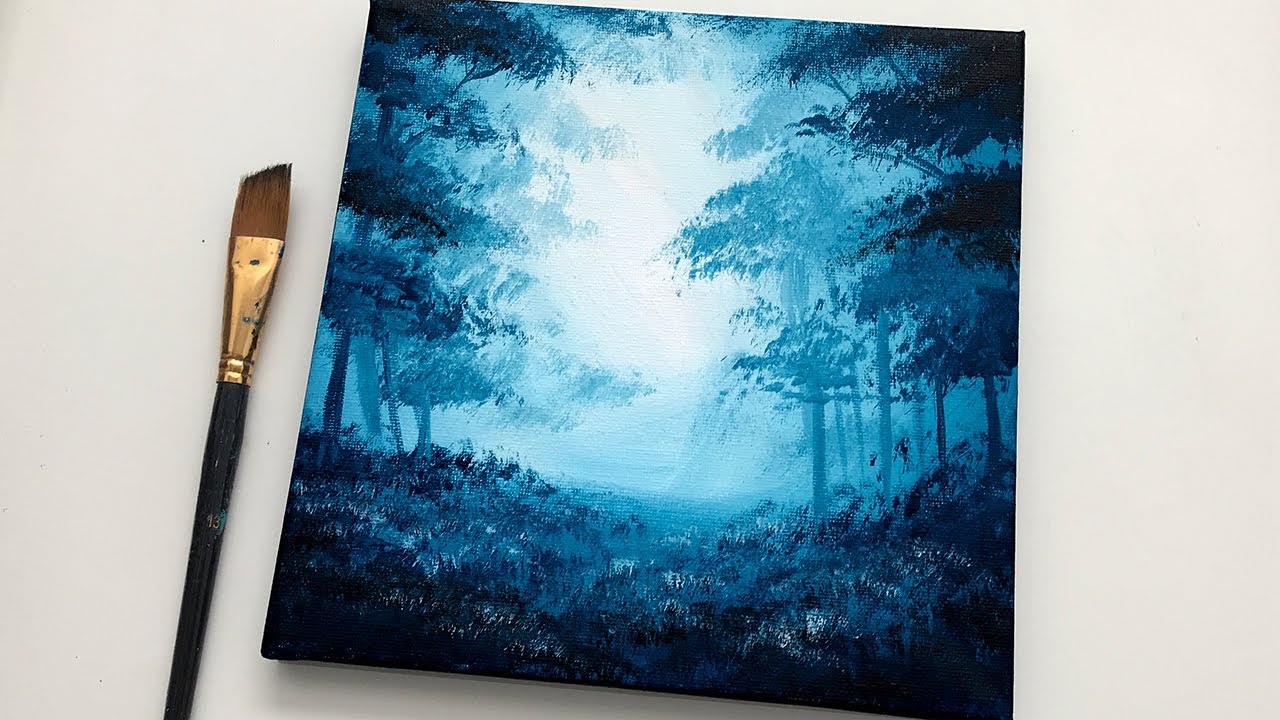
Credit: www.youtube.com
Acrylic Paint Basics
Acrylic paint is a favorite choice for artists of all levels. It offers a wide range of uses and easy handling. Understanding the basics helps you start your painting journey with confidence. This section covers the essential facts about acrylic paint, including why it stands out, its main properties, and tips for drying and cleanup.
Why Choose Acrylics
Acrylic paint dries fast, saving time between layers. It works well on many surfaces like canvas, wood, and paper. Its colors stay bright and do not fade easily. Acrylics mix well with water or mediums to change texture and finish. This paint type suits beginners and professionals alike.
Key Properties
Acrylic paint is water-based but becomes water-resistant when dry. It has a smooth texture that can be thick or thin. The paint can imitate watercolor effects or thick oil-like strokes. Acrylics hold their color without cracking or peeling. They are flexible and less likely to chip over time.
Drying And Cleanup
Acrylic paint dries quickly, usually within minutes to an hour. This speed helps you work faster but requires quick brush cleaning. Clean brushes and tools with soap and water before the paint dries. Once dry, acrylic paint is hard to remove from surfaces. Proper cleaning protects your supplies and saves money.

Credit: feelingnifty.com
Best Surfaces To Paint On
Acrylic paint works well on many surfaces, giving artists many options. Choosing the right surface affects the look and feel of your artwork. Each surface offers unique textures and challenges. Knowing the best surfaces helps you create beautiful pieces with ease.
Canvas And Panels
Canvas is the most popular surface for acrylic paint. It holds paint well and allows easy blending. Canvas panels are lighter and easier to carry. Both provide a strong base and good texture. They suit beginners and experienced artists alike.
Wood And Mdf
Wood and MDF offer smooth surfaces for acrylic paint. They are sturdy and last long. Sanding the surface before painting improves paint adhesion. These surfaces are perfect for detailed or textured work. Wood grain can add natural beauty to paintings.
Paper And Cardboard
Paper and cardboard are affordable and easy to use. Heavyweight paper prevents paint from warping. Cardboard works well for crafts and quick projects. Both absorb paint quickly, so use less water. They suit practice sketches and small paintings.
Glass And Ceramics
Glass and ceramics need special preparation before painting. Use a primer or clean the surface well. Acrylic paint sticks nicely once dry and sealed. Painted glass or ceramic pieces make great gifts. These surfaces allow shiny and colorful effects.
Fabric And Textiles
Acrylic paint can decorate many fabrics and textiles. Use fabric medium mixed with paint for flexibility. Paint on cotton, linen, or canvas fabric easily. Finished fabric art can be washed gently. This surface is ideal for clothing and home decor.
Simple Project Ideas For Beginners
Starting with acrylic paint can be exciting and fun. Simple projects help build confidence and skills. They allow you to explore colors and techniques without stress. Choose subjects that inspire you and feel easy to create. Below are ideas perfect for beginners to try.
Floral Designs
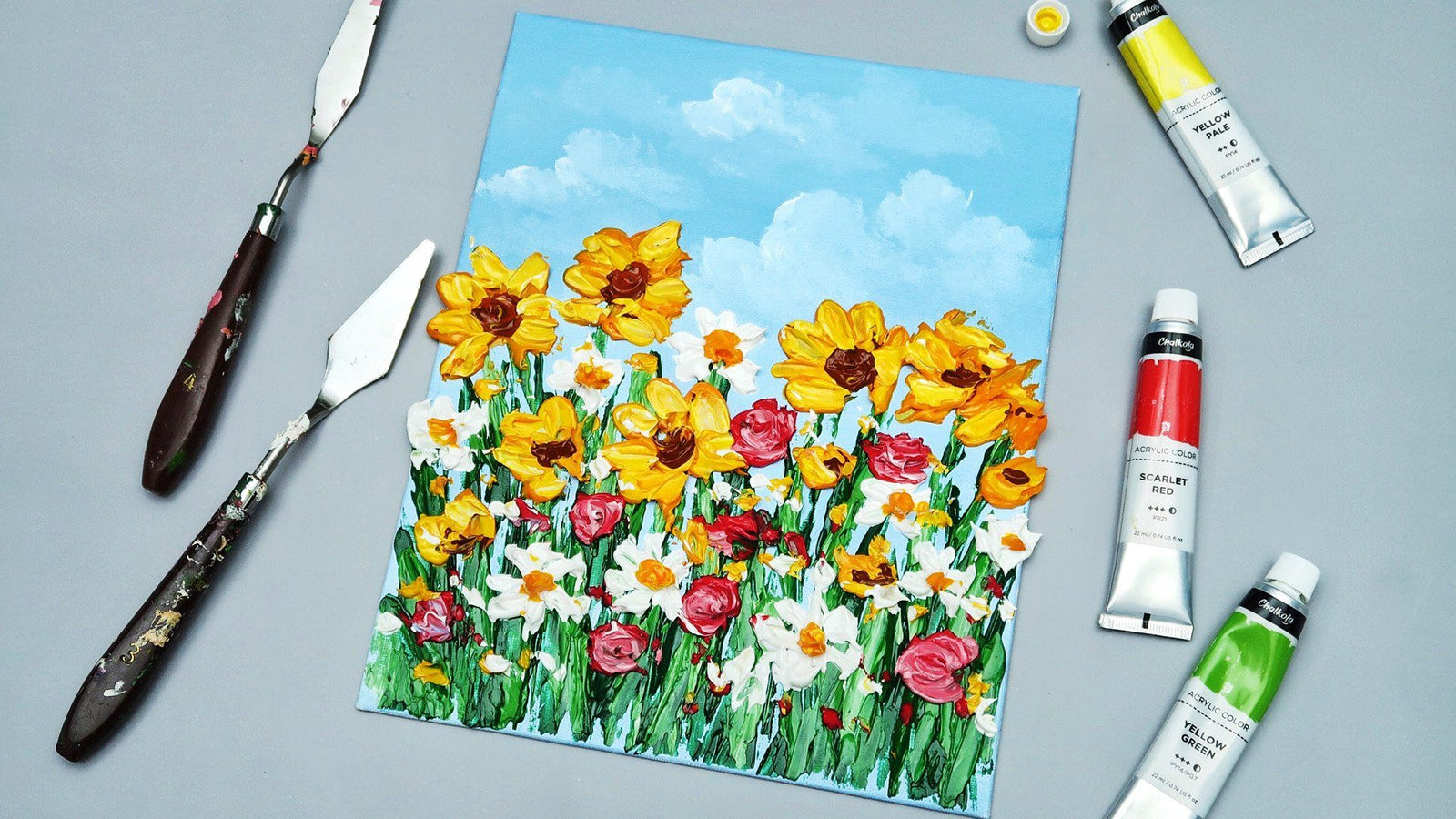
Flowers are a classic choice for beginners. Their shapes are simple and forgiving. You can paint petals, leaves, and stems with basic brush strokes. Experiment with bright colors or soft pastels. Floral art helps practice blending and layering colors.
Abstract Art
Abstract painting lets you express emotions freely. Use bold colors and shapes without rules. Try splashes, dots, or lines to create patterns. It teaches control and creativity with brush strokes. Abstract art is perfect for relaxing and enjoying the process.
Landscapes
Landscapes are great for learning background and foreground. Start with simple scenes like hills, trees, or sunsets. Use broad brush strokes for sky and land. Add small details like clouds or flowers later. This helps improve blending and depth in painting.
Animals And Wildlife
Animals can be simple or detailed, depending on your choice. Start with easy shapes like birds, fish, or butterflies. Focus on basic colors and patterns. Painting animals teaches observation and patience. It also improves fine brush control.
Geometric Patterns
Geometric shapes create clean, modern art. Use rulers or stencils for straight lines and shapes. Try triangles, squares, or circles in different colors. This project sharpens precision and color contrast skills. Geometric art looks great on walls or cards.
Creative Craft Uses
Acrylic paint is perfect for many creative crafts beyond traditional canvas art. It sticks well to many surfaces and dries fast. This makes it ideal for fun projects that brighten your home or wardrobe.
Explore how acrylic paint can transform everyday items into unique art pieces. These ideas are easy and enjoyable for all skill levels.
Decorating Pots And Furniture
Use acrylic paint to brighten plain pots and old furniture. You can add patterns, shapes, or even small scenes. The paint holds up well outdoors with a sealant. It refreshes your garden or living space with personal style.
Rock And Stone Painting
Painting rocks is a simple way to create colorful decorations. Choose smooth stones and paint flowers, animals, or abstract designs. These painted stones can be used in gardens or as paperweights. Acrylic paint stays vibrant and resists fading.
Customizing Clothing
Acrylic paint works well on fabric with the right medium. You can paint t-shirts, tote bags, or hats with your favorite designs. Let the paint dry fully and heat-set it for long-lasting wear. This adds a personal touch to your wardrobe.
Image Transfers
Image transfers let you move printed pictures onto wood, canvas, or fabric. Use a gel medium with acrylic paint to transfer images. This technique creates unique mixed media art. It’s great for gifts or decorating your space with memories.
Model And Miniature Painting
Acrylic paint is popular for painting models and miniatures. It gives fine detail and dries quickly, which helps with layering. Use it on plastic, resin, or metal figures. This hobby benefits from acrylic’s bright colors and easy cleanup.
Techniques To Try
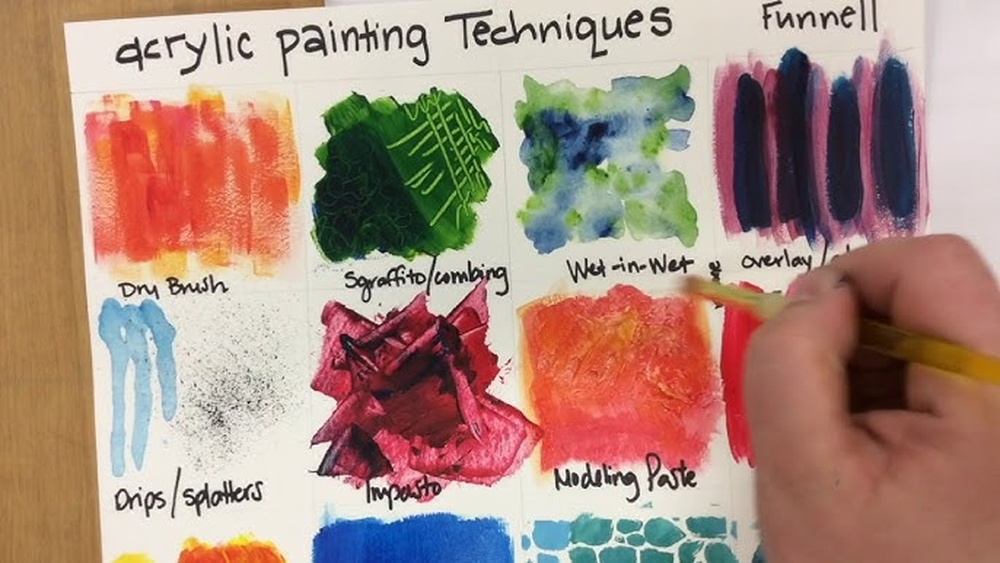
Exploring different acrylic painting techniques opens new creative doors. Each method offers unique textures, effects, and styles. Experimenting helps you find your favorite way to use acrylic paint. Try these techniques to add variety and depth to your artwork.
Layering And Blending
Layering builds rich colors by applying paint in thin coats. Let each layer dry before adding the next. Blending mixes colors smoothly on the canvas. Use a damp brush to soften edges and create gradients. These techniques create depth and realistic shading.
Impasto And Texture
Impasto uses thick paint to add texture and dimension. Apply paint with a palette knife or stiff brush. The raised surface catches light and adds drama. Mix acrylic mediums to thicken paint without losing color. This technique works well for expressive, bold pieces.
Washes And Glazes
Washes are thin layers of diluted paint for transparent color. Glazes are smooth, translucent layers applied over dry paint. Both soften hard edges and add luminosity. Use water or acrylic medium to thin the paint. These effects are perfect for subtle highlights and shadows.
Mixed Media Approaches
Combine acrylics with other materials like paper, fabric, or ink. Layer textures and elements to create complex compositions. Use gel mediums to attach objects or create collage effects. Mixed media adds interest and unique visual stories to your art.
Airbrushing Effects
Airbrushing sprays fine paint mist for smooth, even coverage. Thin acrylic paint with medium for easy flow. Use airbrush to create soft gradients and detailed designs. This technique suits backgrounds and delicate shading. It brings a professional finish to acrylic paintings.
Credit: www.chalkola.com
Tips For Successful Acrylic Painting
Acrylic painting offers endless creative possibilities. Success depends on a few important tips. These tips help you enjoy painting and get better results. Focus on the right tools and care for your work. This section covers essential advice for every acrylic artist.
Choosing The Right Brushes
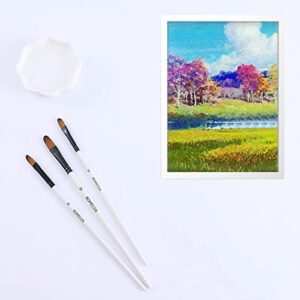
Select brushes made for acrylic paint. Synthetic brushes work best because they hold paint well. Use flat brushes for broad strokes and round brushes for detail work. Keep several sizes on hand to handle different areas. Clean brushes after each use to keep them in good shape.
Using Mediums And Additives
Mix mediums to change paint texture and drying time. Gel mediums add thickness for texture and body. Flow enhancers help paint move smoothly for fine details. Retarders slow drying time, giving more time to blend colors. Use additives sparingly to maintain paint quality.
Protecting Finished Work
Seal your painting with a clear varnish after it dries. Varnish protects against dust, sunlight, and moisture. Choose gloss, satin, or matte finishes to suit your style. Apply varnish in thin, even layers for best results. Always let paint dry completely before sealing.
Storage And Care
Store acrylic paints in a cool, dry place. Keep lids tightly closed to prevent drying out. Clean brushes immediately after use with water and mild soap. Avoid leaving paint on brushes overnight. Proper care extends the life of your materials and tools.
Frequently Asked Questions
What Is The Best Thing To Paint With Acrylic Paint?
The best surface to paint with acrylics is canvas due to its versatility and texture. Wood and canvas panels also work well. Acrylic paint adheres to many surfaces like fabric, glass, and metal, making it ideal for various creative projects.
What Should Acrylic Paint Be Used For?
Acrylic paint works well on canvas, wood, paper, fabric, glass, metal, and ceramics. Use it for fine art, crafts, murals, and DIY projects. It dries fast, cleans easily with water, and adapts to many styles and textures, making it ideal for versatile creative applications.
What Can I Paint With Acrylic Paint For Beginners?
Beginners can paint on canvas, paper, wood, ceramics, fabric, and glass using acrylic paint. These surfaces are easy to work with and clean.
What Materials Can You Paint With Acrylic Paint?
Acrylic paint works on canvas, paper, wood, fabric, glass, metal, ceramics, and plastic. It adheres well and dries fast.
Conclusion
Acrylic paint offers endless possibilities for creative expression. You can paint on canvas, wood, fabric, and more. Its fast drying time helps you finish projects quickly. Beginners enjoy experimenting with simple objects and vibrant colors. Textures and layers add depth to your artwork.
Try different surfaces to find what you enjoy most. Acrylic paint adapts well to various styles and techniques. Keep practicing, and your skills will grow naturally. Creativity knows no limits with acrylic paint in hand.