Satin acrylic paint is a water-based paint with a soft, low-sheen finish and durable, easy-clean surface.
I have worked with many paints in studios and on job sites, and I can tell you exactly what is satin acrylic paint, how it behaves, and why it’s a top pick for many projects. This guide breaks down the chemistry, the finish, the best uses, how to apply it like a pro, care tips, and real-world lessons from my own painting work. Read on to learn everything you need to choose, apply, and maintain satin acrylic paint with confidence.

Definition and basic properties
Satin acrylic paint is an acrylic emulsion that dries to a soft sheen. It sits between flat and semi-gloss in reflectivity. The finish hides minor surface flaws better than gloss paint but cleans easier than flat paint.
Key properties of what is satin acrylic paint:
- Durability for walls and trim with moderate wear.
- Low to medium sheen that adds subtle depth.
- Fast drying time because it is water-based.
- Good color retention and lightfastness when high-quality pigments are used.
From my experience, satin acrylic paint is forgiving during touch-up. It blends well and does not show brush strokes as much as higher gloss paints. That makes it a reliable choice for many interior jobs.

Composition: what’s inside satin acrylic paint
Satin acrylic paint is made of four main parts: acrylic polymer binder, pigment, water, and additives. The binder gives film strength and sheen. Pigments give color and opacity. Additives control flow, drying, and resistance to mildew.
Why composition matters when understanding what is satin acrylic paint:
- Higher binder content improves durability and adhesion.
- Quality pigments reduce fading over time.
- Additives can make the paint more scrub-resistant or more user-friendly.
In my studio, I learned to choose paints with good binder content for areas that see hands or traffic. Low-cost options often skimp on binder and pigment, so the finish can be weaker and less even.

Finish and appearance: what to expect
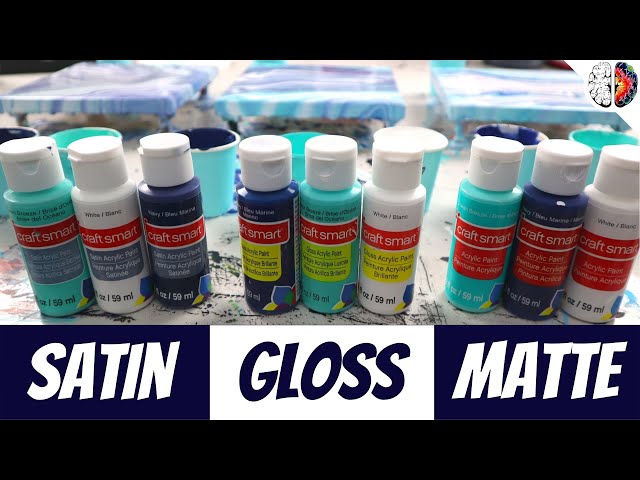
The satin sheen is smooth and soft. It reflects light gently, which can make colors look a touch brighter than flat finishes. Satin hides small bumps but still shows larger defects.
Visual cues about what is satin acrylic paint:
- Subtle glow without mirror-like shine.
- Colors appear richer than in flat paint.
- Surface looks clean and modern.
When matching colors, remember that sheen affects perceived hue. A color in satin can look different than the same color in flat or gloss. I always test a small patch before committing to a full coat.
Best uses and practical applications
Satin acrylic paint fits many rooms and surfaces. It is common on interior walls, trim, doors, and cabinetry. It works well in kitchens and bathrooms where a wipeable surface helps.
Common uses for what is satin acrylic paint:
- Living rooms and bedrooms for an easy-clean finish.
- Hallways and stairways that need durability.
- Doors and trim where a neat look is desired without heavy shine.
- Light-duty cabinetry and furniture with proper prep.
I used satin acrylic paint for a rental kitchen makeover. It stood up to gentle scrubbing and kept the walls looking fresh longer than flat paint did.

How to choose the right satin acrylic paint
Pick paint based on quality, coverage, and stain resistance. Read labels for VOC levels if indoor air quality matters. Compare coverage rates and warranty or manufacturer claims.
Checklist when choosing what is satin acrylic paint:
- Look for high-quality acrylic binder and lightfast pigments.
- Check scrub and washability ratings for high-traffic areas.
- Match VOC level to your ventilation and sensitivity needs.
- Test small samples to see sheen and color in your light.
From trial and error, I recommend buying a small can and painting a test patch. Sheen and color shift with light, so a sample tells you if the satin acrylic paint meets your needs.

Application tips and tools
A clean, sound surface is key. Sand glossy spots, patch holes, and prime porous surfaces. Use quality brushes or rollers made for latex paints to cut drying time and reduce marks.
Step-by-step application for what is satin acrylic paint:
- Clean the surface and remove loose paint.
- Patch and sand any holes or rough spots.
- Apply primer where needed and let it dry.
- Stir the paint thoroughly and use even strokes.
- Allow proper dry time between coats for best sheen.
My tip: apply two thin coats rather than one thick coat. Thin coats dry evenly and keep the satin sheen uniform.

Care, cleaning, and longevity
Satin acrylic paint is fairly easy to clean. Use mild detergent and a soft cloth. Avoid heavy scrubbing with abrasive pads, which can dull the sheen.
How to care for satin acrylic paint:
- Dust regularly to keep surfaces fresh.
- Wipe spills quickly with water and mild soap.
- Recoat areas that show wear rather than strip the whole surface.
In my projects, regular gentle cleaning extended the look of satin acrylic paint for years. High-traffic spots may need touch-ups after heavy use.

Common mistakes and how to avoid them
People sometimes expect satin acrylic paint to hide major flaws, or they apply it too thick. Both lead to poor results.
Mistakes to avoid when using what is satin acrylic paint:
- Skipping primer on bare or patched walls can cause flashiness.
- Applying one thick coat can create runs and uneven sheen.
- Using the wrong roller nap can leave texture marks.
I once painted over a bathroom patch without primer and got visible sheen differences. Primer fixed that, and the satin finish looked even after repainting.

Environmental and health considerations
Satin acrylic paint is water-based and typically has lower VOCs than oil-based paints. Still, check labels for low-VOC or zero-VOC claims if you are sensitive.
Points to note about what is satin acrylic paint and safety:
- Use in a well-ventilated area while painting and drying.
- Store cans tightly closed and away from heat.
- Dispose of leftover paint per local rules to avoid harm.
I always keep a small window open and use fans when painting indoors. It reduces odors and speeds drying.
Cost and value
Satin acrylic paint ranges from budget to premium. Higher-cost paints often deliver better coverage, fewer coats, and more durable finish.
Value tips for purchasing what is satin acrylic paint:
- Buy a higher-quality paint if you want fewer coats and better coverage.
- Factor in time saved by using paint that covers well.
- Consider paint-and-primer options for quick jobs.
In my experience, paying a bit more up front often saves time and money when you avoid extra coats or touch-ups.
Frequently Asked Questions of what is satin acrylic paint
What exactly is satin acrylic paint best used for?
Satin acrylic paint works well for interior walls, trim, doors, and light-use furniture. It balances cleanability with a soft shine.
Is satin acrylic paint washable?
Yes. Satin acrylic paint is washable with mild soap and water and holds up to light scrubbing. Heavy abuse or abrasive cleaning can dull the sheen over time.
Can I use satin acrylic paint outdoors?
Some satin acrylic paints are formulated for exterior use, but always check the label for exterior rating. Exterior versions include additives for UV and mildew resistance.
How many coats of satin acrylic paint do I need?
Usually two coats give even color and sheen after priming. Sometimes one coat suffices if the paint has high coverage and the surface is primed.
Will satin acrylic paint hide wall flaws?
Satin acrylic paint hides small flaws better than gloss but not as well as flat finish. Major imperfections should be repaired and primed first.
Conclusion
Satin acrylic paint is a versatile, water-based finish that offers a subtle sheen, easy cleaning, and good durability for many interior projects. Use proper prep, test a sample, and apply thin, even coats to get the best result. Try satin acrylic paint on doors, trim, or a lively hallway and see how it brightens space without high shine. If you liked this guide, leave a comment, share your project photos, or subscribe for more paint tips and hands-on advice.