Choosing the right oil painting supplies boosts color accuracy, brush control, and longevity.
You want smooth blends, crisp edges, and colors that stay true for years. But the wrong tools fight you at every step. Paint feels sticky. Brushes shed. Solvents sting your nose. I’ve been there. I learned that a few smart picks change everything. In this review, I break down key oil painting supplies that work in real studios, with clear pros and cons. I also share buying tips, safety notes, and simple methods that help you paint better today. Let’s make your setup clean, efficient, and enjoyable.

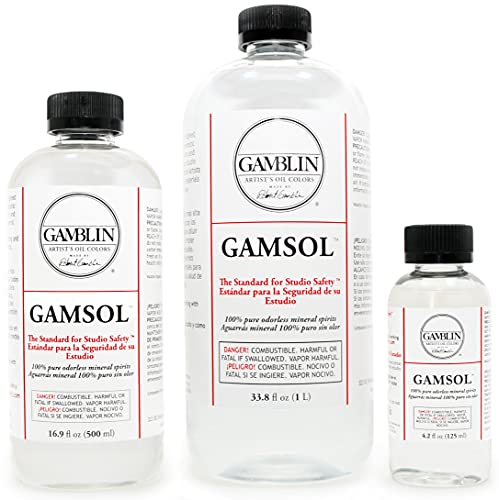
Artists’ Grade Gamsol Oil Color…
Excellent solvents for thinning mediums and for general painting – including b Safer for painters – paintings and the environment than turpentine and harsh m Size: 16 oz

KEFF 24-Pack Canvas for Painting,…
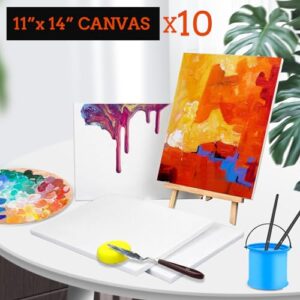
【 Ultimate Canvas for Painting Set 】 This premium canvas boards for painting pack includes 6 pieces of each size – 5″x7″, 8″x10″, 9″x12″, and 11″x14″ canvases. Use a large…
Gamsol Odorless Mineral Spirits, 16.9 oz

Gamsol is a studio staple for many pros. It is an odorless mineral spirits (OMS) that thins oil paint and cleans brushes with far less smell than old-school turpentine. The 16.9 oz size is great for most home studios and travel kits. It closes tight, pours clean, and works with traditional and modern oil mediums.
In use, Gamsol feels consistent and predictable. It evaporates at a moderate rate, which helps with controlled washes and “lean” underlayers. I find it strong enough for brush cleanup yet gentle on natural bristle. Pair it with a metal brush washer and a two-jar cleaning system to keep your paint films clean and stable.
Pros:
- Low odor makes small studio work more pleasant
- Excellent for “lean” underpainting and quick washes
- Reliable, consistent thinning power for most oil brands
- Gentle on hog bristle and many synthetics
- Evaporates at a steady pace for controlled drying
- Pairs well with alkyd mediums for faster layers
- Tight cap and bottle design reduce spills
Cons:
- It is still a solvent; ventilation is a must
- Not ideal if you want a solvent-free studio
- Disposal requires care and adherence to local rules
My Recommendation
If you need a reliable solvent for thinning and cleaning, this is a top pick. It suits painters who want the classic oil feel without the heavy fumes of turpentine. It also helps if you layer paint “fat over lean” and want fast, clean underlayers. Among oil painting supplies, Gamsol stands out for indoor comfort, consistent performance, and brush safety when used right.
| Best for | Why |
|---|---|
| Home studios and small spaces | Low odor reduces discomfort in tight rooms |
| Underpainting and lean layers | Predictable thinning helps set fast, clean foundations |
| Brush cleaning | Good solvent strength yet kinder to bristle |
KEFF 24-Pack Canvas Boards, Assorted Sizes
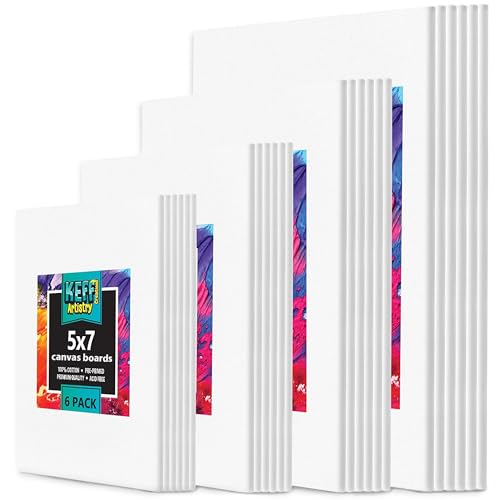
This KEFF pack gives you 24 primed canvas boards in popular sizes. You get 5×7, 8×10, 9×12, and 11×14. That mix is ideal for studies, daily painting, and class work. The cotton surface comes primed and ready for acrylic, oil, watercolor, or tempera.
Canvas boards are great for practice and fast projects. They do not sag like stretched canvas, and they store flat. I like them for color charts, value studies, and small alla prima sessions. If you teach or paint often, this set helps you work more and stress less about cost.
Pros:
- Excellent value for many practice sessions
- Ready to paint right out of the pack
- Assorted sizes support varied studies
- Flat and easy to store or frame
- Good for classes, kids, and daily painting habits
- Compatible with oil, acrylic, and more
Cons:
- Not archival like high-end linen or rigid panels
- Surface may feel too smooth for heavy impasto
- Boards can warp if soaked or stored poorly
My Recommendation
If you want volume and convenience, this set is a smart buy. It is ideal for beginners and hobbyists building speed and confidence. It also helps pros test palettes, plan compositions, and create studies. Among oil painting supplies for practice, these boards offer a low-stress way to paint more and improve fast.
| Best for | Why |
|---|---|
| Daily painting and studies | Affordable boards keep you painting often |
| Classes and workshops | Ready-to-use and easy to transport |
| Quick demos or color charts | Flat surface is great for fast testing |
How to Choose Oil Painting Supplies That Make You Better
Good tools do more than look nice on your cart. They help you paint faster, learn faster, and enjoy the process. I test gear in long sessions and short bursts. I keep what saves time and gives clean results. Here’s how I choose each piece of my kit.
Think of your setup like a chef’s station. You want a sharp knife, not ten dull ones. You want pans that heat even and clean quick. In art, that means brushes that hold shape, paint that covers, and surfaces that accept layers well. Simple choices matter.
Paint: Student vs Artist Grade
Student-grade paint is cheaper. It often uses less pigment and more filler. It can look chalky in tints. Artist-grade paint has richer color and stronger tinting strength. It lasts longer on the palette and canvas.
If money is tight, mix the two. Use student-grade for large, earthy areas and underpainting. Use artist-grade for final layers and key colors like cadmiums, cobalts, and quinacridones. Your oil painting supplies should match your goals and budget.
Brushes: Hair, Shape, and Feel
Hog bristle is the classic for oils. It pushes thick paint and builds texture. Good hog bristle springs back and holds a sharp edge. Synthetic brushes are great for detail and smooth blends. They clean well and last a long time.
Shapes matter. Flats carve edges and lay bold strokes. Filberts blend and shape forms. Rounds draw lines and soft curves. Fans soften edges and create foliage. Try a mixed set and track which ones you use most. Keep your oil painting supplies lean and useful.
Surfaces: Canvas, Linen, Panels
Canvas is light and common. Cotton is most affordable. Linen is stronger and feels luxe, but it costs more. Panels are rigid and resist warping. They are great for glazing and fine detail. Hardboard or aluminum composite can be excellent when primed right.
For studies, canvas boards like the KEFF set are perfect. For finished work, consider cradled panels or stretched linen. Your supports affect your brushwork. Choose the surface that supports your style.
Primers and Grounds
Acrylic gesso is common and easy. It seals the surface and adds tooth. Oil grounds feel slicker and suit classic oil techniques. They can lead to a longer open time and a different glow. Always follow fat-over-lean and dry times.
Test your ground with quick swatches. Try a patch of smooth and a patch with more tooth. See how your brushes and strokes respond. Adjust until it fits your method. Oil painting supplies should match your hand, not fight it.
Mediums: Control Drying and Flow
Linseed oil is a staple. It levels paint and adds gloss. Stand oil is thicker and gives smooth blends and strong films. Walnut and safflower oils can yellow less in tints. Alkyd mediums speed drying and toughen layers.
Use mediums with a plan. Keep early layers lean with solvent and little oil. Add more oil as you go. This helps prevent cracking. Always keep notes. Your future self will thank you.
Solvents and Safety
Gamsol is an OMS that many studios trust. It reduces strong odors and cleans well. Yet it is still a solvent. Keep a lid on jars. Vent your studio. Use a small fan and open a window if you can.
Store solvent rags in a closed metal can. Lay them flat to dry before disposal. Follow local rules for hazardous waste. Safety is part of your oil painting supplies plan. It keeps you painting for years.
Palette and Knives
A wood palette warms paint and feels great in hand. Glass palettes are easy to clean with a scraper. Gray glass helps judge values fast. Disposable paper pads are neat and quick.
Palette knives do more than mix. They spread paint for bold texture. They scrape and lift for corrections. Try a medium diamond and a small trowel. They cover most needs.
Easels and Lighting
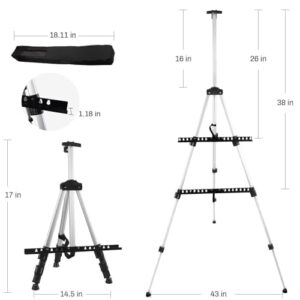
A stable easel saves your back. H-frame floor models are sturdy. Table easels are compact for small spaces. Plein air easels fold and travel well.
Light changes color. Use neutral bulbs with a high CRI for indoor work. Place the light above or to the side to reduce glare. Good light is among the best oil painting supplies you can add.
Your Essential Oil Painting Supplies Checklist
Start with the core. Add more as you grow. Keep it simple and direct.
- Artist-grade primaries, earth tones, and white
- 2–4 hog bristle flats and filberts, 2 synthetics
- Palette (wood or glass) and 1–2 knives
- Canvas boards or panels for studies
- Stretched canvas or linen for final pieces
- Acrylic gesso or oil ground, if preparing surfaces
- Gamsol or a solvent-free medium plan
- Linseed or stand oil, optional alkyd
- Brush washer and two-jar cleaning system
- Rags or shop towels, metal rag can
- Easel suited to your space
- Good lighting and a value scale or gray card
Simple Studio Workflow That Works
Begin with a lean block-in. Use thinned paint and a large brush. Focus on big shapes and values. Keep edges soft at first.
Build mid layers with richer paint. Add a bit of oil. Reserve details for later. Let layers set before glazing or scumbling.
Finish with accents. Tighten edges where needed. Add highlights and color pops. Stop before you overwork. A few fresh strokes beat a hundred fussy ones.
Maintenance and Care for Long-Lasting Gear
Clean brushes as you go. Wipe, swish in Gamsol, wipe again. For a deep clean, use a mild soap and warm water. Reshape bristles and dry flat or bristles up.
Cap your mediums. Keep solvent jars closed. Label everything. Store paint tubes in a cool, dry place. Squeeze from the end and roll, not fold.
For finished work, let it cure before varnish. Thin glazes dry faster than thick impasto. When in doubt, wait longer. Patience protects your art.
Color Strategy: Build a Smarter Palette
A limited palette teaches control. Try Titanium White, Yellow Ochre, Cadmium Red Light (or Pyrrole), Ultramarine Blue, and Burnt Umber. Add Phthalo Blue and Transparent Oxide Red for punch. This set mixes almost anything.
Use a value string. Pre-mix lights, mids, and darks. It speeds painting and keeps harmony. Add a neutral gray to calm bright mixes. Your oil painting supplies should help you decide fast.
Common Mistakes and Easy Fixes
Too much solvent early can make weak films. Keep it lean, not flooded. Wipe and reload as needed. Thick, fatty layers come later.
Muddy color comes from mixing too many pigments. Clean your brush between warm and cool mixes. Pre-mix pools of color. Use a clean knife to adjust.
Harsh light can hide shifts in value. Use a neutral lamp and step back often. Squint to see big shapes. Simple checks save time.
Budget vs Pro Choices: Spend Where It Matters
Spend more on paint and brushes you use daily. Good color lifts your work fast. Solid brushes hold edges without shedding.
Save on practice supports. Canvas boards, paper for oils, and bulk panels are fine for studies. Upgrade supports for finished art or commissions.
Solvents and mediums last a while. Buy sizes that fit your pace. Small bottles stay fresher if you paint less.
Solvent-Free Options If You Prefer
You can paint without solvents. Use solvent-free gel or safflower oil to thin. Wipe brushes well between colors. Clean with a plant-based brush cleaner after sessions.
This way is slower but calm. It suits shared spaces and sensitive noses. Your core oil painting supplies still work, just with different habits.
Archival Tips to Protect Your Work
Follow fat over lean. Let layers set before glazing. Avoid putting fast-drying over slow-drying mixes. This reduces tension and cracking.
Use decent grounds. Seal panels to block moisture. Avoid acidic backings. Frame with spacers to keep glass off paint. These small steps add years to your art.
Studio Safety That Pros Follow
Ventilate. Use a box fan in a window if possible. Keep solvent containers closed. No food near your paint station.
Wear gloves if you have sensitive skin. Wash hands after painting. Collect waste in a metal can with a tight lid. Follow local rules for disposal.
Check product labels and safety sheets. This is part of using oil painting supplies wisely. Protect your health and your art will follow.
FAQs Of oil painting supplies
What are the must-have oil painting supplies for beginners?
Start with a limited set of paints, 4–6 brushes, a palette, a few canvas boards, a small bottle of Gamsol or a solvent-free medium, paper towels, and a table or floor easel. Add more as you learn.
Is Gamsol safe to use indoors?
Gamsol has low odor and is designed for studio use. Still, ventilate, keep containers closed, avoid skin contact, and store rags safely. Follow local disposal rules.
Are canvas boards good for finished pieces?
They are fine for studies and small works. For premium, long-term pieces, consider stretched linen or rigid archival panels with quality grounds.
What medium should I use to speed drying?
Alkyd mediums help paint set faster. Use a small amount in mid and upper layers. Keep early layers lean.
How do I clean brushes without solvent?
Wipe well. Use a plant-based brush cleaner or specialty soap with warm water. Work the soap into the ferrule, rinse, reshape, and dry bristles up.
Final Verdict: Which Should You Buy?
For a clean, dependable solvent, choose Gamsol in the 16.9 oz bottle. It keeps brush work smooth and your space more comfortable.
For practice and volume, pick the KEFF 24-pack canvas boards. Together, these oil painting supplies make a smart, affordable core that helps you paint more and improve fast.