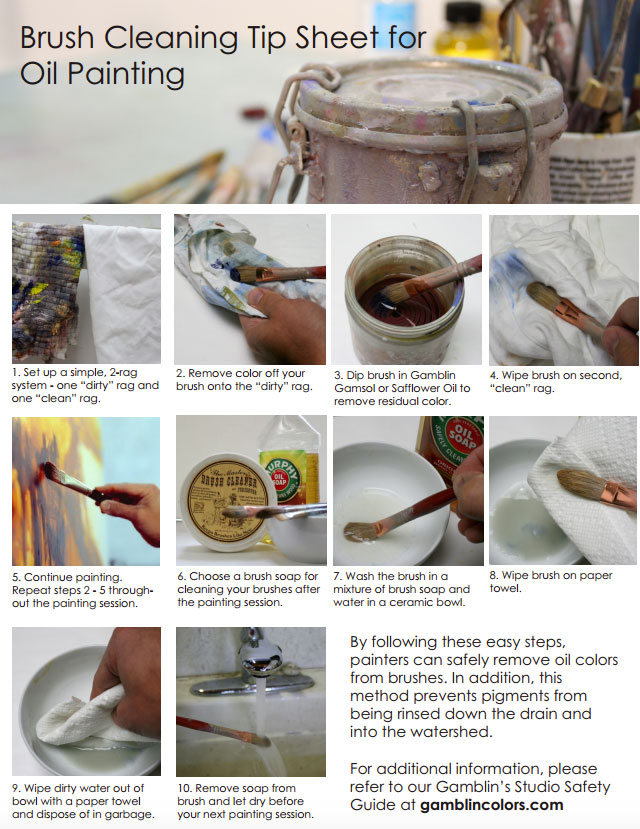
Use mineral spirits, walnut or safflower oil, brush soap, and warm water.
If you want strong, soft, long-lasting bristles, you need to know what to use to clean brushes from oil paint. I have cleaned thousands of brushes in busy studios and quiet home corners, and I’ve tested every hack, solvent, and soap. In this guide, I’ll show you what works, what to avoid, and how to keep your tools in top shape with safe, proven methods.
Why clean oil paint brushes the right way
A clean brush saves paint, time, and money. Poor cleaning ruins bristles and leaves color ghosts in your next mix. When you learn what to use to clean brushes from oil paint, you also reduce fumes, cut waste, and protect your skin and lungs.
What to use to clean brushes from oil paint: the core kit
Here is what to use to clean brushes from oil paint in most studios. Keep these on hand, and you can handle daily mess and deep clean jobs.
- Odorless mineral spirits for fast, effective first-stage cleaning. Low odor and strong.
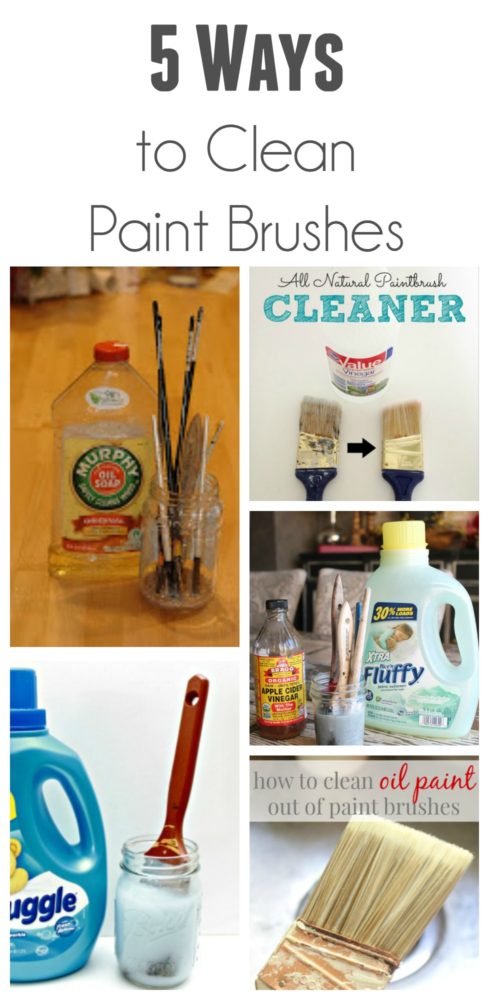
- Artist brush soap or mild dish soap for the final wash. It breaks oil and conditions hair.
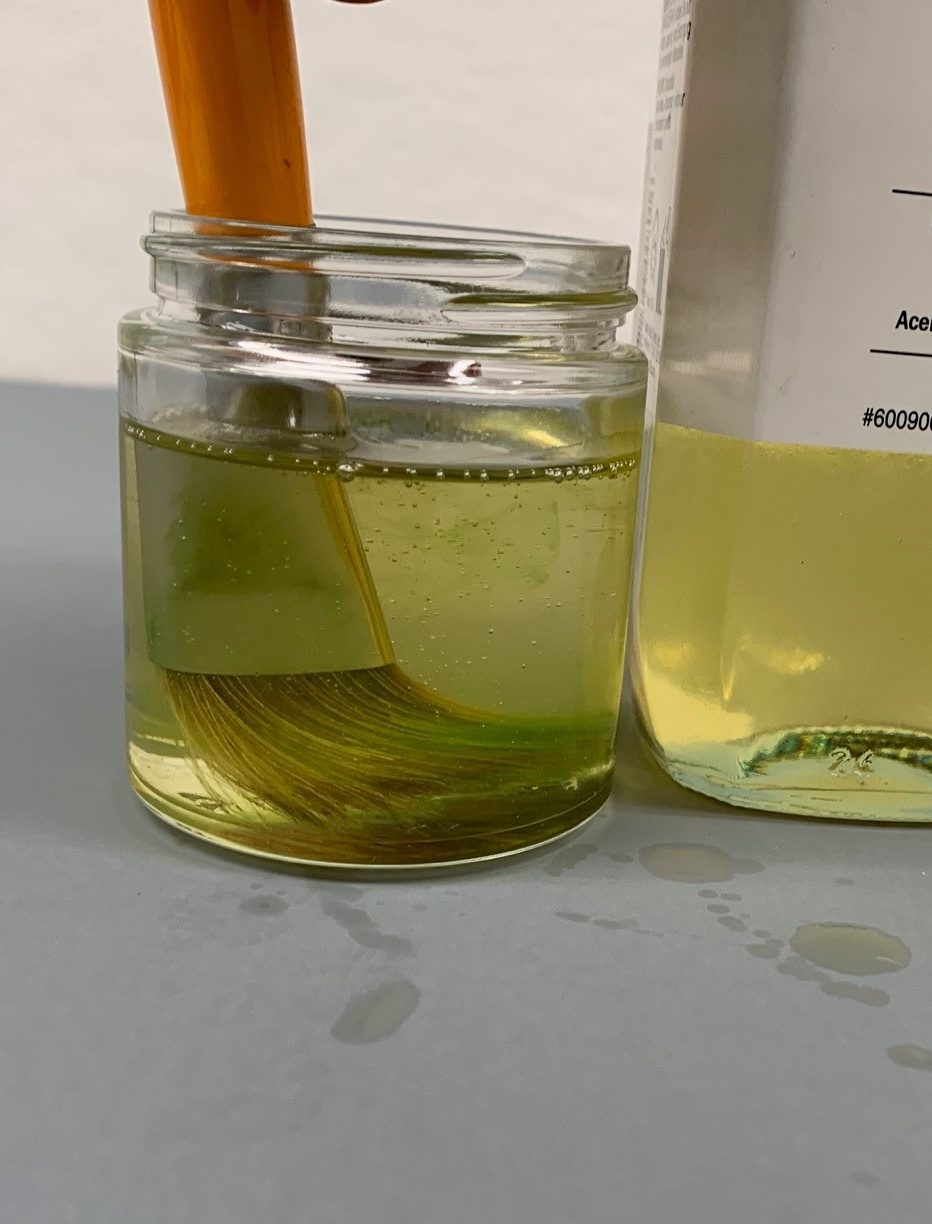
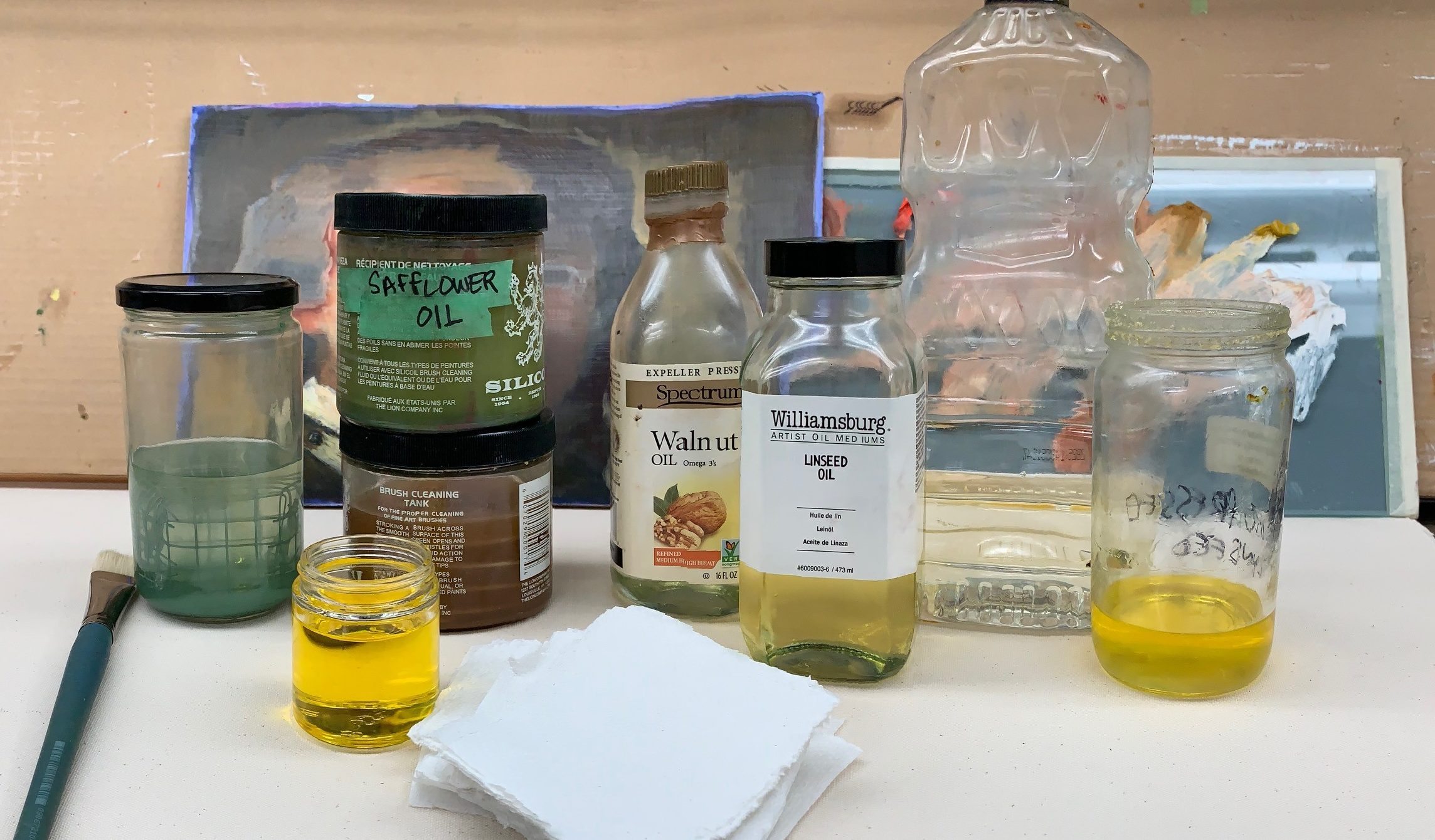
- Walnut or safflower oil to loosen wet paint without harsh fumes.
- A metal brush comb or an old toothbrush to free paint near the ferrule.
- A silicone brush cleaning mat or ribbed cup to speed up the wash.
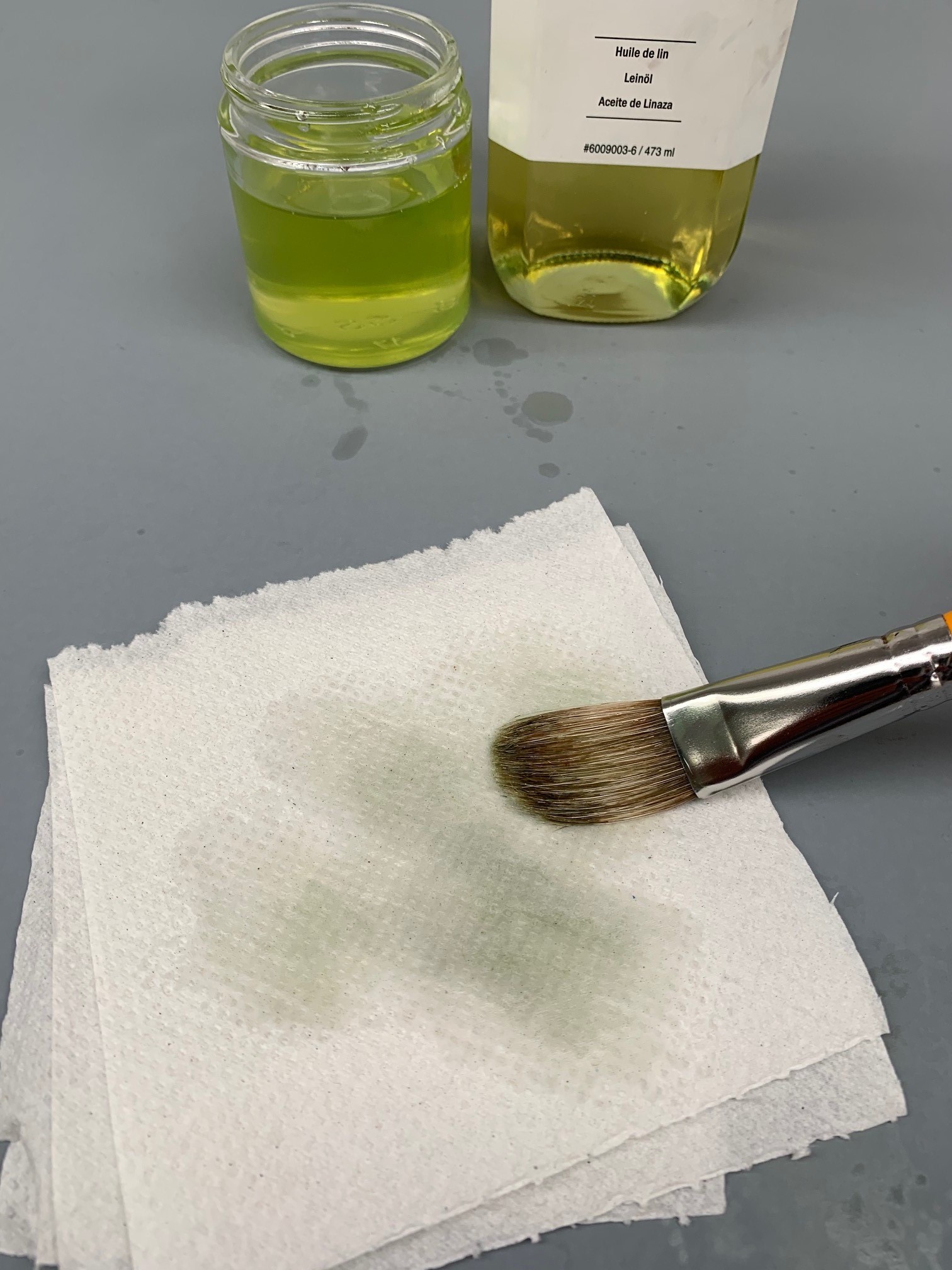
- Lint-free rags and paper towels to wipe out extra paint before wet cleaning.
- Two jars with tight lids. One for dirty solvent, one for a cleaner rinse.
Tip from the studio: Wipe, then swirl. Always wipe most of the color on a rag first. You will use less solvent and save your bristles.
Solvent options explained
If you want a fast clean, solvents are still top-tier. Knowing what to use to clean brushes from oil paint starts with knowing the trade-offs.
- Odorless mineral spirits. Good balance of power and low odor. Use in a ventilated space.
- Turpentine. Strong and classic, but sharp fumes. Many artists skip it at home.
- Citrus-based solvents. Gentler smell, good for fresh paint. Still a solvent; ventilate well.
- Alkyd thinner. Works well with alkyd paints and mediums. Follow the label.
Good practice: Let sludge settle overnight in your dirty jar. Pour off the clear top layer into the clean jar and reuse it. Wipe the heavy sludge into a sealed waste can.
Non-toxic and low-odor methods
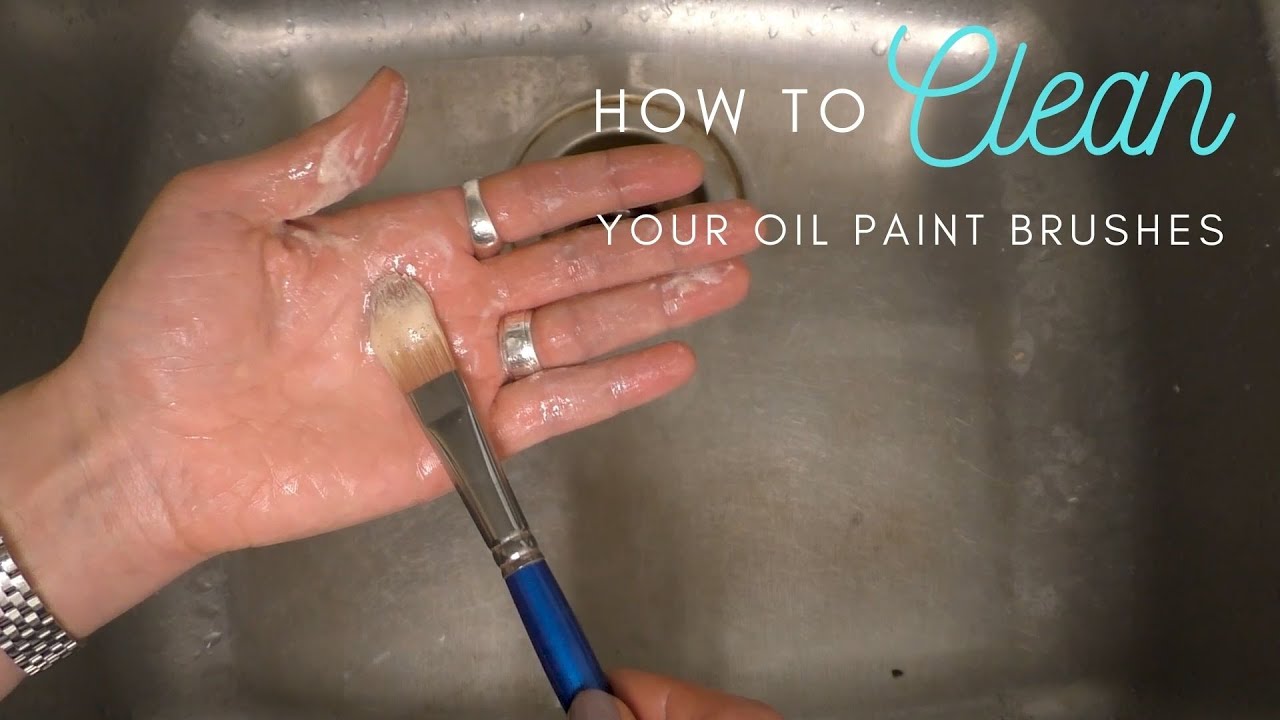
Many painters now choose oil-and-soap methods. This route is safer indoors and kinder to skin. It is also part of what to use to clean brushes from oil paint when you wish to avoid fumes.
- Walnut or safflower oil loosens fresh paint. Work it through the bristles.
- Follow with brush soap and warm water. Rinse until the water runs clear.
- Baby oil (mineral oil) can help, but it leaves a film. Wash well with soap after.
I clean most daily sessions with oil and soap. It takes a bit longer than spirits, but my brushes last longer and the room stays fresh.
Step-by-step: daily cleaning process
If you ask me what to use to clean brushes from oil paint fast and safe, it is this simple routine.
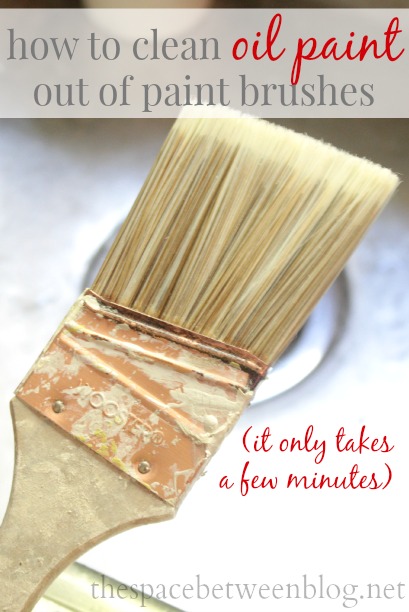
- Wipe the brush on a rag until little color comes off.
- Swirl in a small amount of walnut oil. Massage from heel to tip.
- Wipe again. Repeat the oil step if the brush is still heavy with paint.
- Lather with brush soap and warm water. Use a cleaning mat for better lift.
- Rinse and repeat until suds are white and the water runs clear.
- Shape the tip with fingers. Dry flat or bristles down, never up.
Deep clean and rescue for gunked or stiff brushes
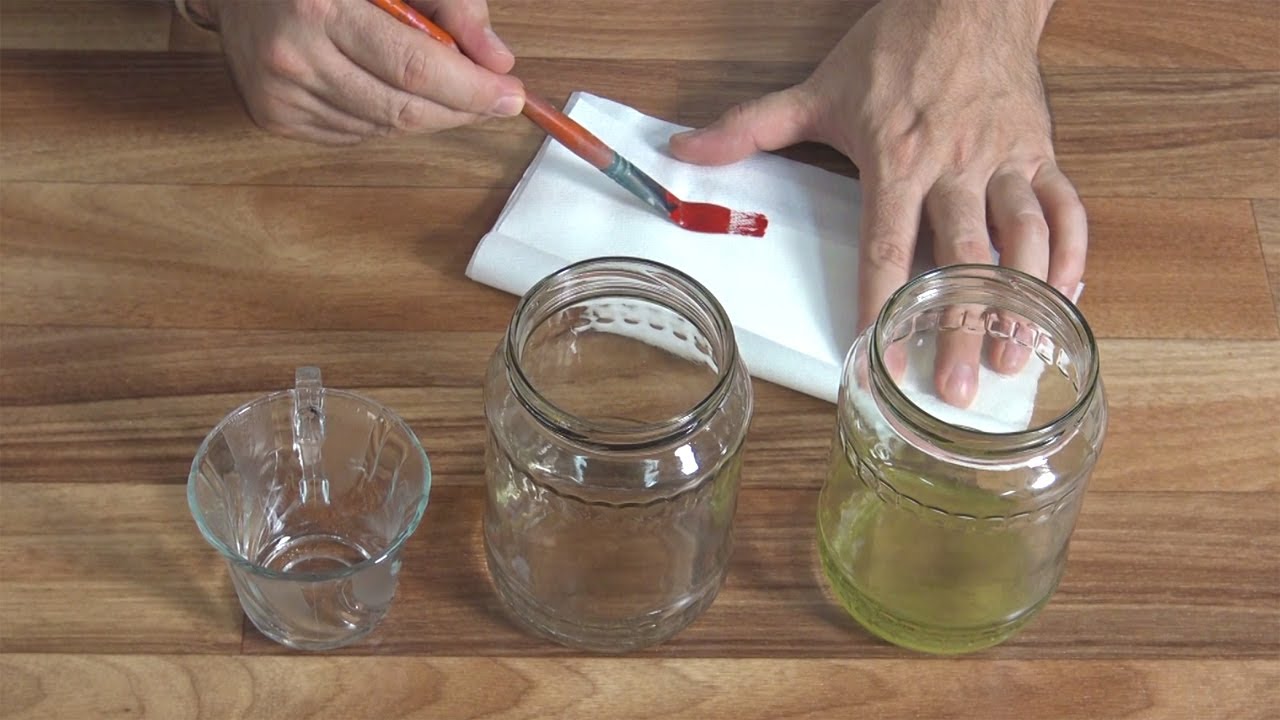
Every painter has a brush that got left in the jar. Here is what to use to clean brushes from oil paint when the damage looks done.
- For gummy build-up, soak only the bristles in odorless mineral spirits for 10–20 minutes. Do not soak the ferrule or handle.
- Comb gently with a brush comb. Repeat short soaks as needed.
- Use a dedicated brush restorer for hardened oil paint. Follow the label and rinse well.
- Finish with a heavy lather of brush soap. Rinse and reshape.
- If the tip still splayed, wrap the damp bristles in clean paper to set the shape as it dries.
I have brought back “dead” hog bristles with this method. Not all can be saved. If hair snaps or the ferrule is loose, retire it to mixing duty.
Match the method to the brush hair
Knowing what to use to clean brushes from oil paint also depends on hair type.
- Hog bristle. Tough and great with solvents. Avoid very hot water, which can curl tips.
- Synthetic (nylon, Taklon). Gentle with heat and solvent. Prefer oil-and-soap or OMS.
- Sable and soft natural hair. Use mild soap, lukewarm water, and brief solvent exposure only when needed. Always condition with brush soap.
A quick test: If the hair feels dry and squeaks after washing, add a touch of brush soap, shape, and let it dry with a light film.

Storage and maintenance habits that extend brush life
Good care is part of what to use to clean brushes from oil paint because tools include your habits.
- Never leave brushes soaking in solvent. It bends hair and breaks glue.
- Dry flat or bristles down. Water wicks into the ferrule and loosens it.
- Keep a set for dark colors and a set for light. Less cross-stain, less cleaning.
- Use a small amount of brush soap as leave-in conditioner for natural hair.
Every month, I give my workhorse brushes a spa day: deep clean, condition, reshape, and air dry for 24 hours.
Common mistakes to avoid
These slips undo the best plans for what to use to clean brushes from oil paint.
- Skipping the wipe stage. You waste solvent and push color deeper.
- Scrubbing on your palm. It can irritate skin and crush the tip.
- Hot water washes. Heat can splay and curl hair.
- One-jar cleaning. Dirty solvent pushes pigment back into the brush.
Set a small timer for your clean-up. Five minutes now saves an hour next week.
Safe disposal and studio safety
Health and safety should guide what to use to clean brushes from oil paint.
- Ventilation matters. Work near a window or use a small fan that pulls air out.
- Wear nitrile gloves if you have sensitive skin.
- Store solvent in closed metal or glass containers, away from heat.
- Oily rags can self-heat. Lay them flat to dry outside, then seal and discard per local rules.
Conservation labs and safety agencies advise sealed storage, no open solvent jars, and mindful rag handling. These steps reduce fumes and fire risk.
Frequently Asked Questions of what to use to clean brushes from oil paint
Can I use regular dish soap to clean oil paint brushes?
Yes, dish soap works after you loosen paint with walnut or safflower oil. Brush soap is better because it cleans and conditions the hair.
Is water alone enough for oil paint brushes?
No. Oil paint is not water-soluble. Use oil, solvent, and soap first, then rinse with warm water.
How often should I deep clean my brushes?
Deep clean when bristles feel sticky, stain the soap, or refuse to hold a point. For heavy users, plan a deep clean every one to two weeks.
Can I use vegetable oil from my kitchen?
Yes, canola or olive oil can loosen fresh paint in a pinch. Follow with brush soap to remove any residue.
What if my brush has dried hard with paint?
Try a brush restorer made for hardened oil paint. Soak the bristles only, comb gently, then wash well with soap.
Do odorless mineral spirits still release fumes?
Yes, less odor does not mean zero vapor. Use good airflow and close lids when not in use.
Will acetone or alcohol work on oil paint?
They can strip some binders but are harsh on bristles and handles. Reserve them for last-resort spot work and rinse fast.
Conclusion
Clean tools make better art. Now you know what to use to clean brushes from oil paint, from fast solvent methods to gentle oil-and-soap routines. Build a simple kit, follow the steps, and treat each brush with care. Your colors will stay true, your strokes will stay crisp, and your brushes will serve you for years. Put these tips to work today, and share your results or questions in the comments so we can refine your setup together.