Choosing oil based paint markers depends on opacity, durability, and surface needs.
You plan a rock project, a glass sign, or a mug gift. Regular markers smear the moment water hits them. Paint pens flake off metal or plastic after a week. This is where oil based paint markers shine. They bond to tricky surfaces, dry fast, and stay bold. I have tested dozens across wood, glass, ceramic, and tools. The right marker turns a quick idea into a lasting finish. Below, I break down what works, what fails, and which sets are worth your money right now.

TFIVE Paint Pens Paint Markers…
Premium Paint Pen: These markers are made of opaque ink that is chemically stable, lightfast, quick-dry. Oil-based ink is odorless, non-toxic, xylene-free, acid-free, and environmental. Designed for adults, artists, and…

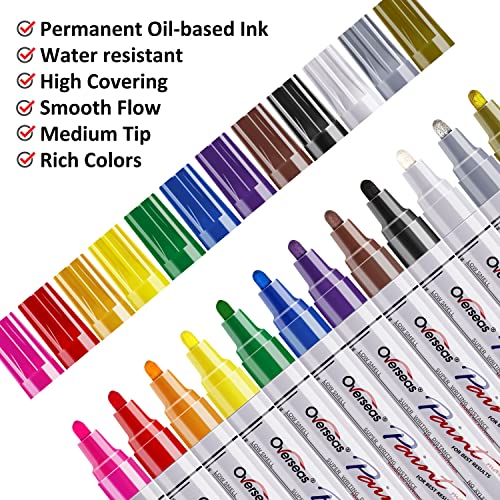
Overseas White Paint Marker Pens…
Premium Quality Paint Pens: These markers feature opaque, waterproof, quick-drying, fade-resistant ink. The oil-based ink is odorless and non-toxic. Ink dries within a minute, ensuring your beautiful creations last longer…

AROIC 48 Pack Oil-Based Paint…
【Premium 48 – Color Paint Pen】: Our 48 – color paint pens are filled with high – quality opaque ink. This chemically stable, lightfast, and quick – dry oil -…
TFIVE Oil-Based Paint Pens, Quick-Dry Permanent
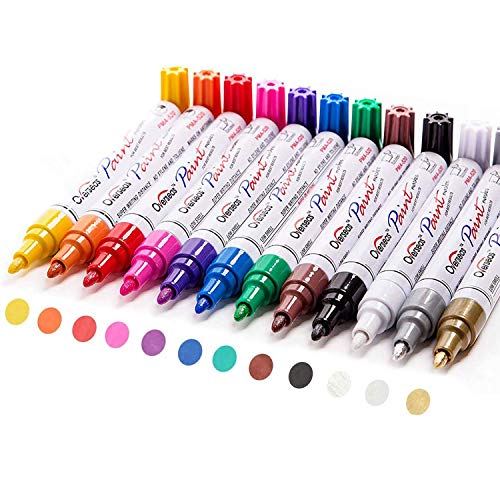
TFIVE oil based paint markers are made for everyday craft and shop jobs. The paint lays down opaque color on glass, mugs, metal, wood, rocks, and more. I noticed quick coverage with a smooth flow that does not skip much. The finish looks glossy and rich after it dries.
These pens are waterproof and hold up to light rubbing once cured. They work well for labeling tools or adding details to a canvas. On slick glass, I suggest a light degrease before writing. The tips feel sturdy yet fine enough for neat lines on most projects.
Pros:
- Reliable coverage on non-porous surfaces like glass and metal
- Quick-drying paint reduces smears during layering
- Waterproof and permanent once cured
- Good control with a medium tip for lines and small fills
- Works for mugs and DIY gifts with proper curing
Cons:
- May need shaking and priming more often during long sessions
- Not ideal for large fill areas due to tip size
- Varnish helpful for outdoor UV resistance
My Recommendation
If you want dependable oil based paint markers for crafts, the TFIVE set hits a sweet spot. It is simple to use and holds up well on glass, ceramics, and tools. I like it for gifts, labels, and rock art. The paint seals firmly when given time to cure and keeps its pop.
Choose TFIVE if you need a versatile, everyday set that you can trust on many surfaces. It is strong for mixed-media, quick repairs, and personalizing gear. Artists and crafters who want steady flow and easy handling will enjoy it. It offers good value and is often in stock.
| Best for | Why |
|---|---|
| Mixed-surface crafts | Paint sticks to glass, metal, wood, and ceramic |
| Gifts and mugs | Quick-dry, permanent results with proper curing |
| Tool labeling | High contrast marks that resist water and wear |
Overseas 36-Pack White Oil-Based Paint Markers

This bulk pack focuses on one thing: bright, opaque white. If you run through white markers fast, this set makes sense. The medium tips handle clean lines on wood, rubber, plastic, canvas, and more. The paint dries fast and bonds well after a proper cure.
White is the hardest color to get right. These give dense coverage on dark surfaces without heavy layering. I used them on black metal and the marks stayed bold. If you run a classroom or workshop, the quantity per dollar hits the mark.
Pros:
- Great value for teams, classes, or bulk users
- Strong opacity on dark and textured surfaces
- Quick-drying paint helps avoid smudges
- Good for outlines, highlights, and labels
- Works across wood, metal, rock, rubber, and plastic
Cons:
- Only white color; not a fit if you need multiple colors
- Tips can flatten with heavy pressure on rough stone
- Needs shaking often for consistent brightness
My Recommendation
If you burn through white paint pens, grab this set. It is ideal for highlights, line work, and bold marks on dark surfaces. The ink lays down creamy and stays visible. For schools, shops, and mural teams, it keeps costs down while performance stays up.
Pick this if you need white oil based paint markers that do not fade into gray. It shines on black metal, slate, and rubber. It also suits production runs where you cannot pause for refills. Stock up if your projects call for white every day.
| Best for | Why |
|---|---|
| High-volume white highlights | 36-pack value with strong opacity |
| Dark surface detailing | White stays crisp on black and deep colors |
| Workshops and classrooms | Bulk supply cuts downtime and cost |
AROIC 48-Pack Oil-Based Paint Markers, Medium Tip

The AROIC set targets artists who want range. You get a full color mix with medium tips and low odor paint. The pigments pop on glass, ceramic, wood, canvas, and plastic. I like the color consistency from pen to pen when layering.
This is a deep kit for group projects and detailed work. The paint goes on smooth and dries to a rich finish. Lines remain clean with minimal feathering on primed surfaces. It is a smart pick if you want more than basic black and white.
Pros:
- Large color variety supports detailed art and accents
- Low odor formula is easier in small rooms
- Good flow control and solid coverage on slick surfaces
- Medium tips handle both line work and small fills
- Useful for rocks, mugs, ornaments, and sign art
Cons:
- Medium tips are not fine enough for micro-details
- Some colors may need two coats on glass
- Large pack can feel overwhelming for first-timers
My Recommendation
Pick AROIC if you want a full palette of oil based paint markers. This set gives you creative freedom and steady performance. It is great for holiday crafts, custom gifts, and mixed-media art. Low odor helps during long sessions.
I suggest this to artists and teachers who need color variety and reliable flow. It pairs well with sealers for outdoor signs and garden stones. It offers strong value for the volume and color spread. You will have the shade you need when inspiration hits.
| Best for | Why |
|---|---|
| Color-rich art projects | 48-pack palette supports layering and accents |
| Group craft sessions | Many pens, consistent flow, low odor |
| Mixed surfaces | Adheres to ceramic, glass, wood, and plastic |
How I Test Oil-Based Paint Markers
I use real projects and repeatable steps. I clean each surface with isopropyl alcohol. I shake and prime the pen as directed. I make lines, fills, and dots on glass, ceramic, wood, plastic, metal, and stone.
I check opacity in one pass. I add a second coat and look for leveling. I time dry-to-touch and dry-to-recoat. I rub with a damp cloth after a 24-hour cure.
For durability, I do a tape pull on slick glass. I mark gardening tools and leave them outside for a week. I test light scratch resistance on plastic bins and metal. I also bake mug tests if the brand allows, then hand wash only.
I track odor, flow consistency, and tip wear. I note any valve flooding or skipping. I see how easy it is to restart a pen days later. These checks mimic how most people use oil based paint markers at home and in shops.
Why Choose Oil Based Paint Markers Over Water-Based?
Oil based paint markers shine on slick surfaces. They grip glass, glazed ceramic, and metal better. They also block out dark colors with fewer coats. The finish stays vivid once cured.
Water-based pens are great on paper and some wood. They clean up faster and smell lighter. But they can wipe away on plastic or glass. If you need marks that last, oil is safer.
For outdoor use, oil formulas often resist rain better. UV can still fade bright colors over time. A clear sealer helps if the piece sits in sun. It is a low-cost step that adds years.
Buying Guide: What Matters Most
Surface compatibility comes first. Make sure the pens list glass, ceramic, plastic, metal, and wood. If your project is slick, clean it well. Oil based paint markers stick best to degreased surfaces.
Opacity matters for dark bases. Look for strong one-pass coverage. White and yellow show weakness first. Test on a scrap before the final piece.
Tip size decides your detail. Medium tips handle most tasks. Fine tips suit tight lettering and outlines. Broad tips fill signs and large panels fast.
Dry time affects workflow. Faster drying reduces smears. But give oil paint time to cure. Full hardness can take a day.
Odor is part of the choice. Low-odor lines help in small rooms. Ventilation still helps during long sessions. Store caps on tight to prevent dry-out.
Value depends on your use. Bulk white saves money for shops and classes. Mixed sets help artists and crafters. Count how many pens you need per month.
Pro Techniques for Clean, Lasting Results
Prep is everything. Wipe surfaces with 70% to 91% isopropyl alcohol. Let them dry before you write. Skin oils can ruin adhesion on glass and plastic.
Prime pens right. Shake well with the cap on. Press the tip on scrap until the paint flows. Wipe the tip if paint floods.
Work in thin layers. Let each coat dry before the next. Thin coats stick better and level out. Thick coats can wrinkle or peel.
Seal when needed. Outdoor pieces benefit from a clear coat. Use a compatible acrylic or enamel sealer. Test first to avoid smearing.
Mind your mugs. Many people decorate mugs with paint pens. Cure as directed and avoid the lip line. Hand wash only to protect your art.
Common Mistakes and Easy Fixes
Skipping cleaning leads to peeling. Always degrease glass and plastic. Use a lint-free cloth for best results. Avoid touching the area after cleaning.
Over-priming floods the tip. Press gently and watch the flow. Dab on scrap if it pools. Recap and shake if it gets faint.
Rushing layers causes smears. Give each coat time. Use a fan on low to help. Avoid heat guns that can bubble paint.
Using the wrong tip for the job hurts results. Pick medium for general work. Use fine tips for detail work when needed. Change your grip for softer pressure on rough stone.
Project Ideas That Work Great
Personalized mugs for gifts look sharp. Choose high-contrast colors. Keep art below the rim. Hand wash only for longer life.
Custom garden stones stand out in the yard. Oil based paint markers handle weather better. Seal the stones for extra protection. Add dates or quotes for a sweet touch.
Glass pantry labels look modern and clean. Use white or gold on clear jars. The marks stay through steam and quick wipes. Repaint as your pantry changes.
Tool and gear marking saves time. Write names on metal or plastic parts. The ink stays even in damp spaces. It beats tape labels that fall off.
Holiday ornaments are fast and fun. Paint on wood slices, acrylic blanks, or ceramic. Add names, dates, and small art. Seal for storage and reuse.
Care, Storage, and Safety Tips
Store pens horizontally. It helps keep flow even. Keep caps tight to prevent dry-out. Shake before each session.
Ventilate your space. Oil based paint markers have solvents. Low-odor lines help, but fresh air is best. Take breaks during long work.
Protect surfaces while curing. Lay pieces flat and dust-free. Do not stack fresh work. Give 24 hours before heavy handling.
Keep pens away from heat. Store at room temperature. Extreme heat or cold can harm the valve and paint. Check flow on scrap if pens sat unused.
Cost Breakdown: Where Value Lives
Single-color bulk packs win on price per pen. That is why the white 36-pack stands out. It fits classrooms, studios, and shops. You will not run short mid-project.
Mixed-color sets cost more but give options. The AROIC 48-pack covers most color needs. One kit can carry many projects. You get range and convenience.
Balanced kits like TFIVE focus on everyday use. They cost less than pro lines but hold up well. They cover many surfaces without fuss. That is real-world value for most users.
Troubleshooting Flow and Coverage
If a pen skips, shake and prime again. Draw slow lines, not fast scribbles. The valve needs time to feed paint. Wipe the tip clean and try again.
If coverage looks thin, let it dry and recoat. Do not pile on wet paint. Two thin coats beat one thick coat. On glass, test a light scuff with a gray pad if needed.
If a tip frays, you may be pushing too hard. Let the paint flow do the work. On rough rock, use softer pressure. Rotate the tip as you draw to spread wear.
Comparing These Three Sets Head to Head
TFIVE is the versatile pick for mixed surfaces. It covers daily needs with solid performance. The quick-dry paint helps speed. It is easy to recommend for beginners and makers.
Overseas white is a specialist set for bulk use. It shines when you need bright white on dark bases. The 36-pack is hard to beat on value. It suits classes, shops, and black-surface projects.
AROIC is for color lovers and teachers. You get breadth without hunting down singles. It layers well with a low odor profile. It is a solid studio staple.
All three are oil based paint markers that pass my basic tests. The right choice depends on your surface and color needs. Consider your common projects first. Then pick size, color, and tip to match.
FAQs Of oil based paint markers
Do oil based paint markers work on glass and ceramic?
Yes. They bond well to slick surfaces when cleaned first. Let the paint cure for a day. A clear sealer can add extra protection.
Are they waterproof and permanent?
They are water-resistant and long-lasting after curing. On high-wear items, add a sealer. Hand wash decorated mugs to preserve art.
How do I stop skipping or flooding?
Shake well, then prime on scrap. Use light, steady pressure. Wipe excess from the tip if it floods.
Will they fade in sunlight?
Bright colors can fade with heavy UV. Use a UV-resistant clear coat for outdoor pieces. Store art out of direct sun when possible.
What tip size should I choose?
Medium tips fit most jobs. Pick fine tips for tiny letters and lines. Use broad tips for signs and large fills.
Final Verdict: Which Should You Buy?
Pick TFIVE if you want a balanced, do-it-all set. Choose Overseas if you burn through white and need strong opacity. Select AROIC if color range matters most to your art.
All three oil based paint markers deliver durable, high-coverage results. Match the set to your surface and style for the best value.