You’ve just finished a painting project, and your brushes are covered in thick, stubborn paint. Now what?
Leaving paint on your brushes can ruin them, waste your money, and make your next project much harder. But washing paint brushes properly isn’t as tricky as it seems. If you want your brushes to last longer and work like new every time, you need to clean them the right way.
In this guide, you’ll discover simple, step-by-step tips to wash your paint brushes effectively—whether you’re using water-based or oil-based paints. Keep reading to save your brushes and get better results on every paint job!
Credit: www.homedepot.com
Choosing The Right Brush Cleaner
Choosing the right cleaner for your paint brushes helps protect the bristles and keeps them in good shape. The type of paint you used decides what cleaner to pick. Using the wrong cleaner can damage the brush or leave paint stuck inside. Cleaners vary for water-based and oil-based paints. Knowing the right cleaner saves time and keeps your brushes ready for the next project.
Cleaners For Water-based Paints
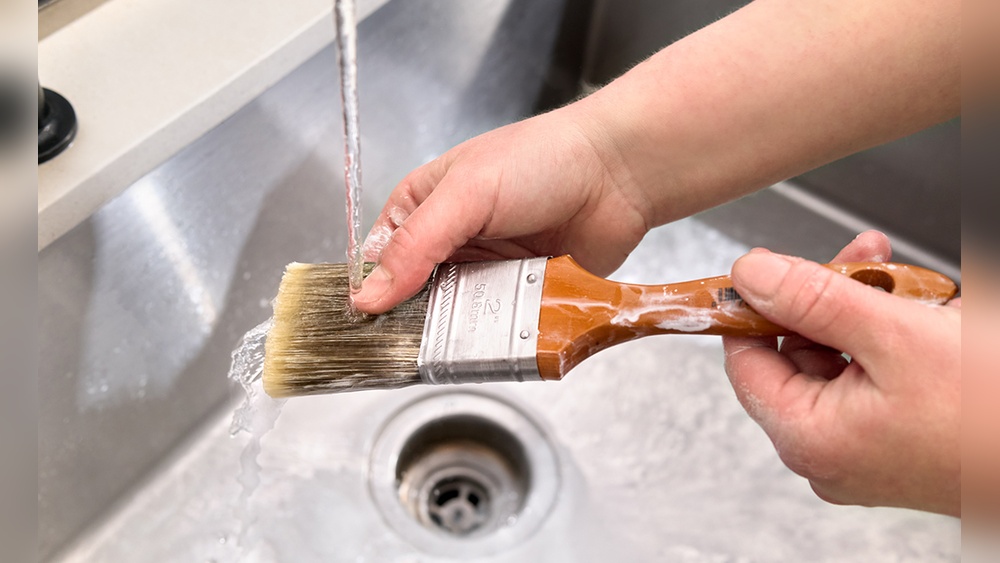
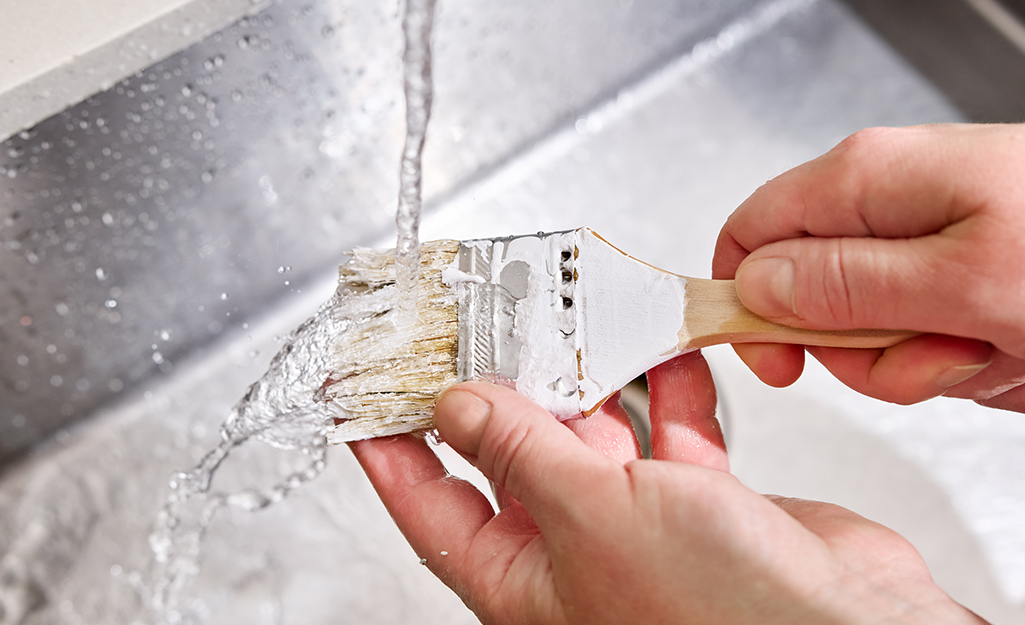
Water-based paints like latex or acrylic need gentle cleaners. Warm, soapy water works best. Start by wiping off extra paint on paper or cloth. Then, rinse the brush in soapy water. Use your fingers to loosen paint from the bristles. Rinse under running water until clear. Avoid strong chemicals that harm brush fibers. This method keeps brushes soft and clean.
Solvents For Oil-based Paints
Oil-based paints need stronger cleaners called solvents. Mineral spirits or paint thinner work well. First, remove excess paint with a rag. Pour solvent into a container and dip the brush in. Swirl the brush to break down the paint. Use gloves and work in a ventilated area for safety. After cleaning, wash the brush with soap and water. This removes solvent and protects the bristles.

Credit: www.instructables.com
Removing Excess Paint
Removing excess paint from your brush is the first key step to keeping it clean. It saves water and cleaning solutions later. It also prevents paint from drying inside the bristles. Taking time to clear off the extra paint makes washing easier and more effective.
Scraping And Wiping Techniques
Start by scraping the brush against the edge of the paint can or container. This removes most of the thick paint. Use a putty knife or a brush comb for better results. Next, wipe the brush on a rag or cloth. Move from the base to the tip of the bristles. This helps pull out paint stuck deep inside. Repeat scraping and wiping until the brush looks cleaner.
Using Newspaper Or Trash
Press the brush firmly onto a folded newspaper. Drag it across the paper to remove paint. The newspaper absorbs the paint and prevents mess. You can also wipe the brush on a piece of cardboard or paper towel. Throw the used newspaper or paper in the trash. Avoid rinsing the brush directly in the sink before removing excess paint. This protects your pipes and reduces water pollution.
Cleaning Water-based Brushes
Cleaning water-based paint brushes is simple with the right steps. These brushes use paints like latex and acrylic, which dissolve in water. Proper cleaning keeps your brushes soft and ready for the next use. Follow each step carefully to get the best results.
Bucket System For Paint Removal
Start by removing extra paint from the brush. Scrape or wipe it on newspaper or a rag. Fill a bucket with clean water. Swirl the brush gently in the water to loosen paint. Change the water if it becomes too dirty. This step removes most paint before washing.
Washing In A Utility Sink
Use a utility sink for washing brushes. Rinse the brush under running water. Move the bristles with your fingers to free paint. Avoid using kitchen sinks to protect plumbing. Keep the water flow steady but gentle. This helps clean deeply without damage.
Protecting Drains And Environment
Prevent paint from going down the drain. Use a mesh or strainer to catch paint bits. Let settled paint solids dry and throw them in trash. Avoid washing large paint amounts into pipes. This protects your home plumbing and the environment.
Final Rinse And Soap Wash
After rinsing, apply a small amount of mild soap. Work the soap into the bristles using your fingers. Rinse again thoroughly with clean water. Soap removes leftover paint and oils. This step ensures the brush is fully clean.
Drying And Storing Brushes
Shake excess water from the brush. Shape the bristles back to their original form. Lay the brush flat or hang it to dry. Avoid standing brushes on bristles to keep shape. Store brushes in a dry place for next use.
Cleaning Oil-based Brushes
Cleaning oil-based paint brushes needs special care. These brushes hold paint that water cannot remove. Using the right solvents and methods helps keep brushes soft and ready for the next job. Follow these steps for a thorough clean and longer brush life.
Using Mineral Spirits Or Thinners
Start by wiping off extra paint with a rag or paper towel. Pour mineral spirits or paint thinner into a clean container. Dip the brush into the liquid and swirl gently. The solvent breaks down the oil paint. Repeat the process until the brush looks clean. Use a comb or brush cleaner to remove paint from the bristles. Finish by washing the brush with warm, soapy water. Rinse well and let it dry flat or hang it with bristles down.
Outdoor Cleaning Tips
Clean oil-based brushes outside or in a well-ventilated area. Solvents release strong fumes that can be harmful indoors. Use a sturdy container to avoid spills. Avoid washing brushes near plants or water sources. Protect surfaces with newspapers or drop cloths. Always wear gloves to protect your skin from chemicals. After cleaning, let brushes dry in the fresh air to remove odors.
Proper Disposal Of Solvents
Do not pour used solvents down drains or on the ground. Store used solvents in a sealed container for recycling or disposal. Check local regulations for hazardous waste collection points. Never mix used solvents with other liquids. Proper disposal protects the environment and your plumbing. Keep solvents away from children and pets. Always label containers clearly to avoid accidents.
Tips To Avoid Damage
Proper care during paintbrush cleaning prevents damage and extends brush life. Avoiding harmful practices protects your tools and environment. Follow these tips to keep brushes in top shape and reduce environmental impact.
Preventing Septic System Issues
Do not wash paint directly down drains connected to septic systems. Paint solids can clog the system and cause costly repairs. Always remove excess paint before rinsing brushes. Use a bucket to catch paint particles and dispose of them safely. This practice safeguards your septic system from blockages and damage.
Avoiding Microplastic Pollution
Brushes with synthetic bristles release tiny plastic fibers during cleaning. These fibers enter waterways and harm aquatic life. To reduce microplastic pollution, clean brushes gently and avoid aggressive scrubbing. Use water buckets to trap paint and fibers before disposal. Proper cleaning methods help protect the environment and wildlife.
Stopping Drain Clogs
Paint chunks and dried residue cause drain blockages. Never rinse brushes directly in the sink without pre-cleaning. Scrape paint off brushes onto paper or cloth before washing. Use two buckets: one to remove paint, another for rinsing. This prevents clogs and keeps plumbing running smoothly.
Maintaining Brush Quality
Maintaining the quality of your paint brushes extends their life and improves painting results. Proper care after washing is crucial. It keeps bristles soft and prevents damage. Small steps in reshaping and storing can make a big difference.
Reshaping Bristles
After cleaning, gently squeeze out excess water. Use your fingers to reshape the bristles to their original form. Avoid pulling or twisting them. This helps maintain the brush’s shape and performance. Let brushes dry flat or hang them with bristles facing down. This prevents water from settling in the ferrule, which can loosen bristles over time.
Storage Best Practices
Store brushes in a dry place away from dust. Keep them in a container or wrap them in paper to protect bristles. Do not store brushes resting on their tips. This bends and damages the bristles. Use brush holders or hangers for best results. Proper storage keeps bristles straight and ready for your next project.

Credit: www.emilywassell.co.uk
Frequently Asked Questions
What’s The Best Way To Clean A Paint Brush?
Scrape off excess paint first. For water-based paint, rinse brushes in water buckets twice. Use mild soap, reshape bristles, then dry flat. For oil-based paint, clean brushes with mineral spirits outdoors in a ventilated area. Avoid clogging drains and protect the environment.
Is It Okay To Wash Paint Brushes In The Sink?
Yes, wash water-based paint brushes in a utility sink, avoiding drain clogs. For oil-based paints, use solvents outdoors. Remove excess paint first and dispose of sludge properly to protect plumbing and the environment.
Can I Use Dawn Dish Soap To Clean My Paint Brushes?
Yes, Dawn dish soap effectively cleans water-based paint from brushes. It removes paint without damaging bristles. Use warm water and gently scrub for best results. Avoid using Dawn for oil-based paints; solvents work better there. Rinse thoroughly and reshape bristles to maintain brush quality.
Do You Wash Paint Brushes In Hot Or Cold Water?
Wash paint brushes with cold or lukewarm water to avoid damaging bristles. Use warm water only for thorough cleaning.
Conclusion
Washing paint brushes properly saves money and time. Clean brushes right after painting to avoid dried paint. Use water for water-based paints and solvents for oil-based ones. Always remove extra paint before rinsing. Protect your drains by disposing of paint waste carefully.
Clean brushes last longer and work better. Follow these simple steps for easy brush care. Keep your tools ready for your next project. Good brush care makes painting more enjoyable.