Are you wondering if you can use water paint on canvas and still get stunning results? You’re not alone.
Many artists ask whether watercolor or similar water-based paints can work on canvas, a surface typically reserved for acrylics and oils. The truth is, using water paint on canvas isn’t as straightforward as it seems. Without the right preparation, your colors might not behave the way you expect—they could fade, lift, or fail to blend properly.
But what if you could prepare your canvas to make water paint stick beautifully? Keep reading, because you’ll discover how to use water paint on canvas effectively, what materials you need, and tips to create vibrant, lasting artwork. You’ll be ready to experiment confidently and unlock new creative possibilities with your canvas paintings.
Credit: shop.zenartsupplies.co
Watercolor Canvases
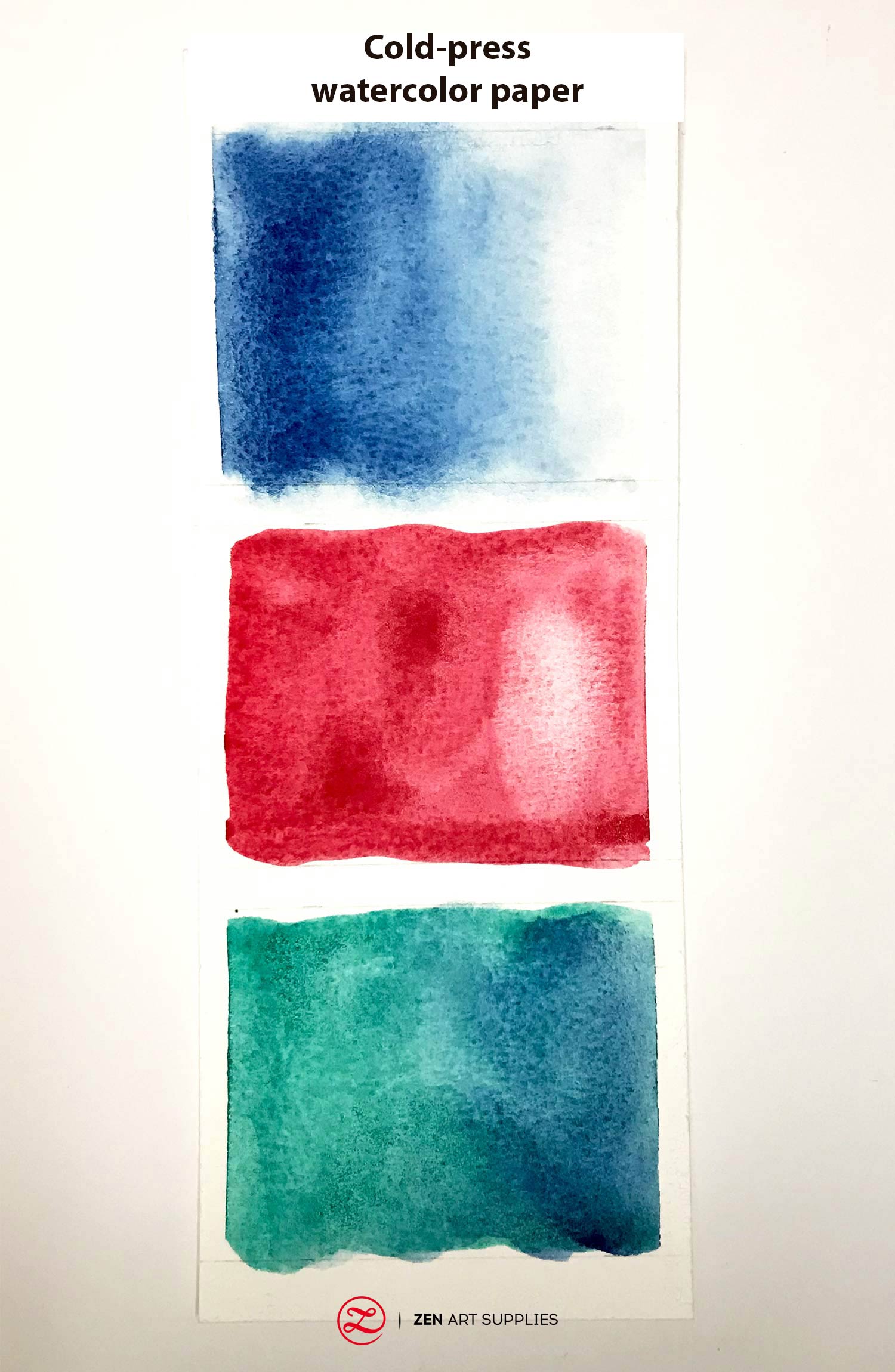
Watercolor canvases offer an alternative to traditional watercolor paper. They allow artists to combine the texture of canvas with the softness of watercolors. This blend creates unique effects that paper alone cannot achieve.
Canvas is usually designed for acrylic or oil paints. It needs special preparation to hold watercolors well. Without this, the paint may not adhere properly or may warp the fabric.
Commercial Watercolor Canvas Options
Some companies produce canvases made specifically for watercolor paints. These canvases have a special surface or coating that absorbs water better. They prevent paint from pooling or running off the surface.
These commercial options save time and effort. They come pre-primed with watercolor ground or a similar product. Artists can start painting immediately without extra preparation.
Watercolor canvases can vary in texture and price. Selecting one depends on your style and budget. Many artists find them useful for mixed media work too.
Preparing Regular Canvas For Watercolors
Regular canvas requires treatment to work well with watercolors. Applying a few coats of watercolor ground or gesso creates a smooth, absorbent surface. This preparation prevents paint from soaking through or spreading unevenly.
Start by stretching or buying a primed canvas. Then, apply thin layers of watercolor ground with a brush or roller. Let each coat dry fully before adding the next. Usually, two to three coats are enough.
Once dry, the canvas feels less absorbent but holds watercolors evenly. This method allows artists to use standard canvas while enjoying watercolor effects.
Canvas Preparation Tips
Preparing your canvas properly ensures water paint adheres well and lasts longer. Water paint behaves differently on canvas than on paper. The surface needs extra care to hold the paint without bleeding or fading. Proper preparation can improve color vibrancy and texture. Here are some effective tips to get your canvas ready for water paint.
Using Watercolor Gesso And Absorbent Ground
Watercolor gesso creates a smooth, absorbent surface on canvas. It prevents paint from soaking too deep and spreading uncontrollably. Apply thin, even coats of watercolor gesso and let each dry fully before adding another. Absorbent ground works similarly by making the canvas surface more porous. This helps water paint stay on top and allows easy blending. Both options improve paint control and color intensity.
Priming Techniques For Better Absorption
Priming the canvas balances paint absorption and texture. Use a soft brush to apply a primer designed for water-based paints. Spread it thinly to avoid rough patches. Let the primer dry completely to create a stable base. Multiple light coats work better than one thick coat. This method stops water paint from soaking too much or losing brightness. Proper priming helps colors stay vibrant and prevents peeling or cracking.
Paint Types For Canvas
Choosing the right paint for canvas affects your artwork’s look and feel. Different paints offer unique textures, drying times, and effects. Understanding these helps you pick the best option for your style and project. Here are popular paint types used on canvas.
Acrylics: Versatile And Fast-drying
Acrylic paints are water-based and dry quickly. They work well on canvas and allow easy layering. Acrylics can mimic watercolors or oils depending on how much you dilute them. Cleanup is simple with soap and water. These paints suit beginners and artists who want fast results. Acrylics hold color well but may need varnish to prevent fading. Their thick versions create rich textures on canvas.
Oils: Rich And Blendable
Oil paints dry slowly, giving time to blend colors smoothly. Their rich pigments create vibrant, deep images. Oils work best on primed canvas to avoid damage. They require special solvents for thinning and cleanup. This paint type suits artists who enjoy detailed work and gradual color changes. Oils also last a long time when properly cared for.
Gouache And Other Alternatives
Gouache is an opaque, water-based paint similar to watercolor but thicker. It can be used on canvas primed to accept water paints. Gouache dries matte and can be reactivated with water. Other alternatives include watercolor with special canvas or gesso coatings. These options allow for different textures and effects beyond traditional acrylic and oil paints. Experimenting with these can add variety to your canvas art.
Watercolor Behavior On Canvas
Watercolor behaves differently on canvas compared to paper. The texture and surface of canvas affect how the paint spreads and dries. Understanding these effects helps artists prepare and adjust techniques for better results. This section explores key challenges and tips for using watercolor on canvas.
Absorbency Challenges
Canvas is less absorbent than watercolor paper. Watercolors tend to pool and bead on the surface. This can cause uneven drying and unexpected color spots. Priming the canvas with a watercolor ground improves absorbency. It creates a surface that holds water and pigment more like paper. Without proper preparation, the paint may slide or drip off.
Maintaining Color Vibrancy
Watercolors look softer and lighter on canvas. The rough texture can dull bright colors. Canvas fibers absorb some pigment, reducing vibrancy. Applying multiple thin layers helps build stronger colors. Using high-quality, intense pigments also keeps colors vivid. Sealing the painting with a clear varnish protects the color and adds depth.
Layering And Blending Difficulties
Layering watercolor on canvas is tricky. The paint dries faster on canvas, limiting blending time. Wet layers can lift or mix unevenly with dry layers. Artists need to work quickly or wait for each layer to dry fully. Blending techniques like wet-on-wet work less smoothly. Using a spray bottle to keep the surface moist can help.
Techniques For Watercolor On Canvas
Watercolor on canvas offers a unique blend of texture and fluidity. It requires specific techniques to work well. Using the right methods helps the paint adhere and display its best colors. Artists can explore new styles by adapting watercolor to canvas surfaces.
Using Absorbent Ground Layers
Canvas must be prepared to hold watercolor properly. Applying an absorbent ground layer creates a suitable surface. This layer soaks up water and prevents colors from spreading too much. Artists often use watercolor gesso or special primers. These grounds keep the paint vibrant and prevent it from peeling. Multiple thin coats work better than one thick layer. Let each coat dry completely before painting.
Combining Acrylics And Watercolors
Acrylics and watercolors can be used together on canvas. Acrylic paint forms a solid base layer that dries fast. Watercolor can then add transparent washes on top. This mix gives depth and texture to the artwork. Use acrylics for bold shapes and details. Add watercolors for soft, flowing color effects. Test how the two paints interact before starting the main piece. This technique expands creative possibilities.
Working With Canvas Texture
Canvas texture affects watercolor’s final look. Rough canvas absorbs more paint and creates a grainy effect. Smooth canvas allows more control over fine details. Choose canvas texture based on the style you want. Use soft brushes to blend colors smoothly on rough surfaces. For detailed work, a tighter canvas weave is best. Embrace the texture as part of the artwork’s charm. Adjust paint and brush pressure to match the canvas feel.
Tools And Materials
Using water paint on canvas requires the right tools and materials. These help you get smooth, vibrant results. Choosing proper brushes, canvas type, and extra supplies matters for success. This section covers what you need to start painting with watercolors on canvas.
Brushes Suitable For Watercolor On Canvas
Soft brushes work best for watercolor on canvas. Look for synthetic or natural hair brushes. Round and flat shapes are useful for different strokes. Bigger brushes hold more water and color for washes. Smaller brushes help with details and fine lines. Avoid stiff bristle brushes that can damage the canvas surface.
Choosing The Right Canvas Surface
Watercolor needs a special canvas surface to hold paint well. Use canvas with a watercolor ground or primer. This coating absorbs water and prevents paint from running. Canvas panels with a smooth texture suit water paint better than rough ones. Stretching your own canvas and applying multiple gesso layers also works. A well-prepared surface keeps colors bright and sharp.
Additional Supplies For Best Results
Keep a spray bottle handy to keep paint moist. Use a palette with wells to mix colors easily. Paper towels or sponges help control water and clean brushes. Masking tape can protect edges and create sharp lines. Have a container for clean water to rinse brushes often. These extra tools make painting easier and improve your final art.
Common Mistakes To Avoid
Using water paint on canvas can yield beautiful results, but certain mistakes can spoil your work. Avoiding common errors helps your painting last longer and look better. Pay attention to how you apply paint and prepare the surface. These tips focus on the most frequent issues artists face.
Overwatering And Paint Lifting
Adding too much water thins the paint too much. Thin paint may not stick well to the canvas. It can cause colors to lift or peel after drying. Use just enough water to keep paint flowing smoothly. Let each layer dry fully before adding another. This prevents lifting and helps maintain color brightness.
Skipping Primer Or Ground Layers
Canvas needs a primer or ground layer before painting. Without it, water paint can soak into the fabric unevenly. This leads to blotchy, weak colors. Use a watercolor ground or gesso designed for water paints. Apply several thin coats, allowing each to dry. This creates a stable surface and improves paint adhesion.
Ignoring Canvas Texture Effects
Canvas texture impacts how water paint behaves. Rough canvas absorbs paint quickly and creates grainy effects. Smooth canvas holds paint on the surface, allowing softer edges. Choose canvas texture based on your style. Test small areas first to see how the paint reacts. Adjust water amount and brush strokes to control texture effects.
Credit: www.youtube.com
Inspiration And Examples
Exploring the use of water paint on canvas opens a world of creative possibilities. Artists blend the delicate transparency of watercolors with the sturdy texture of canvas. This mix offers unique effects and fresh inspiration for painters of all levels.
Many artists experiment with watercolor on canvas, pushing boundaries and discovering new styles. Their work shows how water paint can create soft washes or bold, vibrant layers on this unusual surface.
Artists Using Watercolor On Canvas
Several artists have gained recognition by using watercolor on canvas. They include both professionals and hobbyists. These artists often prepare their canvas with special primers to help the paint adhere better.
They use watercolors to capture light, mood, and delicate details. The transparency of water paint allows for subtle color shifts and layering. This technique adds depth and life to their canvas work.
Popular Styles And Effects
Watercolor on canvas suits many painting styles. Soft landscapes and floral scenes look gentle and natural. Abstract art gains fluid shapes and unpredictable color blends. These effects stand out more on canvas than paper.
Artists also use wet-on-wet and dry brush techniques. The canvas texture adds a tactile feel to the painting. This combination creates a fresh and lively look that draws the viewer’s eye.
Showcase Of Stunning Watercolor Canvas Art
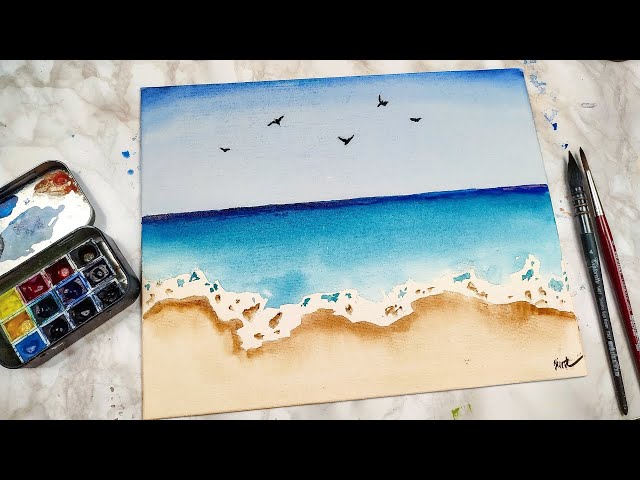
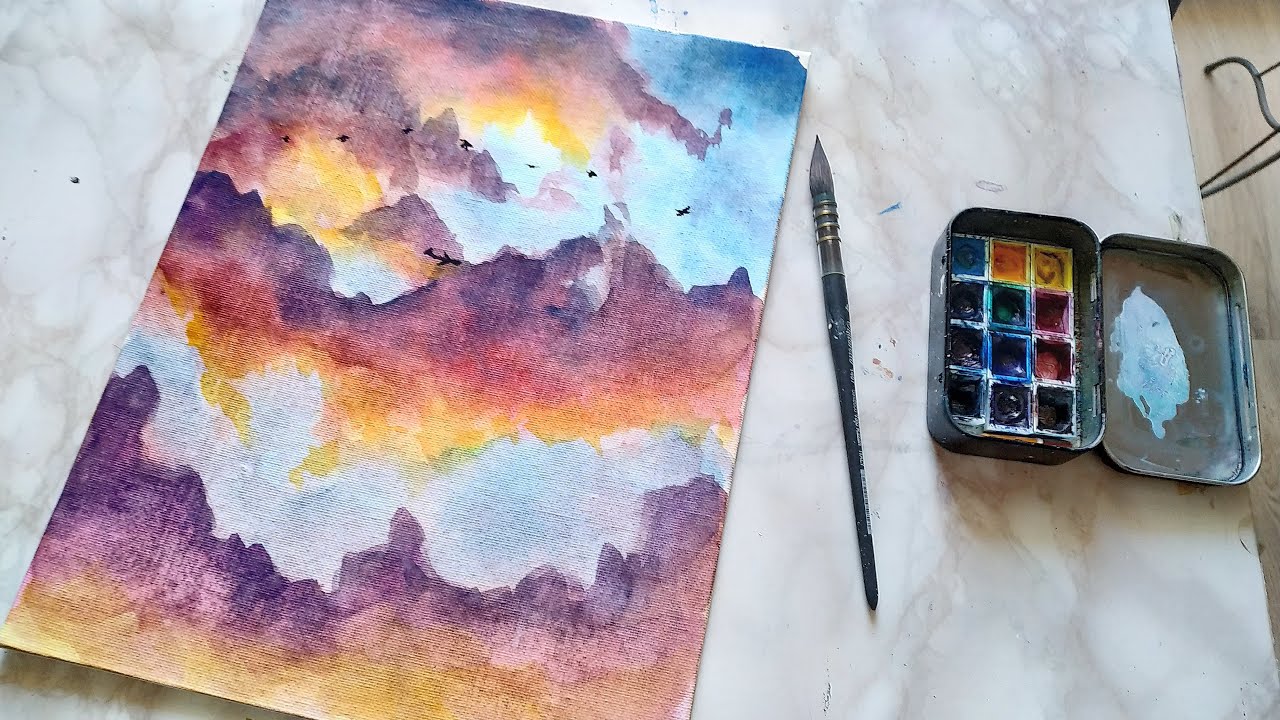
Examples of watercolor canvas art inspire many creators. Paintings with soft gradients and smooth edges show how water paint flows on canvas. Others highlight bold strokes and vibrant splashes of color.
Some artists layer watercolors with acrylic or ink on canvas. This mix enhances textures and visual interest. The results range from dreamy scenes to energetic abstracts, proving water paint’s versatility on canvas.
Credit: www.youtube.com
Frequently Asked Questions
Can You Do Water Paint On Canvas?
Yes, you can use water paint on canvas. Apply watercolor gesso or buy watercolor-specific canvas for best results.
What Kind Of Paint To Use On Canvas?
Use acrylic or oil paints on primed canvas for best results. Acrylics dry fast and suit textured work. Oils blend smoothly and dry slowly for detailed art. Watercolor requires special priming or watercolor canvas. Choose based on your painting style and desired texture.
Will Watercolor Paint Stay On Canvas?
Watercolor paint can stay on canvas if you use specially prepared watercolor canvas or apply watercolor gesso first. Regular canvas absorbs water, causing paint to fade or peel. Proper priming ensures better adhesion and longevity of watercolor on canvas surfaces.
Are Watercolor Paints Good For Canvas?
Watercolor paints can work on canvas if you use specially prepared watercolor canvas or apply multiple coats of watercolor gesso. Regular primed canvas absorbs water too much, causing paint to warp or fade. Proper preparation ensures better adhesion and vibrant results with watercolor on canvas.
Conclusion
Water paint can work on canvas with the right preparation. Use special watercolor canvas or apply watercolor gesso first. This helps the paint stick and prevents warping. Watercolors give a soft, transparent look on canvas. They may not be as vibrant as acrylics or oils.
Experiment with layers and drying times for best results. Canvas offers a sturdy surface for creative watercolor art. Try different methods to see what suits your style. Water paint on canvas is a fun way to create unique artwork.