Your canvas painting deserves more than just a wall—it deserves a frame that highlights its beauty and protects it for years to come. But how do you make the perfect frame that fits your artwork like a glove?
You might think framing is tricky or expensive, but what if you could create a custom frame yourself, tailored exactly to your canvas, without breaking the bank? In this guide, you’ll discover simple, step-by-step methods to make a frame that not only showcases your painting but also adds a personal touch to your space.
Ready to turn your art into a stunning display? Let’s dive into how you can craft your own frame for a canvas painting with ease and confidence.
Materials Needed
Creating a frame for your canvas painting requires specific materials. Having the right supplies makes the process easier and ensures a quality finish. Gather everything before you start to avoid interruptions.
Wood Types
Choose wood that suits your style and budget. Pine is soft, affordable, and easy to cut. Oak offers a strong and classic look. Poplar is smooth and paints well. Consider cedar for a natural, rustic feel. Select wood that matches your painting size and weight.
Tools And Hardware
You need basic tools for cutting and assembling the frame. A miter saw or hand saw helps cut precise angles. Use a hammer or nail gun to join pieces. Wood glue adds extra strength. Corner brackets or L-brackets keep corners stable. Sandpaper smooths rough edges for a clean finish.
Measuring Supplies
Accurate measurements are crucial for a perfect frame fit. Use a tape measure to get canvas dimensions. A carpenter’s square ensures right angles. Mark cutting lines with a pencil for precision. Double-check measurements before cutting wood pieces.
Choosing Frame Style
Choosing the right frame style sets the tone for your canvas painting. It enhances the artwork and complements your space. The frame style depends on your taste and the painting’s theme. Each style offers a unique look and feel. Here are three popular frame styles to consider.
Traditional Frame
A traditional frame gives a classic and elegant look. It often features ornate designs or simple, clean lines. This style works well with landscapes and portraits. Use wood or metal materials for durability. Traditional frames fit tight around the canvas edges. They add a polished, finished appearance to your painting.
Floating Frame
A floating frame creates a modern, sleek effect. The canvas appears to “float” inside the frame with space around the edges. This style highlights the painting without covering any part of it. It suits contemporary and abstract artworks well. Floating frames use thin wood or metal strips. They give depth and visual interest to your canvas.
Simple Wood Frame
A simple wood frame offers a natural and minimal look. It uses plain wood with little or no decoration. This style fits rustic, casual, or nature-themed paintings. Simple wood frames are easy to make and affordable. They bring warmth and charm to any artwork. Choose light or dark wood tones based on your decor.
Measuring The Canvas
Measuring the canvas is the first step in creating a perfect frame for your painting. Accurate measurements ensure the frame fits well and supports the artwork properly. Take your time to measure carefully for a clean, professional look.
Determining Canvas Size
Start by measuring the width and height of the canvas. Use a metal tape measure for precise results. Measure at the canvas edges, not including any extra fabric or stapling. Write down the exact numbers in inches or centimeters. These numbers will guide your frame dimensions.
Allowing For Frame Depth
Consider the thickness of your canvas when measuring. Most canvases have a depth between 1 to 2 inches. Add this depth to your frame size to ensure the canvas fits inside without bending. If your frame is too shallow, the canvas may not sit properly or could get damaged.
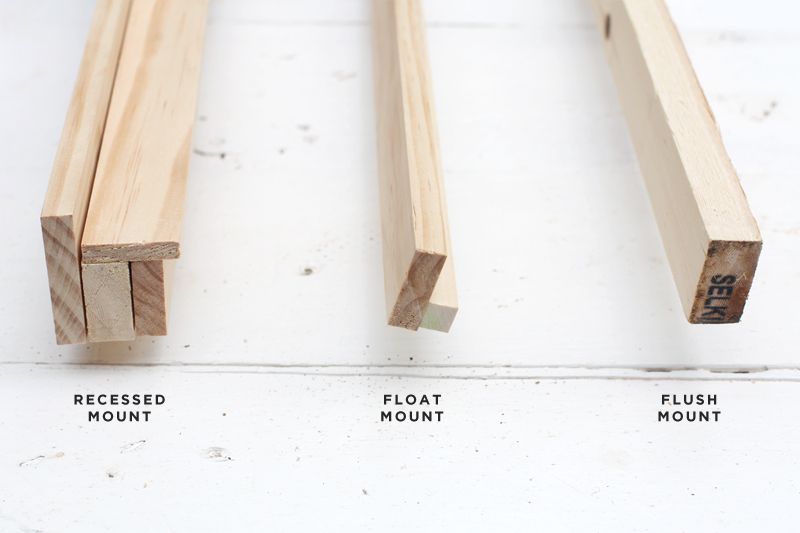
Credit: abeautifulmess.com
Cutting The Wood
Cutting the wood is a key step in making a frame for your canvas painting. The wood pieces must fit perfectly to hold the canvas securely. Accurate cutting ensures a clean and strong frame. Take your time to measure and cut carefully. The quality of your frame depends on these precise actions.
Measuring And Marking
Start by measuring the dimensions of your canvas. Use a tape measure to get exact lengths. Mark the wood pieces clearly with a pencil. Mark both length and angle points for each piece. Double-check your measurements before cutting. Clear marks help guide your saw for straight cuts.
Making Accurate Cuts
Use a miter saw or a hand saw for clean edges. Cut along the pencil marks slowly and steadily. Make sure the saw blade is sharp for smooth cuts. Cut the wood at 45-degree angles to fit corners perfectly. Sand the edges lightly after cutting to remove splinters. Accurate cuts create a neat and sturdy frame.
Assembling The Frame
Assembling the frame for your canvas painting brings your artwork to life. It shapes the edges, protects the canvas, and adds a polished look. This step requires precision and care for a perfect fit. Each part must align well to hold the canvas securely. The process starts with joining the corners of the frame.
Joining Corners
Cut the frame pieces to size with 45-degree angles at the ends. These angled cuts help the corners fit tightly together. Use wood glue on the edges for a strong bond. Clamp the corners firmly and let the glue dry fully. For extra strength, add finishing nails or small screws into the joints. Check that all corners form perfect right angles before proceeding. Well-joined corners create a sturdy frame base that lasts.
Adding Braces For Stability
Braces keep the frame square and steady over time. Attach small wooden braces inside the corners using wood glue and screws. These braces prevent the frame from warping or loosening. Place them flat against the corner joints for maximum support. For larger frames, add a center brace across the middle. This extra support stops sagging and keeps the canvas tight. Strong braces ensure your frame holds the canvas firmly without wobbling.

Credit: www.youtube.com
Attaching The Canvas
Attaching the canvas to the frame is a key step in framing your painting. It ensures the artwork stays secure and looks neat. This process can be done in several ways depending on your tools and preference. Proper attachment also protects the canvas from damage over time.
Using A Point Driver
A point driver is a handy tool for fixing the canvas to the frame. It pushes small points or brads into the wooden frame, holding the canvas tightly. This method is quick and offers strong support. Place the canvas on the frame, then use the point driver along the edges. Space the points evenly for the best hold. This method keeps the canvas flat and prevents sagging.
Alternative Adhesive Methods
Some people use glue or adhesive tape to attach the canvas. Strong wood glue can bond the canvas stretcher bars to the frame. Apply glue carefully to avoid wrinkles on the canvas. Double-sided tape works well for lighter canvases and temporary displays. Choose adhesives that dry clear and do not damage the fabric. This method is useful if you lack a point driver or want a clean finish without visible points.
Finishing Touches
Finishing touches bring your frame to life. They create a polished look and protect the wood. These steps help your frame last longer and look professional. Focus on smoothing, coloring, and sealing the frame carefully. Each detail matters for a clean finish.
Sanding And Smoothing
Start by sanding the frame with fine-grit sandpaper. This removes rough edges and splinters. Smooth surfaces help paint or stain stick better. Sand all sides evenly, including corners. Wipe away dust with a dry cloth before moving on.
Painting Or Staining
Choose paint or stain that matches your style. Paint offers bold colors and a clean look. Stain highlights the wood grain for a natural feel. Apply thin, even coats with a brush. Let each coat dry fully before adding another. This prevents drips and uneven color.
Sealing The Frame
Seal the frame to protect it from damage. Use clear varnish, polyurethane, or wax. Apply with a brush or cloth in smooth strokes. Sealing guards against moisture, dust, and fading. Allow the sealant to dry completely before framing your canvas.
Diy Frame Benefits
Making your own frame for a canvas painting offers several advantages. It gives control over style, size, and material. DIY framing helps match your artwork perfectly with your room decor. It also provides a rewarding creative experience and can save money.
Cost Savings
Buying a ready-made frame or using professional framing services can be expensive. DIY framing cuts costs by using affordable materials. You avoid high retail prices and framing fees. This method is budget-friendly, especially for larger artworks. Saving money allows you to invest in better paint or canvas.
Customization Options
DIY frames let you choose wood type, color, and finish. You can create unique designs that fit your taste. Adjust the frame thickness and style to suit your painting. Customization helps highlight your art’s best features. It also ensures the frame fits exactly around your canvas.
Suits Large Canvases
Large canvases often need custom frames, which cost more. DIY framing handles big sizes without extra charges. You control measurements to fit oversized or unusual shapes. This flexibility lets you frame any canvas size easily. It also reduces the hassle of finding a perfect pre-made frame.
Common Mistakes To Avoid
Building a frame for a canvas painting is rewarding but tricky. Avoiding common mistakes saves time and ensures a strong, attractive frame. These errors can cause damage or make the frame unstable. Focus on key areas during the process to get the best results.
Incorrect Measurements
Measuring the canvas or wood pieces wrongly causes poor fit. Frames too tight can warp the canvas. Frames too loose look sloppy and offer less protection. Always measure twice before cutting. Use a reliable tape measure and mark clearly. Check the canvas size including depth for proper frame width.
Weak Joints
Weak frame joints lead to wobbling or falling apart. Simply nailing pieces together is not enough. Use wood glue along with screws or nails for strong bonds. Clamps help hold parts tightly while glue dries. Choose corner braces for extra support, especially on larger frames. Strong joints make the frame durable and neat.
Improper Canvas Attachment
Attaching the canvas incorrectly can damage the artwork. Avoid stapling too close to the edge to prevent tearing. Stretch the canvas evenly to avoid wrinkles or sagging. Use a point driver or fine staples for secure holding. Make sure the canvas stays flat and tight on the frame. Proper attachment protects the painting and improves display.

Credit: www.whatsurhomestory.com
Frequently Asked Questions
What Is The Best Way To Frame A Canvas Painting?
The best way to frame a canvas painting is using a traditional or floating frame. Secure the canvas with a point driver or adhesive for stability. DIY wooden frames offer budget-friendly, customizable options. Choose a frame that complements the artwork and ensures proper support and display.
Is It Cheaper To Diy A Canvas Frame?
DIY canvas frames usually cost less by saving on materials and labor fees. Large canvases benefit most from DIY savings. Using basic wood and simple tools keeps expenses low. Avoiding retail and professional framing markups makes DIY framing budget-friendly and customizable.
Can I Put A Frame Around A Canvas Painting?
Yes, you can frame a canvas painting using a float frame or traditional frame for a polished look. Float frames create a gap, showcasing the canvas edges. Use stretcher bars or buy custom frames to fit your canvas size perfectly.
How Do You Frame Unframed Canvas?
Stretch the canvas tightly over stretcher bars. Secure with staples or a staple gun on the back. Attach a wooden or floating frame around it.
Conclusion
Making a frame for your canvas painting adds a personal touch to your art. It protects the edges and enhances its look. Using simple wood and basic tools keeps costs low. You can match the frame style to your room’s decor.
Take your time measuring and assembling for the best fit. Framing your canvas yourself gives a sense of pride and accomplishment. Try different styles until you find what suits your painting best. Enjoy showcasing your artwork with a frame you built yourself!