
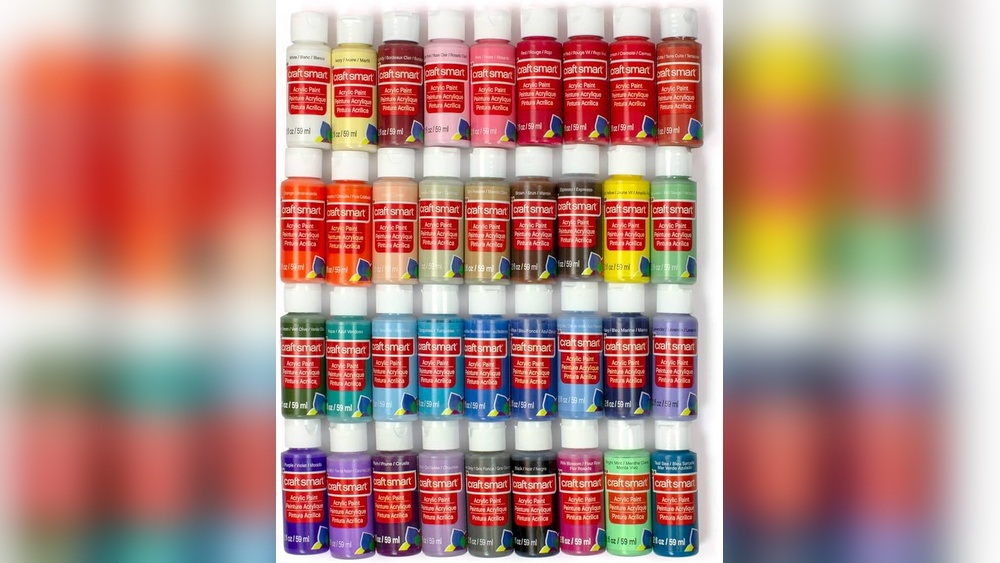
Are you wondering if Craft Smart acrylic paint is safe for you and your loved ones? Whether you’re crafting with kids, exploring your artistic side, or just want peace of mind, knowing whether the paint you use is non-toxic matters a lot.
You don’t want to worry about harmful chemicals sneaking into your creative projects. You’ll discover the truth about Craft Smart acrylic paint’s safety, what “non-toxic” really means, and important tips to keep your crafting experience worry-free. Keep reading to find out if this popular paint is the right, safe choice for your next masterpiece.
What Non-Toxic Actually Means on a Paint Label
The phrase non-toxic shows up on nearly every craft product, yet it is often misunderstood. In the United States, art materials are reviewed under a standard for toxicological evaluation, and conforming products usually carry a seal or statement on the label. That review looks at whether the product contains ingredients in amounts likely to cause harm through normal use, including chronic effects. It does not mean a product is safe to eat or that it is risk-free in every situation.
When you want to judge any acrylic paint, the label on your specific bottle is the best source. Look for a conformance statement, the list of any cautions, and the manufacturer’s contact details. Manufacturers can supply a safety data sheet on request, which lists ingredients and handling advice. Formulas can change over time, so a label you read today is more reliable than a claim you read years ago.
Non-toxic Composition
Craft Smart acrylic paint is known for its safe, non-toxic composition. This makes it a popular choice for children, beginners, and hobbyists. The paint’s formula avoids harmful chemicals, focusing on user safety without sacrificing quality. It allows for worry-free creative projects at home, school, or workshops.
Water-based Formula
Craft Smart acrylic paint uses a water-based formula. This means it contains no harsh solvents or toxic chemicals. Water-based paints are safer for indoor use and reduce health risks. They also dry quickly and maintain vibrant colors for lasting artwork.
Low Odor And Easy Cleanup
The paint produces very little odor, making it comfortable to use in small spaces. Its low odor reduces irritation to eyes and respiratory systems. Cleanup is simple with just soap and water, avoiding the need for strong chemicals or solvents.
Safety Certifications
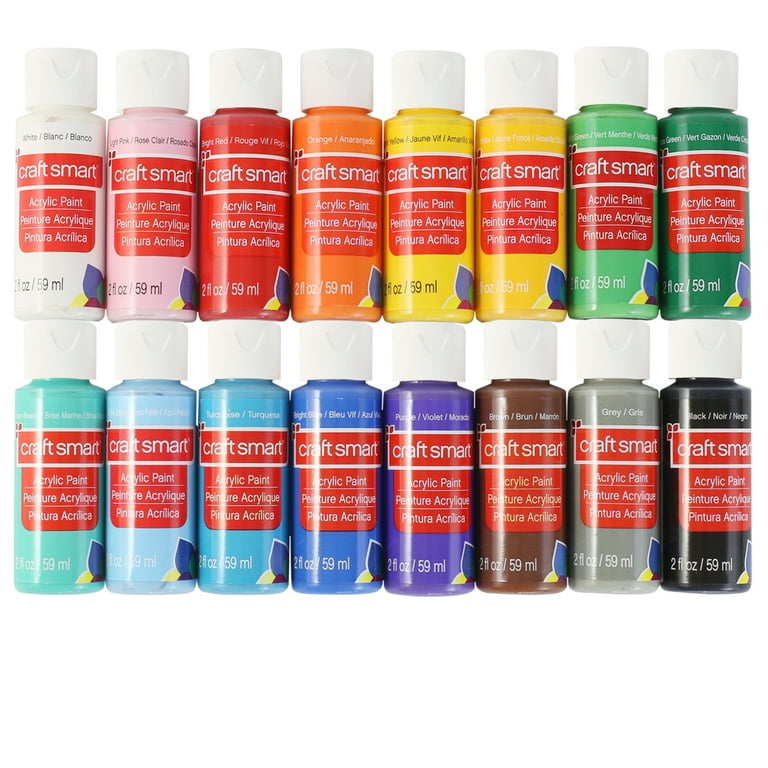
Craft Smart acrylic paint often carries safety certifications like AP Non-Toxic Seal. These certifications confirm the paint meets strict health and safety standards. The seal assures users that the paint is free from harmful substances and safe for general craft use.
Credit: www.walmart.com
Health And Safety Considerations
Health and safety are important when using Craft Smart acrylic paint. Understanding how this paint affects people and pets helps avoid problems. This section explains key points about safety with this product.
Use Around Children
Craft Smart acrylic paint is labeled non-toxic. It means it is safer for children to use. Still, children should not eat or put paint in their mouths. Supervision is important to prevent accidents. Use in a well-ventilated area to avoid breathing in fumes. Keep paint away from eyes and face to avoid irritation.
Risks For Skin Contact
The paint is water-based and low in odor, making it gentle on skin. Minor skin contact usually causes no harm. Wash skin with soap and water after use. Avoid prolonged contact to prevent irritation or allergic reactions. Do not use the paint for face or body painting as it is not made for that purpose.
Pet Safety Guidelines
Acrylic paint like Craft Smart is generally non-toxic to pets in small amounts. Ingesting large amounts may cause mild stomach upset. Keep pets away from wet paint and painting areas. Clean any spilled paint quickly to avoid pets licking it. Watch your pets for unusual signs after exposure and contact a vet if needed.
Comparing Craft Smart To Other Brands
Choosing the right acrylic paint affects your art and safety. Craft Smart is popular for being budget-friendly and non-toxic. Comparing it with other brands helps understand its benefits and limits. This section reviews Craft Smart alongside Apple Barrel and Crafter’s Acrylic Paint.
Both Apple Barrel and Crafter’s offer non-toxic, water-based formulas. They are safe for kids and casual artists. Let’s see how these paints compare in quality, safety, and use.
Apple Barrel Acrylic Paint
Apple Barrel paint is water-based and AP certified non-toxic. It has a smooth texture and rich colors. The paint dries to matte, satin, or gloss finishes. It is easy to clean with soap and water. Apple Barrel is favored for school projects and crafts.
Its pigments are permanent and lightfast. This means colors stay bright over time. It suits both beginners and experienced painters. The brand focuses on safe, affordable art supplies.
Crafter’s Acrylic Paint
Crafter’s acrylic paint is also water-based and non-toxic. It offers good coverage with just two coats. The colors are vibrant and permanent. Cleaning up is simple with water and soap.
This paint is popular for home crafts and DIY projects. It provides durable results that resist fading. The texture is slightly thicker than Craft Smart, making it good for detailed work.
Key Differences And Similarities
All three brands—Craft Smart, Apple Barrel, and Crafter’s—are non-toxic and water-based. They clean up easily and are safe for casual use. Each brand offers bright, permanent colors that dry quickly.
Craft Smart often costs less than the others. It has a thinner consistency, which some artists prefer for smooth layers. Apple Barrel has more finish options and a wider color range. Crafter’s paint is thicker and better for texture and detail.
Safety-wise, all meet standard non-toxic guidelines. None are meant for skin use or ingestion. Overall, the choice depends on your project needs and preferred paint feel.

Credit: www.amazon.com
Usage Recommendations
Understanding the proper usage of Craft Smart acrylic paint ensures safety and better results. Follow recommended practices to make your painting experience safe and enjoyable. These guidelines help maintain the paint’s quality and protect your health.
Suitable Surfaces
Craft Smart acrylic paint works well on many surfaces. Use it on paper, canvas, wood, fabric, and ceramics. Avoid using it on surfaces that absorb paint too quickly. Test on a small area before starting your project. This paint adheres best to clean, dry surfaces.
Avoiding Skin Application
This paint is non-toxic but not made for skin use. Do not apply it directly to your skin or face. It can cause mild irritation or allergic reactions. If paint touches your skin, wash it off quickly with soap and water. Keep it away from children’s mouths and eyes.
Proper Cleanup Practices
Clean brushes and tools immediately after use. Use warm water and mild soap for easy cleanup. Avoid harsh chemicals to protect your brushes. Dry the paint before washing fabric or other items. Proper cleanup keeps your tools in good shape and prevents paint buildup.
Consumer Experiences
Consumer experiences reveal real insights about Craft Smart acrylic paint safety. Many users share their honest views about the non-toxic claim. These personal accounts help others decide if the paint fits their needs.
Feedback comes from hobbyists, parents, and teachers. Each group focuses on safety and usability. Their stories highlight both positive and cautionary points.
Customer Reviews
Most customers agree Craft Smart acrylic paint is safe for everyday use. Many appreciate its water-based formula and low odor. Parents often mention using it with children without issues. The ease of clean-up with soap and water is a common praise.
Some users note mild skin irritation when paint stays on the skin too long. Few report allergic reactions, but these cases are rare. Overall, the paint receives high marks for safety in crafting projects.
Common Concerns
Some consumers worry about accidental ingestion by children or pets. Although labeled non-toxic, ingestion should still be avoided. Pet owners mention mild stomach upset if pets lick the paint. Experts recommend supervising young kids during painting activities.
Another concern is using the paint on skin or face. Craft Smart advises against skin application. Users confirm irritation can occur if paint dries on the skin. Following label warnings helps prevent such issues.
Expert Opinions
Art supply experts confirm Craft Smart acrylic paint meets safety standards. The water-based formula reduces harmful chemical exposure. Non-toxic certification assures it contains no heavy metals or toxic solvents.
Experts stress the paint is safe for crafts, not for consumption. They advise washing hands after use and avoiding prolonged skin contact. Overall, professionals consider it a suitable choice for schools and home projects.

Credit: www.walmart.com
Where To Buy Craft Smart Acrylic Paint
Finding Craft Smart acrylic paint is easy for artists and hobbyists. Many places offer this popular paint brand. Knowing where to purchase can save time and money. Below are common options to buy Craft Smart acrylic paint.
Online Retailers
Many online stores sell Craft Smart acrylic paint. Websites like Amazon and Walmart have wide selections. Shopping online offers convenience and home delivery. You can compare prices and read reviews before buying. Online stock is usually updated frequently.
Physical Stores
Craft Smart paint is available at craft supply shops. Stores like Michaels and Hobby Lobby often carry this brand. Visiting a store lets you see colors in person. You can get advice from store staff. Sometimes local art shops also stock Craft Smart paints.
Price And Availability
Prices vary depending on the store and paint size. Online deals can offer lower prices or bundles. Physical stores may have sales during holidays. Availability depends on location and demand. Checking both online and offline sources helps find the best offer.
Is Craft Smart Acrylic Paint Non Toxic for Kids? Practical Guidelines
Craft paints marketed for general crafting are widely used in classrooms and at home. Safety still depends on how they are used. Follow these habits whether you use this brand or another.
- Supervise young children at all times and keep paint away from mouths and eyes.
- Have children wash hands with soap and water after painting.
- Use paint in a space with fresh air, even when the product has low odor.
- Cover surfaces and clothing to prevent skin contact and staining.
- Do not use craft paint on food-contact items unless the label says it is intended for that.
Reading Ingredients and Safety Data Sheets
A safety data sheet is a standard document that covers composition, hazards, first aid and disposal. For acrylic paints, you will typically see water, acrylic polymer, pigments and small amounts of additives such as preservatives. The sheet also tells you what to do after skin or eye contact, and how to dispose of leftovers. If anyone in your household has allergies or sensitive skin, checking this document is more reliable than assuming.
| What to check | Why it matters |
|---|---|
| Conformance seal or statement | Shows the product was evaluated for art-material safety |
| Age labeling | Guides whether the product is intended for children |
| Warnings | Flags any hazards, such as for certain colors or spray products |
| Safety data sheet | Lists ingredients and handling information |
| Manufacturer contact | Lets you ask about a specific color or batch |
Where Paint Safety Problems Usually Come From
With water-based craft paints, the main concerns are rarely about the paint in the bottle. They come from what happens around it. Sanding dried paint creates dust that should not be inhaled. Spray sealers and varnishes used over painted projects have their own warnings, and often much stronger fumes than the paint. Heating or burning painted items can release unpleasant fumes. Mixing paint with other products, such as solvents or glues, changes the safety picture. Reading the label of each product you add to a project matters as much as reading the paint label.
Painting Safely Around Pets and Babies
Pets may lick paint, drink rinse water or chew on painted objects. Keep paint, brushes and water jars out of their reach, and let projects dry completely before placing them where animals can chew them. If a pet swallows paint or you are unsure what it ate, contact a veterinarian or a poison control service for advice. For babies and toddlers, small parts, loose brushes and open containers are physical hazards even when the paint itself is labeled non-toxic.
Cleanup and Disposal Without Harming Drains or Skin
Wipe brushes on paper towels before rinsing, so less paint goes into the water. Wash skin with soap and water instead of solvents. Let small leftover amounts of acrylic dry and harden in the container, then dispose of them with household waste according to local rules. Large quantities of liquid paint are better handled through a local collection program. Avoid pouring significant amounts of paint down household drains or outdoors, since acrylic polymer can build up in plumbing and is not good for the environment.
Choosing a Paint Based on Safety Needs
If you paint with young children, look for a product that is clearly labeled for their age group and carries a safety conformance statement. If you are an adult hobbyist working on durable projects, consider how the item will be used. A painted toy, a piece of garden decor and a wall art canvas call for different expectations. When a project will be mouthed by a child or used with food, choose products explicitly designed for that use and follow the manufacturer’s instructions.
Frequently Asked Questions
Is Craft Smart Acrylic Paint Nontoxic?
Craft Smart acrylic paint is non-toxic and water-based, making it safe for general art and craft use. Avoid skin contact and ingestion.
Which Brand Of Acrylic Paint Is Non-toxic?
Apple Barrel, Craft Smart, and DecoArt Crafter’s acrylic paints are non-toxic, water-based, and safe for general use.
Is Crafter’s Acrylic Paint Toxic?
Crafter’s acrylic paint is non-toxic, water-based, and safe for general use. Avoid ingestion and skin contact. Clean up with soap and water.
Is Craft Smart Acrylic Paint Safe For Dogs?
Craft Smart acrylic paint is non-toxic but can cause mild stomach upset if dogs ingest it. Monitor pets and consult a vet if needed.
Conclusion
Craft Smart acrylic paint is generally non-toxic and water-based. It cleans up easily with soap and water. This paint is safe for most art and craft projects. Avoid using it on skin or for face painting. Always check the label for specific safety details.
Keep paints away from small children and pets to prevent accidental ingestion. Using Craft Smart paint allows for creative work with less worry about toxicity. Choose it for safe, fun crafting sessions.





One Comment