
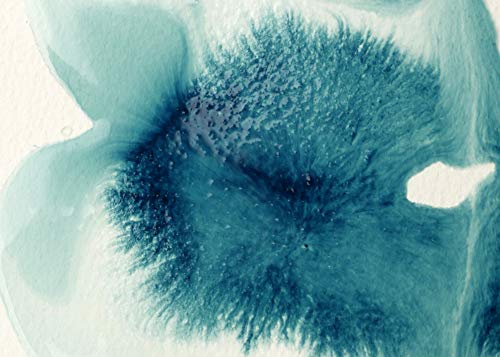
Liquitex Professional delivers consistent color, clean finishes, and reliable results for acrylic artists.
You want pro-grade results without fighting your paint. Maybe your glazes streak. Maybe your varnish goes cloudy. Or maybe your pours craze overnight. I have been there. In this Liquitex Professional review, I break down the mediums and paint that make acrylic work feel smooth, stable, and repeatable—even in a busy home studio. If you want clean flow, glossy protection, or thick, bold texture, these picks solve real problems fast. I tested on canvas, wood panels, and paper to see what holds up in 2026 conditions. Let’s make your next session easier.

Liquitex Professional Effects Medium, 118ml…
A binder-free aqueous solution with surfactants. Use in conjunction with any acrylic medium or acrylic color when increased flow and absorption and decreased film tension and friction are required. Great…

Liquitex Professional Gloss Varnish, 473ml…
Archival; Permanent; Non-Removable; Gloss finish Lightweight, non-toxic; Dries to a non-tacky, hard, flexible surface; Non-yellowing and water-resistant when dry Includes 16-oz / 473ml bottle of medium Intermixable with Liquitex Professional…

Liquitex Professional Fluid Medium, 473ml…
Thick, creamy with satin finish; Good pigment load Retains peaks and brush strokes; Ideal for learning color theory and color mixing Includes 250ml tube of acrylic paint Intermixable with Liquitex…
Liquitex Flow Aid, 4 oz Effects Medium
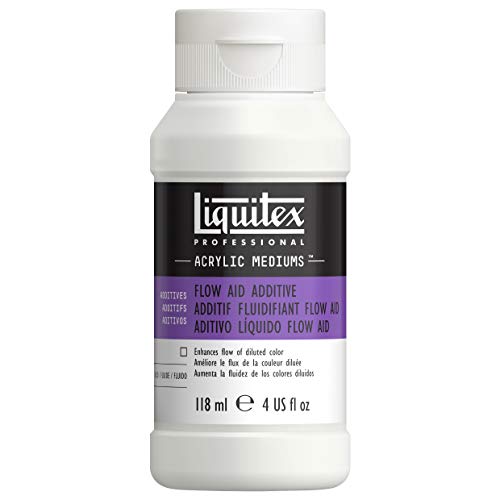
In this Liquitex Professional review, Flow Aid is my go-to fix for drag and brush lines. It is a concentrate that breaks surface tension so acrylics flow like ink. I mix it 1:20 with distilled water, then add that mix to paint. It turns stubborn paints into smooth, even strokes with fewer visible edges. If you like long lines, fine script, or even watercolor-like washes, this is a smart tool.
On canvas and primed paper, Flow Aid helps paint settle and spread without fighting the ground. I use tiny amounts with opaque colors to avoid losing coverage. It also helps reactive edges when you blend wet into wet. For lettering or line art with acrylic markers and brush pens, it reduces skipping and helps pigment sit flat.
Pros:
- Boosts flow and leveling for smooth, even coats
- Allows watercolor-style washes with acrylics
- Great for lettering, line work, and fine detail
- Economical concentrate; a little goes a long way
- Reduces brush drag and visible stroke edges
- Helpful on absorbent grounds that normally cause skipping
- Compatible with all acrylic brands and mediums
Cons:
- Requires careful dilution; too much can weaken coverage
- Can cause beading on unprimed or oily surfaces
- Small bottle; heavy users will go through it fast
My Recommendation
Flow Aid shines if you love smooth glazes, crisp lines, or ink-like passages. In my studio, it lives near my detail brushes. I use it to tame heavy pigments and to get clean strokes on gessoed wood. If you do botanical work, script, or delicate glazing, it earns a spot. As this Liquitex Professional review has shown, control is the theme here. Your colors will lie down without a fight, and you will see fewer hard edges.
| Best for | Why |
|---|---|
| Fine line work | Improves flow for long, clean strokes |
| Glazing and staining | Reduces surface tension for even, thin layers |
| Detail on absorbent grounds | Limits skipping and patchy coverage |
Liquitex Gloss Varnish, 16 oz

This Liquitex Professional review would not be complete without a clear coat that actually stays clear. The Gloss Varnish gives a high-gloss finish that deepens color and adds a clean, smooth surface. It is water-based, non-yellowing, and dries to a durable film. I brush it on in thin, even coats, letting each coat dry fully before the next.
On finished acrylic paintings, it locks in color and makes blacks look deeper and reds more saturated. It helps protect from dust, smudges, and light handling. It is permanent when dry, so apply with care and test first. If you want an easy, glossy finish on indoor works, this one is reliable and simple to use.
Pros:
- High-gloss finish that boosts color depth
- Non-yellowing and water-based for easy cleanup
- Levels well when applied in thin coats
- Reduces dust embedding and minor scuffs
- Large 16 oz size is good value for studios
- Dries clear on light and dark colors
Cons:
- Permanent; not designed to be removed once cured
- Can streak if applied too thick or overworked
- Sensitive to humidity during drying; needs a dust-free space
My Recommendation
If you want a glossy, punchy finish that makes colors pop, pick this. It is ideal for indoor acrylic paintings and display pieces. I reach for it when clients request shine and depth. As noted throughout this Liquitex Professional review, consistency matters. This varnish gives you a repeatable finish with a short learning curve, as long as you keep coats thin and patient.
| Best for | Why |
|---|---|
| Glossy gallery finish | Deepens color and adds a glass-like sheen |
| Indoor acrylic paintings | Durable, clear, non-yellowing protection |
| Budget-minded studios | 16 oz size offers strong value |
Liquitex Gloss Fluid Medium, 16 oz

In this Liquitex Professional review, the Gloss Fluid Medium is the quiet workhorse. It extends paint, increases transparency, and adds gloss without breaking the paint film. I use it for glazing layers, bright color veils, and smooth blends that need more open time. It also works as a binder for pigment powders and as a collage adhesive for lightweight papers.
The finish is glossy and clean. It helps keep layers flexible and stable. When I need color intensity without extra thickness, this medium is my pick. It is not a varnish, so do not use it as your final coat. Use it inside your painting to fine-tune body, flow, and shine.
Pros:
- Extends paint without weakening film strength
- Boosts gloss and transparency for rich glazes
- Levels well for smoother brushwork
- Good binder for pigments and light collage
- Works across brands and colors
- Helps keep layers flexible over time
Cons:
- Very glossy; not ideal if you want a matte look
- Can lengthen dry time in cool, humid rooms
- Not a substitute for a final varnish
My Recommendation
If you love glazing and subtle blends, get this medium. It brings shine and clarity to color, with a smooth, even hand. I rely on it for transparent layers that need strength. As I noted in this Liquitex Professional review, control and predictability are key. This gives you both, and it plays nicely with Flow Aid for super smooth films.
| Best for | Why |
|---|---|
| Glazing layers | Transparent, glossy films that hold strong |
| Smooth blends | Levels brush marks and adds flow |
| Collage and pigments | Acts as a binder and adhesive for light papers |
Liquitex Gloss Pouring Medium, 32 oz

This Liquitex Professional review takes a hard look at pouring. The Gloss Pouring Medium gives smooth, glassy pours with fewer cracks and less crazing. It is self-leveling and dries to a flexible, high-gloss film. I mix most paints 1:1 or 2:1 medium to paint, depending on pigment strength and flow.
Do not add water. Water can cause clouding or weak films. Instead, fine-tune with a tiny bit of Flow Aid mix if needed, or adjust your medium ratio. I pour on a leveled surface and pop bubbles with a butane torch or heat gun held at a safe distance. In normal room conditions, touch-dry can happen in 24 hours, but full cure takes longer. Let it sit dust-free for best clarity.
Pros:
- Self-levels for smooth, glassy pours
- Helps reduce cracking and crazing
- High gloss that enhances color depth
- Flexible film after curing
- Large 32 oz size supports bigger pours
- Predictable results with simple ratios
Cons:
- Pricey for large-scale projects
- Sensitive to humidity and dust during cure
- Cells may need additives or technique; not automatic
My Recommendation
If you love acrylic pouring, this is a safe, stable medium. It makes a huge difference in finish quality. I suggest it for artists who want fewer surface issues and more gloss. As I repeat in this Liquitex Professional review, consistency wins. With basic ratios and a level surface, your pours will look clean and pro.
| Best for | Why |
|---|---|
| Acrylic pouring art | Self-leveling, glossy, and flexible films |
| Large panels | 32 oz size supports multiple medium-to-big pours |
| Color depth and shine | High-gloss finish amplifies saturation |
Liquitex Heavy Body, 2 oz Titanium White

Every Liquitex Professional review needs to talk about white. This Heavy Body Titanium White is buttery and opaque. It has a high pigment load and great coverage. It holds knife marks and brush strokes well. On canvas, it builds highlights fast and tints colors with a clean, cool bias.
The film dries flexible with a satin-to-matte look, depending on mix and ground. It is AP-certified non-toxic and rated excellent for lightfastness. I use it to block in, to mix pastel tones, and to pull sharp edges in alla prima work. It pairs well with all the Liquitex mediums in this review, especially Gloss Fluid Medium when I want smoother blends.
Pros:
- Dense, opaque coverage with clean titanium white (PW6)
- Buttery consistency holds impasto and texture
- Excellent lightfastness for lasting highlights
- Mixes smoothly to create pastels and tints
- AP-certified non-toxic
- Works with knives and stiff bristle brushes
Cons:
- 2 oz tube runs out fast for large pieces
- Very opaque; not ideal for transparent glazes
- Can cool mixes more than some prefer
My Recommendation
If you paint with acrylics, this white should be on your cart. It is reliable for coverage, mixing, and texture. I use it daily for highlights, scumbles, and ground preparation. In the larger scope of this Liquitex Professional review, Heavy Body Titanium White is a backbone color. It responds well to mediums and keeps a strong, stable film.
| Best for | Why |
|---|---|
| Impasto highlights | Holds knife and brush texture |
| Tinting and pastels | Opaque, clean mixes without chalkiness |
| Ground and block-ins | Strong coverage and fast setup |
FAQs Of Liquitex Professional review
Is Liquitex Gloss Varnish removable?
No. It is designed as a permanent, non-removable varnish once cured. Test before use.
Can I add water to Liquitex Pouring Medium?
No. Avoid water. Water can cause clouding, weak films, and crazing in pours.
What is the best ratio for Liquitex Pouring Medium?
Start 1:1 or 2:1 medium to paint. Adjust by pigment strength and desired flow.
How do I use Liquitex Flow Aid safely?
Dilute 1:20 with distilled water. Add that mix sparingly to your paint.
Is Liquitex Heavy Body Titanium White lightfast?
Yes. It has excellent lightfastness and is AP certified non-toxic.
Final Verdict: Which Should You Buy?
If you want the biggest upgrade fast, choose Liquitex Gloss Fluid Medium, 16 oz. It improves flow, richness, and strength across most painting styles.
This Liquitex Professional review shows a clear theme: control. Use Gloss Varnish for shine, Flow Aid for fine detail, Pouring Medium for glassy pours, and Heavy Body White for power mixes.




