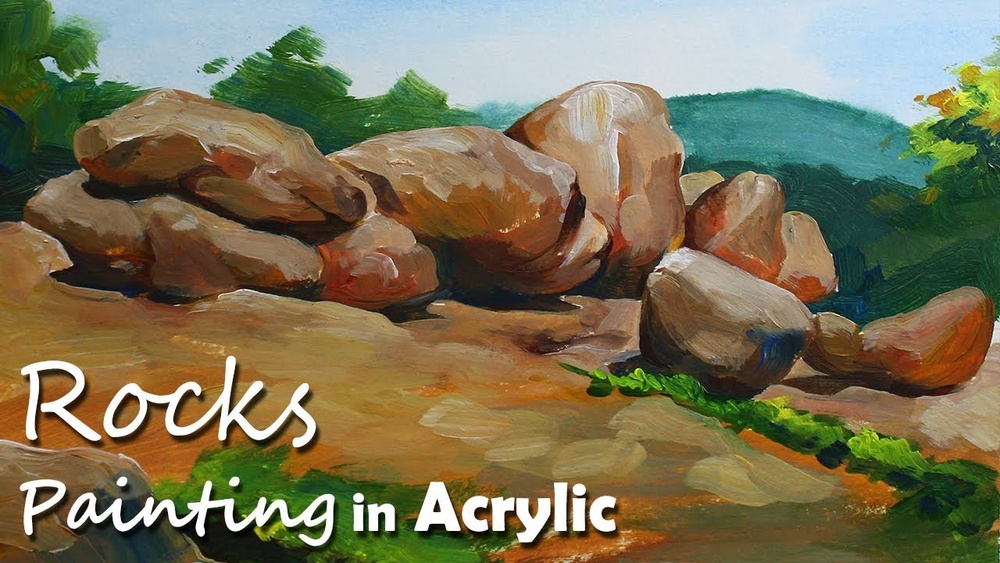
Have you ever thought about turning plain rocks into beautiful pieces of art? Using acrylic paint on rocks is an easy and fun way to add color and creativity to your space.
Whether you want to brighten up your garden, create unique gifts, or just enjoy a relaxing hobby, this guide will show you exactly how to do it. You don’t need to be an artist to get great results—just a few simple steps and the right tips can make your painted rocks stand out.
Keep reading, and you’ll discover how to bring your ideas to life with acrylic paint on rocks.
Choosing The Right Rocks
Choosing the right rocks is the first step to a great acrylic paint project. The type of rock affects how the paint looks and lasts. Some rocks hold paint better than others. Picking the best rock makes painting easier and more fun.
Smooth Vs. Rough Surfaces
Smooth rocks have flat, even surfaces. They make it easy to paint detailed designs. Paint spreads evenly on smooth surfaces. Rough rocks have bumps and texture. They create a natural, rustic look. Rough rocks may need more paint coats. Choose smooth rocks for fine details. Pick rough rocks for bold, textured art.
Size And Shape Considerations
Small rocks are easy to hold and paint. They work well for simple designs. Larger rocks offer more space for big pictures. Flat rocks are best for stable painting. Round rocks can be tricky but fun. Pick shapes that fit your design ideas. Size and shape affect your painting style.
Cleaning And Preparing Rocks
Clean rocks before painting to remove dirt and dust. Use soap and water to scrub them well. Dry rocks completely to avoid paint problems. Sand rough spots if needed for smoother painting. Prepare rocks well to help paint stick better. Proper cleaning and prep improve your art’s look.
Credit: www.reddit.com
Selecting Acrylic Paints
Selecting the right acrylic paints is key for rock painting. The paints must stick well and show bright colors. Choosing quality paints helps your art last longer. This section covers types of acrylic paints, color choices, and must-have supplies.
Types Of Acrylic Paints
Acrylic paints come in various forms. Craft acrylics are popular for beginners. They dry fast and have good coverage. Artist-grade acrylics have richer pigments and last longer. Outdoor acrylics resist weather and fading. Choose paints that fit your project and budget.
Color Choices For Rock Art
Pick bright and bold colors for rock art. Primary colors mix easily to make new shades. Metallic and neon paints add unique effects. Consider colors that contrast well with the rock. A balanced palette makes your design pop.
Essential Painting Supplies
Good brushes improve your painting experience. Use small round or flat brushes for details. A palette or plate helps mix colors. Seal your work with a clear acrylic sealer. This protects your art from chips and water.
Prepping Rocks For Painting
Prepping rocks for painting is the first step to a smooth and lasting finish. Clean rocks ensure paint sticks well. A good base helps colors pop and last longer. Setting up your workspace keeps the process neat and enjoyable. Follow these simple steps for the best results.
Washing And Drying
Start by rinsing the rocks under running water. Remove dirt, dust, and loose debris with a brush. Avoid soap as it can leave residue. Let the rocks dry completely before painting. Moisture can cause paint to peel or bubble.
Priming The Surface
Priming creates a smooth surface for paint to hold on. Use a clear or white acrylic primer. Apply one thin layer evenly across the rock. Let the primer dry fully. This step improves paint brightness and durability.
Setting Up A Workspace
Choose a flat, well-lit area for painting. Cover the surface with newspaper or a plastic sheet. Gather all painting supplies within reach. Keep water and paper towels nearby for cleaning brushes. A tidy workspace helps you focus and paint neatly.

Credit: www.jeyram.org
Basic Painting Techniques
Basic painting techniques create the foundation for great rock art. These simple steps help your paint stick well and look bright. Understanding how to apply paint layers and details makes your design clear and lasting.
Start with solid basics. Then add colors in layers. Finish by painting fine details with small brushes. This approach gives your rocks a neat, polished look.
Applying Base Coats
Begin by cleaning the rock surface. Use a damp cloth and let it dry fully. Apply one or two base coats of acrylic paint. Use a large brush for even coverage. Choose a light color for the base. It helps other colors stand out. Let each coat dry before adding the next.
Layering Colors
Layer colors carefully on top of the base coat. Use medium-sized brushes to add shapes and patterns. Paint thin layers to avoid clumps. Let each layer dry before applying the next. This method builds bright and smooth colors. It also prevents colors from mixing too much.
Detailing With Brushes
Use small, fine-tip brushes for details. Add lines, dots, or small shapes. Hold the brush steady and paint slowly. Thin paint works best for fine details. Keep your hand relaxed to avoid mistakes. Details make your rock design unique and clear.
Creative Design Ideas
Creative design ideas make rock painting more fun and personal. Painting rocks with acrylics offers many ways to express your style. You can try simple shapes or detailed art. Each design can turn a plain rock into a small treasure. Here are some ideas to inspire your next rock painting project.
Patterns And Shapes
Patterns and shapes are easy and fun to paint. Use dots, stripes, or zigzags to create interesting designs. Circles and triangles add boldness and symmetry. Try repeating shapes for a neat look. Mixing colors in patterns makes rocks stand out. This style suits beginners and those who want quick results.
Nature-inspired Art
Nature-inspired art brings the outdoors to your rocks. Paint flowers, leaves, or trees with simple strokes. Animals like birds, butterflies, or ladybugs work well too. Use soft greens, blues, and browns for natural colors. This style feels calm and fresh. It connects your art to the world around you.
Abstract And Modern Styles
Abstract and modern styles focus on shapes and colors. Use bright shades and unusual combinations. Paint swirls, splashes, or random lines for a creative look. This style lets you play with imagination. It suits those who like bold and unique designs. Each rock becomes a small piece of modern art.
Sealing And Finishing
Sealing and finishing your painted rocks protects the artwork and keeps colors bright. A good sealant stops paint from chipping or fading. It also adds a smooth, shiny or matte finish. Sealing makes your rock art last longer, especially outdoors.
Choosing The Right Sealant
Pick a sealant made for acrylic paint. Clear acrylic spray sealants work well. They dry fast and do not change colors. Look for waterproof and UV-resistant options. These protect rocks from rain and sun damage. Avoid sealants with yellow tint or strong smell.
Application Tips
Apply sealant in a clean, dry place. Shake the spray can well before use. Hold it about 6-12 inches from the rock surface. Spray light, even coats to avoid drips. Let each coat dry fully before adding another. Usually, two or three coats work best. Use a soft brush if you prefer brush-on sealants.
Caring For Painted Rocks
Keep your painted rocks clean by wiping gently with a soft cloth. Avoid harsh chemicals or scrubbing hard. Store rocks indoors during winter or heavy rain. If outdoors, place them in a shaded spot. Check the sealant yearly and reapply if paint starts to fade. Proper care keeps your rock art beautiful for years.
Troubleshooting Common Issues
Working with acrylic paint on rocks can be fun and rewarding. Sometimes, problems like peeling, fading, or mistakes happen. These issues can be fixed with simple steps. This guide helps you solve common problems easily.
Paint Peeling And Chipping
Paint peeling happens when the rock surface is dirty or oily. Clean the rock well before painting. Use soap and water, then dry completely. A primer or base coat helps paint stick better. Avoid thick paint layers. Thin coats dry stronger. Let each layer dry before adding the next. A clear sealer protects the paint from chipping. Apply it after the paint is fully dry.
Color Fading
Colors fade from sunlight or water exposure. Use high-quality acrylic paint made for outdoor use. Seal the painted rock with a UV-resistant spray. Keep rocks out of direct sunlight for long periods. Store painted rocks indoors during bad weather. Reapply the sealer every year to keep colors bright.
Fixing Mistakes
Small errors can be fixed easily. Let the paint dry first. Lightly sand the area with fine sandpaper. Wipe away dust before repainting. Use a small brush for detailed touch-ups. For big mistakes, paint over the area with white or base color. Start again once it dries. Patience is key to smooth results.

Credit: www.youtube.com
Displaying And Gifting
After painting rocks with acrylic colors, showcasing and sharing them brings joy. Displaying painted rocks adds color and charm to any space. Gifting these art pieces spreads happiness and shows care.
Creative Display Ideas
Place painted rocks on shelves or windowsills for a bright touch. Use small trays or bowls to group rocks together neatly. Line garden paths with colorful stones for a fun outdoor look. Arrange them on desks or coffee tables for daily smiles. Create a rock centerpiece with different shapes and colors.
Using Painted Rocks As Gifts
Painted rocks make thoughtful, personal gifts for friends and family. Write kind messages or names on rocks for special occasions. Wrap rocks in simple paper or small boxes for a neat presentation. Add a protective seal to keep paint fresh over time. Gift rocks as tokens of appreciation or friendship.
Incorporating Rocks Into Home Decor
Use painted rocks as paperweights in your office or study. Place them in bathrooms to add a natural, artistic feel. Decorate plant pots by placing colorful rocks around the base. Arrange rocks in bowls with candles for a cozy look. Mix painted stones with shells and other natural items for a unique display.
Frequently Asked Questions
How Do I Prepare Rocks For Acrylic Painting?
Clean rocks thoroughly with soap and water. Let them dry completely. Sand rough surfaces for smooth paint application. This ensures better paint adhesion and a long-lasting finish.
What Types Of Acrylic Paint Work Best On Rocks?
Use high-quality, outdoor acrylic paints for durability. These paints resist fading and chipping. They provide vibrant colors and a smooth finish on rock surfaces.
Should I Seal Acrylic Paint On Rocks?
Yes, sealing protects your artwork from weather and wear. Use a clear acrylic sealer spray after paint dries. It enhances color vibrancy and extends the rock’s lifespan.
How Long Does Acrylic Paint Take To Dry On Rocks?
Acrylic paint usually dries in 15 to 30 minutes. Drying time depends on paint thickness and environmental conditions. Allow at least 24 hours for full curing before sealing.
Conclusion
Painting rocks with acrylic is fun and easy. Choose smooth, clean rocks for best results. Use thin layers of paint to avoid clumps. Let each layer dry before adding more color. Seal your work to keep it safe outside. Enjoy creating your own colorful designs and gifts.
Experiment with patterns and colors to find your style. Painting rocks is a relaxing hobby anyone can try. Keep practicing, and your skills will improve quickly.