
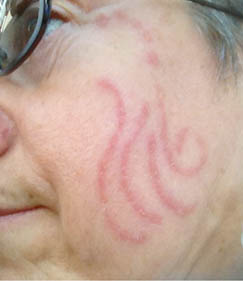
Quick answer: Is acrylic paint safe for skin? Not as body or face paint. Brief, accidental contact with acrylic art or craft paint labeled non-toxic is generally considered low risk for most people if you wash it off promptly with soap and water. But acrylic paint is not formulated or tested as a cosmetic, can irritate sensitive skin, may contain pigments with health warnings, and dries into a plastic film that is hard to remove. For skin designs, use cosmetic-grade face and body paint instead.
Anyone who paints with acrylics gets paint on their hands. That is normal, and for most people a smear on the fingers washed off at the end of a session causes no trouble. The safety question changes when paint is applied deliberately to skin: face painting at a party, body art for a costume, a child decorating their arms. Those uses go beyond what art paint is designed for.
This guide explains what is in acrylic paint, what the non-toxic label does and does not mean, when skin contact is a concern, how to remove paint safely and what to use instead for face and body painting.
What Is in Acrylic Paint?
Acrylic paint contains three main components:
- Pigments: Colored particles. Many are inert, but some, such as cadmium- and cobalt-based pigments, carry health warnings because of the metals they contain.
- Acrylic polymer binder: An emulsion that forms a flexible plastic film as it dries.
- Additives: Small amounts of ingredients such as preservatives, thickeners, surfactants and defoamers, plus sometimes ammonia to adjust pH. Some of these may irritate sensitive skin.
None of these ingredients are chosen with skin in mind. Cosmetic products must use color additives that regulators permit for use on skin; art paints follow a different set of rules focused on labeling hazards during normal art use.
What “Non-Toxic” Means on Acrylic Paint
In the US, art materials are subject to labeling requirements for chronic hazards. Many art and craft paints carry a seal from a certification program, such as the ACMI “AP” (Approved Product) seal, indicating that a toxicologist has evaluated the product and found it does not contain materials in sufficient quantities to be toxic or harmful in normal use, including by children.
That is useful information, but it has limits:
- It refers to art use. Normal use means painting on paper, canvas and craft surfaces, with incidental skin contact. It does not mean the product is intended or tested as a cosmetic.
- It is not an allergy guarantee. People can react to ingredients that are not toxic in the usual sense.
- Not every color is the same. Within one brand, some colors may carry warning labels while others carry the AP seal. Check each tube.
Artist-grade paints are more likely to list their pigments by code on the label, which helps you identify colors with metal-based pigments. Our guide to acrylic paint brands and what their labels tell you shows how to read pigment information when you shop.
Can You Use Acrylic Paint on Skin?
It is not recommended for intentional application to skin. Here is why:
| Concern | Why it matters |
|---|---|
| Not formulated as a cosmetic | Ingredients are not selected or tested for prolonged skin contact |
| Irritation and allergic reactions | Preservatives, ammonia or other additives may irritate sensitive skin or trigger reactions |
| Pigments with warnings | Some colors contain metals such as cadmium or cobalt, which carry health cautions |
| Forms a plastic film | Dried paint is tight, uncomfortable and can be hard to remove |
| Removal can irritate further | Scrubbing or using solvents to remove dried paint can damage skin |
| Eyes and mouth | Paint near eyes, lips or broken skin increases risk of irritation or ingestion |
Accidental smudges on your hands during painting are a different situation from covering a face in paint for hours. Most painters wash hands at the end of a session without problems, but people with sensitive skin or eczema may notice dryness or irritation.
Is Acrylic Paint Safe for Kids?
Acrylic paints that carry a non-toxic certification are commonly used in children’s art. For kids, a few precautions help:
- Choose paints labeled non-toxic, and check every color rather than assuming a whole set is the same.
- Supervise younger children, especially those who put things in their mouths.
- Use smocks and old clothes; acrylic does not wash out of fabric once dry.
- Wash hands after painting and before eating.
- Do not use acrylic paint for face painting, handprint crafts directly on skin for long periods, or painting nails.
- Consider washable tempera or washable kids’ paints for very young children, since they clean up more easily.
Is Craft Acrylic Paint Safe for Skin?
Craft acrylics, including widely sold budget brands such as Apple Barrel, are designed for surfaces like wood, paper, terracotta and canvas. Many carry non-toxic labeling for art and craft use, which means incidental contact during crafting is not expected to be harmful. They are not marketed as face or body paint. Check the specific product label for the manufacturer’s guidance, and choose cosmetic-grade products for anything applied to skin on purpose.
What About Acrylic Paint Markers?
Acrylic paint markers contain the same type of binder and pigments as bottled acrylics. Drawing on skin with them carries the same concerns: not designed for skin, possible irritation and difficult removal. Use them on paper, rocks, wood and other craft surfaces, and choose skin-safe markers or face paint for temporary body art.
Acrylic Paint on Nails, Lips and Hair
Social media is full of hacks that use acrylic craft paint as nail polish, lip color or hair dye. These uses share the same problem: the paint is not formulated for the body.
- Nails: Acrylic craft paint chips and peels quickly on nails and is not designed for repeated contact with the nail bed and cuticles. Nail polish is formulated for this job. (Note that “acrylic nails” in salons are a completely different product.)
- Lips: Paint on lips is likely to be swallowed in small amounts. Use only products sold as lip cosmetics.
- Hair: Acrylic dries stiff, can be difficult to wash out and may damage hair when removed. Temporary hair color products are made to wash out safely.
Myths About Acrylic Paint and Skin
- “Non-toxic means safe for face painting.” Non-toxic labels address normal art use. They do not certify a paint as a cosmetic.
- “Acrylic paint blocks your pores and suffocates your skin.” The widely repeated idea that covering skin in paint is dangerous because skin “cannot breathe” is not how skin works; the realistic concerns are irritation, allergic reactions, pigments with warnings and difficult removal.
- “It is water-based, so it washes off easily.” Only while wet. Once dry, acrylic forms a water-resistant film.
- “Expensive artist paint is safer on skin.” Artist paints often contain more pigment, including some metal-based pigments with warnings. Higher quality does not mean skin-safe.
How to Remove Acrylic Paint From Skin Safely
Wet paint
Wash with warm water and mild soap. Wet acrylic rinses off easily.
Dried paint
- Rub a little vegetable, olive, coconut or baby oil into the dried paint.
- Let it sit for a minute to loosen the film.
- Gently peel or rub the paint away with your fingers or a soft cloth.
- Wash with soap and warm water to remove the oil.
- Apply moisturizer if skin feels dry.
Avoid harsh solvents such as acetone, paint thinner or rubbing alcohol on large areas of skin, particularly on children or on the face. They can dry and irritate skin. Never scrub skin raw to remove paint.
Paint in hair
Work conditioner or oil into the dried paint, let it soften, then comb it out gently with a fine-tooth comb before shampooing.
When to Seek Medical Advice
Contact a healthcare provider if paint gets in the eyes and irritation continues after flushing with water, if a rash, swelling or blistering develops, or if a child swallows paint. For swallowed products in the US, Poison Control can be reached at 1-800-222-1222, and the product label should be available when you call.
Safe Alternatives for Face and Body Painting
| Product type | Why it is suitable | Notes |
|---|---|---|
| Water-activated face and body paint | Made with cosmetic-grade ingredients for skin | Look for products that list FDA-compliant color additives |
| Cream-based face paint | Easy to blend, suitable for theater and costume | Remove with gentle makeup remover |
| Skin-safe face paint crayons | Easy for kids to use | Check age recommendations |
| Cosmetic body markers | Precise lines for temporary designs | Avoid near eyes unless labeled safe |
| Henna and jagua (natural) | Traditional temporary skin decoration | Avoid “black henna” products containing PPD |
Before using any new product on skin, try a small patch test on the inner arm and wait to see whether redness or itching develops.
Safe Habits When Painting With Acrylics
- Wear gloves if you have sensitive skin or plan to paint with your fingers.
- Do not eat, drink or smoke while painting.
- Avoid sanding dried acrylic without a mask, since dust from pigments can be inhaled.
- Never airbrush or spray acrylics without good ventilation and appropriate respiratory protection.
- Keep paints and solvents out of reach of young children and pets.
- Read labels for warnings, especially on colors with cadmium, cobalt or other metal pigments.
Paint labels vary in how much information they provide. Our Daler-Rowney acrylic paint review notes how one widely available range presents its labeling, which can help when comparing products.
How to Paint Skin Tones in Acrylic (the Other Meaning)
Many people searching for acrylic paint and skin are actually looking to paint skin in portraits. A simple starting approach:
- Start with a base mix of a red, a yellow and white, such as a cadmium-type red, yellow ochre and titanium white. Adjust the proportions for lighter or warmer tones.
- Deepen with burnt sienna or burnt umber for medium and deep skin tones, rather than black, which can make skin look gray.
- Cool shadows with a touch of blue or green, and warm areas such as cheeks, nose and ears with a little red.
- Use a slow-drying medium to blend soft transitions, since faces need gentle gradations.
Deep skin tones benefit from rich, warm darks built from burnt umber, burnt sienna and a little ultramarine, with highlights that can lean cool or warm depending on the light.
FAQs
Can you use acrylic paint on skin?
It is not recommended for intentional use on skin. Acrylic paint is not formulated or tested as a cosmetic, can irritate sensitive skin and dries into a plastic film that is hard to remove. Use cosmetic-grade face and body paint instead.
Is acrylic paint toxic if it gets on your hands?
Brief contact with acrylic paint labeled non-toxic is generally considered low risk for most people when washed off promptly. Check labels, as some colors contain pigments with health warnings.
Is acrylic paint safe for kids?
Acrylic paints certified non-toxic are commonly used for children’s art with supervision. They should not be used for face painting or applied directly to skin for long periods.
Is Apple Barrel paint safe for skin?
Craft acrylics like Apple Barrel are made for craft surfaces and are not marketed as face or body paint. Use cosmetic-grade products for skin, and check the product label for the manufacturer’s guidance.
How do you get dried acrylic paint off skin?
Rub in a little vegetable or baby oil, let it loosen the paint for a minute, peel or rub it away gently and then wash with soap and warm water.
What should I use for face painting instead of acrylic?
Use water-activated or cream face paint made with cosmetic-grade ingredients, and patch test first. These products are designed for skin and remove easily.
Final Thoughts
Acrylic paint is a safe, practical medium for canvas, paper and crafts, and occasional smudges on your hands are a normal part of painting. It is simply the wrong product for intentional use on skin. Keep acrylics on surfaces, choose cosmetic face paint for bodies, read labels color by color and wash up after every session.
Clear labeling makes safer choices easier. To compare paint ranges that list pigment and safety information, see our roundup of well-labeled acrylic paints for artists and families.




