
PaintingProGuide is reader-supported. When you buy through links on this page we may earn an affiliate commission at no extra cost to you.
Chalkboard acrylic paint turns a picture frame, a kitchen cabinet door, a mason jar label or an entire wall into a surface you can write on, wipe and write on again. The best one for you depends mostly on scale. A 16 oz jar of craft-brand chalkboard paint is ideal for signs, tags and small furniture accents. A quart or gallon of interior wall formula makes more sense when you are converting a whole wall, and an oil-based product is worth considering when you want maximum scratch resistance on a hard surface.
One quick clarification before the picks: “chalk paint” and “chalkboard paint” are different products. Chalk paint is an ultra-matte decorative furniture paint designed to be distressed. Chalkboard paint dries to a smooth, hard, writable surface. This guide is about the second kind.
Quick answer: The FolkArt Multi-Surface Chalkboard Paint in the 16 oz wide-mouth jar is the best chalkboard acrylic paint for most crafts and small home projects, with soap-and-water cleanup and an easy conditioning routine. For painting an entire interior wall in a true 100% acrylic formula, the INSL-X Chalkboard Paint quart is the better fit. If you want the toughest, most scratch-resistant board on wood, metal or masonry and do not mind an oil-based product, choose Rust-Oleum Chalkboard Paint.
Our Top Picks at a Glance
- FolkArt Multi-Surface Chalkboard Paint, 16 oz — Best overall for crafts and small projects
- INSL-X Chalkboard Paint, 1 Quart — Best 100% acrylic formula for interior walls
- Rust-Oleum Black Chalkboard Paint — Best for durability on hard surfaces (oil-based)
- SENVEN Chalkboard Paint, 12 oz — Best quick-drying option for signs and menus
- SENVEN Chalkboard Paint, 1 Gallon with Tools — Best for classrooms and large walls
| Product | Best For | Key Spec | Key Strength | Price Tier |
|---|---|---|---|---|
| FolkArt Multi-Surface Chalkboard | Crafts, signs, small furniture | 16 oz wide-mouth jar, black | Soap-and-water cleanup | $ |
| INSL-X Chalkboard Paint | Interior walls | 1 quart, 100% acrylic, eggshell | Wall-paint format | $$ |
| Rust-Oleum Chalkboard Paint | Hard-wearing boards | 30 oz, oil-based, 95 to 120 sq ft | Scratch resistant, erases easily | $$ |
| SENVEN Chalkboard, 12 oz | Menus, signs, frames | Touch dry in 15 min, 35 to 40 sq ft | Indoor and outdoor use per listing | $ |
| SENVEN Chalkboard, 1 Gallon | Classrooms, feature walls | About 330 sq ft, tools included | Most coverage per purchase | $$$ |
How We Chose
We worked from each product’s Amazon listing details and specifications, checked in October 2026, comparing formula type (acrylic or oil-based), container size, stated coverage, drying and conditioning instructions, and the surfaces each maker lists. We also considered how widely each product is reviewed by Amazon buyers. We did not apply these paints ourselves, so where a listing is ambiguous we say so instead of guessing.
- True chalkboard finish rather than decorative chalk-style paint
- Formula and cleanup: water-based acrylic versus oil-based
- Size and coverage relative to the project
- Recommended surfaces, indoor or outdoor
- Cure and conditioning time before first use
Best Chalkboard Acrylic Paint Reviewed
1. FolkArt Multi-Surface Chalkboard Paint, 16 oz — Best Overall for Crafts and Small Projects

FolkArt’s chalkboard formula is a straightforward choice for crafters because it is a true chalkboard acrylic in a wide-mouth 16 oz jar. The wide mouth makes it easy to load a foam brush or small roller, and the size covers a good number of signs, trays, labels and accent panels without leftover waste.
The listing describes a rich black color and a simple conditioning step once dry: rub the entire surface with the side of a piece of chalk, then erase. It recommends the paint for furniture, home decor and gifts, and the product details list wood and metal surfaces. Cleanup is with soap and water while wet.
For a weekend of craft projects, this is the least fussy option: no special ventilation for solvents, no mineral spirits for brushes, and a jar that reseals well.
Best suited for: Kitchen signs, pantry labels, chalkboard frames, small furniture panels and handmade gifts.
Key features:
- 16 oz wide-mouth jar
- Rich black chalkboard finish
- Condition with chalk once dry
- Soap-and-water cleanup when wet
Pros:
- Easy to apply with brush, foam brush or small roller
- Water-based acrylic, low hassle
- Widely reviewed craft staple
Cons/limitations:
- Black only
- Jar size is limited for full walls
Buying consideration: Lightly sand between coats with fine-grit paper for a smoother writing surface.
2. INSL-X Chalkboard Paint, 1 Quart — Best 100% Acrylic Formula for Interior Walls

INSL-X sells this quart as a studio finish for walls and DIY projects, and the listing is short and clear: 100% acrylic, easy to use with no special tools or processes, easy to clean, and made for interior surfaces. The details list an eggshell finish and walls as the recommended surface.
A quart can is the natural size for a feature wall in a kitchen, home office or kid’s room. Because it is a wall-paint format, it rolls out more evenly over larger areas than craft jars, which helps avoid lap marks that show when chalk dust settles.
Best suited for: Interior feature walls, family command centers and playroom walls.
Key features:
- 1 quart (32 fl oz)
- 100% acrylic formula
- Eggshell finish
- Interior use
Pros:
- Sized for walls
- Water-based acrylic cleanup
- No special tools needed
Cons/limitations:
- Interior only
- Listing gives little detail on coverage or dry time
Buying consideration: Prime glossy walls first and use a short-nap roller for the smoothest chalk surface.
3. Rust-Oleum Black Chalkboard Paint — Best for Durability on Hard Surfaces

Rust-Oleum’s chalkboard paint is not an acrylic. The listing describes an oil-based formula for creating a custom interior chalkboard on wood, metal, masonry, drywall, plaster, glass, concrete, paperboard and hardboard. We include it because many people searching for chalkboard acrylic paint really want the hardest-wearing board they can make, and an oil-based coating is a common way to get there.
The listing states coverage of 95 to 120 square feet, touch-dry in 30 minutes, and a scratch-resistant, smooth surface that erases easily. It recommends waiting 24 hours, then conditioning with chalk before writing.
The trade-off is handling. Oil-based paint needs good ventilation and mineral spirits for brush cleanup, and it is less forgiving for kids’ craft tables.
Best suited for: High-use boards on metal, masonry or hardboard, such as garage notice boards or restaurant menu boards.
Key features:
- Oil-based formula, 30 oz
- 95 to 120 sq ft coverage
- Touch-dry in 30 minutes
- Very wide surface range
Pros:
- Scratch-resistant finish per listing
- Generous coverage
- Works on glass, concrete and metal
Cons/limitations:
- Not acrylic; solvent cleanup
- Stronger odor than water-based options
Buying consideration: Choose this only if you can ventilate the room and are comfortable with oil-based cleanup.
4. SENVEN Chalkboard Paint, 12 oz — Best Quick-Drying Option for Signs and Menus

SENVEN markets this 12 oz can for furniture, walls, old classroom boards, DIY decals, bistro-style menus and calendars. The listing claims touch-dry in 15 minutes, a smooth matte black surface optimized for liquid chalk markers, clean erasing without ghosting and scratch resistance. It describes a built-in primer and top coat and lists wood, metal, glass, concrete and drywall, indoors and outdoors.
One honest caveat: the product details label it as acrylic, while one bullet calls it an oil-based formula. Check the can label or safety data sheet for cleanup instructions before you start.
Best suited for: Café-style menu boards, wedding signs, frames and liquid chalk marker projects.
Key features:
- 12 oz can, matte black
- Touch-dry in 15 minutes per listing
- 35 to 40 sq ft coverage
- Indoor and outdoor use stated
Pros:
- Fast drying between coats
- Marketed for liquid chalk markers
- Broad surface list
Cons/limitations:
- Formula type is listed inconsistently
- Small coverage per can
Buying consideration: Test liquid chalk markers on a small corner first; some marker pigments can stain porous boards.
5. SENVEN Chalkboard Paint, 1 Gallon with Tools — Best for Classrooms and Large Walls

This is the same SENVEN chalkboard formula in a gallon size with a tools kit, rated in the listing for about 330 square feet. For a classroom wall, a long hallway or several large boards, buying one gallon avoids color variation between small cans and saves trips to reorder.
The same notes apply: matte black finish, listed as quick-drying, condition after 24 hours, and the same mixed acrylic or oil-based description. Read the label for cleanup.
Best suited for: Teachers, cafés, offices and anyone painting more than one wall.
Key features:
- 1 gallon, about 330 sq ft
- Tools kit included
- Matte black finish
Pros:
- Most coverage in this guide
- Consistent color across a large area
Cons/limitations:
- Overkill for crafts
- Highest price tier here
Buying consideration: Measure your wall area first; you may only need the 12 oz can or a quart.
How to Apply Chalkboard Paint for a Smooth, Writable Finish
The quality of a painted chalkboard depends as much on preparation as on the paint. A rough or glossy base leads to ghosting, uneven erasing and chalk that skips.
Prepare the surface
Clean off grease and dust, then sand glossy surfaces lightly so the paint can grip. Fill dents and holes; every flaw will show once chalk dust settles into it. On bare wood or drywall, a coat of primer helps the chalkboard layer go on evenly.
Apply thin, even coats
Use a foam roller or a fine foam brush for small projects and a short-nap roller for walls. Two or three thin coats beat one heavy coat. Let each coat dry as the label directs, and sand very lightly with fine-grit paper between coats for the smoothest board.
Cure before you write
Most chalkboard paints need about 24 hours before conditioning; some recommend longer for full hardness. Writing too soon can leave permanent ghost marks.
Condition the board
Rub the side of a piece of chalk over the entire surface, then wipe it off with a dry eraser or cloth. This fills the micro-texture with chalk dust and prevents your first words from burning in.
Clean it properly
Wipe with a dry eraser for daily use and a slightly damp cloth for deep cleaning. Let it dry fully before writing again.
Matching Chalkboard Paint to Common Projects
Because the five products above split neatly into craft jars, wall formulas and heavy-duty coatings, it helps to think project first and product second. Here is how the choice usually plays out.
Pantry jars, labels and gift tags
Small curved surfaces need a paint you can control with a small brush or sponge dauber. The FolkArt 16 oz jar is the natural fit: dip a foam brush, paint a neat rectangle or oval, and let it dry. Masking tape or a vinyl stencil gives crisp edges. Glass jars benefit from a light scuff with fine sandpaper or a wipe of rubbing alcohol before painting, and from hand-washing afterward rather than the dishwasher.
Menu boards and event signs
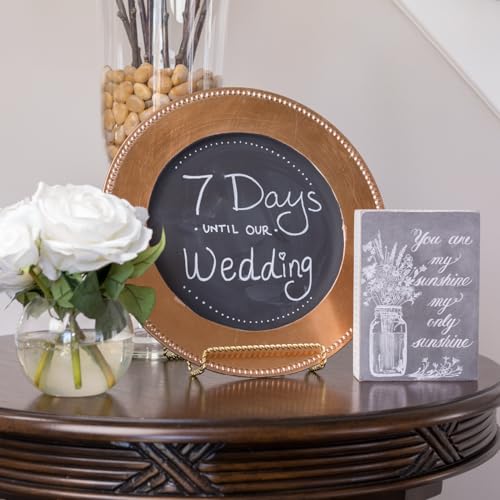
Wedding welcome signs, bar menus and seating charts are often lettered with liquid chalk markers because the lines stay bright and crisp. SENVEN’s 12 oz can is marketed for exactly that use. Paint a primed MDF or plywood board, let it cure fully, then test a marker in one corner to confirm it wipes clean before lettering the whole sign.
Kitchen and office walls
A wall calls for a roller, even coverage and enough paint to finish in one session. INSL-X’s quart is designed for interior walls and offers an acrylic formula that keeps cleanup simple. Tape off the area, prime if the existing paint is glossy, and apply two or three coats with a short-nap roller, keeping a wet edge to avoid lap marks.
Classroom and playroom walls
Large areas that will see daily use by many hands are where the SENVEN gallon earns its keep. One container covers a whole wall with a single batch of color. Plan a weekend for application and cure, since rushing a high-traffic board leads to ghosting that is hard to remove.
Garage boards, metal panels and masonry
For a tool-room notice board on sheet metal or a chalk wall on cinder block, Rust-Oleum’s oil-based formula lists metal, masonry and concrete and describes a scratch-resistant finish. Ventilate well and keep mineral spirits on hand.
Buying Guide: How to Choose Chalkboard Acrylic Paint
Acrylic or oil-based
Water-based acrylic chalkboard paint is easier to work with indoors, cleans up with soap and water, and suits craft tables. Oil-based options trade convenience for hardness and adhesion on tricky surfaces.
Size and coverage
Craft jars around 16 oz handle signs and small furniture. Quarts suit a feature wall. Gallons are for classrooms and multiple walls. Estimate square footage before buying.
Surface compatibility
Check the listing for your surface: wood, metal, glass, drywall, masonry or plaster. Glass and metal often need a primer or a product that explicitly lists them.
Indoor or outdoor use
Most chalkboard paints are interior products. If your sign will live outside, choose one that states outdoor use and plan to bring it in during harsh weather.
Chalk or liquid chalk markers
Standard chalk works on any chalkboard paint. Liquid chalk markers need a non-porous, smooth surface to wipe clean; some listings, like SENVEN’s, specifically mention them.
Finish and color
Matte and eggshell finishes reduce glare so writing is legible from an angle. Black is classic; some brands also offer green or tintable bases.
More Chalkboard and Chalk Paint Guides
Prefer a custom color? Our tutorial on how to make chalkboard paint shows how to mix your own from acrylic and a grit additive. Still confused about the naming? We explain the differences in chalk paint vs acrylic paint. For a fun weekend project, chalkboard labels work beautifully on painted jars, and our guide on using acrylic paint on glass jars covers prep and sealing.
Common Mistakes to Avoid
- Buying decorative chalk paint when you need a writable chalkboard finish.
- Skipping sanding and priming on glossy surfaces.
- Rolling on one thick coat instead of several thin ones.
- Writing on the board before it has cured and been conditioned.
- Cleaning daily with wet cloths, which can leave streaks.
- Using liquid chalk markers on a porous board without testing.
FAQs
Is chalkboard paint the same as chalk paint?
No. Chalk paint is an ultra-matte decorative furniture paint meant for distressing. Chalkboard paint dries to a smooth, hard surface you can write on with chalk.
How many coats of chalkboard paint do I need?
Two to three thin coats usually give an even, durable writing surface. Follow the label’s recoat time between coats.
Can I use chalkboard paint on glass?
Some formulas list glass as a surface, including Rust-Oleum and SENVEN. Clean and lightly scuff the glass first for better adhesion.
Do I need to condition a chalkboard painted surface?
Yes. After the paint cures, rub chalk over the entire surface and erase it. This prevents ghosting from the first things you write.
Can chalkboard paint be used outdoors?
Most are interior products. SENVEN lists indoor and outdoor use, but outdoor boards still last longer if protected from direct rain.
How long should chalkboard paint dry before writing?
Listings for Rust-Oleum and SENVEN recommend waiting 24 hours before conditioning and writing. When in doubt, wait longer.
Final Recommendation
For crafts, labels and small furniture, the FolkArt Multi-Surface Chalkboard Paint is the easiest, most versatile chalkboard acrylic paint to own. Choose the INSL-X quart for a smooth interior wall in a 100% acrylic formula, Rust-Oleum when durability on hard surfaces outweighs the hassle of oil-based cleanup, and SENVEN’s 12 oz or gallon sizes when you want quick drying and liquid chalk marker use on signs or classroom walls.





2 Comments