Painting landscapes with acrylics can be fun. You can create beautiful and lifelike scenery. This guide will help you learn how. Let’s get started!
Materials You Need
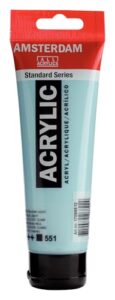
- Acrylic paints
- Canvas
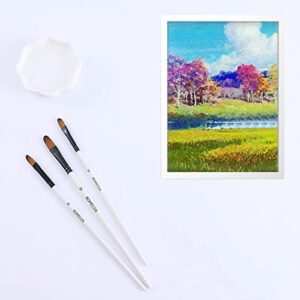
- Brushes
- Palette
- Water cup
- Paper towels
- Palette knives

Credit: coleartstudio.com
Choosing the Right Colors
Colors are important in painting. For realistic landscapes, choose earthy tones. Here are some essential colors:
| Color | Description |
|---|---|
| Burnt Sienna | Warm, reddish-brown color |
| Ultramarine Blue | Deep, rich blue |
| Cadmium Yellow | Bright, sunny yellow |
| Titanium White | Pure, bright white |
| Payne’s Grey | Dark, cool grey |
Preparing Your Canvas
Start with a clean canvas. You can use a white or toned canvas. Some artists prefer to tone their canvas with a thin layer of paint. This can help create a cohesive look.
Sketching Your Landscape
Before you start painting, sketch your landscape. Use a light pencil. Keep it simple. Focus on the main shapes and lines. This will guide you as you paint.
Painting the Background
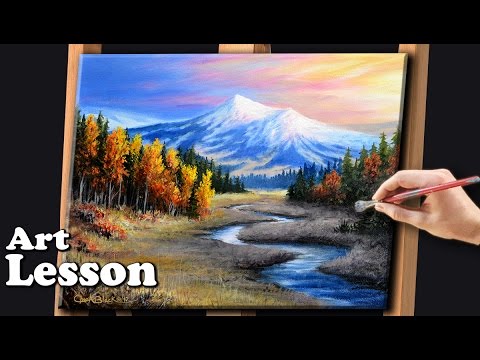
Begin with the background. Use broad strokes. Work from the top of the canvas to the bottom. Start with the sky. Use light blue and white for a daytime sky. Add some clouds with white and grey.
Creating Depth with Layers
Layers help create depth. Paint from the background to the foreground. For mountains, use a mix of blues and greys. Add details with darker and lighter shades. For trees, use various greens and browns. Paint the distant trees lighter. Use darker colors for the closer trees.
Adding Details
Details make your landscape realistic. Use smaller brushes for this. Add texture to trees with a fan brush. Use short, quick strokes. For grass, use a thin brush. Paint individual blades. Add highlights and shadows to create depth.
Using Light and Shadow
Light and shadow are important. They add realism to your painting. Think about where the light is coming from. Add highlights on the side facing the light. Add shadows on the opposite side. Use a mix of colors for shadows. Avoid using just black.
Blending Colors
Blending makes your painting smooth. Use a clean, dry brush. Gently blend the edges of colors. You can also use a palette knife. This can create interesting textures. Remember to clean your brush often. This keeps the colors pure.
Final Touches
Step back and look at your painting. Add any final touches. This might include adding more details or adjusting colors. Make sure everything looks balanced.
Cleaning Up
Clean your brushes with water. Dry them with a paper towel. Store your paints and materials properly. This keeps them in good condition for next time.
Tips for Success
- Practice regularly.
- Experiment with different techniques.
- Be patient. Art takes time.
- Learn from other artists.
- Have fun!

Credit: m.youtube.com
Frequently Asked Questions
What Tools Do I Need To Paint Landscapes?
You need acrylic paints, brushes, canvas, palette, and water.
How Do I Start A Landscape Painting?
Begin by sketching the basic shapes and outlines on your canvas.
What Are The Best Acrylic Colors For Landscapes?
Use earth tones, greens, blues, and white for natural landscapes.
How Do I Create Depth In Landscape Paintings?
Layer darker colors in the background and lighter colors in the foreground.
Conclusion
Painting realistic landscapes with acrylics is rewarding. With practice, you can create beautiful scenes. Follow these steps and tips. Soon, you’ll be a master at landscape painting. Happy painting!