Acrylic paint dries quickly and is water-soluble, while oil paint dries slowly and requires solvents for cleanup. Acrylic and oil paints offer distinct characteristics that cater to different artistic preferences.
Acrylic paint dries rapidly, making it ideal for artists who prefer a faster working pace. Its water-soluble nature allows for easy cleanup and less exposure to harmful chemicals. On the other hand, oil paint provides a rich, vibrant finish and allows for extended blending and manipulation due to its slow drying time.
Artists who enjoy layering and detailed work often favor oil paint. Understanding the key differences between these two mediums can help artists choose the right one for their projects and personal style.
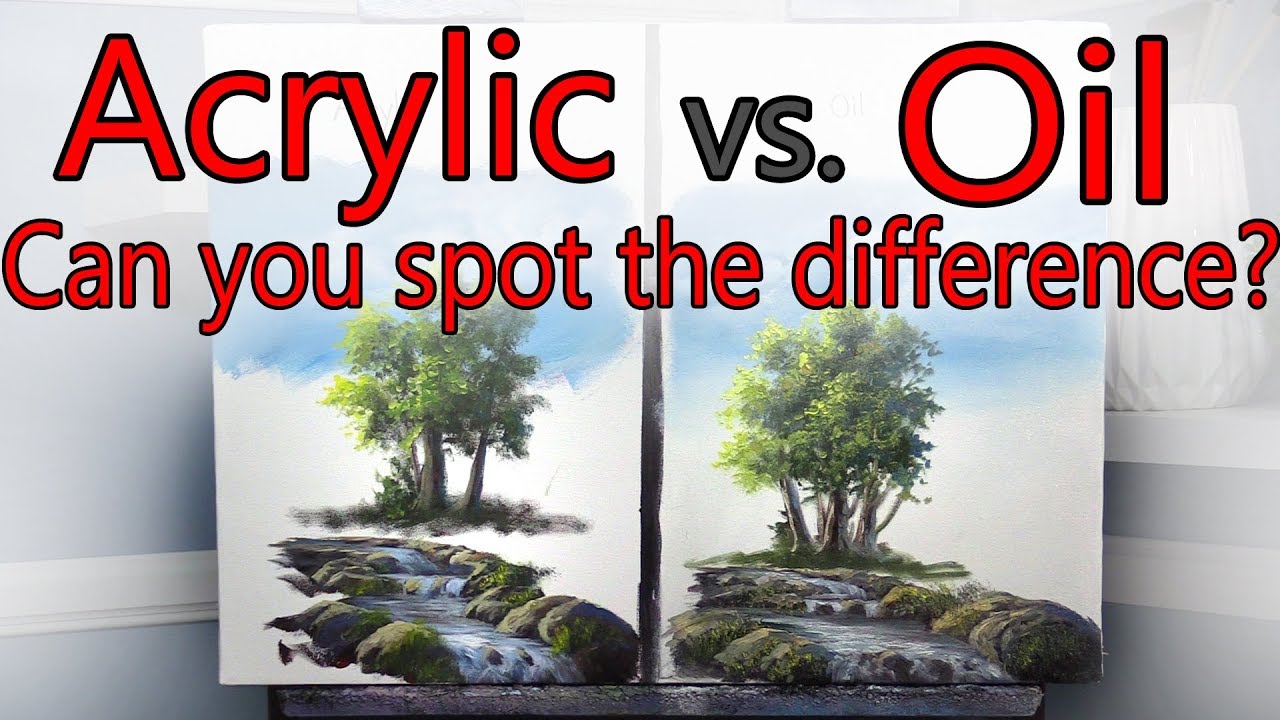
Credit: m.youtube.com
Acrylic Vs Oil Paint: Choosing The Best For Your Art
Choosing between acrylic and oil paint can be challenging for artists. Both paints offer unique benefits. This guide helps you decide which is best for your art.
Introduction To Acrylic And Oil Paints
Acrylic paint is water-based and dries quickly. Artists love it for its versatility. You can thin it with water or use it thickly for texture. Clean-up is easy with soap and water.
Oil paint is slow-drying and offers rich, vibrant colors. It has been used for centuries by famous artists. You can blend colors smoothly, creating stunning effects. Clean-up requires solvents like turpentine.
Historical Evolution Of Painting Mediums
Oil paint has a rich history. It became popular during the Renaissance. Artists like Leonardo da Vinci and Rembrandt used oil paint. They appreciated its slow drying time and vibrant colors.
Acrylic paint is newer. It was developed in the 20th century. Artists quickly embraced it for its fast drying time. It allowed for new techniques and styles. Famous modern artists, like Andy Warhol, used acrylics.
Comparing Acrylic And Oil Paints
| Feature | Acrylic Paint | Oil Paint |
|---|---|---|
| Drying Time | Fast | Slow |
| Color Vibrancy | Bright | Rich |
| Blending | Quick | Smooth |
| Clean-Up | Easy with water | Needs solvents |
| Cost | Affordable | Expensive |
Which Paint Should You Choose?
- For quick projects, choose acrylic paint.
- For rich colors, opt for oil paint.
- For easy clean-up, go with acrylic.
- For smooth blending, use oil paint.
Your choice depends on your needs and style. Both paints offer unique benefits. Try both and see what works best for you.
Key Characteristics Of Acrylic Paint
Acrylic paint is a popular choice for many artists. It offers unique qualities that make it different from oil paint. Understanding these characteristics can help you decide if acrylic is right for you.
Drying Time And Application
Acrylic paint dries very quickly. This allows you to work faster. You can add layers without waiting long. This is great for artists who like to work fast. Quick drying also means you can finish your project sooner.
When applying acrylic paint, you can use it on many surfaces. This includes canvas, wood, and even glass. It is also easy to clean up with water. This makes it a versatile and convenient option.
Color Brightness And Stability
Acrylic paint offers bright and vibrant colors. The colors stay bright even after drying. This makes your artwork look vivid and lively. Acrylics are also less likely to fade over time. This ensures your art remains beautiful for years.
The stability of acrylic paint is impressive. It is resistant to water and UV light. This means your artwork is protected from the elements. Your colors will remain strong and true.
Essential Properties Of Oil Paint
Understanding the essential properties of oil paint can help artists choose the right medium for their work. Oil paint has unique characteristics that set it apart from other types of paint. These properties include texture, consistency, longevity, and color depth.
Texture And Consistency
Oil paint is known for its rich texture and creamy consistency. This makes it ideal for creating detailed and textured art. Artists can manipulate oil paint to produce various effects. This includes smooth blends or thick, impasto strokes. The paint stays wet longer, allowing more time for blending and adjustments. The versatility in texture and consistency offers artists greater control over their work.
Longevity And Color Depth
Oil paint is celebrated for its exceptional longevity and vibrant color depth. Paintings made with oil paint can last for centuries without significant deterioration. The colors remain rich and vibrant over time. This is due to the slow drying process, which helps preserve the pigments. Additionally, oil paint allows for a wide range of color mixing possibilities. This ensures that artists can achieve the perfect hue and depth in their artwork.
| Property | Details |
|---|---|
| Texture and Consistency | Creamy, rich, versatile for blending and impasto effects |
| Longevity | Lasts for centuries, minimal deterioration |
| Color Depth | Vibrant, rich colors, excellent for mixing |
In summary, oil paint’s texture, consistency, longevity, and color depth make it a preferred choice for many artists. These properties allow for greater artistic expression and long-lasting masterpieces.
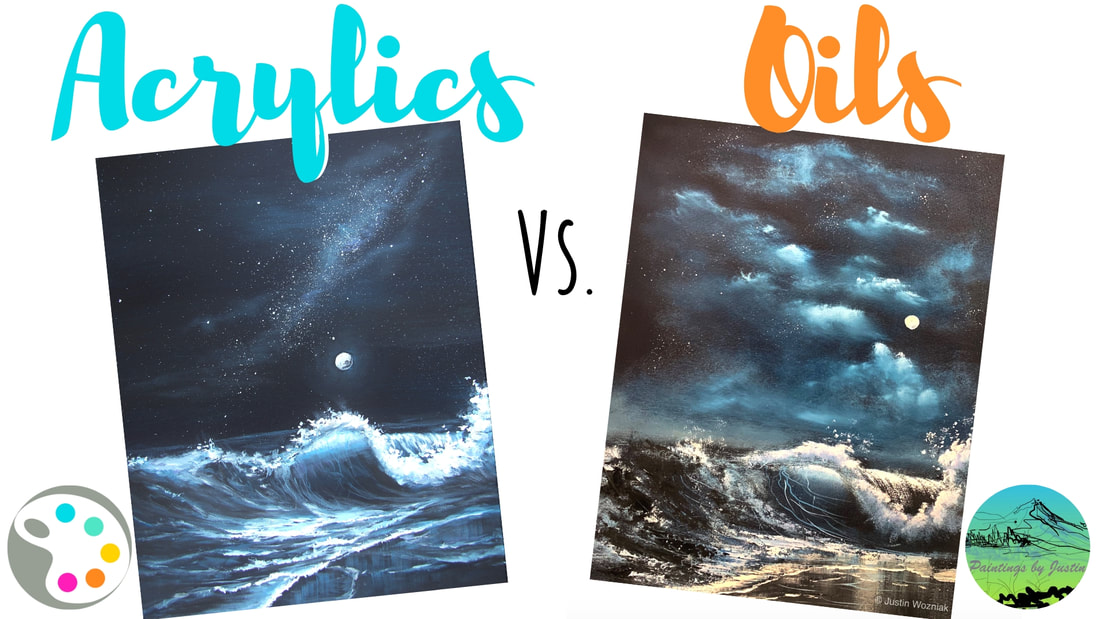
Credit: createfulart.com
Comparative Costs And Accessibility
Choosing between acrylic and oil paint involves considering costs and accessibility. Both options have distinct price ranges and availability. Let’s explore these factors in detail.
Price Range And Affordability
Acrylic paint is generally more affordable than oil paint. Beginner sets of acrylics cost between $10 to $30. Professional-grade acrylics range from $50 to $150. Oil paints are pricier. Beginner sets cost around $20 to $50. Professional oil paints can cost $100 to $300.
| Paint Type | Beginner Set Price | Professional Set Price |
|---|---|---|
| Acrylic Paint | $10 – $30 | $50 – $150 |
| Oil Paint | $20 – $50 | $100 – $300 |
Availability Of Materials
Acrylic paint is widely available in art stores and online. You can find them in various sizes and brands. Common places include local art shops and major retailers like Amazon. Oil paint materials are also accessible but may require specialty stores. You can find them at dedicated art supply stores or online retailers.
Here are some common places to find art supplies:
- Local art shops
- Major retailers (e.g., Amazon, Walmart)
- Dedicated art supply stores
- Online specialty stores
Both paint types have a variety of brands and quality levels. This ensures artists can find what they need. The accessibility of these materials makes it easy to start painting.
Working With Acrylics: Techniques And Tips
Acrylic paints offer versatility and vibrancy. They are ideal for beginners and professionals. Their quick drying time and ease of use make them popular. Here are some tips to help you master acrylic painting.
Layering And Blending
Layering is essential with acrylics. Due to their fast-drying nature, you can add multiple layers without long waits.
- Start with thin layers: Thin layers dry faster and are easier to control.
- Build up gradually: Add more layers to achieve the desired depth and texture.
Blending can be tricky with acrylics. They dry quickly, so you must work fast.
- Use a wet brush: Keep your brush moist to extend the blending time.
- Work in small sections: Focus on small areas to blend colors smoothly.
Fast-drying Techniques
Acrylics are known for their quick drying time. This can be both a benefit and a challenge.
| Technique | Description |
|---|---|
| Dry Brush | Use a dry brush to create texture and details. |
| Spritzing Water | Spray a light mist of water to keep the paint wet longer. |
Experiment with these techniques to find what works best. Acrylics offer endless possibilities for creativity.
Mastering Oil Painting: Methods And Mastery
Mastering oil painting requires understanding various techniques. Artists often use methods like glazing and impasto. Each method brings unique effects to your artwork. Extending the working time of oil paint offers more flexibility.
Glazing And Impasto
Glazing involves applying thin, transparent layers of paint. Each layer dries before adding the next. This technique adds depth and richness to colors.
Impasto is the opposite. It involves applying thick layers of paint. This method creates texture and dimension on the canvas.
| Technique | Description |
|---|---|
| Glazing | Thin, transparent layers for depth and richness. |
| Impasto | Thick layers for texture and dimension. |
Extending Working Time
Oil paints dry slowly. This allows more time to work on details. Extending working time can be achieved with certain mediums.
Some artists use linseed oil or other slow-drying mediums. This keeps the paint workable for longer periods.
- Linseed oil
- Slow-drying mediums
- Retarders
Extended working time helps in blending and refining details. It provides more control over the final outcome.
Health And Safety Considerations
When choosing between acrylic and oil paints, health and safety are important. Acrylic and oil paints have different health risks. Understanding these risks can help you make an informed choice.
Toxicity And Ventilation
Acrylic paints are water-based and generally safer. They emit fewer fumes and have less toxic chemicals. This makes them safer for use in small, enclosed spaces.
Oil paints contain more harmful chemicals. They release volatile organic compounds (VOCs). Good ventilation is crucial when using oil paints. This helps reduce the risk of inhaling toxic fumes.
| Paint Type | Toxicity Level | Ventilation Needs |
|---|---|---|
| Acrylic Paint | Low | Minimal |
| Oil Paint | High | High |
Safe Cleanup And Disposal
Acrylic paints are easy to clean with soap and water. This makes them safer for everyday use. You can wash brushes and palettes in your sink.
Oil paints require solvents for cleanup. Solvents like turpentine are flammable and toxic. Proper disposal of these solvents is essential. Never pour them down the drain.
- Use a sealable container for solvent waste.
- Dispose of solvents at a hazardous waste facility.
- Wear gloves to protect your skin from chemicals.
Following these guidelines ensures your safety while painting. Choose the paint type that best fits your needs and environment.

Credit: www.classpop.com
Making The Right Choice For Your Art
Choosing between acrylic and oil paint can be tough. Both have unique qualities. Your decision should align with your artistic needs.
Assessing Your Artistic Style
Your artistic style plays a major role. Acrylic paints dry quickly. They suit artists who prefer fast-paced work. You can layer and rework your paintings swiftly.
Oil paints have a slower drying time. This allows for more blending and detail. If you enjoy realistic, detailed work, oil paint might be better.
- Acrylic: Fast drying, great for abstract and contemporary art.
- Oil: Slow drying, ideal for realism and fine detail.
Evaluating Your Workspace And Schedule
Your workspace and schedule matter too. Acrylic paints are water-based. They produce fewer fumes. They are suitable for small, shared spaces.
Oil paints often require solvents. These solvents can produce strong odors. A well-ventilated area is essential for oil painting.
Consider your time availability. Acrylics dry fast, making them suitable for short, frequent sessions. Oil paints require longer drying times. You need more patience and extended work periods.
| Factor | Acrylic | Oil |
|---|---|---|
| Drying Time | Fast | Slow |
| Blending | Limited | Excellent |
| Fumes | Minimal | More |
| Workspace | Small, shared spaces | Well-ventilated areas |
Assess these factors carefully. Your choice will impact your art-making process. Whether you go for acrylic or oil, enjoy the journey of creation.
Frequently Asked Questions
Is It Better To Paint With Oil Or Acrylic?
Choosing between oil and acrylic depends on your needs. Oil paints offer rich textures and slower drying times. Acrylics dry quickly and are easier to clean. Both have unique benefits.
Do Professional Painters Use Oil Or Acrylic?
Professional painters use both oil and acrylic paints. Oil paints offer rich textures and slow drying times. Acrylic paints dry quickly and are versatile. Preferences depend on the project and desired finish.
What Is A Disadvantage Of Using Acrylic Paint Instead Of Oil Paint?
Acrylic paint dries quickly, limiting blending time and techniques. It can also appear less rich compared to oil paint.
What Is One Advantage Of Acrylic Paint Over Oil?
Acrylic paint dries faster than oil paint. This allows for quicker layering and adjustments, making it ideal for rapid projects.
What Is The Main Difference Between Acrylic And Oil Paint?
Acrylic paint dries quickly, while oil paint takes much longer to dry.
Which Paint Is Better For Beginners?
Acrylic paint is often recommended for beginners due to its quick drying time and ease of use.
Can You Mix Acrylic And Oil Paint?
No, mixing acrylic and oil paint is not recommended because they have different bases and drying times.
Which Paint Offers More Vibrant Colors?
Oil paint generally offers more vibrant and richer colors compared to acrylic paint.
Conclusion
Choosing between acrylic and oil paint depends on your artistic needs. Acrylics dry fast and are versatile. Oil paints offer rich textures and blend well. Both have unique advantages. Experimenting with both can help you decide. Ultimately, your preference and style will guide your choice.
Happy painting!