Quick answer: The best alternatives to paint pens are acrylic paint with a fine liner brush, oil-based paint markers, acrylic or fabric markers, gel and metallic pens, chalk markers, and posca-style water-based markers. Pick by surface and finish: liner brushes for control and large jobs, oil-based markers for glass and metal, and chalk markers for temporary work.
Paint pens are popular for lettering, rocks, wood signs and detail work because they put opaque color exactly where you want it. They also run dry, clog, bleed on porous surfaces and come in a limited range of colors and tip sizes. If you are looking for alternatives to paint pens, the right choice depends on the surface, whether you need permanence and how fine the line must be. This guide compares the main options, explains how each differs from a typical paint pen and shows which one fits which job.
If you decide to stay with pens, the roundup of the best paint pens for rock painting compares dual-tip sets. If not, read on for the other options.
What Paint Pens Do Well, and Where They Fall Short
Paint pens contain pigment in a binder, delivered through a valve-controlled tip. You press the nib to feed paint. Typical strengths include clean lines without brush skills, opaque coverage and quick drying. Common frustrations include:
- Clogged nibs and uneven flow after a short time
- Limited tip shapes and sizes on any single pen
- Streaky coverage over large areas
- Bleeding into porous surfaces such as raw wood or fabric
- A narrow color range compared with tubes or bottles of paint
- Cost per area covered, which is high for large projects
Paint Pens vs. Paint Markers
These terms are often used interchangeably, but the details differ by brand. In general, a paint pen has a fine tip for lettering and detail, while a paint marker has a thicker, chisel or bullet tip and a larger ink reservoir. Both use a pump-and-prime mechanism. Water-based versions are low odor and can be layered; oil-based versions are more permanent and more resistant to weather. When comparing alternatives, it helps to check the pigment base (water, oil or alcohol) and tip type rather than relying on the name alone.
Alternatives to Paint Pens at a Glance
| Alternative | Best for | Opacity | Permanence | Main drawback |
|---|---|---|---|---|
| Acrylic paint with liner or detail brush | Rocks, wood, canvas, signs | High | High when sealed | Needs brush control |
| Oil-based paint markers | Glass, metal, plastic, rough surfaces | High | Very high | Strong odor; slow dry |
| Acrylic markers (water-based) | Paper, wood, canvas, rocks | Medium to high | High when sealed | Can lift if re-wetted |
| Fabric markers or fabric paint | Textiles | Medium | Washable when heat-set | Fabric only |
| Gel and metallic pens | Dark paper, cards, journals | Medium | Medium | Poor on slick or outdoor surfaces |
| Chalk markers | Windows, boards, temporary signs | Medium | Low to medium | Smudges unless sealed |
| Squeeze-bottle or applicator paint | Fine lines and dots on varied surfaces | High | High when cured | Hard to control for beginners |
| Paint dabbers and daubers | Kids, large dots and shapes | Medium | Medium | Not for fine detail |
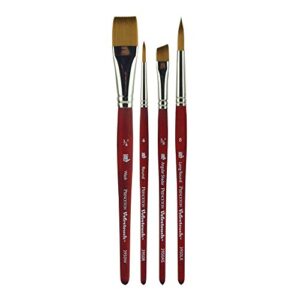
1. Acrylic Paint With a Liner or Detail Brush
This is the classic alternative, and it can do everything a paint pen can and more. A liner brush (long, pointed bristles that hold lots of paint) draws thin lines, while a small round brush handles lettering and details. Acrylic is opaque, comes in endless colors and can be mixed, thinned and layered.
Tips
- Thin paint with a few drops of water or flow medium until it moves like ink, which lets the liner brush glide.
- Rotate the brush as you draw to keep the tip pointed.
- Rest your hand on the work surface to steady the line.
- Practice a few strokes on scrap before the final piece.
Best for
Rock painting, wooden signs, canvas, mixed-media pieces and anywhere you want custom colors or varied line widths.
2. Oil-Based Paint Markers
These contain oil or solvent-based paint and are known for adhesion to difficult surfaces. They write on glass, metal, rubber, plastic and rough stone, and they resist water and sunlight. Because they are slow drying, they blend a bit and give rich color, but they smear if touched too early.
Pros and cons
- Excellent for outdoor and industrial use
- Strong odor, so use ventilation
- Not ideal for porous paper, which can show bleed-through
3. Acrylic Markers and Posca-Style Water-Based Markers
These are the closest substitutes if you like the convenience of a pen. They deliver opaque, water-based acrylic color through felt or pump tips, in many shapes and sizes. They work on paper, wood, canvas, stone, ceramic and plastic. Most dry quickly and can be layered once dry.
Limits
Water-based markers may reactivate if exposed to water or varnish applied too soon. Test a sealer on a small sample before coating a finished piece.
4. Fabric Markers and Fabric Paint
If your paint pen project is on clothing, tote bags or cushions, fabric markers are designed to bond with fibers and survive washing when heat-set. They are less opaque on dark fabric, so for a bold design consider a squeeze-tube fabric paint or acrylic with textile medium.
5. Gel Pens and Metallic Pens
Gel pens deliver thick, creamy lines that show up well on dark paper. Metallic and glitter gel pens add shimmer. They are best for journals, cards, scrapbooking and decorative paper crafts. They do not suit slick or outdoor surfaces, and most are not lightfast.
6. Chalk Markers
Liquid chalk markers produce opaque, matte lines on glass, chalkboards, windows and sealed non-porous surfaces. They wipe away with a damp cloth, which makes them ideal for temporary signage and seasonal windows, but not for lasting work. Some surfaces ghost after cleaning, so test first.
7. Squeeze Bottles and Applicator Tips
Fill a small bottle with fine metal tip (the kind used for icing or glue) with thinned acrylic paint. You get a thin, continuous line and lots of control over dots, raised lines and details. It is a clever solution for fine lines on rocks, ceramics and glass if used with compatible paint and cure instructions.
8. Dotting Tools, Daubers and Sponge Applicators
For dots, circles and stamping, dotting tools and dabbers are a better choice than any pen. Dip the tool in paint, then press. Different sizes yield different dot diameters. These are useful for mandala-style rock painting and for children.
Which Alternative Fits Which Surface?
| Surface | Good alternatives |
|---|---|
| Rocks and stones | Acrylic paint with brushes, acrylic markers, dotting tools |
| Raw wood | Acrylic paint, water-based acrylic markers, stain pens |
| Glass and ceramic | Oil-based markers, glass paint, chalk markers for temporary use |
| Metal | Oil-based markers, enamel paint |
| Fabric | Fabric markers, textile paint |
| Paper and cardstock | Gel pens, acrylic markers, watercolor and gouache |
| Plastic | Oil-based markers, acrylic with adhesion promoter |
| Canvas | Acrylic paint, acrylic markers |
How to Use Paint Pens Well Before You Give Up
Some problems that push people to look for alternatives can be solved with technique. If you want to keep your pens working, a few practices help.
- Shake the pen with the cap on to mix pigment.
- Press the tip on scrap paper until paint flows evenly. Avoid pumping repeatedly on your work surface.
- Keep the pen vertical and hold it at a consistent angle for steady lines.
- Let each layer dry before the next one so the nib does not drag wet paint.
- Clean the tip on a paper towel and recap tightly after each session.
- Store horizontally, or tip-down only if the manufacturer recommends it.
- Seal finished work with a compatible clear coat after the paint has dried.
For more guidance on pens and choosing among them, see the guide to paint pens for painting crafts.
Verdict by Use Case
- You want control and custom color: acrylic paint with a liner brush.
- You want the pen convenience with fewer clogs: water-based acrylic markers.
- You need permanence on glass, metal or outdoor items: oil-based paint markers.
- You are decorating clothing or bags: fabric markers or textile paint.
- You are working on dark paper or journals: gel or metallic pens.
- You need a temporary sign: chalk markers.
- You want the cheapest way to cover a large area: bottled paint with brushes or sponges.
Cost and Value: Pens vs. the Alternatives
Paint pens look economical until you try to cover a large area. A single pen can hold only a small amount of paint, and its price per ounce is typically much higher than bottled paint. For small lettering and detail work, that cost is often acceptable because you use very little. For filling backgrounds, covering a sign or painting dozens of rocks, a bottle of acrylic paint and a few brushes will cost less in the long run.
- Lowest cost for large jobs: bottled acrylic with brushes or sponges.
- Best value for mixed work: a small set of acrylic markers plus a bottle of white and black acrylic for touch-ups.
- Higher upfront cost but lasting: oil-based paint markers for outdoor, glass and metal projects.
- Cheapest for temporary projects: chalk markers or washable markers.
Fixing Common Alternative-Tool Problems
Acrylic lines look shaky with a liner brush
The paint may be too thick, or the brush bristles may be too long for the size of the lettering. Thin the paint with a little water and flow medium, and use a short-bristle detail brush for small text.
Marker lines look streaky
Streaks occur when the nib is not fully loaded or you go back over wet paint. Prime the marker, make smooth single passes and add a second coat after the first dries.
Paint beads up on glass or glossy surfaces
Wipe with rubbing alcohol first to remove oils and use paint made for glass or an oil-based marker. Allow curing time as directed.
Lines bleed into raw wood
Seal the wood lightly with a thin coat of clear sealer or gesso before lettering. Sand lightly after it dries.
Tips for Switching Without a Learning Curve
If you are used to pens and want to try brushes, start with the same tasks, only slower. Draw the outline in pencil, then trace it with a small round brush and thinned acrylic. Practice a few common strokes, such as straight lines, curves and teardrop shapes, on scrap paper. Many people find that after an hour of practice their brush control surpasses their pen control, because the brush responds to pressure.
Safety and Surface Compatibility Notes
Several of these alternatives have limitations that are easy to overlook. Oil-based markers and spray products give off fumes and need ventilation. Chalk markers and some water-based pens may stain porous materials such as unsealed stone and raw wood, so test first on a hidden spot. Glass and ceramic items that will contact food or drink should be decorated only on the outside, away from lips and surfaces that touch food, and only with products that say they are suitable for that use. For items that will be handled often, such as mugs, keep the design away from the rim and follow any curing or baking directions that come with the product.
FAQs
What can I use instead of paint pens?
Acrylic paint with a liner brush, acrylic or oil-based markers, fabric markers, gel pens and chalk markers all work, depending on the surface and permanence you need.
Are paint pens the same as paint markers?
They are very similar, and many brands use the names interchangeably. Pens often have finer tips, while markers have thicker nibs and larger reservoirs.
Can I use acrylic paint in a refillable marker?
Empty refillable markers designed for paint can hold thinned acrylic, but thick paint can clog the nib. Follow the marker manufacturer’s guidance and thin the paint appropriately.
What is the best alternative for painting on rocks?
Acrylic paint with brushes and dotting tools gives the most control and color range, and acrylic markers are the easiest substitute for a pen.
How do I use paint pens without clogging them?
Prime on scrap paper, avoid heavy pumping, wipe the tip after use and cap them tightly. Store them as the manufacturer recommends.
Are paint pens permanent?
It depends on the formula and surface. Oil-based pens tend to be the most permanent. Water-based pens usually need a sealer for outdoor or heavy-use items.
Final Thoughts
No alternative beats a paint pen at everything, but each wins in specific situations: brushes for control and cost, oil markers for tough surfaces, fabric markers for textiles. Match the tool to the surface and finish, test on scrap, and seal what needs to last. If you decide pens are still the right fit for rocks, see this guide to rock painting pens for options.