Have you ever wondered if you can paint watercolours on canvas? You might think watercolours belong only on paper, but what if you could create stunning, delicate washes on a canvas instead?
This idea opens up exciting possibilities for your art, allowing you to combine the softness of watercolours with the texture and durability of canvas. But before you dive in, it’s important to understand the unique challenges and techniques involved. Keep reading to discover how you can make watercolours work beautifully on canvas and avoid common pitfalls that could hold your artwork back.
Your creative journey is about to get a fresh twist!
Credit: shop.zenartsupplies.co
Watercolor Basics On Canvas
Painting watercolors on canvas requires understanding the basics. Canvas differs from paper in many ways. These differences affect how watercolors behave and how you should apply them. Knowing the basics helps create better results and avoid frustration.
Watercolor on canvas needs special preparation and technique. The surface texture, absorbency, and pigment movement differ from traditional watercolor paper. This section explains these key differences for beginners and hobbyists.
Differences Between Canvas And Paper
Canvas has a rougher texture than watercolor paper. It is usually thicker and less absorbent. Watercolor paper is designed to soak up water and pigment evenly. Canvas, made for acrylic or oil, does not absorb water well. This changes how the paint spreads and dries on the surface.
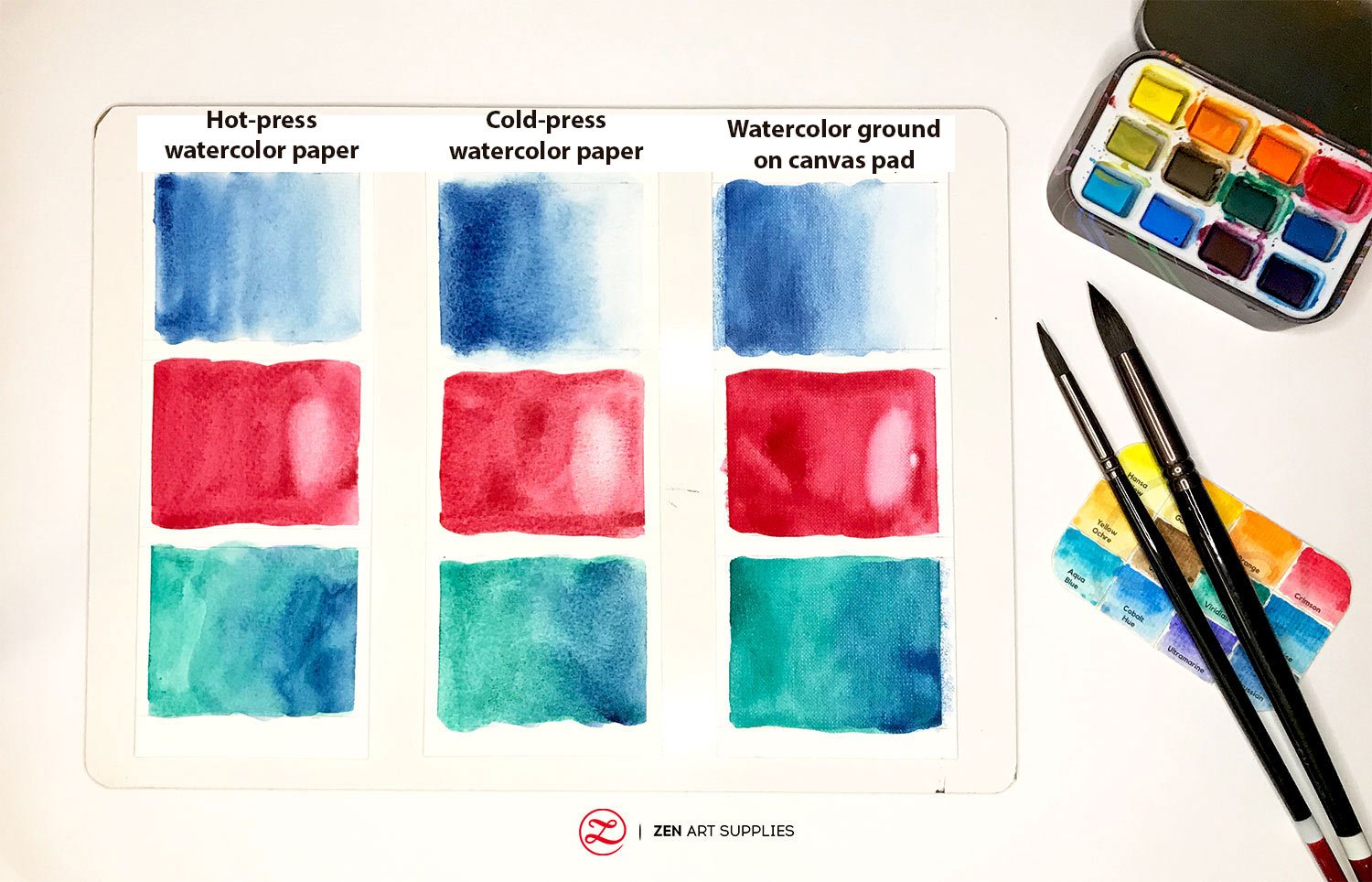
Canvas often needs a special primer or ground to hold watercolor paint. Without it, paint can sit on top and peel off easily. Paper naturally holds watercolor better, allowing smooth washes and blending.
Absorbency Challenges
Canvas does not soak up water like paper. This causes watercolors to pool or bead on the surface. Paint can take longer to dry and may not bind well. Watercolors on canvas may lift or move unexpectedly when wet.
Artists use absorbent grounds to improve canvas absorbency. These grounds create a surface that holds watercolor paint better. Still, controlling water and pigment requires patience and practice on canvas.
Effect On Pigment Behavior
Pigments behave differently on canvas than on paper. Colors may appear less vibrant or spread unevenly. The rough texture affects how light reflects off the paint. It can create a grainy or uneven look.
Layering colors on canvas is harder. Paint layers may not blend smoothly and can lift during repainting. Using less water and building thin layers helps control the pigment. Understanding these effects improves watercolor work on canvas.
Preparing Canvas For Watercolors
Preparing canvas for watercolors requires special steps. Watercolor paint behaves differently on canvas than on paper. The canvas surface does not absorb watercolors well. This can cause colors to spread unevenly or lift off easily. Proper preparation improves paint adhesion and color vibrancy. These methods create a surface that holds watercolor pigments effectively.
Using Watercolor Grounds
Watercolor ground is a special coating made for canvas. It creates a surface similar to watercolor paper. Applying watercolor ground allows the paint to soak in better. It prevents the pigment from sitting on top and flaking off. The ground dries fast and forms a textured surface. Artists can paint on it with watercolors just like paper. Multiple layers of ground improve durability and absorption.
Applying Absorbent Primers
Absorbent primers prepare the canvas by increasing its porosity. These primers soak up water and pigment well. They help create smooth washes and soft blends. Applying a thin, even layer is important. Let the primer dry completely before painting. Some absorbent primers are made especially for watercolors. This method enhances color depth and prevents paint from peeling.
Surface Texture Adjustments
Canvas texture affects how watercolors behave. Rough canvas can cause uneven paint flow. Some artists sand the surface lightly to smooth it. Others add extra layers of ground to build texture. Adjusting texture helps control paint absorption and brush strokes. Experimenting with texture leads to better watercolor results on canvas. The right surface balance gives a natural and vibrant finish.
Techniques For Watercolor On Canvas
Watercolor on canvas requires specific techniques to handle its unique texture and absorbency. Canvas does not soak up water like paper, so artists must adjust their methods. These techniques help achieve vibrant colors and smooth blends despite the canvas surface.
Layering And Wash Building
Apply thin layers of watercolor to build depth gradually. Wait for each wash to dry fully before adding the next. This prevents colors from mixing unintentionally on the canvas. Layering helps create richer tones and a more detailed painting.
Managing Water-to-pigment Ratio
Keep a careful balance between water and pigment. Too much water causes colors to spread uncontrollably on canvas. Too little water results in harsh, uneven strokes. Experiment with small amounts to find the right consistency for smooth application.
Blending And Lifting Colors
Blend colors gently with a damp brush while the paint is still wet. Use clean water to lift or soften colors by dabbing the canvas carefully. This technique allows corrections and smooth transitions between shades on canvas.

Credit: www.artistsnetwork.com
Common Mistakes And Solutions
Painting watercolors on canvas brings unique challenges. Common mistakes often frustrate beginners. Understanding these errors helps improve your work. Below are typical problems and easy fixes for watercolor on canvas.
Avoiding Overworking Paint
Overworking paint causes colors to lose brightness. Too much brushing scrubs the paint off the canvas. Stop once you see the color settle. Use light, confident strokes. Let the paint dry before adding layers to prevent damage.
Preventing Muddy Colors
Muddy colors happen when paints mix too much or too quickly. Avoid mixing many colors on the canvas. Clean your brush between colors to keep them clear. Use fresh water and separate palettes for each color. This keeps hues vibrant and fresh.
Timing And Drying Tips
Watercolor on canvas takes longer to dry than paper. Wait fully for one layer to dry before starting the next. Use a fan or natural airflow to speed drying. Patience stops colors from bleeding into each other. Timing controls the final look of your painting.
Tools And Materials Recommendations
Painting watercolors on canvas requires specific tools and materials. Choosing the right supplies helps achieve better results and makes the process enjoyable. This section highlights the best brushes, quality watercolors, and suitable canvas types for watercolor painting.
Best Brushes For Canvas Watercolors
Soft brushes work best for watercolor on canvas. Look for synthetic or sable brushes that hold water well. Flat brushes help cover large areas smoothly. Round brushes are good for detail and controlled strokes. Use brushes that keep their shape after repeated use.
Choosing Quality Watercolors
Select watercolors with strong pigmentation and good lightfastness. Tube watercolors offer rich colors and easy mixing. Pan watercolors are portable and convenient. High-quality paints provide vibrant colors that stay bright on canvas. Avoid cheap paints that may fade or lift easily.
Canvas Types And Panels
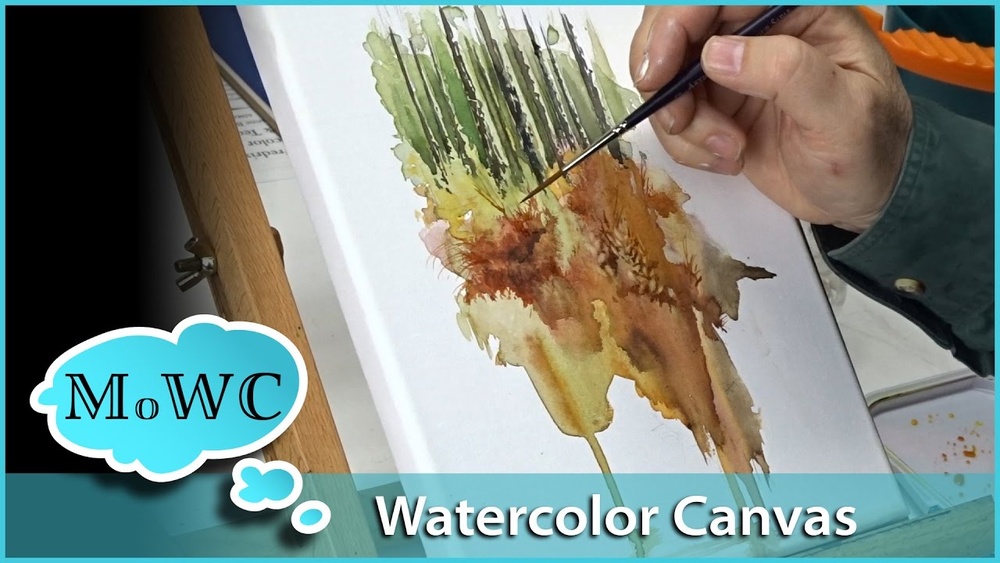
Standard canvas absorbs too little water for watercolor paints. Use canvas panels treated with watercolor ground for better absorption. Watercolor canvas has a special coating to hold pigments well. Stretched canvas can work if prepared properly with absorbent primers. Choose smooth surfaces to control paint flow effectively.
Credit: www.youtube.com
Creative Effects With Watercolor On Canvas
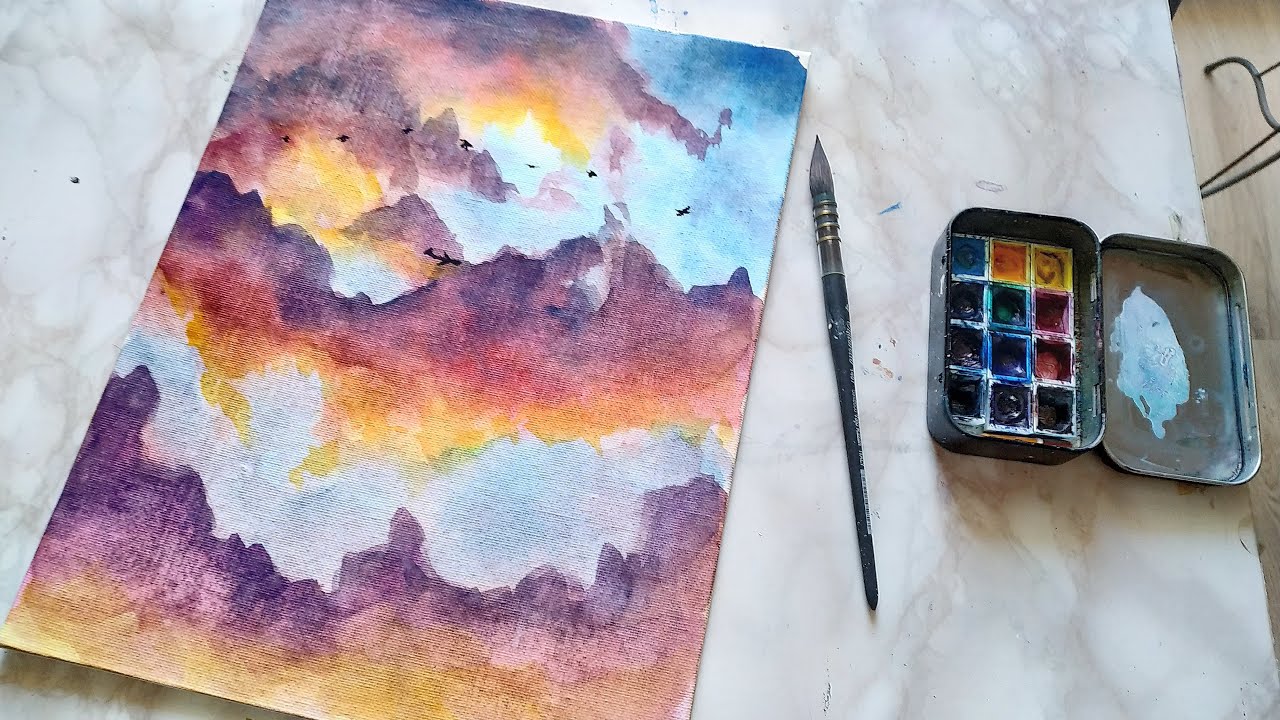
Watercolor on canvas offers unique creative effects that differ from traditional paper. The texture and absorbency of canvas change how watercolors behave. Artists can explore fresh techniques to add depth and interest. This medium encourages experimentation with other materials and textures for vibrant results.
Combining Watercolors With Ink
Ink pairs well with watercolor on canvas. The ink lines add sharp details and contrast. You can use fine liners or brush pens for varied effects. Ink highlights shapes and enhances the painting’s structure. This mix creates dynamic artwork with clear, bold accents.
Mixed Media Possibilities
Canvas supports many art supplies beyond watercolor. Acrylics, pastels, and charcoal work well alongside watercolors. Layering these materials builds complexity and richness. Each medium brings a different texture and finish. Mixed media on canvas expands creative freedom and visual interest.
Textural Enhancements
Canvas texture adds a natural, tactile quality to watercolor. You can enhance this by using gesso or texture paste. These layers create raised surfaces that catch paint differently. Experiment with sponges or palette knives for unique patterns. Textural effects make the artwork more engaging and lively.
Troubleshooting And Care
Painting watercolours on canvas can be rewarding yet challenging. Understanding troubleshooting and care helps keep your artwork vibrant and intact. Canvas behaves differently from paper, so knowing how to fix common issues is key.
Fixing Paint Lifting Issues
Paint lifting happens when water or pigment peels off the canvas surface. This occurs if the canvas is not properly prepared or the paint is too wet. To fix lifting, wait until the paint dries fully before adding another layer. Use less water on your brush to avoid disturbing the previous layer. Applying a thin coat of absorbent ground before painting improves adhesion. If lifting occurs, gently blot with a dry brush instead of scrubbing.
Preserving Finished Artwork
Watercolour on canvas needs protection to last long. Use a clear spray varnish designed for watercolours to seal the surface. Avoid heavy varnish that may alter the colours. Keep your painting away from direct sunlight to prevent fading. Store artwork in a dry place with stable temperatures. Framing under glass adds extra protection from dust and moisture.
Cleaning And Maintenance
Dust your canvas gently with a soft brush or dry cloth. Avoid water or cleaning solutions, which can damage the paint. Handle the edges of the canvas to prevent smudging the painted area. Check your artwork regularly for any signs of wear or damage. Early care keeps your watercolour canvas looking fresh and vibrant for years.
Inspiration And Resources
Finding inspiration and reliable resources is key to exploring watercolor on canvas. This unique technique blends the fluidity of watercolor with the texture of canvas. Artists who experiment with this medium often share their work and tips, helping others learn and grow.
Access to tutorials and communities enriches your painting journey. See how others handle challenges and celebrate successes. Discover new ideas and techniques from various sources.
Notable Artists Using Watercolor On Canvas
Some artists have made watercolor on canvas their signature style. John Lovett uses absorbent ground to prepare canvas for watercolor. His work shows how soft washes and fine details can coexist on canvas.
Emily Winslow combines delicate floral patterns with bold canvas textures. Andrea Nelson shares quick glimpses of her large watercolor canvas pieces online. These artists prove watercolor on canvas can be vibrant and expressive.
Video Tutorials And Online Classes
Many free and paid tutorials explain how to paint watercolor on canvas. Karen Rice offers step-by-step guides for beginners and advanced painters. Emily Olson’s videos teach how to use watercolor ground effectively.
Sunshine Arts and Stream of Dreams Design upload short clips demonstrating techniques. These videos break down complex steps into simple actions. Online classes provide structured learning and feedback from instructors.
Community And Sharing Platforms
Artists gather on platforms like Instagram, TikTok, and Reddit to share watercolor canvas art. Hashtags and groups help find peers and inspiration. Joe Menza and Cady Driver post works that spark discussion and ideas.
Joining these communities offers support and critiques. Sharing your progress encourages growth and new friendships. Engaging with others keeps motivation high and creativity flowing.
Frequently Asked Questions
Can I Paint Watercolors On A Canvas?
Yes, you can paint watercolors on canvas, but the surface lacks absorbency. Use watercolor ground to prepare the canvas for better pigment adherence and layering.
Will Watercolor Paint Stay On Canvas?
Watercolor paint does not easily stay on untreated canvas. Use a special absorbent ground to make the surface hold watercolor better. Without it, paint may lift or blend poorly. Proper surface preparation ensures watercolor adheres and retains vibrant colors on canvas.
What Are Three Common Mistakes That People Make When Using Watercolor?
Three common watercolor mistakes are overworking paint causing muddy colors, using incorrect water-to-pigment ratios, and focusing on details too early instead of shapes and values.
How To Seal Watercolor Painting On Canvas?
Apply a clear acrylic spray sealer in thin, even coats. Let each coat dry before applying the next. Avoid heavy layers to prevent color distortion. Use a UV-protective varnish for added durability and fade resistance. Seal both front and edges for full protection.
Conclusion
Painting watercolours on canvas is possible with the right approach. Canvas needs special preparation to hold the paint well. Using absorbent ground helps watercolours stick and blend better. Expect some differences compared to painting on paper. Patience and practice will improve your results over time.
Experiment with techniques and materials to find what works best. Watercolour on canvas offers a fresh way to create art. Try it out and enjoy exploring this unique surface.