Quick answer: The best canvas painting ideas for an 8×10 are simple, single-subject compositions that can be finished in one or two sessions: a lone tree at sunset, a close-up flower, a moon over water, a coffee cup still life, a pet portrait, a geometric abstract with tape lines, or a simple quote over a color wash. Keep one clear focal point, use a limited palette of three to five colors, and leave some negative space so the small format does not feel crowded.
Small canvases reward a different way of thinking. The best canvas painting ideas for 8×10 surfaces are not shrunken versions of big paintings; they are ideas designed around a single subject, a strong silhouette or a striking color combination. At 80 square inches, there is just enough space for a complete composition but not enough for clutter.
Below are 30 ideas grouped by theme, each with notes on palette, composition and technique so you can start right away. Several work as a series, which is a great way to use a multi-pack. If you need a stack of blanks, our guide to the best 8×10 canvas packs compares bundles for practice and gifting.
Before You Start: Three Rules for Small Canvases
- One focal point. Pick the one thing the viewer should notice first. Everything else supports it.
- Big shapes first. Block in the background and main shapes with a 1/2 or 3/4 inch flat before reaching for detail brushes.
- Limited palette. Three to five colors plus white keeps small paintings cohesive. Mixing from a few tubes also teaches color relationships fast.
Landscape and Sky Ideas
1. Lone tree at sunset
Paint a gradient sky from yellow near the horizon through orange to deep pink or purple at the top. Once dry, add a black or dark blue silhouette of a single tree on a low hill, placed off-center. Silhouettes are forgiving: no shading needed, just a confident outline.
2. Full moon over water
Use a dark blue to black background. Trace a circle with a jar lid and fill it with white, adding a little gray for crater shapes. Drag broken horizontal strokes of white under the moon for its reflection. Works in vertical orientation for a tall reflection.
3. Rolling hills in three values
Paint three overlapping hill shapes, lightest at the back and darkest at the front, using one green mixed with increasing amounts of white. It is a quick lesson in atmospheric perspective and looks calm and modern.
4. Mountain range with a starry sky
Blend navy into purple for the sky. Paint jagged mountains in dark blue-gray with a lighter edge on one side for snow. Flick white paint from an old toothbrush for stars. Cover the mountains with paper before flicking.
5. Beach horizon
Divide the canvas with a horizon one-third from the top: pale blue sky, deeper turquoise sea and sandy beige below. Add a thin band of white foam where water meets sand using a dry brush. Minimal and calming, ideal for a bathroom wall.
6. Birch trees in snow
Lay strips of masking tape vertically at different widths over a soft blue or gray background. Paint over them with white, peel the tape, then add black dashes and knots with the edge of a card. The tape gives crisp trunks without careful brushwork.
Floral and Botanical Ideas
7. One oversized bloom
Fill most of the canvas with a single peony, rose or sunflower, cropping some petals off the edge. A close crop makes a small canvas feel bold. Paint petals from the back forward, darkest in the center.
8. Lavender sprigs
On a cream or pale yellow background, paint thin green stems, then stack small dabs of two or three purple shades along the top third. A round brush pressed and lifted creates the shape of each bud quickly.
9. Monstera or palm leaf
Outline a large leaf shape in pencil, paint it in a mid-green, then add darker veins and a lighter edge. A white or blush background keeps it fresh and contemporary.
10. Cherry blossom branch
Paint a dark brown branch diagonally across a soft blue sky. Dab pink blossoms with a cotton swab or the end of a brush handle, mixing in a few white ones. Diagonal compositions add movement to small formats.
11. Succulent from above
Seen from the top, a succulent is a spiral of pointed shapes. Start with the innermost leaves and work outward, adding lighter tips. Sage, teal and soft pink create a natural palette.
Abstract and Pattern Ideas
12. Tape-resist geometry
Apply masking tape in intersecting lines across a blank canvas. Fill each section with a different color from a planned palette, then peel the tape to reveal white lines. Press the tape edges down firmly to prevent bleeding.
13. Color-block arches
Paint nested rainbow-style arches in muted earth tones such as terracotta, mustard, sage and cream. Trace curves using bowls or plates of different sizes. This style suits modern and boho decor.
14. Palette knife texture study
Choose three colors and spread them with a palette knife in overlapping strokes. Let the knife blend some areas and leave others distinct. Small canvases are a good, low-cost place to learn knife painting.
15. Dot mandala
Draw concentric circles in light pencil. Use the end of a brush handle, a pencil eraser or a dotting tool to place dots along each ring, changing color with every circle. Patient, meditative and very effective on a dark background.
16. Ombre gradient
Blend two colors from top to bottom while both are wet, working quickly with a wide brush. Add a small metallic gold line or a single shape for a focal point.
17. Line art face
Paint a flat background, then draw a continuous-line face profile in black with a liner brush or paint marker. The simplicity suits the small size and looks gallery-ready.
Animal and Pet Ideas
18. Pet portrait silhouette
Trace or sketch your pet’s profile, then paint it as a solid dark shape over a bright background. Even beginners get a recognizable result because the outline carries the likeness.
19. Cardinal on a snowy branch
A red bird against a pale background is a classic small-format subject. Paint the branch first, then the bird’s body as an oval with a crest, a black mask and a small orange beak.
20. Whimsical cow or highland cow
Fluffy textures suit a scruffy brush. Use warm oranges and browns, stroke outward from the face and place the eyes and nose last. Popular as nursery and farmhouse art.
21. Jellyfish glow
On a deep navy background, paint a translucent dome with thinned white and pale pink, then drag long, wavy tentacles downward. A few dots of light blue around it suggest bioluminescence.
Food and Still Life Ideas
22. Coffee cup from above
Paint a circle for the cup, a darker circle for the coffee and a simple latte-art heart in cream. Add a saucer and a spoon. Top-down views avoid tricky perspective.
23. Lemon slices
Arrange two or three lemon slices on a blue or white background. Paint a yellow circle, a pale ring inside and segments separated by white lines. Bright, graphic and easy to repeat as a set.
24. Single pear or apple
A classic study in light and shadow. Place the light source on one side, paint a cast shadow on the opposite side and add a small highlight. Great practice before tackling larger still lifes.
25. Watermelon wedge
Paint a triangular wedge in pink-red with a white rind band and a green outer edge. Add black teardrop seeds. Pairs well with a lemon slice canvas for a summer kitchen set.
Seasonal and Holiday Ideas
26. Pumpkin trio
Paint three pumpkins of different sizes and colors, white, orange and sage, overlapping slightly. Curved vertical lines create their segments. Use for fall decor.
27. Christmas tree silhouettes
Paint a row of simple triangle trees in varied greens on a snowy white ground, with a pale gray sky. Add white snow on the branches and a gold star on the tallest.
28. Snow globe
Paint a circle with a tiny scene inside, perhaps a house or a single tree, then add a wooden base below. Flick white dots for snow. Charming as a holiday gift.
Words and Personal Ideas
29. Quote over a wash
Paint a soft watercolor-style background with thinned acrylic, let it dry, then letter a short phrase with a paint marker. Keep the phrase to three to six words so the letters can be large enough to read.
30. Initial or name canvas
Outline a large letter with tape or a stencil, paint around it or within it with patterns, then peel the tape. Personalized canvases make useful gifts and kids’ room decor.
Ideas Matched to Skill Level
| Skill level | Try these first | Why |
|---|---|---|
| Complete beginner | Tape geometry, ombre, lone tree, beach horizon | Rely on blending and silhouettes, little detail needed |
| Some experience | Moon over water, lavender, cherry blossom, coffee cup | Introduce simple layering and small detail |
| Comfortable | Oversized bloom, cardinal, pear study, jellyfish | Require value control, shading and edges |
| Advanced | Pet portrait in full color, highland cow, mountain range | Texture, likeness and atmospheric effects |
Turning 8x10s Into a Series
Small canvases look strongest in groups. Some series ideas:
- Four seasons: The same tree painted in spring, summer, autumn and winter.
- Times of day: One landscape at dawn, noon, sunset and night.
- Color study: The same flower painted in four different color schemes.
- Kitchen trio: Lemon, watermelon and coffee cup.
- Abstract triptych: One continuous tape design spread across three canvases placed side by side.
When painting a series, keep at least one element consistent, such as background color, palette or horizon height, so the group feels unified on the wall.
Finishing Touches That Make Small Paintings Look Finished
On an 8×10, small finishing choices have an outsized effect. Paint the side edges, either in the background color or a solid neutral, so the canvas looks complete without a frame. Sign in a corner with a liner brush, keeping the signature small and in a color already present in the painting. Once the acrylic has dried for at least a day or two, brush or spray on a thin coat of varnish; it evens out patches of dull and shiny paint and makes colors look richer. Finally, add a sawtooth hanger or set the painting on a small easel so it is ready to display or give.
Supplies That Make Small Paintings Easier
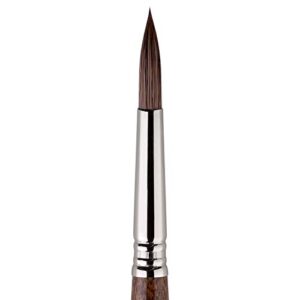
- Brushes: 3/4 inch flat, 1/2 inch flat, size 6 round, size 2 round, a liner and a palette knife
- Painter’s tape or masking tape for clean edges
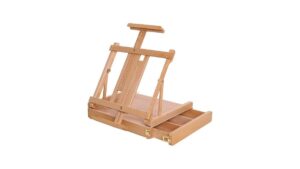
- A tabletop easel to keep the canvas upright
- Paint markers for lettering and line details
- Cotton swabs, a toothbrush and an old card for texture effects
- Acrylic paints in primary colors plus white, black and one earth tone
Because ideas like these use so many canvases, buying in quantity keeps costs down; our comparison of 8×10 canvas multi-packs for series painting highlights bundles that suit this kind of practice.
FAQs
What is easy to paint on an 8×10 canvas?
Silhouettes, sunsets, simple landscapes with three values, tape-resist abstracts, ombre gradients and single fruits are among the easiest ideas to paint on an 8×10.
How long does an 8×10 painting take?
Most of these ideas take one to three hours in acrylic. Detailed realism or oil paintings may take several sessions.
What colors work well on small canvases?
A limited palette of three to five colors plus white keeps small paintings cohesive. Analogous colors give calm results; one complementary accent adds punch.
Should I paint 8×10 canvases vertically or horizontally?
Either. Tall subjects like trees, flowers and portraits suit vertical; landscapes, beaches and still life arrangements often suit horizontal.
How do I make a small painting look professional?
Keep one focal point, paint the canvas edges, sign neatly, and finish with a coat of varnish to even out the sheen.
Can I sell 8×10 paintings?
Many artists sell small originals at art fairs and online because they are affordable for buyers and easy to ship.
Final Thoughts
The best 8×10 ideas share three traits: one subject, a simple palette and a bold composition. Start with a silhouette or tape abstract, then work up to blooms, birds and pets as your confidence grows. Pick a theme for a series and you will have a cohesive wall display before long. Stock up with our guide to the top 8×10 canvas bundles for beginners and hobbyists so you always have a fresh surface ready.