DIY science projects turn curiosity into simple, hands-on learning at home.
You want kids off screens, but you also want real learning. That is where diy science projects shine. They help children see how the world works in small steps. They also give adults a stress-free way to guide experiments. I have tested and compared top options that are ready to go right out of the box. From crystals to motors to a working Bluetooth speaker, these kits turn a kitchen table into a lab. Below, I break down what to expect, what stands out, and who each kit fits best.
UNGLINGA 150-Experiment Science Kit

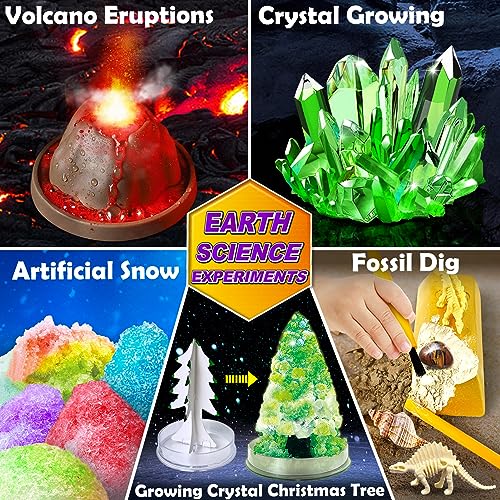
This broad kit gives kids a big menu of experiments. You get chemistry tools, volcano parts, color mixing, and simple physics demos. The pieces are sized for small hands but feel sturdy. The guide is easy to follow and uses safe, common ingredients for many of the activities.
I like the variety because it reduces boredom. If your child tires of one topic, you can swap to another fast. That makes it a helpful gateway to diy science projects across a school year. It also works well for siblings since there are many repeatable experiments.
Pros:
- 150 activities mean long-term value and many learning paths
- Clear, colorful manual with step-by-step guidance
- Good mix of chemistry, volcano builds, and physics basics
- Uses many household items to extend experiments
- Durable plastic tools sized for kids’ hands
Cons:
- Some experiments are very short and feel like demos
- May require extra supplies like vinegar or baking soda
- Storage tray would help keep parts organized
My Recommendation
Pick this if you want a single kit that can fuel many diy science projects without extra planning. It is ideal for parents who want plug-and-play activities that still teach core ideas. Teachers will like the volume of quick demos for class. If you need a first science set, this covers a lot of ground and keeps kids curious.
| Best for | Why |
|---|---|
| Families new to diy science projects | Lots of simple, low-mess activities with clear steps |
| Multi-kid households | Many repeatable experiments and topics to share |
| Weekend STEM fun | Quick builds reduce setup time and keep attention |

| Best for | Why |
|---|---|
| Visual learners | Bright, clear crystals offer a strong “wow” factor |
| Patience and planning practice | Multi-day growth builds focus and routine |
| Bedroom display | Comes with cases to showcase finished crystals |

| Best for | Why |
|---|---|
| Hands-on tinkerers | Large gear set and motors invite open-ended builds |
| STEM clubs and classes | Enough parts for small teams to prototype |
| Motion and energy lessons | Easy demos of torque, speed, and gearing |

| Best for | Why |
|---|---|
| Upper elementary to teens | Voltage range supports deeper experiments |
| Data-driven projects | Easy to chart voltage, speed, and torque |
| STEM fair builds | Supports custom designs with real performance |
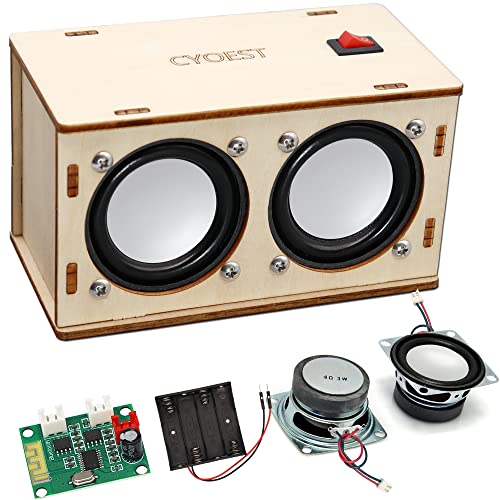
| Best for | Why |
|---|---|
| Beginner electronics | Pre-soldered board reduces barriers to entry |
| Teens and tweens | Useful end product with cool factor |
| Weekend build | One session assembly with clear, guided steps |