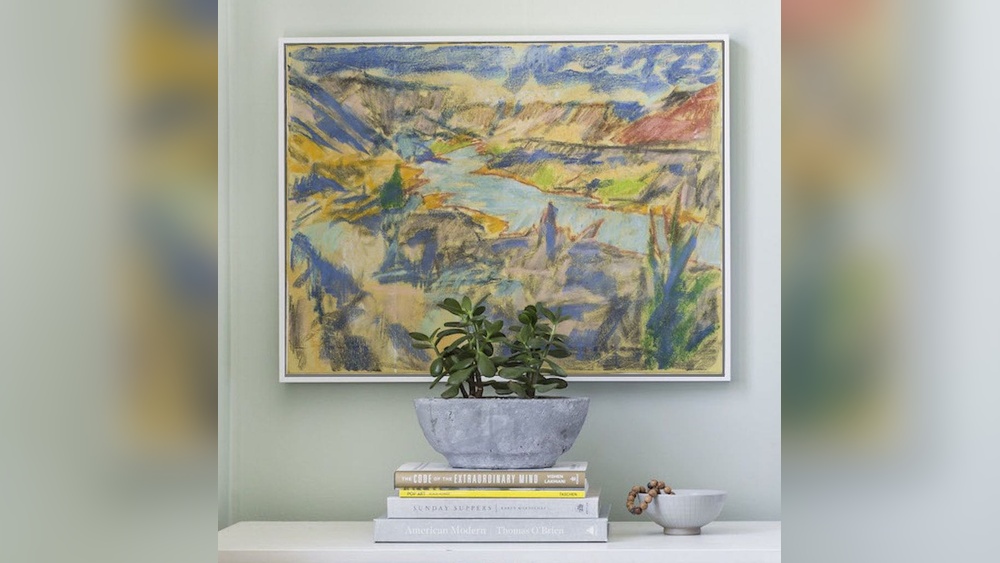
Are you wondering how to frame your canvas painting so it truly stands out? Framing a canvas isn’t just about putting it in any frame—it’s about choosing a style that enhances your artwork and fits your space perfectly.
Whether you want a sleek, modern look or a classic touch, the right frame can transform your painting into a stunning centerpiece. In this guide, you’ll discover easy, step-by-step ways to frame your canvas painting at home, plus tips on picking the perfect frame style.
Keep reading to find out how you can protect your art and showcase it like a pro. Your canvas deserves to shine—let’s make that happen!

Credit: joyfulderivatives.com
Choosing The Right Frame
Choosing the right frame for your canvas painting is key to enhancing its beauty. The frame should complement the artwork without overpowering it. Think about the style of the painting and the room where it will hang. The right frame adds depth and focus to your art.
Floating Frames For Modern Art
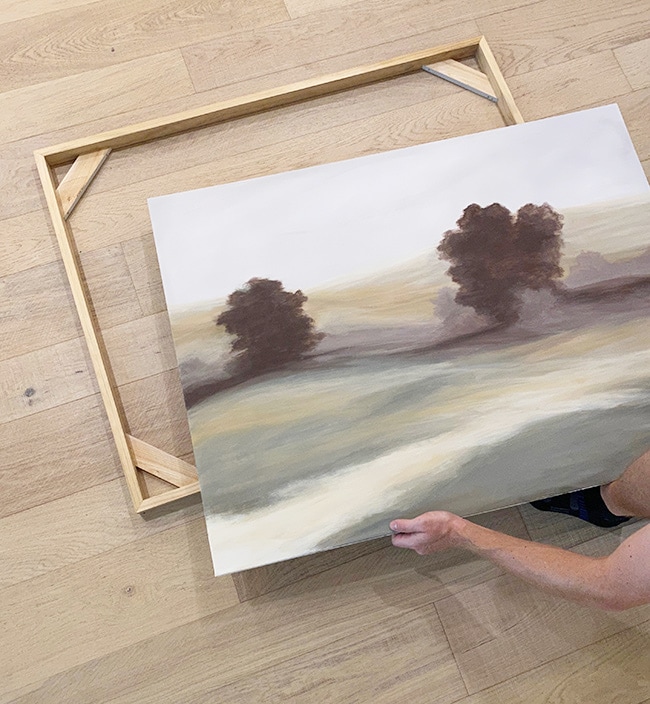
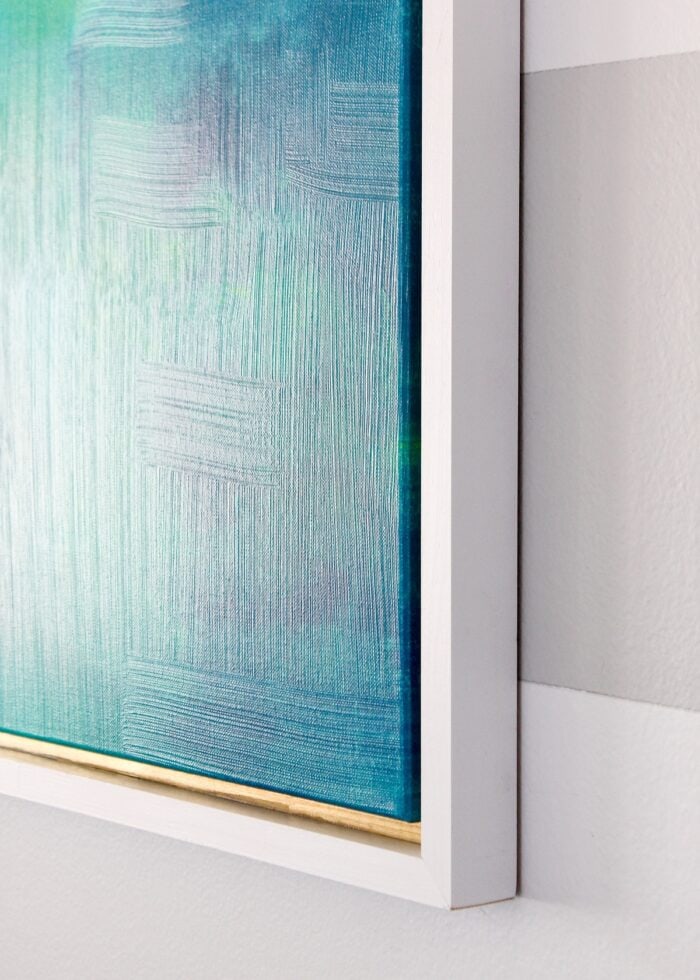
Floating frames create a space between the canvas and the frame. This style suits modern and abstract paintings well. It gives the illusion that the artwork is floating. These frames highlight the edges of the canvas and add a sleek, contemporary look.
Traditional Stretcher Bars
Stretcher bars keep the canvas tight and flat. They are simple wooden frames that support the canvas from behind. This option is common and affordable. It works well if you prefer a clean, minimal presentation without extra framing.
Box And Shadow Box Frames
Box frames protect the canvas with a deeper frame structure. Shadow box frames add extra space between the art and the glass. Both styles provide protection and a modern display. They are ideal for thick canvases or three-dimensional pieces.
Ornate And Classic Moldings
Ornate moldings offer rich designs and detailed carvings. They suit classic or traditional paintings beautifully. These frames add elegance and a vintage feel. Choose colors like gold, bronze, or dark wood to enhance the art’s timeless look.
Matching Frame Color And Style
Match the frame color with tones in the painting or room. Neutral colors like black, white, or wood work well with many artworks. The style of the frame should fit the painting’s theme. A good match creates harmony and draws attention to the canvas.
Credit: www.jennasuedesign.com
Preparing The Canvas
Preparing the canvas is the first step in framing your painting. It ensures the artwork looks its best and stays protected. Proper preparation helps avoid damage and gives the painting a professional appearance.
Follow simple steps to stretch, secure, and clean your canvas. These steps create a smooth surface and prepare the painting for framing.
Stretching The Canvas Properly
Start by pulling the canvas tight over the stretcher bars. Stretch evenly on all sides to avoid wrinkles or sagging. Use canvas pliers for a firm grip. Staple the canvas on the back of the bars, working from the center outwards. Make sure the canvas remains flat and taut.
Securing Canvas On Stretcher Bars
Check that the canvas is firmly attached to the stretcher bars. Add extra staples if needed, especially on the corners. Fold the corners neatly for a clean look. The canvas should not move or loosen after securing. Proper attachment helps keep the canvas stable inside the frame.
Cleaning And Varnishing Tips
Dust the surface gently with a soft brush or cloth. Avoid using water or cleaning products that can harm the paint. Apply a clear varnish to protect the painting from dust and UV light. Use a spray varnish for even coverage. Let the varnish dry completely before framing to avoid damage.
Framing Methods
Framing a canvas painting can enhance its beauty and protect it for years. Different framing methods suit various canvas types and personal styles. Choosing the right method depends on your skills, tools, and the look you want.
This section explains four popular framing methods. Each method offers unique benefits and can be done at home with simple materials.
Open Back Frame Assembly
This method uses a frame that leaves the back of the canvas open. It allows the canvas to breathe and keeps it from touching the glass. Open back frames are lightweight and easy to hang. You simply place the stretched canvas inside the frame and secure it with small nails or clips.
This style works well for thick canvases and adds a modern look. It also lets you see the edges of the painting, which artists often decorate.
Using Pre-made Canvas Frames
Pre-made frames designed for canvases save time and effort. They come in standard sizes and styles to fit most canvas paintings. These frames usually have a lip to hold the canvas securely.
Simply measure your canvas and choose a matching frame. Insert the painting and fasten it with the provided hardware. This method is quick and gives a clean, professional finish.
Diy Floating Frame Construction
A floating frame creates space between the canvas and the frame edges. This space makes the painting look like it is “floating” inside the frame. You can build a floating frame using wood strips and basic tools.
Cut wood pieces to fit around the canvas sides. Attach them to create a shallow box frame. Paint or stain the wood to match your decor. This method highlights the canvas thickness and adds depth.
Mounting Unstretched Canvas
Unstretched canvas needs special care before framing. You can mount it on a firm board or foam core for support. Use acid-free adhesive or spray glue to fix the canvas smoothly.
Once mounted, place the board inside a frame or build a custom frame around it. This method works well for loose canvas or fabric art. It protects the painting and gives a flat, neat appearance.
Credit: thehomesihavemade.com
Tools And Materials Needed
Framing a canvas painting needs specific tools and materials. These items help protect your artwork and give it a polished look. Having the right supplies makes the process easier and the results better. Below are the key tools and materials you need to prepare for framing your canvas.
Essential Tools For Framing
You need some basic tools to frame a canvas painting. A measuring tape helps get exact frame sizes. A staple gun or small nails fix the canvas firmly. A screwdriver or drill may be needed to assemble the frame. A level ensures your frame hangs straight. Scissors or a utility knife cut backing or paper neatly. These simple tools create a smooth framing experience.
Selecting Frame Materials
Choosing the right frame material changes the painting’s look. Wood frames offer a classic, warm feel. Metal frames give a modern, sleek style. Floating frames let the canvas edges show, adding depth. Pick a frame that fits your art style and room decor. Also, consider frame color and width to balance the painting’s size.
Protective Backing Options
Backing protects the canvas from dust and damage. Foam board or cardboard works well as a backing. Acid-free paper keeps the painting safe from yellowing. Some use craft paper to cover the back and seal out dirt. Choose a backing that fits your painting size and framing method. Good backing extends the life of your artwork.
Step-by-step Framing Process
Framing a canvas painting can enhance its beauty and protect it for years. The process is simple and can be done at home with a few tools. Follow these clear steps to frame your canvas painting neatly. This guide will help you measure, attach, and finish your frame with care.
Measuring Canvas And Frame Size
Start by measuring the width and height of your canvas. Measure the canvas edges, not just the front. Choose a frame that fits these measurements perfectly. Leave a small gap if you want a floating frame effect. Accurate measurements ensure your canvas fits well without damage.
Attaching Canvas To Frame
Place the canvas face down on a clean surface. Position the frame over the back of the canvas. Use staples or small nails to fix the canvas to the frame’s wooden bars. Pull the canvas tight before attaching to avoid wrinkles. Secure all four sides evenly for a smooth look.
Adding Protective Backing
Cut a piece of cardboard or foam board to fit the frame’s back. Attach it with double-sided tape or small nails. This protects the canvas from dust and damage. Skip this step if you plan to varnish the canvas soon. Protective backing helps keep your painting clean and safe.
Final Touches And Hanging
Add hanging hardware like D-rings or wire to the frame’s back. Check the frame edges for any sharp points and smooth them. Clean the canvas surface gently with a soft brush or cloth. Hang your painting on a secure wall hook. Enjoy your beautifully framed artwork displayed with pride.
Tips For Stunning Results
Framing a canvas painting can transform its look and protect it for years. Simple tips help achieve stunning results. Choosing the right frame and caring for it properly enhances your artwork’s beauty. Avoiding common mistakes saves time and effort. Below are key tips to guide you.
Avoiding Common Framing Mistakes
Do not use glass on canvas paintings. It can trap moisture and damage the art. Avoid frames that are too tight; the canvas needs space to breathe. Do not stretch the canvas too much. This can cause warping or tears. Always measure your canvas accurately before buying a frame. Use acid-free materials to prevent yellowing or damage over time.
Enhancing Artwork With Frame Choices
Choose a frame color that complements the painting’s tones. Neutral colors work well with most styles. Consider a floating frame to give depth and modern look. Wood frames add warmth and classic appeal. Match the frame style with the room’s decor for harmony. Keep the frame simple if the painting is detailed and colorful. Let the artwork be the main focus.
Maintaining And Cleaning Framed Canvas
Dust the frame and canvas gently with a soft cloth. Avoid water or cleaners on the canvas surface. Use a small brush to clean hard-to-reach areas. Keep the painting away from direct sunlight to prevent fading. Maintain stable humidity to avoid canvas warping. Check the frame regularly for loose nails or damage. Repair or tighten parts to keep it secure.
Frequently Asked Questions
Can You Put A Canvas Painting In A Frame?
Yes, you can frame a canvas painting. Use an open-back or floating frame without glass to showcase its texture and depth. Stretch the canvas on stretcher bars first for stability. Choose a frame style that complements the artwork’s style and size for the best presentation.
How To Frame An Already Painted Canvas?
Stretch the painted canvas tightly on stretcher bars. Secure it within a suitable frame without glass. Optionally, cover the back with craft paper for protection. Choose a frame style that complements the artwork’s depth and style.
How To Frame Canvas Paintings At Home?
Stretch your canvas tightly over stretcher bars. Attach a floating or shadow box frame around the edges. Secure with nails or clips. Add backing paper for dust protection. Avoid glass to preserve texture and colors.
What Type Of Frame Is Best For Canvas Painting?
Floating frames suit modern canvas art, showing edges and depth. Traditional stretcher bars offer classic support. Deep box frames protect and add dimension. Choose natural wood, black, or white finishes to complement your painting’s style without overpowering it.
Conclusion
Framing a canvas painting adds style and protects your artwork. Choose a frame that fits your painting’s size and style. Floating frames work well for modern looks, while traditional frames suit classic art. Make sure the canvas is stretched tightly before framing.
Use simple tools to keep the process easy and fun. With these steps, your painting will look great on any wall. Enjoy showcasing your art with confidence and care.