Are you ready to bring your creative ideas to life with vibrant colors and bold strokes? Painting with acrylics on canvas is a fantastic way to express yourself, whether you’re a complete beginner or looking to improve your technique. When you paint with acrylics, you unlock a world of vibrant possibilities.
Acrylics are versatile, quick-drying, and forgiving, making them perfect for anyone eager to dive into painting. In this guide, you’ll discover simple steps and expert tips that will help you confidently start your acrylic painting journey. By the end, you’ll know how to prepare your canvas, choose the right brushes, blend colors smoothly, and avoid common mistakes that can hold you back.
Let’s unlock your artistic potential and make your next masterpiece shine!
Credit: willkempartschool.com
Materials And Tools
Starting acrylic painting requires the right materials and tools. These basics help you create smooth, vibrant artwork. Understanding what to choose makes the process easier and more fun. This section explains key items needed for painting on canvas.
Choosing Acrylic Paints
Select paints made for acrylic painting. These paints dry fast and have bright colors. Choose student-grade for practice or artist-grade for better quality. Look for tubes or jars with good pigment concentration. Try primary colors plus white and black to mix others.
Selecting Brushes And Palette Knives
Use brushes with synthetic bristles. They hold acrylic paint well and clean easily. Pick different shapes like flat, round, and fan brushes. Palette knives help spread thick paint or create textures. They come in many sizes and shapes for various effects.
Preparing Your Canvas
Choose a canvas pre-primed with gesso for smooth painting. You can also apply a fresh layer of gesso yourself. This seals the fabric and prevents paint from soaking in. Stretch the canvas tightly on a frame to avoid wrinkles. A clean, dry surface is best to start painting.
Credit: www.pamelagroppe.com
Setting Up Your Workspace
Cleaning and maintenance are key to enjoying acrylic painting for a long time. Proper care keeps your brushes soft and paints fresh. It also helps you avoid dried paint damage. Clean tools make painting easier and results better.
Brush Care
Rinse brushes with water right after use. Acrylic paint dries fast and can ruin bristles. Use mild soap to remove paint completely. Gently reshape bristles and let brushes dry flat. Avoid soaking brushes for long times. Store brushes with bristles up to keep their shape.
Storing Acrylic Paints
Close paint tubes tightly to prevent drying. Store paints in a cool, dry place away from sunlight. Avoid freezing or overheating paints. Use airtight containers for opened paint. Check paint texture before use. Discard dried or lumpy paint to keep colors clean and smooth.
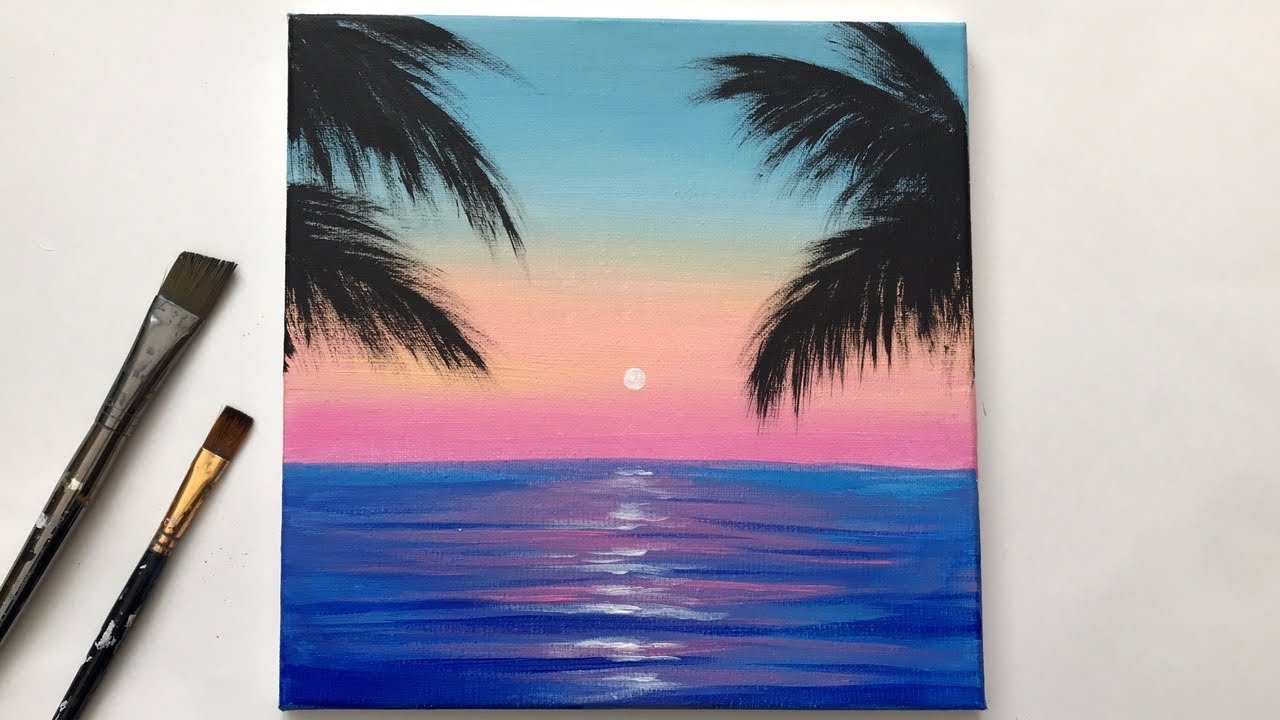
Credit: www.youtube.com
Step-by-Step Guide to Paint with Acrylics
How To Do Acrylic Painting On Canvas Step By Step?
Set up your workspace and prime the canvas. Sketch your design lightly. Apply acrylic paint in thin layers, blending colors smoothly. Let each layer dry before adding details. Finish with a protective varnish to preserve your artwork.
Preparing Canvas and Paint for Acrylics
Canvas preparation
Most canvases are pre primed with acrylic gesso. An extra thin coat, sanded lightly when dry, gives a smoother surface for detail.
Toning
A thin wash of a mid tone such as burnt sienna, grey or ochre removes the glare of white canvas and helps judge values.
Stay wet palette
Acrylic dries in minutes on an open palette. A stay wet palette keeps it workable for hours.
Mediums
A small amount of water or flow medium improves brush flow; retarder slows drying for blending; glazing medium creates transparent layers.
Building the Painting in Layers
Block in the large shapes and main values first with bigger brushes and thinner paint. Work from background to foreground and from general to specific. Acrylic dries quickly, so it is ideal for layering: paint over dry areas to adjust shapes, colours and edges without disturbing earlier layers.
Add detail and highlights last, using thicker paint for the brightest lights. Transparent glazes over dry layers can shift colour temperature or deepen shadows subtly.
Avoiding Common Acrylic Frustrations
Acrylic dries darker than it looks when wet, especially mid and dark tones, so mix slightly lighter than you want. Mixing large enough batches avoids trying to rematch a colour later.
Clean brushes immediately and never let acrylic dry in them. Varnish finished paintings once fully cured, typically after a few days to a couple of weeks depending on thickness, to protect them and even out the sheen.