A smart, durable tool system that adds texture, control, and speed.
You can feel it the moment thick acrylic drags on a flat brush or a palette knife scrapes uneven lines. Texture takes time. Cleanup can ruin your flow. That is where Princeton’s Catalyst line comes in. In this Princeton Catalyst review, I’ll show how these wedges, blades, and polytip brushes move paint with less effort, hold up to heavy media, and peel clean in seconds. If you want crisp marks, lush impasto, or repeatable textures without babying your tools, keep reading. I dug into five popular picks in 2026 and tested them across acrylic, oil, gel mediums, and cold wax to see which suits your studio best.

Princeton Catalyst Tools, Art Supplies…
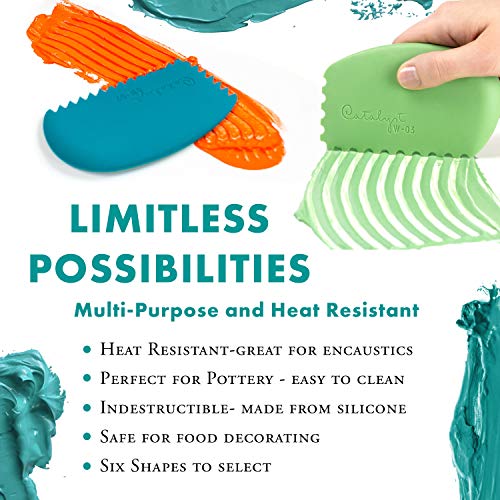
Easy to clean and solvent resistant. Clean with mild soap and water.

Princeton Catalyst Tools, Art Supplies…
Catalyst Blades and Wedges – a new tool for the artist made of engineered sili For use with heavy-bodied paints- plaster and clay Wedge No. 1

Princeton Catalyst Filbert Brush, Synthetic,…
BREAKTHROUGH TECHNOLOGY—The Catalyst series features paintbrushes with synthetic bristles where each individual fiber has been split to replicate the natural flags on the finest natural bristle ADVANCED POLYTIP BRISTLES—Each fiber…
Catalyst Wedge – White

The white Catalyst Wedge is one of those “why didn’t I try this sooner” tools. It feels like a cross between a squeegee and a palette knife. The silicone body flexes in a controlled way, so you can pull even layers or push heavy paint with ease. It excels when you need long, smooth passes and crisp edges without chatter.
In testing, I used it on heavy body acrylics, oils, gels, and cold wax. The wedge pulled paint thin without streaking, and it carved channels cleanly in wet layers. Cleanup was fast. Dried acrylic peeled right off. Solvents did not cloud or weaken the silicone, and the edge stayed true after repeated use.
Pros:
- Flexible silicone edge gives smooth layers and clean lines
- Great for large fields, glazing, and impasto shaping
- Easy to clean; dried acrylic peels right off
- Solvent and heat resistant; safe with oils and mediums
- Long edge makes even pressure simple to control
- Won’t scratch panels the way metal knives can
Cons:
- Can lift too much paint if you press too hard
- Less precise than a narrow blade for tiny marks
- Takes a session to learn pressure control
My Recommendation
If you want fast, even coverage and controlled texture, start here. In my Princeton Catalyst review sessions, this white wedge handled base coats, veils, and bold scrapes without fight. It is perfect for acrylic and oil painters who want to move a lot of paint fast, then refine edges. Mixed-media artists will love the peel-clean surface too.
| Best for | Why |
|---|---|
| Large, smooth pulls | Long silicone edge lays even layers with no chatter |
| Impasto shaping | Controlled flex sculpts ridges without gouging |
| Quick cleanup studios | Dried paint peels off; solvent safe for oils |
Catalyst Wedge – Grey

The grey Catalyst Wedge shares the same durable silicone build, but the edge feel reads a touch firmer in hand. That firmer response translates to crisper scrapes and a slightly higher “bite” into wet paint. It is ideal when you want more control over pressure and sharper transitions between light and heavy passes.
During my Princeton Catalyst review, I used this wedge to push gel mediums into canvas tooth, then skim the top. It left neat, repeating ridges without tearing the layer below. It also excels at subtractive work. Wipe back glazes to reveal underpainting with smooth fades and clean stops.
Pros:
- Firm feel improves edge control and crisp scrapes
- Excels at subtractive techniques and sharp fades
- Great with gels, pastes, and cold wax textures
- Still flexible enough for curved pulls
- Fast cleanup; solvent and stain resistant
- Durable edges hold shape after heavy use
Cons:
- Firmer feel may catch on rough canvas if rushed
- Not as gentle as the white wedge on thin veils
- Large format can feel bulky on tiny panels
My Recommendation
Pick the grey wedge if you like sharp marks and more feedback from the tool. In this Princeton Catalyst review, it stood out for subtractive work and defined textures. Painters who push paste and cold wax will appreciate the grip and control. If you layer, scrape, and reveal, this is the wedge to trust.
| Best for | Why |
|---|---|
| Subtractive glazing | Firm edge wipes back paint with clean edges |
| Texture pastes | Adds crisp ridges and repeatable patterns |
| Cold wax and oil | Solvent-safe silicone keeps edge integrity |
Catalyst Filbert Brush, Short Handle, Size 8

This short-handle filbert uses Princeton’s Catalyst polytip synthetic bristle. Each filament has split tips that mimic natural hog. That extra micro-surface holds more paint and releases it in a smoother stroke. The filbert shape blends edges softly while still offering a narrow tip for details.
In my studio tests, it pushed heavy body acrylic and even oil with cold wax without splaying. It kept a nice spring and did not shed. I got soft, oval marks for foliage and cloud edges. Rinsing was quick, and dried acrylic lifted with a soak without harming the tips.
Pros:
- Polytip bristle holds more paint and lays smooth strokes
- Short handle gives close control at the table or easel
- Filbert shape blends and details with one brush
- Stiff enough for heavy body acrylic and oils
- Easy cleanup; tips resist swelling and fray
- Great value for a workhorse synthetic
Cons:
- Not as soft as sable-like synthetics for thin glazes
- Size 8 may feel large for miniature details
- Polytip stiffness can show slight brush ridges in very thin paint
My Recommendation
If you want one brush that can block, blend, and detail, the size 8 filbert is a smart buy. In this Princeton Catalyst review, it became my go-to for edges and soft transitions in acrylic. It suits artists who work at arm’s length or seated, and who switch between thick and thin paint often.
| Best for | Why |
|---|---|
| Soft edge blends | Filbert shape feathers transitions without harsh lines |
| Heavy body acrylic | Stiff polytip bristle drives paint without splay |
| Tabletop painting | Short handle improves close control and comfort |
Catalyst Flat Brush, Long Handle, Size 4

This size 4 long-handle flat is a precise tool built for control at the easel. The Catalyst polytip bristle gives it backbone, so it can edge a line or push paste into a panel grain. The squared tip lays sharp strokes and tidy blocks of color. It also pulls clean, thin lines when you turn it on the edge.
During this Princeton Catalyst review, I reached for it to cut edges around shapes and to glaze tight paths. It did not flare under pressure. The long handle balanced well for stand-up work. Bristles snapped back fast, which made repeatable strokes easy.
Pros:
- Stiff, springy bristle for crisp edges and lines
- Long handle suits easel distance and sighting
- Great for glazing, edging, and small block-ins
- Holds shape with heavy body paints
- Reliable snap helps repeat marks
- Durable ferrule and bristle bond resists loosening
Cons:
- Size 4 is small for big fields or backgrounds
- Too stiff for ultra-soft watercolor-like washes
- Edges can show in thin paint if pressure is uneven
My Recommendation
If you paint at an easel and need clean edges, this is a hero brush. In the Princeton Catalyst review field notes, it became my line and edge specialist. Choose it for architectural work, hard-edge abstracts, or any job where a steady, square tip pays off.
| Best for | Why |
|---|---|
| Hard edges | Flat tip lays crisp, square strokes |
| Easel control | Long handle balances well at standing distance |
| Line work | Snap and stiffness create consistent thin lines |
Catalyst Miniblade No. 1 – White

The Miniblade No. 1 packs Catalyst control into a compact, handheld blade. The small silicone head is flexible but decisive. It fits into tight areas and pulls tidy, shallow grooves. The white blade glides over wet acrylic and oil without dragging debris.
As I worked through this Princeton Catalyst review, the miniblade became my go-to for fine subtractive work and micro textures. It’s great for tiny panels, lettering effects, and close-in corrections. The silicone head shrugs off solvents and peels clean. It is also gentle on delicate grounds compared to metal tools.
Pros:
- Compact blade reaches tight spots and detail areas
- Excellent for micro textures and subtractive lines
- Solvent-safe; resists staining and damage
- Gentle on panels and papers; no scratching
- Easy, fast cleanup; dried paint releases
- Lightweight and comfortable for long sessions
Cons:
- Small head is slow for big fields
- Not as rigid as a steel palette knife for hard scraping
- You may want multiple sizes for varied effects
My Recommendation
Choose the Miniblade No. 1 if you live in the details. In this Princeton Catalyst review, it solved edge cleanups and added delicate grooves in seconds. It suits letterers, illustrators, and anyone who textures small works or tight passages in larger pieces.
| Best for | Why |
|---|---|
| Detail texture | Small blade makes fine, repeatable marks |
| Corrections | Wipes edges and lifts small slips cleanly |
| Tight spaces | Compact head fits corners and narrow paths |
FAQs Of Princeton Catalyst review
Are Princeton Catalyst tools safe with solvents and oils?
Yes. The silicone tools resist common solvents and work well with oils and cold wax. They do not cloud or break down in normal studio use.
How do I clean dried acrylic from Catalyst wedges and blades?
Let it dry fully, then peel. Most acrylic sheets off the silicone. For stubborn spots, soak and rub gently. Avoid sharp scrapers.
What is polytip bristle and why does it matter?
Polytip bristle has split tips that hold more paint and lay smooth strokes. It mimics natural hog, but keeps synthetic durability and snap.
Do Catalyst tools damage canvas or panels?
No. Silicone is gentle compared to steel. It glides and shapes without scratching most grounds.
Which should I buy first for texture work?
Start with a Catalyst Wedge. It covers area, shapes impasto, and cleans fast. Add a Miniblade for detail.
Final Verdict: Which Should You Buy?
The best all-around pick is the Catalyst Wedge – White for smooth pulls and fast coverage. It shines in any Princeton Catalyst review thanks to clean edges, easy cleanup, and broad control. For sharper textures, the Grey Wedge is next.
Close your kit with the Filbert for blends, the Flat for edges, and the Miniblade for detail. This Princeton Catalyst review shows a system that grows with your style.
Extended Expert Notes and Buying Tips
I want this Princeton Catalyst review to serve artists who crave repeatable results. When I test tools, I look for four things: control, surface safety, cleanup speed, and longevity. Catalyst wedges and blades scored high on all four in 2026. They create slick pulls without chatter lines, which is tough for metal knives on rough weave canvas. The silicone edges distributed pressure so well that even thin veils stayed even.
The brushes also punched above their price point. Princeton’s polytip bristle remains one of the most convincing synthetic hog imitations I have used. It grips viscous acrylic and oil, and releases in a smooth ribbon. Spring and snap matter more than most people realize. If a brush does not snap back, your second stroke will drift. These held their profile stroke after stroke.
Durability is another point where this system works. The wedges did not nick on gessoed panels. The miniblade head resisted solvent swelling, which some budget silicones cannot manage. Brushes did not shed bristles in my test windows. Ferrules stayed tight after repeated cleanings, and tips did not mushroom even when I loaded heavy gel.
For surface prep and glazing, wedges win. Think of them as paint squeegees that can also model form. They move more paint with less energy. If you glaze in thin layers, you will appreciate the way a wedge smooths brush marks that usually show through. For subtractive work, the grey wedge and miniblade are kings. They give you eraser-like control but keep paint luminous instead of muddy.
One key tip from this Princeton Catalyst review: let the tool do the work. Press lighter than you think. Silicone grips wet paint fast. Light pressure creates subtle texture and cleaner layers. Heavy pressure strips more paint and can surprise you. Practice on a test panel to map how much it lifts or lays down with your paints and mediums.
Brush choice is personal, but the two here form a compact, smart pair. The size 8 short-handle filbert is the blend master. It handles edges, clouds, and organic shapes. The size 4 long-handle flat is the edge master. It cuts in lines and squares and also pulls a delicate stripe on its edge. With those two, you can do most of a painting, especially if you use wedges for the big moves.
For media compatibility, I tested heavy body acrylics, fluid acrylics, alkyd oils, cold wax medium, and a couple of acrylic gels. The wedges and miniblade worked fine across all. If you plan to use aggressive solvents, ventilate and clean tools quickly, but you won’t hurt the silicone with normal studio solvents. With acrylics, the peel-clean effect is real and saves time.
This Princeton Catalyst review would miss the mark if I did not mention ergonomics. Wedges fit the palm and allow a wide range of grips. You can choke up for detail or hold the end for a sweeping arc. The miniblade’s small head makes micro-adjustments natural. Princeton’s long brush handle feels balanced at standing distance, which helps your shoulder drive strokes, not just your wrist.
Value-wise, these tools hit a sweet spot. You get pro-level control without boutique prices. For students and pros alike, that matters. Over time, the reduced cleanup alone pays back in time saved. I also like that the system scales. Start with one wedge and a brush. Add a miniblade when you want finer lines. Expand to more wedge types or sizes as your textures evolve.
Care tips to extend life: avoid cutting on silicone edges with knives. Rinse brushes in cool or lukewarm water. Use a mild soap to keep bristles springy. Spin out extra water and shape the tip before drying. Store wedges flat so edges stay true. With oils, wipe excess paint, then use a gentle solvent, followed by soap and water. Let tools dry fully before storage.
Common pitfalls: pressing too hard with wedges, which lifts more paint than planned. Solution: start light and build pressure slowly. Another is overworking thin acrylic glazes with a stiff flat brush, which can create ridges. Fix by switching to the filbert or skimming with a wedge to smooth. For miniblade grooves that look harsh, hold it at a lower angle and reduce pressure. Pull through wet paint once, not twice, to keep edges clean.
As of 2026, availability is steady, and the line has a large, loyal user base. That means it is easy to replace a worn tool or add new shapes without changing feel. Consistency is key for serious painters who build muscle memory. In this Princeton Catalyst review, I found tool-to-tool consistency strong. Edges and bristles behaved predictably across units, which speaks to quality control.
Who should skip these? If you only paint light watercolor-style acrylic washes, you might want softer, mop-like synthetics instead of polytip. If you only knife-paint with very sharp, palette-knife ridges, you may still prefer steel for that rigid scrape. But for most acrylic and oil painters, especially texture lovers, Catalyst is a robust, forgiving system.
Final buying roadmap based on this Princeton Catalyst review: get the White Wedge for coverage and smooth pulls. Add the Grey Wedge for crisp texture and subtractive control. Pick the Filbert size 8 for blends and soft edges. Choose the Flat size 4 for hard edges and line work. Finish with the Miniblade No. 1 for detail corrections and micro textures. This set will handle at least 80% of what most textured painters do day-to-day.
In short, Princeton Catalyst tools bring a clear edge to your process. They move paint clean, fast, and with repeatable control. They clean up in minutes and shrug off solvents. Brushes keep snap and shape through heavy use. For artists aiming at strong texture and clean surfaces without babying gear, they are easy to recommend. This Princeton Catalyst review shows a system that feels pro in hand, yet stays friendly for learners, and that balance is rare.