Wondering what to draw on a canvas but feeling stuck on ideas? You’re not alone.
Choosing the perfect subject can be both exciting and overwhelming. Whether you want something simple to boost your confidence or a detailed scene to challenge your skills, your canvas is a blank world waiting for your creativity. Imagine turning your favorite memories, nature’s beauty, or even abstract patterns into stunning artwork.
You’ll discover easy and inspiring ideas that suit every skill level. Ready to bring your vision to life? Let’s explore the best things you can draw on your canvas today.
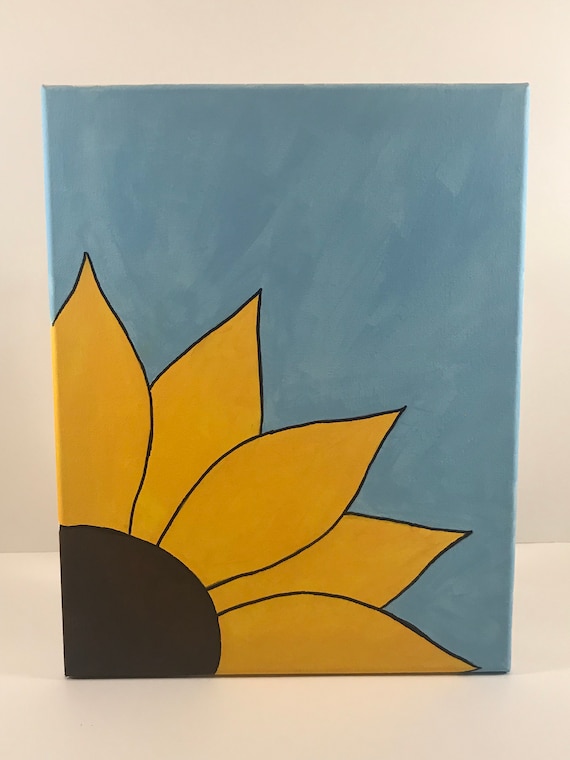
Credit: www.etsy.com
Creative Canvas Themes
Sketching techniques form the foundation of any great canvas artwork. They guide the initial drawing and set the tone for the entire piece. Good sketching helps bring ideas to life with clear lines and shapes. It also makes painting easier and more enjoyable. Different tools and methods can create various effects on canvas. Understanding these techniques helps artists improve their skills and express their vision better.
Using Graphite Pencils
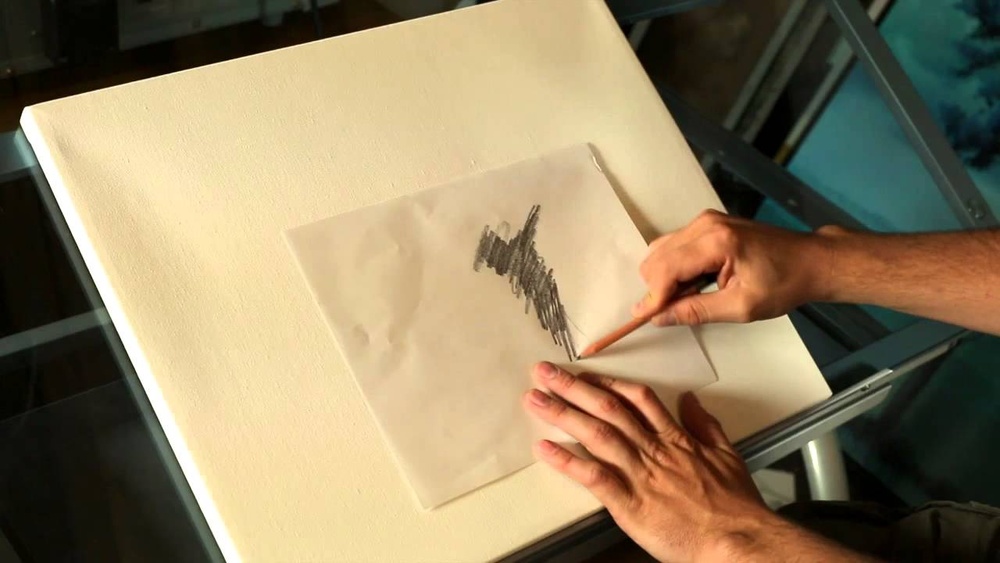
Graphite pencils are classic tools for sketching on canvas. They offer control over light and dark shading. Start with a hard pencil for faint lines that are easy to erase. Switch to softer pencils for darker, richer marks. Light sketching helps plan the composition without damaging the canvas surface. Graphite blends well with other materials, making it versatile for many styles. Keep pencil strokes gentle to avoid indenting the canvas.
Charcoal Sketching
Charcoal gives bold, dramatic lines perfect for expressive sketches. It creates deep blacks and smooth gradients quickly. Use vine charcoal for light, delicate lines and compressed charcoal for dark, intense marks. Charcoal smudges easily, so fix it with a spray fixative to protect your work. It works well for rough sketches or adding texture to the drawing. This technique suits artists who want a freer, more dynamic style.
Layering And Outlining
Layering builds depth and detail in sketches before painting. Begin with simple shapes and light outlines. Add more lines and shading in layers to refine the image. Outlining highlights key parts and defines edges clearly. Use fine brushes or pens for sharp outlines after the pencil sketch. Layering helps correct mistakes and improve proportions gradually. This method ensures a balanced and well-planned artwork on canvas.

Credit: www.shihoriobata.com
Simple Drawing Ideas
Creating art on canvas requires the right tools to bring ideas to life. Choosing proper materials makes the process smoother and the results better. Different tools serve different purposes, from sketching initial outlines to adding final details. Understanding these tools helps artists of all levels express their creativity confidently.
Recommended Paint Markers
Paint markers offer control and vibrant colors on canvas. They work well for adding sharp lines and small details. Brands like Molotow and Sharpie provide reliable paint markers. Use fine tips for intricate designs and broad tips for bold strokes. Paint markers dry quickly and resist smudging, making them perfect for layering.
Brush Choices
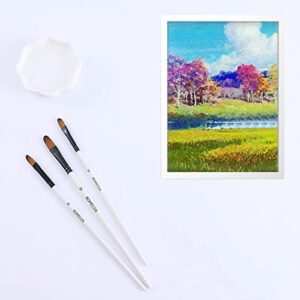
Brushes come in many shapes and sizes, each serving a different purpose. Flat brushes cover large areas and create sharp edges. Round brushes are good for detail work and curves. Filbert brushes blend edges smoothly for softer transitions. Synthetic brushes hold acrylic paint well and are easy to clean. Choose brushes based on the style and size of your painting.
Sketching Supplies
Sketching on canvas helps plan the artwork before painting. Use light pencils like 2H or 4H for subtle lines that erase easily. Charcoal sticks add bold, expressive marks but can smudge. A kneaded eraser lifts graphite without damaging the canvas. Some artists prefer chalk pencils for visible but removable sketches. Sketching tools create a strong foundation for your canvas art.

Credit: www.youtube.com
Frequently Asked Questions
What Should I Draw On My Canvas?
Draw subjects that inspire you, such as pets, nature, city skylines, or simple shapes. Use vibrant colors or stylized designs to personalize your canvas. Choose themes like flowers, animals, abstract patterns, or landscapes to create engaging, unique artwork that reflects your style and mood.
What Should I Use To Sketch On My Canvas?
Use a soft graphite pencil (H or 2H) or charcoal for sketching on canvas. These tools erase easily and won’t damage the surface.
What Is Best To Write On Canvas?
The best tools to write on canvas are acrylic pens or fine brushes. Avoid Posca pens, as they may run when varnished. Molotov acrylic pens work well for small details and signatures. Choose tools that provide smooth, lasting marks without smudging or skipping.
What Are The 7 Rules Of Painting?
The 7 rules of painting are: balance, movement, rhythm, pattern, contrast, unity, and emphasis. These guide harmonious, engaging artwork.
Conclusion
Choosing what to draw on a canvas depends on your mood and style. Start with simple shapes or favorite objects. Try nature scenes like trees, mountains, or the sky. Use colors that make you happy and relaxed. Experiment with different tools like brushes or markers.
Remember, every stroke helps you improve and enjoy art more. Keep practicing, and soon your canvas will tell your unique story. Drawing on canvas is a fun way to express yourself and explore creativity.