You’ve just created or bought a beautiful canvas board painting, and now it’s time to showcase it on your wall. But how do you hang it so it looks perfect, stays secure, and doesn’t damage your walls?
Whether your canvas board is thin, flat, or unframed, getting it hung the right way can feel tricky. Don’t worry—this guide will walk you through simple, effective methods that anyone can do. By the end, you’ll know exactly how to hang your canvas board painting safely and stylishly, turning your space into a personal gallery you’ll love.
Let’s get started!
Choosing Hanging Methods
Choosing the right hanging method is key for displaying your canvas board painting securely and attractively. Various options suit different wall types, canvas sizes, and personal preferences. Understanding each method helps you pick the best way to hang your artwork.
Consider the weight of your canvas and the wall surface before deciding. Some methods avoid wall damage, while others offer stronger support. Here are common hanging methods explained.
Adhesive Strips And Hooks
Adhesive strips and hooks stick directly to the wall without nails. They work well for lightweight canvas boards. These strips hold the painting close to the wall, creating a clean look.
They are easy to remove without leaving marks. Ideal for renters or temporary displays. Make sure to follow weight limits on packaging for safety.
Sawtooth Hangers
Sawtooth hangers attach to the back of the canvas board. They provide a sturdy and simple hanging point. Use a level to place the hanger evenly for a straight display.
Hang the canvas on nails or screws in the wall. This method suits medium to heavy canvas boards. It keeps the painting stable and flush against the wall.
Framing Options
Framing your canvas board adds protection and style. Frames with built-in hanging hardware make mounting easy. They can enhance the look and value of your artwork.
Choose frames that fit your canvas size exactly. Frames also allow use of more secure hanging methods like wire or brackets. Great for showcasing important pieces.
Velcro And Double-sided Tape
Velcro strips and double-sided tape offer a quick hanging solution. They work best for small, light canvas boards. Velcro allows easy removal and repositioning of the painting.
Double-sided tape sticks firmly but may damage paint when removed. Test a small area first. These methods avoid holes but suit only lighter artworks.
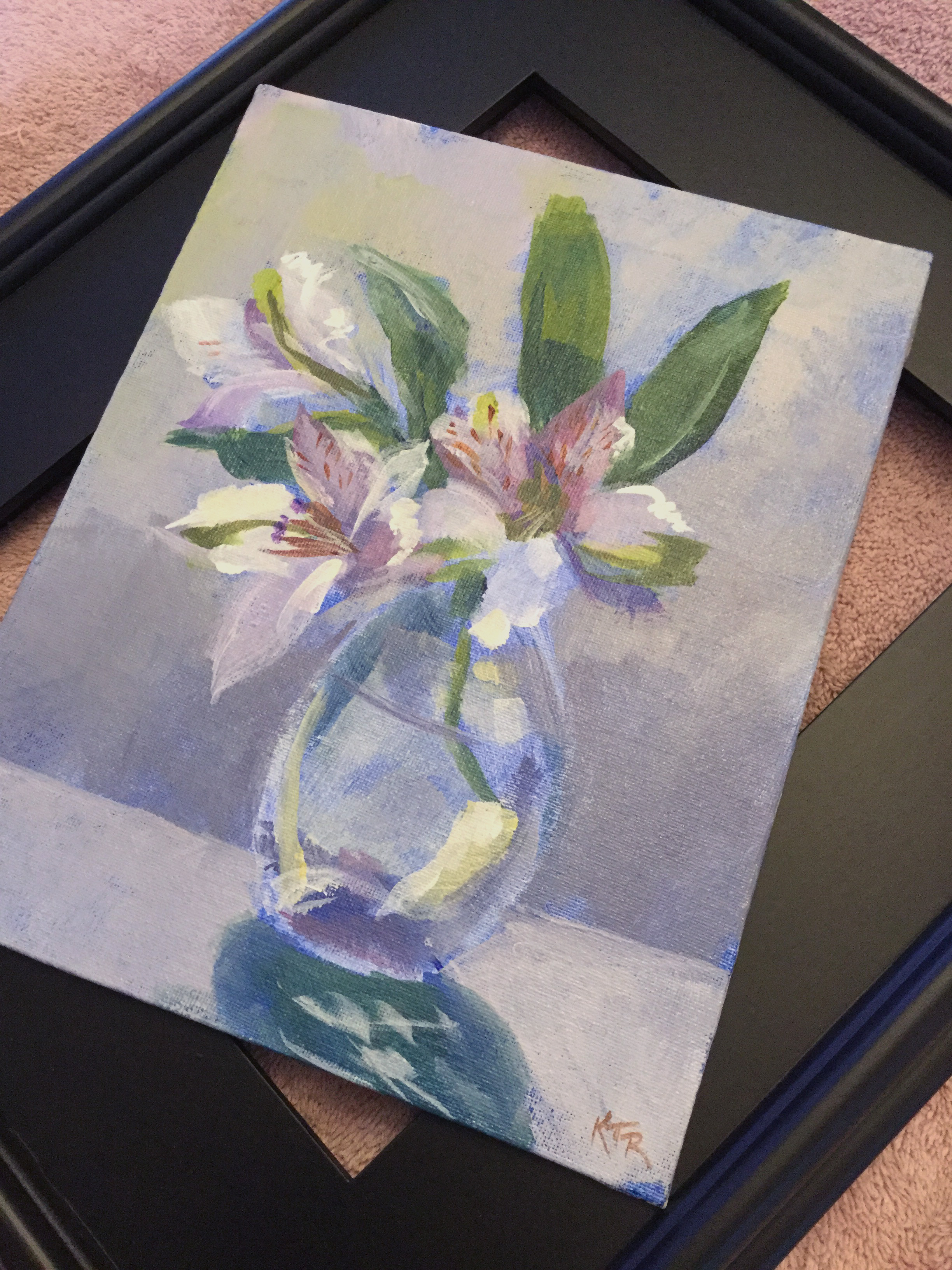
Credit: www.kimtrichards.com
Preparing The Canvas Board
Preparing the canvas board is an important step before hanging your painting. It ensures the artwork stays safe and looks great on your wall. Proper preparation helps the canvas stay stable and clean for a long time.
Cleaning The Back Surface
Start by gently wiping the back of the canvas board. Use a soft, dry cloth to remove dust and dirt. Avoid using water or cleaning solutions. Dirt can prevent hangers from sticking well. A clean surface helps the hooks or strips hold better. Check all corners and edges for any debris.
Checking Dryness And Stability
Make sure the canvas board is completely dry. Moisture can damage the paint and cause warping. Hold the board and press gently to feel for soft spots. Soft areas mean the canvas is not stable. Wait until it feels firm and solid. A dry, stable canvas hangs better and lasts longer on your wall.
Installing Hanging Hardware
Installing hanging hardware is an essential step to display your canvas board painting securely. Choosing the right hardware depends on your wall type and the weight of the painting. Proper installation ensures your artwork stays level and safe.
This section covers three common methods for installing hanging hardware. Each method offers a simple way to hang your canvas without damage. Follow these easy steps to prepare your canvas for hanging.
Attaching Sawtooth Hangers
Sawtooth hangers are small metal strips with jagged edges. Attach one to the back center of your canvas board. Use small nails or screws to fix the hanger in place. Make sure it is straight for balanced hanging. This method works well for medium-weight canvases.
Applying Adhesive Strips
Adhesive strips are a damage-free option for hanging lightweight canvases. Clean the back of the canvas and the wall surface. Stick the strips firmly to both surfaces. Press the canvas against the wall and hold for a few seconds. This method is ideal for renters or temporary displays.
Using Adhesive-backed Hooks
Adhesive-backed hooks offer strong support without nails. Peel the backing off the hook and press it on the wall. Let it set for the recommended time. Hang the canvas using the hook’s loop or wire. These hooks hold heavier canvases and avoid wall damage.
Measuring And Positioning
Measuring and positioning are key steps to hang a canvas board painting correctly. Precise measurements prevent crooked or uneven placement. Proper positioning ensures your artwork looks balanced on the wall.
Take your time to measure carefully. Small errors can make the painting appear off-center. Use simple tools to get the best results. This section guides you through the process step-by-step.
Using A Level For Accuracy
A level helps make sure your canvas hangs straight. Place it on top of the canvas frame or board. Adjust the canvas until the bubble centers between the lines. This prevents a tilted or uneven look on your wall.
Use a small spirit level for easy handling. Check both horizontal and vertical alignment if needed. Keep the level steady while marking your spots on the wall.
Marking Wall Placement
Marking the correct spot on the wall is crucial. Hold the canvas where you want it to hang. Use a pencil to lightly mark the wall at the top center or hanging point.
Measure the distance from the top of the canvas to the hanging hardware. Transfer this measurement to the wall mark. This ensures the nail or hook matches the canvas position exactly.
Adjusting For Multiple Pieces
When hanging several canvases, measure the space between each piece. Decide on consistent gaps to create a clean look. Use a ruler or tape measure for even spacing.
Mark all hanging points on the wall before placing nails or hooks. Use a level to keep all canvases aligned horizontally or vertically. Adjust marks as needed to maintain balance and symmetry.
Mounting The Canvas Board
Mounting a canvas board painting properly enhances its beauty and protects it. The right method keeps your artwork secure and looking its best on the wall. Choose a mounting option that suits your wall type and canvas weight.
Hanging On Nails Or Hooks
Use nails or hooks for a classic and sturdy hold. Locate the center of the canvas back and attach a sawtooth hanger or D-rings. Mark the wall where the hanger will rest. Hammer nails or insert hooks at the marks. Hang the canvas carefully to avoid damage. This method works well for heavier canvas boards.
Sticking With Adhesive Strips
Adhesive strips offer a nail-free, easy alternative. Choose strips rated to hold your canvas weight. Clean the wall surface before applying strips to ensure strong adhesion. Stick strips on the canvas back and press firmly against the wall. This option is perfect for renters or delicate walls. Remove strips gently to avoid wall damage.
Ensuring A Flush Display
Keep the canvas flat against the wall for a clean look. Use a level to check horizontal alignment before mounting. Adjust nails, hooks, or strips as needed to prevent tilting. Push the canvas lightly to remove any gaps. A flush display highlights the artwork and prevents dust buildup behind it.
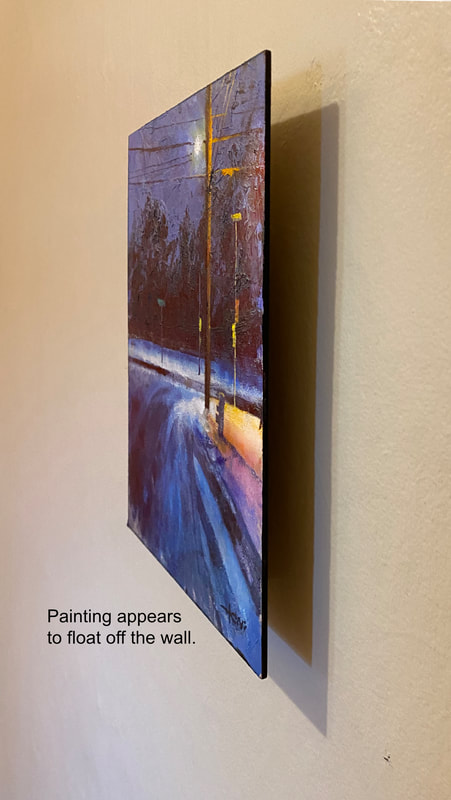
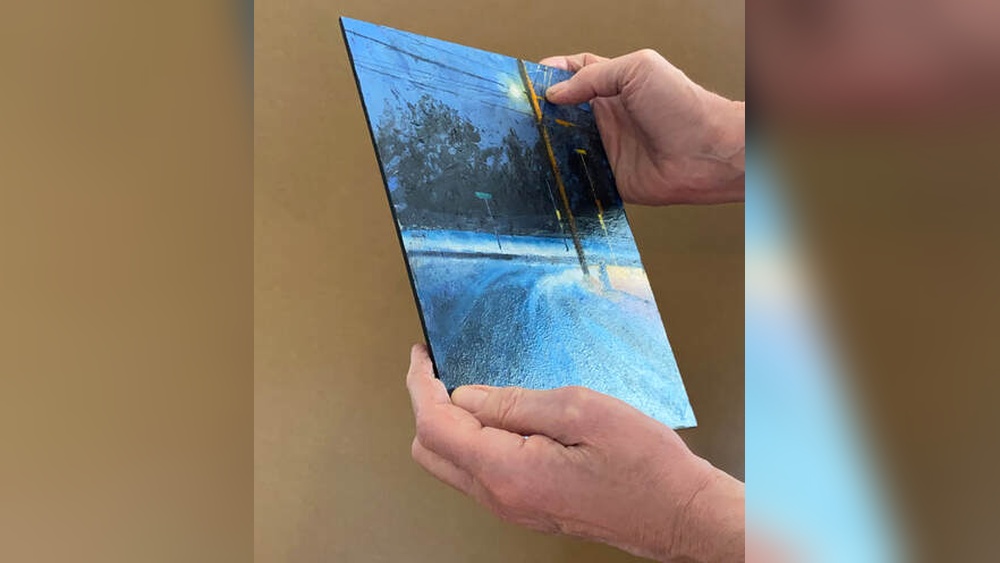
Credit: www.patrickhowe.com
Tips For Damage-free Hanging
Hanging a canvas board painting without damage requires careful planning and the right tools. Protect your walls and artwork with these simple tips. Each step helps keep your space clean and your painting secure.
Avoiding Wall Marks
Use painter’s tape on the wall to mark placement. This prevents pencil or nail marks on the paint. Choose picture hanging strips or hooks designed to avoid holes. Test any adhesive on a small wall area first.
Weight Considerations
Check the weight of your canvas board before hanging. Use nails or hooks rated for the weight to avoid falling. Heavy pieces need strong anchors or wall plugs. For light canvases, adhesive strips can work well.
Removing Adhesive Cleanly
Slowly peel off adhesive strips to avoid paint damage. Heat the strip slightly with a hairdryer for easier removal. Use a gentle adhesive remover if residue remains. Avoid scraping the wall to keep it smooth.
Framing For Protection And Style
Framing a canvas board painting adds both protection and style. It guards the artwork from dust, damage, and sunlight. Frames also give the painting a polished, finished look. Choosing the right frame and securing the canvas properly ensures long-lasting display and enhances the art’s beauty.
Choosing The Right Frame
Select a frame that matches the painting’s style and colors. Wood frames offer a classic look and come in many finishes. Metal frames provide a modern, sleek appearance. Consider the frame’s width and depth to suit the canvas size. A frame should not overpower the artwork but complement it.
Securing The Canvas Inside Frame
Place the canvas board carefully inside the frame. Use framing points or clips to hold the canvas firmly. Avoid pushing too hard to prevent damage. Add a dust cover on the back to keep dirt away. Use hanging hardware like D-rings or wire for easy wall mounting.
Pros Of Framing
Frames protect the edges and surface from bumps and scratches. They keep the canvas stretched and flat over time. Framing improves the artwork’s presentation and value. It allows easy cleaning and maintenance. Frames also help blend the painting with room decor.

Credit: www.youtube.com
Frequently Asked Questions
How To Hang Canvas Board On Wall?
Use adhesive picture hanging strips or small brackets on the canvas board’s back. Level and mark the wall. Attach nails or hooks, then hang the canvas securely.
How To Stick Canvas Board On Wall Without Nails?
Use strong adhesive picture hanging strips to stick canvas board on walls without nails. They hold firmly and leave no damage. Clean the wall and canvas back before applying strips for best results. Press firmly to secure and ensure the canvas hangs flush and straight.
How To Hang A Flat Canvas Board Without A Frame?
Use adhesive picture hanging strips or attach a sawtooth hanger on the back. Mark the wall, insert nails, and hang the canvas. Ensure the canvas stays level for a neat display.
What Glue To Use To Stick Canvas To Board?
Use archival-quality PVA glue or Elmer’s Wood Glue to stick canvas to board. Apply evenly for a strong, flexible bond.
Conclusion
Hanging a canvas board painting is simple with the right tools. Use a level to keep your artwork straight on the wall. Choose hanging strips or nails depending on your wall type. Mark spots carefully before placing hooks or nails.
Take your time to avoid damage and ensure a secure hold. Enjoy the new look your painting adds to your space. This small effort brings big style to any room. Keep these tips in mind for an easy, neat display every time.