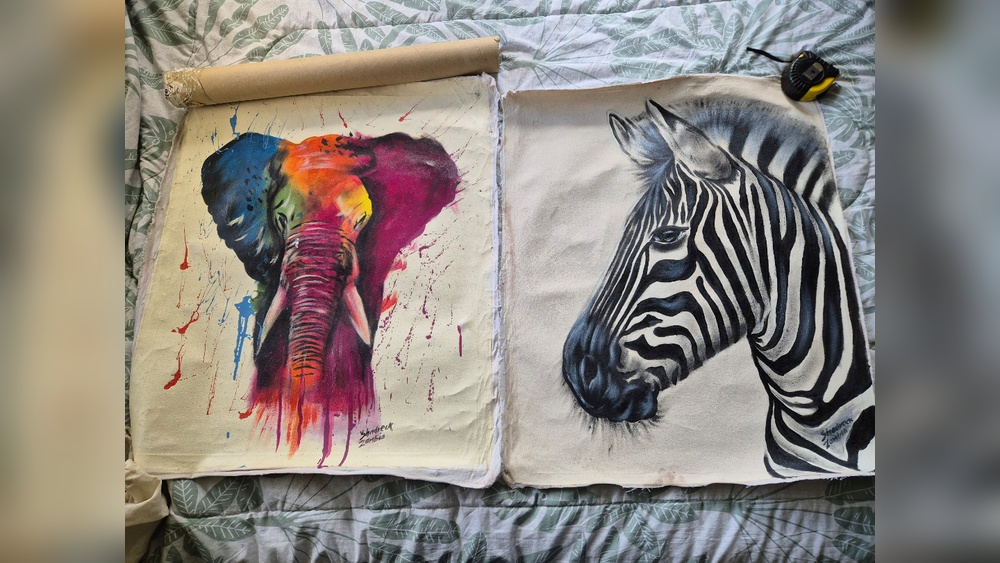
Have you ever wondered how to frame a canvas painting that isn’t stretched? Maybe you have a beautiful artwork rolled up or with messy edges, and you want to showcase it without losing its charm.
Framing an unstretched canvas might seem tricky, but with the right steps, you can turn your loose canvas into a stunning piece ready to hang. In this guide, you’ll discover easy and practical methods to frame your unstretched canvas, protect your artwork, and make it look professional.
Keep reading to unlock simple tips that will transform your art display—no special tools or expensive framing required!
Credit: acrylicpouring.com
Materials Needed
Framing an unstretched canvas painting requires specific materials to ensure a clean, professional look. Preparing the right supplies helps make the process smooth and enjoyable. The materials fall into two main categories: canvas and frame supplies, and the tools for stretching and mounting. Gathering everything before starting saves time and effort.
Canvas And Frame Supplies
Start with a quality canvas. The canvas should be clean and free of wrinkles. Choose a frame that fits the size of your artwork. Frames come in various styles and materials, such as wood or metal. Select one that complements your painting’s style. Use acid-free backing boards to protect the canvas from damage. Acid-free tape or mounting strips help secure the canvas inside the frame without harm.
Tools For Stretching And Mounting
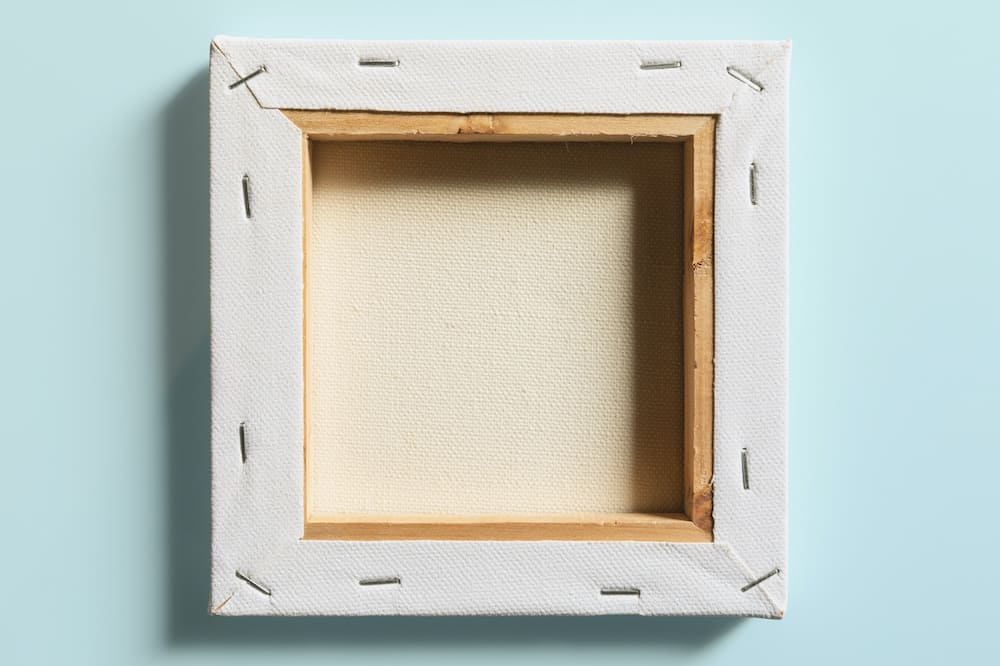
Stretching tools are essential for a tight, smooth canvas. Canvas pliers grip the edges firmly. A staple gun or tacks attach the canvas to the stretcher bars. Scissors or a utility knife trim excess canvas. Measuring tape ensures even stretching. Gloves protect your hands during handling. Optional tools include a hammer and small nails for added support. Each tool helps keep the canvas flat and secure within the frame.
Credit: emilytjomsland.com
Preparing The Canvas
Preparing the canvas is the first step in framing an unstretched canvas painting. It ensures the artwork looks its best and fits well within the frame. Proper preparation prevents wrinkles and damage during framing. This step involves cleaning, flattening, and trimming the canvas edges carefully. These simple tasks create a smooth and neat surface for framing.
Cleaning And Flattening
Start by removing dust and dirt from the canvas surface. Use a soft brush or dry cloth to clean gently. Avoid water or cleaning liquids that might damage the paint.
Next, flatten the canvas to remove any folds or curls. Lay it on a clean, flat surface. Place weights on the corners and edges. Leave it like this for a few hours or overnight. This process helps the canvas lay flat inside the frame.
Trimming Edges
Check the edges of the canvas for any loose or uneven parts. Use sharp scissors or a craft knife to trim extra canvas. Cut carefully to keep the artwork intact.
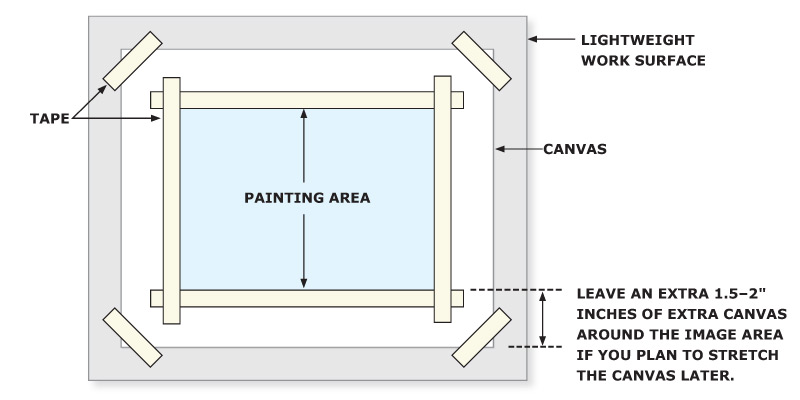
Leave a small border around the painting. This border helps in attaching the canvas to the frame or mounting board securely. Proper trimming gives the canvas a tidy appearance and fits perfectly inside the frame.
Stretching Canvas On Bars
Stretching canvas on bars is a key step in framing an unstretched canvas painting. It gives the artwork a firm base and smooth surface. Proper stretching prevents wrinkles and sagging. This process prepares the canvas for a clean, professional look.
Stretching the canvas requires careful selection of materials and techniques. Using the right stretcher bars, stapling correctly, and handling the canvas with pliers make a big difference. Each step helps achieve a tight and even stretch.
Selecting Stretcher Bars
Choose stretcher bars made from quality wood. They should be straight and free of warps. Bars come in various sizes; pick one that fits your canvas dimensions. Thicker bars provide better support and durability. Bars with corner keys allow future adjustments.
Stapling Techniques
Start stapling in the middle of one side, then move to the opposite side. Pull the canvas tight before placing each staple. Place staples about two to three inches apart. Avoid stapling too close to the edge to prevent tearing. Keep the canvas smooth as you work around all sides.
Using Canvas Pliers
Canvas pliers help grip and stretch the fabric firmly. Use them to pull the canvas from the edges before stapling. This tool gives more control and reduces hand strain. Stretch opposite sides alternately for even tension. Proper use of pliers ensures a flat and tight surface.
Mounting Without Stretching
Mounting a canvas painting without stretching offers a flexible way to display your artwork. This method works well for loose or rolled canvases. It keeps the canvas flat and protects the image. You can mount the canvas safely without the need for stretcher bars. The process is simple and affordable, making it ideal for many artists and art lovers.
Attaching To Backing Boards
Start by choosing a sturdy backing board. Foam core or mat board works well for support. Lay your canvas flat on the board. Use acid-free adhesive to stick the edges gently. This keeps the canvas from shifting or wrinkling. Make sure the canvas is smooth and even. The backing board provides a firm surface to frame later.
Using Clips And Tape
Clips offer a non-permanent way to hold the canvas. Place small binder clips along the edges. This keeps the canvas tight against the backing board. Use artist’s tape or masking tape for extra hold. Tape should be acid-free to protect the canvas. This method allows easy removal without damage. It works well for temporary displays or testing layouts.
Adding Support With Wood Pieces
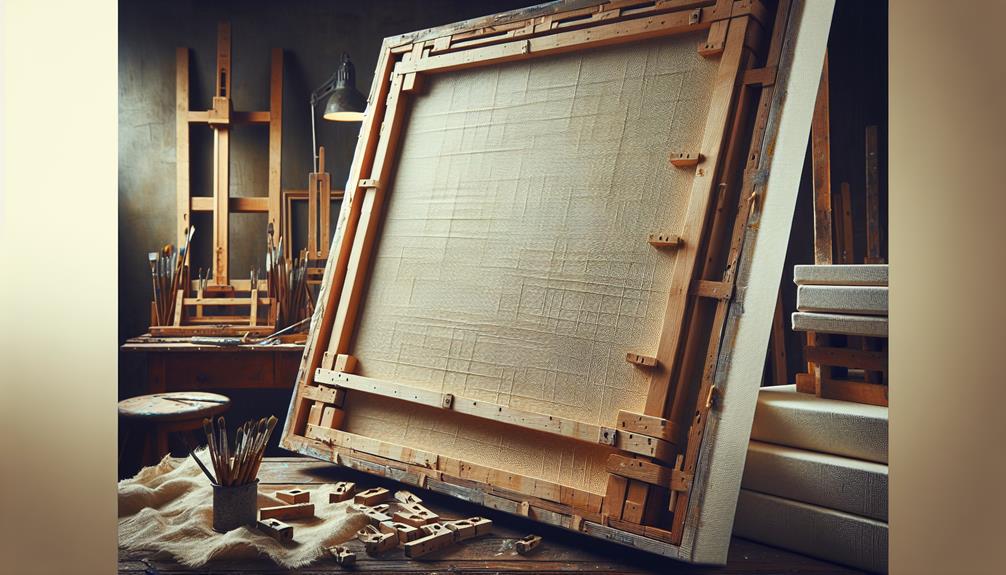
Wood pieces add extra strength behind the canvas. Cut thin wooden strips to fit the canvas size. Attach these strips along the canvas edges on the backing board. Secure with glue or small nails, avoiding damage to the artwork. This frame-like structure keeps the canvas flat and steady. It prevents sagging and helps the canvas keep its shape.
Framing Options
Framing an unstretched canvas painting offers a variety of creative choices. Each method highlights the artwork differently and suits diverse decor styles. Selecting the right frame protects your canvas and enhances its visual appeal.
Float Frames For Unstretched Canvas
Float frames create a modern, airy look by suspending the canvas within the frame. They do not touch the edges of the canvas, allowing the raw sides to show. This style works well with unstretched canvases, giving a gallery-like effect. Installation is simple: attach the canvas to a backing board and place it inside the float frame. The space around the edges creates a clean, professional finish without stretching the canvas.
Traditional Frames With Mounting
Traditional frames provide a classic appearance and protect the canvas edges. Use mounting boards or foam core to secure the canvas flat inside the frame. Attach the canvas carefully with acid-free tape or archival glue to avoid damage. This method hides the raw edges and adds a neat border. Traditional frames suit more formal settings and offer strong protection from dust and damage.
Diy Frame Building Tips
Building your own frame lets you customize size and style. Use lightweight wood or metal strips for easy handling. Measure your canvas and cut frame pieces to fit precisely. Sand and paint the frame before assembly for a polished look. Attach canvas with staples or small nails on a backing board. DIY framing saves money and adds a personal touch to your artwork display.
Finishing Touches
Finishing touches give your unstretched canvas painting a polished look. These steps ensure your artwork stays secure and ready to display. Simple but important details make a big difference.
Painting Edges
Paint the edges of your canvas to hide any raw or frayed areas. Use a color that matches or complements your artwork. This prevents the canvas from looking unfinished. A small brush works best for neat lines. Let the paint dry completely before moving on.
Securing Canvas In Frame
Place the canvas inside the frame carefully. Stretch it slightly so it stays flat but avoid tearing. Use small nails or tacks to fasten the canvas to the frame’s back. Ensure the canvas is tight and wrinkle-free. Add a backing board for extra support and protection.
Hanging Methods
Choose a hanging method that suits your frame size and wall type. D-ring hooks work well for medium and large frames. For lighter frames, sawtooth hangers are easy to install. Use picture wire for added stability. Check that the hanging hardware is secure before mounting.
Common Mistakes To Avoid
Framing an unstretched canvas painting requires care and attention. Many beginners make mistakes that can damage the artwork or ruin the final look. Avoiding common errors will help you create a beautiful, lasting frame. Below are some mistakes to watch out for.
Uneven Tension
Tightening the canvas unevenly causes wrinkles and warping. Stretch all sides equally to keep the canvas flat. Uneven tension can make the painting look distorted inside the frame. Use canvas pliers to pull the fabric firmly but gently. Check the tension often during the stretching process.
Damaging Canvas Edges
Cutting or folding the canvas edges carelessly can cause tears. Avoid sharp tools near the canvas surface. Leave enough border around the painting for proper framing. Protect edges by using acid-free tape or corner guards. Damaged edges reduce the painting’s value and beauty.
Using Wrong Materials
Cheap or incompatible materials harm the canvas over time. Use acid-free backing and UV-protective glass if possible. Avoid nails or staples that rust or damage the fabric. Choose wood or metal frames that support the canvas securely. Good materials keep your artwork safe and looking fresh.
Credit: mitchalbala.com
Frequently Asked Questions
Can Unstretched Canvas Be Framed?
Yes, you can frame unstretched canvas by mounting it on a board or stretching it first. Use acid-free materials for protection.
How Do You Frame A Rolled Canvas Painting?
Stretch the rolled canvas tightly over a wooden stretcher frame. Staple or secure the edges firmly. Choose a frame slightly larger than the stretched canvas. Attach the canvas to the frame using clips or screws. Use acid-free materials to protect the artwork.
What To Do With An Unstretched Canvas?
Stretch the canvas onto stretcher bars to tighten it. Alternatively, mount it on a rigid board or frame without stretching. Use clips or adhesive to secure edges neatly. Painting directly on unstretched canvas is possible, but stretching improves durability and display.
How To Hang An Unstretched Painting?
Attach wooden slats to the top and bottom edges of the unstretched canvas. Hang the top slat on a wall hook and let the bottom slat weigh it down. This keeps the canvas flat and secure without stretching.
Conclusion
Framing an unstretched canvas is simple and rewarding. Choose a frame that fits your canvas size well. Stretch or mount the canvas carefully to keep it smooth. Use acid-free materials to protect your artwork long-term. Paint or tape the edges for a clean finish.
With these easy steps, your canvas looks beautiful on any wall. Enjoy showcasing your art with confidence and style. This method saves money and lets you customize your display easily. Start framing and bring your canvas painting to life today.