Choosing the right paint brush can make all the difference between a messy, streaky job and a smooth, professional finish. If you want your paint to glide on evenly and look flawless, you need to pick a brush that fits your project perfectly.
But with so many options out there, how do you know which one is right for you? Whether you’re painting walls, trim, furniture, or artwork, the right brush can save you time, frustration, and even money. Keep reading, because we’ll guide you through everything you need to know to choose the perfect paint brush for your next project.
Your walls (and your future self) will thank you!
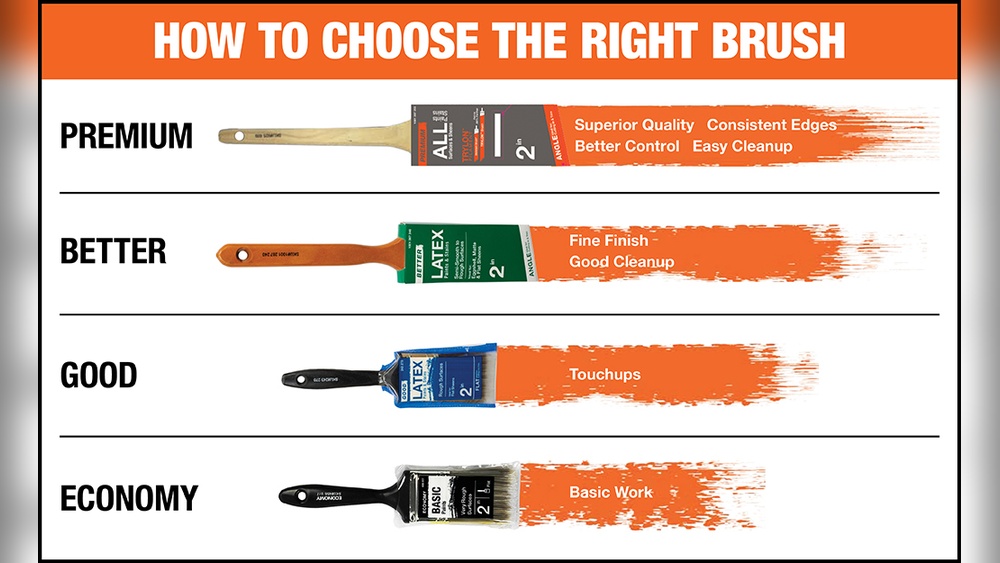
Credit: www.homedepot.com
Brush Types
Choosing the right paint brush starts with understanding different brush types. Each type suits specific paint and surface needs. The brush type affects the finish quality and ease of painting. Knowing your options helps you paint better and faster.
Synthetic Bristles
Synthetic bristle brushes are made from nylon or polyester. They work well with water-based and latex paints. These brushes hold their shape and resist wear. They are easy to clean and dry quickly. Synthetic brushes are good for smooth finishes on walls and trim.
Natural Bristles
Natural bristle brushes come from animal hair, like hog or badger. They work best with oil-based paints and varnishes. Natural bristles are softer and hold more paint. They create a smooth, even coat. Avoid using them with water-based paints, as they can absorb water and lose shape.
Foam Brushes
Foam brushes have a sponge-like head instead of bristles. They are ideal for small projects and touch-ups. Foam brushes give a smooth, bubble-free finish. They work best with water-based paints and stains. Foam brushes are inexpensive and disposable but wear out quickly.
Sable Brushes
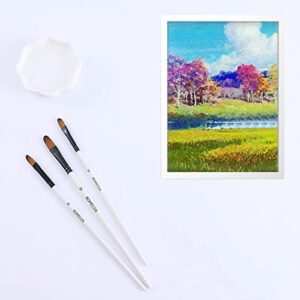
Sable brushes use soft, fine hairs from the sable animal. They offer excellent control and a smooth finish. These brushes are preferred for detailed work and fine art painting. Sable brushes work well with watercolors and thin paints. They are more expensive but worth it for precision work.
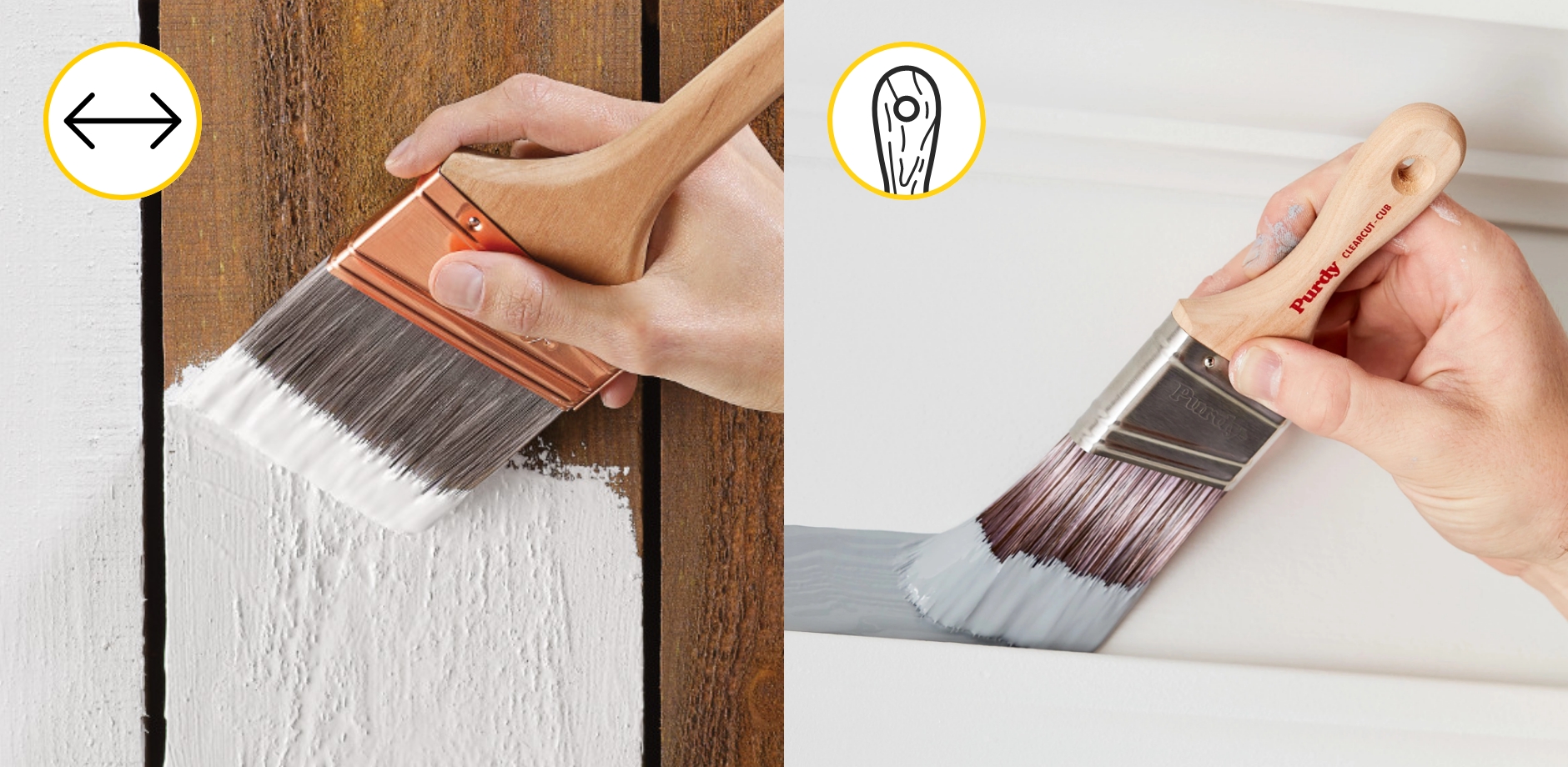
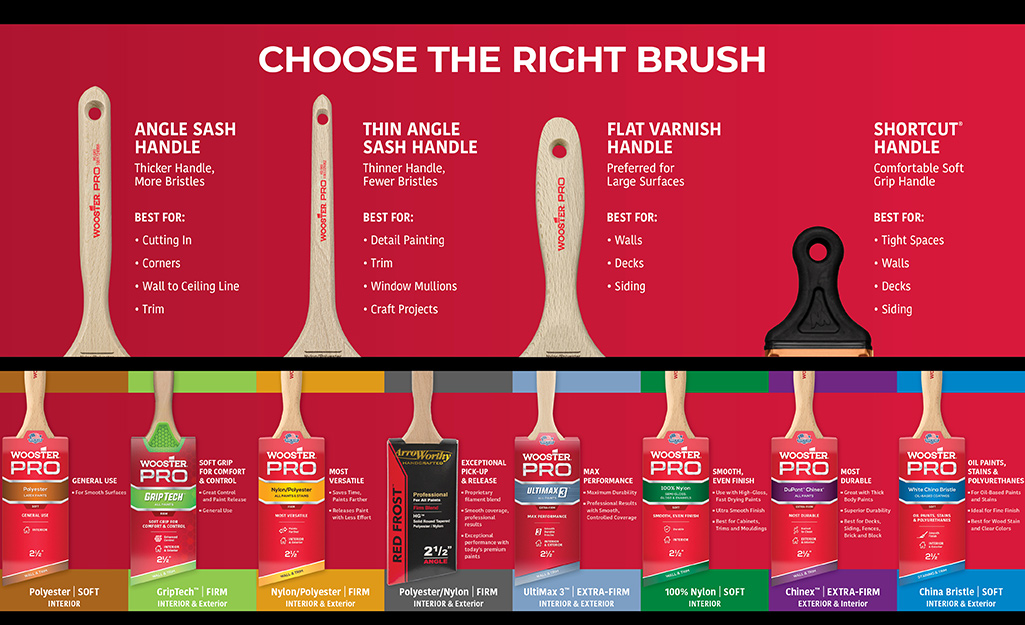
Credit: www.purdy.com
Brush Shapes
Choosing the right brush shape is key for a good paint job. Each shape serves a special purpose. Using the correct brush makes painting easier and the finish smoother. Learn about the main brush shapes to pick the best one for your project.
Flat Brushes
Flat brushes have straight edges and wide bristles. They hold a lot of paint and cover large areas quickly. These brushes work well for painting walls and flat surfaces. They create smooth, even strokes with less effort. Flat brushes are great for base coats and broad strokes.
Angled Brushes
Angled brushes have slanted bristles. This shape helps paint clean lines and corners with ease. Painters use angled brushes for cutting in along edges and trim. The angle allows better control and precision. They are perfect for tight spots and detailed work.
Round Brushes
Round brushes have a pointed tip and round ferrule. They are good for detailed painting and small areas. Artists use round brushes for fine lines and curves. These brushes work well for touch-ups and delicate strokes. Round brushes offer flexibility and control for many tasks.
Choosing By Paint Type
Choosing the right paint brush depends largely on the type of paint you plan to use. Different paints have unique properties. These properties affect how the paint spreads and sticks. Selecting a brush made for your paint type ensures a smooth and clean finish. It also helps prevent shedding and brush marks. Below are key brush choices for common paint types.
Water-based Paints
Water-based paints need synthetic brushes. Nylon or polyester bristles work best. These bristles hold their shape and resist water damage. Natural bristles absorb water and become limp. Synthetic brushes provide a smooth application. They reduce streaks and brush marks. Choose a brush with tapered bristles for better control. A good brush helps create an even coat with water-based paints.
Oil-based Paints
Oil-based paints require natural bristle brushes. These brushes hold oil paint well. They give a smooth and even finish. Natural bristles are stiff and strong. They resist softening in oils. Avoid synthetic brushes with oil paints. They may not hold enough paint. Use a high-quality natural bristle brush for the best results. It helps achieve a professional look on surfaces.
Enamel Paints
Enamel paints are thicker and tougher to spread. Natural bristle brushes work great for oil-based enamels. For water-based enamels, synthetic brushes are ideal. These brushes provide precision and smoothness. They help avoid brush marks and bubbles. A good enamel brush offers firm bristles. It delivers an even and glossy finish. Proper brush choice enhances the durability of enamel paint.
Brush Size And Use
Choosing the right brush size is key for a neat and easy paint job. Each brush size fits different tasks and surfaces. Picking the correct size helps you finish faster and get better results.
Small brushes work well for fine work. Medium brushes handle trims and edges. Large brushes cover walls quickly and smoothly.
Small Brushes For Detail
Small brushes are perfect for tight spots and fine lines. They help paint corners and edges cleanly. Use them for window frames, small decor, and artwork. A 1 to 2-inch brush usually fits well for detail work. These brushes give you control without mess.
Medium Brushes For Trim
Medium brushes paint trim and baseboards easily. They cover wider areas than small brushes but stay precise. Sizes from 2 to 3 inches work best on door frames and molding. These brushes balance speed with accuracy. They help you cut in straight lines.
Large Brushes For Walls
Large brushes cover big surfaces fast. Use 3 to 4-inch brushes for walls and ceilings. They hold more paint and spread it evenly. These brushes reduce streaks and save time. Choose a wide brush for smooth, consistent coverage on large areas.
Preventing Brush Marks
Preventing brush marks is key to achieving a clean, professional paint finish. Brush marks appear when paint is applied unevenly or when the brush bristles drag paint across the surface. Choosing the right brush and using proper techniques can reduce these marks and create a smooth look. This section covers tips to avoid brush strokes and make your paint job look flawless.
Soft Bristles Selection
Select brushes with soft bristles for smooth paint application. Soft bristles hold paint well and release it evenly. Synthetic bristles work best with water-based paints. Natural bristles suit oil-based paints. Avoid stiff or coarse bristles as they can leave streaks. High-quality brushes also have tapered bristle ends to reduce brush marks.
Paint Consistency Tips
Check the paint thickness before starting. Thick paint causes visible brush marks. Thin paint flows better and spreads evenly. Mix paint thoroughly to avoid lumps. Use a paint conditioner to improve flow. Stir paint gently to keep air bubbles low. Proper paint consistency helps brushes glide smoothly on surfaces.
Smoothing Techniques
Apply paint with long, even strokes. Avoid pressing the brush too hard. Light pressure spreads paint without leaving marks. Work in one direction for a uniform finish. Use a dry, clean brush to lightly feather edges. This blends painted areas and hides brush strokes. Finish by brushing over wet paint gently to smooth the surface.

Credit: grabieart.com
Brands To Consider
Choosing the right paint brush brand can improve your painting results. Trusted brands offer quality, durability, and comfort. Select brushes that hold paint well and release it smoothly. Below are some reputable brands to consider for your next project.
Purdy Nylox Glide
Purdy Nylox Glide brushes are made with synthetic nylon bristles. They work well with both water-based and oil-based paints. The bristles hold their shape and resist shedding. These brushes provide smooth, even coverage on walls and trim. Their comfortable handles reduce hand fatigue during long painting jobs.
Wooster Alpha And Pretty Glide
Wooster Alpha brushes feature a blend of nylon and polyester bristles. They offer excellent paint pickup and release. These brushes are great for detailed work and large surfaces. The Pretty Glide series is designed for a smooth finish with minimal brush marks. Both lines suit a variety of paint types and surfaces.
Corona Cortez And Vegas
Corona brushes are known for their durability and quality. The Cortez line uses a mix of natural and synthetic bristles. This combination works well with oil-based paints and stains. The Vegas series features 100% synthetic bristles for water-based paints. Both provide excellent control and smooth application.
Caring For Brushes
Taking good care of your paint brushes extends their life and keeps them working well. Proper cleaning and storage prevent bristles from becoming stiff or damaged. This saves money and ensures smooth painting every time.
Cleaning Tips
Clean brushes right after use. Remove excess paint by wiping on a rag or newspaper. For water-based paints, rinse brushes in warm water until the water runs clear. Use mild soap to remove stubborn paint. For oil-based paints, clean brushes with mineral spirits or paint thinner. Avoid soaking brushes for long periods. Gently reshape bristles with fingers after cleaning. Dry brushes flat or hang them with bristles down to keep their shape.
Storage Recommendations
Store brushes in a dry place away from dust. Use a brush holder or wrap brushes in paper to protect bristles. Avoid leaving brushes standing on bristles, as it causes bending. Keep brushes separate to stop bristles from getting crushed. Store brushes with handles down or flat to maintain shape. Proper storage keeps brushes ready for your next project.
Frequently Asked Questions
How Do I Know What Paint Brush To Use?
Choose a synthetic brush for water-based paints and natural bristle for oil-based paints. Select tapered, shed-resistant bristles. Use angled brushes for cutting in and foam brushes for smooth finishes.
How To Stop Getting Brush Marks When Painting?
Use a high-quality synthetic or soft natural bristle brush. Apply thin, even coats and avoid over-brushing. Smooth strokes reduce marks. Maintain proper paint consistency and lightly feather edges with a dry fan brush for a flawless finish.
What Paint Brush Gives The Smoothest Finish?
A high-quality synthetic brush (nylon/polyester) gives the smoothest finish for latex paints. For oil-based paints, use soft China bristle brushes. Foam brushes also deliver ultra-smooth, bubble-free surfaces, ideal for furniture, cabinets, and trim. Choose tapered filaments for better paint flow and minimal brush marks.
Which Paint Brush Is Best For Beginners?
The best paint brush for beginners is a synthetic nylon/polyester blend. It works well with water-based paints, resists shedding, and offers smooth application. Choose a 2-3 inch angled brush for easy cutting and control. Avoid natural bristles with water-based paints to prevent damage and bristle loss.
Conclusion
Choosing the right paint brush makes painting easier and neater. Consider the paint type and surface before buying. Synthetic brushes work well with water-based paints. Natural bristles suit oil-based paints best. A good brush has soft, tapered bristles that don’t shed.
Size and shape matter for different tasks. Slanted edges help with cutting in corners. Remember, the right brush improves your finish and saves time. Take your time selecting for the best results. Happy painting!