If you love painting with acrylics, you know how important your brushes are. But do you clean them the right way?
If you don’t, your brushes can get ruined fast, leaving you frustrated and costing you money. Imagine having brushes that stay soft, last longer, and work perfectly every time you paint. You’ll learn exactly how to clean acrylic paint brushes properly so you can keep your tools in great shape.
Keep reading—you won’t want to miss these simple tips that make a big difference!
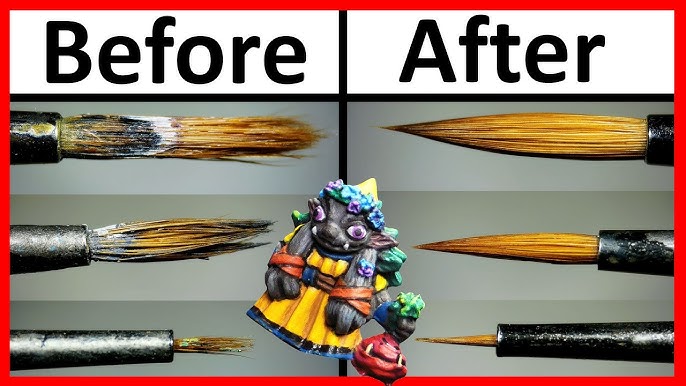
Credit: www.youtube.com
Choosing The Right Cleaning Supplies
Choosing the right cleaning supplies is key to keeping acrylic paint brushes in great shape. The right products remove paint without damaging the bristles. This step saves money and improves brush life. It also makes painting easier and more enjoyable.
Not all cleaners work well with acrylic paint. Some can dry out or ruin brushes. Knowing which tools to use helps you clean brushes quickly and thoroughly. This section explains the types of brush cleaners and the essential tools needed.
Types Of Brush Cleaners
Water is the simplest cleaner for acrylic brushes. It works best if you clean brushes right after use. Soap and water help remove paint better than water alone. Mild dish soap or special brush soap works well.
Brush cleaners made for acrylic paint break down paint faster. These cleaners are gentle on bristles but strong on paint. Some come in liquid or gel form. They keep brushes soft and flexible.
For tough, dried paint, brush restorer or solvent may be needed. Use these products carefully. They can be harsh on brushes if used often. Always rinse brushes well after using solvents.
Essential Tools You Need
A brush comb or old toothbrush helps clean bristles deeply. It removes paint stuck near the base. This tool keeps brushes in good shape.
A container or cup is useful for soaking brushes. It helps soften paint for easier cleaning. Choose a size that fits your brush well.
A soft cloth or paper towel is good for wiping brushes dry. It prevents damage caused by rough drying. Always reshape bristles before drying.
Using the right supplies makes cleaning acrylic brushes simple. It keeps brushes ready for the next painting session.

Credit: www.youtube.com
Step-by-step Cleaning Process
Cleaning acrylic paint brushes properly keeps them soft and ready for your next project. Follow these clear steps to remove paint and protect the bristles. This process saves money and helps your brushes last longer.
Initial Rinse Techniques
Start by rinsing your brush under cool running water. Use your fingers to gently loosen the paint. Avoid hot water; it can damage the bristles. Rinse until most paint washes away. This step removes fresh paint quickly.
Using Soap And Water Effectively
Apply a small drop of mild soap on the brush. Work the soap into the bristles with your fingers. Create a lather to lift paint from inside. Rinse with cool water and repeat if needed. This cleans deeper paint residue.
Removing Stubborn Paint Residue
For dried paint, soak the brush in water for a few minutes. Use a brush comb or old toothbrush to gently scrub. Avoid harsh chemicals that may harm the brush. Repeat soap and rinse steps until clean. Pat dry with a towel afterward.
Drying And Storing Brushes
After cleaning your acrylic paint brushes, drying and storing them properly is key. This step keeps the bristles in good shape. It also helps your brushes last longer. Proper drying stops mold and damage. Good storage prevents bending or misshaping. Follow simple methods to care for your brushes right.
Proper Drying Methods
First, shake off extra water from the brush. Use a clean cloth or paper towel to blot it gently. Avoid pressing hard on the bristles. Lay the brush flat on a towel to dry. Do not dry brushes standing upright. Water can run into the handle and loosen glue. Keep brushes in a well-ventilated area. Let them dry completely before storing.
Best Storage Practices
Store brushes with the bristles facing up or lying flat. Avoid putting them in tight jars or containers. Bristles can bend or break this way. Use a brush holder or a container with enough space. Keep brushes away from direct sunlight and dust. Clean brushes before storing to stop paint buildup. Store brushes in a dry, cool place to keep them fresh.
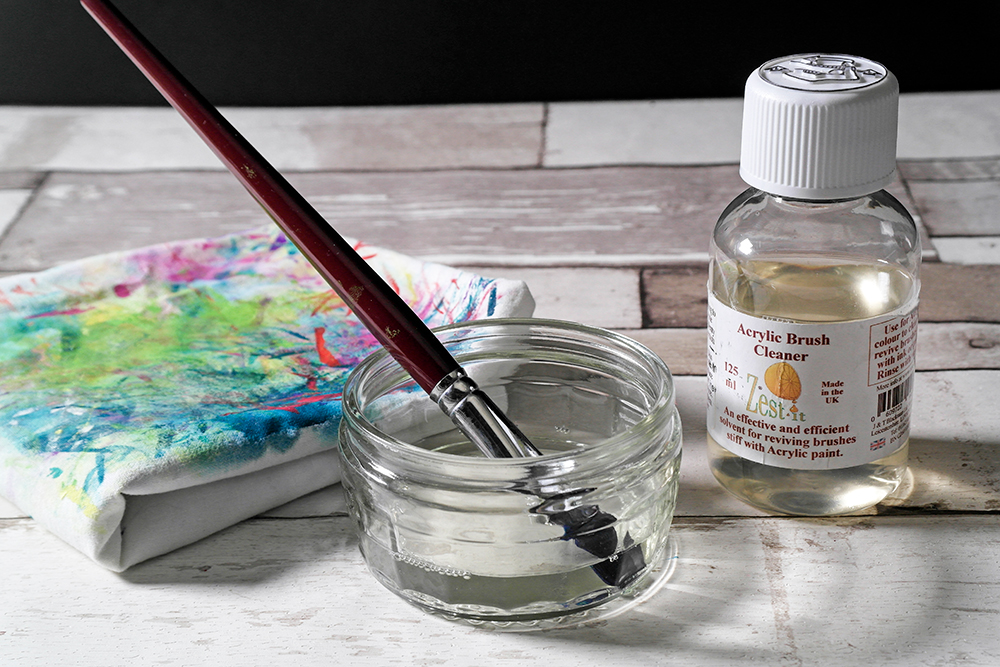
Credit: www.artsupplies.co.uk
Tips To Extend Brush Lifespan
Taking care of your acrylic paint brushes helps them last longer. Proper cleaning and storage keep the bristles soft and strong. This saves money and keeps your brushes ready for the next painting session. Follow these tips to extend the life of your brushes and get the best results every time.
Avoiding Common Mistakes
Do not let paint dry on the bristles. Dried paint damages the brush and makes cleaning hard. Use lukewarm water, not hot water, which can weaken the glue in the brush. Avoid scrubbing bristles roughly. Be gentle to keep their shape and avoid shedding. Never soak brushes for too long; it can loosen the handle and bristles.
Routine Maintenance
Rinse brushes immediately after use to remove paint. Use a mild soap or brush cleaner to remove all paint residues. Gently reshape the bristles with your fingers after washing. Dry brushes flat or hang them bristles down to keep their form. Store brushes in a dry place, avoiding direct sunlight and dust.
Handling Different Brush Types
Different paint brushes need different care. Acrylic paint can dry fast and hard on brushes. Proper cleaning keeps them soft and ready for use. Handling synthetic and natural bristle brushes carefully extends their life. Each type reacts differently to cleaning methods. Use the right approach for each brush type.
Cleaning Synthetic Brushes
Synthetic brushes have soft, smooth bristles made of plastic. They hold paint well and resist damage. Rinse the brush under warm water right after use. Use mild soap to remove paint gently. Rub the bristles with your fingers to clean thoroughly. Avoid hot water to prevent bristle damage. Dry the brush flat or hang it with bristles down. Store synthetic brushes in a dry place.
Caring For Natural Bristle Brushes
Natural bristle brushes have hairs from animals. They are strong but can absorb water and swell. Clean these brushes with lukewarm water and gentle soap. Avoid soaking natural bristles for a long time. Gently reshape bristles after washing to keep their form. Let them dry flat to stop water from weakening the handle. Use natural bristle brushes carefully to keep their quality.
Frequently Asked Questions
How Do I Clean Acrylic Paint Brushes Effectively?
Rinse brushes immediately after use with lukewarm water. Use mild soap and gently work it into bristles. Rinse thoroughly until water runs clear. Reshape bristles and let brushes dry flat or hanging.
What Is The Best Soap For Cleaning Acrylic Brushes?
Mild liquid soap or specialized brush cleaner works best. Avoid harsh detergents that damage bristles. Soap helps remove paint residue without weakening fibers. Regular cleaning with gentle soap extends brush life.
Can I Use Water Alone To Clean Acrylic Brushes?
Water alone may not remove dried acrylic paint. Use water with mild soap for best results. Soap breaks down paint, making cleaning easier. Prompt cleaning prevents paint from hardening on bristles.
How Often Should I Clean Acrylic Paint Brushes?
Clean brushes immediately after each use for optimal results. Regular cleaning prevents paint buildup and maintains brush quality. Avoid letting paint dry on brushes to ensure longevity.
Conclusion
Cleaning acrylic paint brushes properly saves time and money. It keeps brushes soft and ready for your next project. Use water and gentle soap to remove paint right after use. Avoid letting paint dry on the bristles. Rinse brushes well and reshape them before drying.
Taking care of your brushes helps them last longer. Clean brushes also make painting easier and more enjoyable. Simple steps lead to better results every time you paint. Keep your tools in good shape and enjoy your art!