Quick answer: The rule for how to clean art and craft supplies is to match the cleaner to the material: warm water and mild soap for water-based paint on brushes, palettes, stamps, and sponges; rubbing alcohol for sticky glue and tape residue on scissors and tools; a dry cloth or eraser for pencils, crayons, and pastels. Clean wet paint before it dries, reshape brushes and store them upright or flat, and let everything air-dry fully before putting it away to prevent mold and rust.
Art and craft supplies last far longer when they are cleaned properly, and the difference shows quickly. A brush cleaned right after use keeps its point for months; one left with acrylic in the ferrule can be ruined in a day. Scissors gummed with glue stop cutting cleanly. Markers left uncapped dry out. Learning how to clean art and craft supplies, especially in a household with kids, saves money and keeps projects pleasant.
This guide is organized by supply type, with step-by-step methods for each, plus a quick routine for family art tables and advice on gently cleaning finished artwork. If you are also rebuilding a child’s kit, our guide to the best art supplies for an 8 year old girl covers durable, easy-care options.
Cleaning Supplies to Keep On Hand
- Mild dish soap or a dedicated brush soap
- Warm water and a couple of jars or buckets
- Paper towels and lint-free rags
- 70 percent isopropyl rubbing alcohol
- Baby oil or vegetable oil (for oil paint and some adhesive residue)
- An old toothbrush
- A plastic scraper or old gift card
- Cotton swabs
- A soft brush or makeup brush for dusting
- Rubber gloves
Quick Reference: What Cleans What
| Supply | Best cleaner | Avoid |
|---|---|---|
| Brushes with acrylic, tempera, watercolor | Water, then mild soap | Hot water, soaking bristles-down |
| Brushes with oil paint | Wipe, then odorless mineral spirits or oil, then soap | Pouring solvent down drains |
| Plastic palettes | Warm soapy water; peel or scrape dried acrylic | Abrasive scouring pads |
| Scissors and craft knives | Rubbing alcohol for adhesive; dry thoroughly | Leaving wet; dishwasher |
| Rubber stamps | Damp cloth or stamp cleaner; mild soap for water-based ink | Soaking wood-mounted stamps |
| Markers | Wipe barrel; revive tips per type | Storing uncapped |
| Crayons and colored pencils | Dry cloth; sharpen to clean | Water on pencils |
| Clay tools | Water for clay; wipe and dry metal parts | Rinsing clay down the drain |
| Glue bottles | Warm water soak on the nozzle; pin to clear | Cutting nozzle too wide |
| Fabric smocks | Cold water and soap while paint is wet | Drying in a dryer before stain is gone |
How to Clean Acrylic Art Brushes
Acrylic dries into plastic, so speed is everything. Never let acrylic dry in a brush.
- Wipe off excess paint on a paper towel or rag immediately after use.
- Rinse in a jar of water, gently swishing. Do not jab the brush into the bottom of the jar, which bends bristles.
- Lather with mild soap. Work soap into the bristles in your palm, moving in the direction of the hairs, not against them.
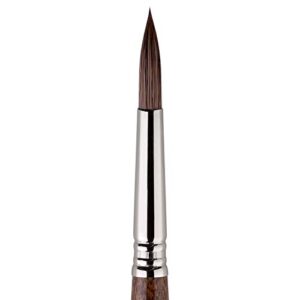
- Pay attention to the ferrule. Paint creeps into the metal collar and dries there, splaying bristles over time. Gently squeeze soapy water out from the base toward the tip.
- Rinse under lukewarm running water until the water runs clear.
- Repeat the soap step if any color remains.
- Reshape the bristles with your fingers into their original point or edge.
- Dry flat or bristles-up. Never store wet brushes bristles-up in a cup, since water runs into the ferrule and can loosen the glue or swell a wooden handle. Lay them flat until dry, then store upright.
Rescuing a brush with dried acrylic
Soak just the bristles, not the handle, in rubbing alcohol or a dedicated brush restorer for 10 to 30 minutes, then work the softened paint out with a comb or your fingers and wash with soap. Severely hardened brushes may not fully recover, but this often saves them for scrubbing or texture work.
How to Clean Watercolor and Tempera Brushes
Watercolor and tempera are rewettable, so brushes are easier to clean. Rinse thoroughly in clean water, then occasionally wash with mild soap to remove buildup. Natural-hair brushes benefit from gentle care and should never be left standing in water.
How to Clean Oil Painting Brushes
- Wipe excess paint onto a rag or newspaper.
- Swish in odorless mineral spirits, or in a safflower or vegetable oil if you prefer to avoid solvents.
- Wipe again.
- Wash with soap and lukewarm water until the lather is clean.
- Reshape and dry flat.
Let used solvent sit in a sealed jar so pigment settles, then reuse the clear solvent on top. Dispose of sludge and oily rags according to local hazardous waste rules. Oily rags can self-heat as they dry, so lay them flat outdoors or store them in a sealed metal container with water until disposal.
Cleaning Palettes
Plastic and ceramic palettes
- Wet paint: wipe with a damp paper towel, then wash in warm soapy water.
- Dried acrylic: soak in warm water for 15 to 30 minutes and peel off the film, or use a plastic scraper. Some artists simply let acrylic dry on plastic palettes and peel it off in sheets.
- Dried watercolor: watercolor in palette wells is meant to be reused; only clean if colors have become muddy.
Glass palettes
Scrape dried paint with a single-edge razor scraper held at a low angle, then wipe with glass cleaner or soapy water. Glass palettes are very easy to clean, which is one reason oil and acrylic painters like them.
Wooden palettes
Wipe oil paint off with a rag and a little oil. Wood palettes are usually sealed with oil over time and should not be soaked in water.
Cleaning Scissors, Craft Knives, and Cutting Tools
- Wipe blades with a cloth dampened with rubbing alcohol to dissolve glue, tape adhesive, and sticker residue. Keep fingers away from the edges by wiping from the spine toward the edge with the scissors closed.
- Use a little oil on a cloth for stubborn adhesive, then remove the oil with alcohol.
- Dry completely to prevent rust, especially at the pivot.
- Apply a drop of light machine oil at the pivot occasionally, then wipe away excess so it does not transfer to paper.
- Replace craft knife blades rather than cleaning them; dull blades tear paper and slip.
Cleaning Rubber and Clear Stamps
- Water-based ink: tap the stamp on a damp paper towel or baby wipe without alcohol, then blot dry.
- Stubborn or pigment ink: use a soft toothbrush with mild soapy water, then rinse quickly and dry.
- Solvent-based or permanent ink: use a cleaner designed for that ink type.
- Wood-mounted stamps: never soak; water can warp the wood and loosen the rubber.
- Clear photopolymer stamps: wash with mild soap, dry, and store on their acetate sheets to keep them clingy.
Caring for Markers
- Always cap markers immediately, listening for the click.
- Wipe ink smudges from barrels with a baby wipe or a cloth with a little rubbing alcohol for permanent markers.
- Store water-based dual-tip and brush markers horizontally so ink stays evenly distributed.
- Revive dried water-based markers by dipping the tip in a little warm water for a few seconds and recapping. Results vary.
- Revive dried alcohol-based markers with the manufacturer’s refill ink where available.
- Clean frayed or color-contaminated tips by scribbling on scrap paper until the true color returns.
Cleaning Crayons, Colored Pencils, and Pastels
- Crayons: wipe with a dry cloth; for color contamination, rub the tip on scrap paper. Broken crayons can be melted into new shapes in silicone molds with adult supervision.
- Colored pencils: sharpen to remove contaminated tips; wipe barrels with a slightly damp cloth and dry.
- Soft pastels: place in a container with uncooked rice or cornmeal and shake gently to remove other colors’ dust, then sift them out.
- Oil pastels: wipe with a paper towel; remove wrappers partly to clean ends.
Cleaning Clay and Sculpting Tools
- Scrape off clay with a plastic scraper while it is still soft.
- Rinse tools in a bucket of water rather than the sink, since clay can clog pipes. Let the clay settle, pour off water, and dispose of sediment in the trash.
- For polymer clay, wipe tools with a baby wipe or a little rubbing alcohol.
- Dry metal tools thoroughly to prevent rust.
- Keep tools used with art materials separate from kitchen tools.
Unclogging Glue Bottles and Glue Sticks
- White school glue: soak the nozzle in warm water for a few minutes, then push a straight pin through the opening. Wipe the nozzle after each use and twist it closed.
- Glue sticks: wipe the edge clean and cap tightly. Store upright.
- Hot glue gun nozzles: unplug and allow to cool completely, then gently peel residue. Some residue can be removed while warm with a silicone pad, but take care to avoid burns.
Cleaning Sponges, Rollers, and Stencils
- Sponges and foam brushes: rinse immediately, squeeze, wash with soap, and air-dry.
- Brayers and rollers: roll on scrap paper to remove most ink, then wipe with a damp cloth or the cleaner appropriate to the ink.
- Plastic stencils: wash in warm soapy water on a flat surface, using a soft brush. Dry flat to prevent warping.
Removing Paint From Smocks, Clothes, and Tables
- Wet washable paint: rinse with cold water from the back of the fabric, then wash with soap.
- Wet acrylic: blot, rinse with cold water, and wash promptly. Dried acrylic may be loosened with rubbing alcohol on some fabrics; test a hidden area first.
- Tables: wipe wet paint with damp towels. Dried acrylic on sealed surfaces can often be softened with warm soapy water and gently scraped with a plastic card.
A 10-Minute Family Art Table Cleanup Routine
- Cap all markers, glue, and paints.
- Rinse brushes and lay them flat to dry.
- Wipe palettes or put disposable ones in the trash.
- Collect scraps and recycle what you can.
- Wipe scissors and tools.
- Wipe down the table and chairs.
- Put supplies back in their labeled bins.
A clear home for every supply makes this routine much faster. For ideas on bins, carts, and labeling systems, see our tips for organizing art supplies.
Disinfecting Shared Craft Supplies
In classrooms or when many kids share supplies, occasional disinfecting helps. Wipe hard plastic and metal items such as scissors, rulers, and stamp blocks with an alcohol wipe or a disinfectant suitable for the material, then let them air-dry. Avoid soaking items with electronics, wood, or paper components. Washable markers and crayons can be wiped on the outside but not the tips.
How to Clean Artwork Gently
Finished art needs a lighter touch than tools.
- Framed art under glass: spray glass cleaner onto a cloth, not the glass, to keep liquid from seeping under the frame.
- Varnished acrylic or oil paintings: dust with a soft, dry brush. Avoid household cleaners.
- Unvarnished paintings: dust only; moisture can damage or lift paint.
- Pencil smudges on paper: use a kneaded eraser gently, lifting rather than rubbing.
- Valuable or old artwork: consult a professional conservator rather than cleaning it yourself.
Common Cleaning Mistakes
- Letting acrylic dry in brushes.
- Using hot water, which can damage bristles and loosen ferrule glue.
- Storing wet brushes bristle-up.
- Putting craft tools in the dishwasher.
- Rinsing clay, plaster, or heavy paint down sink drains.
- Putting supplies away damp, which encourages mold and rust.
FAQs
What is the best way to clean acrylic paint brushes?
Wipe off excess paint, rinse in water, wash with mild soap in your palm, focusing on the ferrule, rinse with lukewarm water, reshape, and dry flat. Clean right after use so paint never dries in the bristles.
Can I wash art supplies in the dishwasher?
It is generally not recommended. High heat and harsh detergents can warp plastic, damage brushes and stamps, and dull scissors, and paint residue may transfer to dishes.
How do I get dried glue off scissors?
Wipe the blades with rubbing alcohol on a cloth. For stubborn residue, use a little oil first, then remove the oil with alcohol and dry thoroughly.
How do I clean dried paint off a plastic palette?
Soak it in warm water for 15 to 30 minutes and peel or scrape off dried acrylic with a plastic scraper.
How often should I clean my art supplies?
Brushes, palettes, and tools should be cleaned after every session. Deeper cleaning of storage bins, stamps, and shared items can be done every few weeks.
How do I clean artwork without damaging it?
Dust varnished paintings with a soft, dry brush, clean frame glass with a cloth lightly sprayed with cleaner, and avoid liquids on unvarnished surfaces. For valuable pieces, ask a conservator.
Next Step
Clean supplies right after use with the right method for each material: soap and water for water-based paint, alcohol for adhesives, and dry methods for pencils and pastels. Dry everything fully before storage. With a short cleanup routine and organized storage, art supplies last much longer and are always ready for the next project.
When it is time to replace worn-out items, look for durable, easy-to-clean materials. Our picks for art supplies suited to an 8 year old girl highlight kid-friendly options that hold up to regular use.