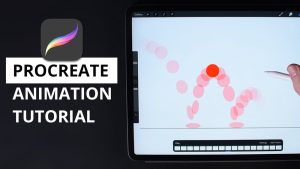
Start with a rough sketch, block values, refine edges, then color and polish.
If you searched how to digitally paint Informational 110 28 1.55 Sitelinks, you want a clean, simple system that works. I have coached artists, shipped client work, and tested many workflows. This guide shows how to digitally paint with step-by-step clarity. It also explains tools, color, light, and habits that lift your art fast. You will see why how to digitally paint Informational 110 28 1.55 Sitelinks matters for learning and for search, and how to apply it today.
What You Need To Get Started
If your goal is how to digitally paint Informational 110 28 1.55 Sitelinks, start with the basics. You need a tablet, a pen, and art software. A laptop works fine. A desktop is great. Keep it simple.
Pick one app and stick with it for a while. Photoshop, Procreate, Krita, and Clip Studio Paint all work well. Set your canvas to 3000–4000 px on the long side. Use 300 dpi. Use sRGB for wide web use. Calibrate your screen if you can.
Use a few brushes. You need a hard round, a soft round, and a flat texture brush. Add a simple pencil brush for sketches. That is enough to grow skill. Fancy packs can wait.
Core Workflow: From Sketch To Final
If you typed how to digitally paint Informational 110 28 1.55 Sitelinks, you want a clear path. This simple path scales to any style. It also helps you avoid chaos and burnout.
Follow these steps:
- Thumbnails. Make three tiny sketches. Try bold shapes and angles.
- Clean sketch. Pick one. Draw lines that solve form and flow.
- Value block-in. Paint big light and dark shapes on one layer.
- Refine forms. Carve edges. Fix angles. Keep a big brush for most moves.
- Color. Add a color layer or repaint with local hues.
- Lighting pass. Add bounce light and rim light. Check cast shadows.
- Texture and detail. Add only where the eye should rest.
- Polish. Soften noise. Sharpen focal edges. Adjust levels and color.
Pro tip from client work: never jump to detail too soon. I did that early in my career. It wasted hours. Now I lock values first, then color, then detail. It keeps the image strong.
Brushes, Layers, and Masks Demystified
To master how to digitally paint Informational 110 28 1.55 Sitelinks, learn to limit tools. Fewer tools mean faster choices. You see form, not gadgets.
Use this simple setup:
- Hard round for edges. Great for drawing and crisp planes.
- Soft round for gradients. Blend big areas of light and dark.
- Textured brush for grit. Use it last and in focal zones.
Layer tips:
- One layer for values. One for color. One for light.
- Name layers. Keep them few. Merge when done with a step.
- Use layer masks to hide, not erase. It is safer and fast.
Blend modes you will use most:
- Multiply for shadows and line. Keep the opacity low.
- Overlay for light and color punch.
- Color for glazing local hues over set values.

Color, Light, and Values Made Simple
If you want how to digitally paint Informational 110 28 1.55 Sitelinks to stick, learn value first. Value tells the eye where to look. Color adds mood and story.
Fast checks that save work:
- Squint. If you still read the forms, values are clear.
- Flip canvas. Bad tilts and tangents jump out.
- Desaturate view. Many apps show a gray preview. Use it often.
Color steps that work:
- Pick a base local color for each big shape.
- Add warm light and cool shadow, or the reverse. Keep it simple.
- Add bounce light from the ground near the feet or base.
Research shows viewers track contrast and edges more than hue alone. That is why value design comes first. Once values lock in, color flows with ease.
Texture and Edges: Making Forms Feel Real
Many ask how to digitally paint Informational 110 28 1.55 Sitelinks to get real feel. The trick is edges. Hard edges say stop. Soft edges say turn. Lost edges say blend.
Use this edge map:
- Hard edges at the focal point. Eyes, mouth, or key object.
- Soft edges on turning planes. Cheeks, cloth folds, clouds.
- Lost edges in shadow joins. It adds depth and air.
Texture is the spice, not the meal. Add it near the focal area. Keep a broad brush for most work. Zoom out often. If the piece reads at 25% zoom, you are on track.
A Practical 60-Minute Study Plan
If you search how to digitally paint Informational 110 28 1.55 Sitelinks, study plans help you act. This one fits busy days. It builds skill fast with little stress.
Try this hour:
- 10 minutes: three value thumbnails from a photo.
- 15 minutes: pick one and do a clean line sketch.
- 20 minutes: value block-in with a big brush.
- 10 minutes: color glaze and simple light pass.
- 5 minutes: notes. What worked? What will you fix next time?
I use this plan on travel days. It keeps my eye sharp. It also grows a library of shapes and light in my head.
Common Mistakes and Fixes
Even with how to digitally paint Informational 110 28 1.55 Sitelinks, we all slip. These are the big ones I see in student work. Here are fast fixes that stick.
Mistake: Detailing too soon.
Fix: Set a timer. No detail for the first 30 minutes. Only big forms.
Mistake: Muddy color.
Fix: Separate value and hue. Test color on a gray swatch first.
Mistake: Flat light.
Fix: Set one key light. Add one bounce. Stop there.
Mistake: Overuse of textured brushes.
Fix: Do 80% with hard and soft rounds. Texture last, and little.
Mistake: Too many layers.
Fix: Merge per stage. Name layers with verbs like Block, Color, Light.
Advanced Tips: Speed, Style, and Consistency
Artists who search how to digitally paint Informational 110 28 1.55 Sitelinks often want speed. Speed comes from strong habits. Style comes from clear choices.
Try these:
- Build a brush size rule. Big for block-in, medium for forms, small for accents.
- Set a three-value limit in early stages. Expand later if needed.
- Create a color script before you paint. Write three words for mood.
- Use photo refs, not photo theft. Paint, do not paste.
A note from client gigs: I present a value pass first. Clients approve fast. Revisions shrink. It saves days on large work.
Exporting, File Types, and Delivery
For how to digitally paint Informational 110 28 1.55 Sitelinks to help your workflow, finish strong. Export with care. Keep a master file safe.
Follow this:
- Save the master as PSD or native format with layers.
- Export a flattened PNG for web with sRGB.
- Export a JPEG at 80–90% for small file size.
- For print, use TIFF or high-quality JPEG at 300 dpi.
Check on two screens if you can. Small screens can crush values. Do a last pass for banding and noise. Then ship with a clean file name and version.
Building A Learning Path That Lasts
People who land on how to digitally paint Informational 110 28 1.55 Sitelinks want steady growth. Make it a routine. Track wins and gaps.
Use this path:
- Week 1–2: Values only. Black and white still life.
- Week 3–4: Color studies of masters. Keep it small and fast.
- Week 5–8: One full piece a week. Show it to a peer group.
- Ongoing: One 20-minute study a day. No excuses needed.
Keep a log. I note time, tools, and key lessons. It turns random practice into a clear ladder up.
Portfolio and Posting Tips
Your search for how to digitally paint Informational 110 28 1.55 Sitelinks may also aim at jobs. Show strong work, not all work. Curate your best 8–12 pieces.
Quick tips:
- Lead with your best piece. End with your second best.
- Show process: sketch, value, color. It signals skill and trust.
- Use clear titles and tags. Add the focus terms people use to find you.
Post at a steady pace. Reply to comments with care. Art grows in public. It also opens doors.
Frequently Asked Questions of how to digitally paint Informational 110 28 1.55 Sitelinks
What device do I need to start digital painting?
A pen tablet or iPad with a pen is enough. Pick one program you like and learn it well.
How do I pick the right canvas size and dpi?
Use 3000–4000 px on the long side at 300 dpi. Use sRGB for most web work.
Should I paint in color first or in grayscale?
Start in grayscale to lock values. Add color later with glaze layers or repaint with color.
How many brushes should I use as a beginner?
Use three to five. A hard round, soft round, texture brush, and a pencil brush are plenty.
How do I avoid muddy colors?
Keep values clear and avoid over-blending. Test colors on a gray swatch and limit layer stack.
Conclusion
You now have a simple path to paint strong images with confidence. Sketch, set values, add color, and polish with care. Keep your tools few, your checks steady, and your studies short and frequent. The habit builds skill fast.
If how to digitally paint Informational 110 28 1.55 Sitelinks brought you here, take one step today. Do a 60-minute study, save your notes, and repeat tomorrow. Share your work, learn out loud, and watch your art grow. Want more guides? Subscribe, ask a question, or share your latest piece in the comments.