Have you ever wanted to create breathtaking digital skies that instantly draw attention and bring your artwork to life? Painting digital skies and atmosphere might seem challenging at first, but with the right approach, you can master it step by step.
In this guide, you’ll discover simple techniques to capture the colors, light, and mood of the sky—whether it’s a bright sunny day or a dramatic stormy scene. By the end, you’ll have the confidence to make your digital landscapes feel vivid and real.
Ready to transform your digital art? Let’s dive into how you can paint stunning skies and atmospheres that captivate every viewer.

Credit: www.vecteezy.com
Color Selection
Choosing the right colors is key to painting a digital sky and atmosphere. Colors set the tone and bring life to your artwork. Careful color selection helps create depth and mood. It also guides the viewer’s eye across the scene. Below, we explore how to pick and mix colors effectively.
Choosing Sky Colors
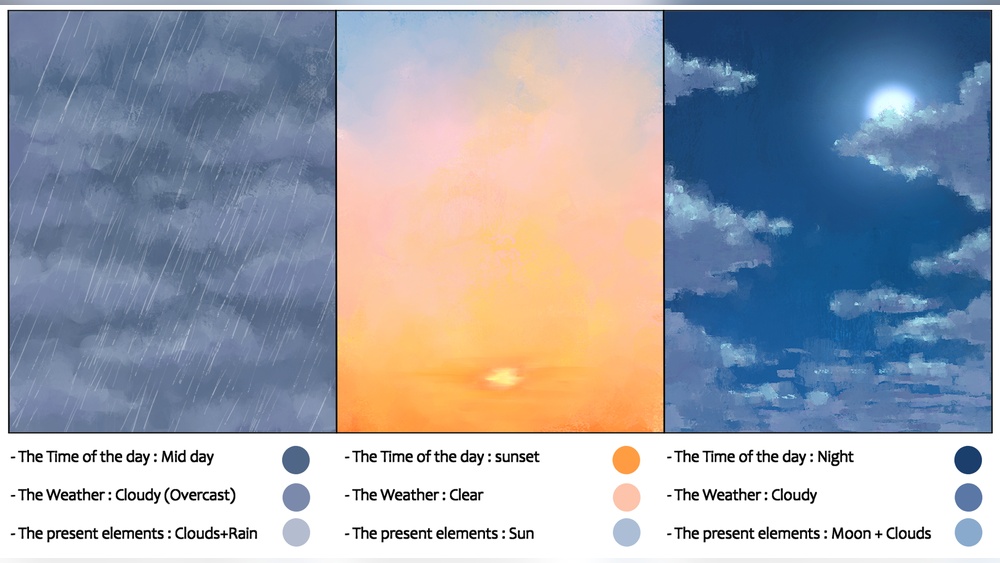
Start with the time of day and weather in mind. Early mornings often have soft pinks and light blues. Midday skies show bright blues with white highlights. Evenings use warm oranges, reds, and purples. Pick colors that reflect these natural shifts. Avoid using flat or overly bright tones. Subtle variations make the sky feel alive.
Mixing Atmospheric Hues
Mix colors to simulate air and light effects. Use blues mixed with hints of gray or purple to show distance. Add warm tones near the horizon for sunlight. Soft gradients blend these hues smoothly. Layer colors lightly to build atmosphere depth. This technique creates a natural, airy feeling in your sky.
Using Color Palettes For Mood
Colors influence the mood of your painting strongly. Cool blues and grays suggest calm or sadness. Warm reds and oranges express energy or warmth. Choose palettes that match the emotion you want. Limit your palette to maintain harmony. Test different combinations to find the right balance.

Credit: www.dreamstime.com
Layer Techniques
Brush settings play a vital role in painting digital skies and atmospheres. They help create smooth gradients, soft glows, and realistic cloud textures. Adjusting the right brush settings can bring life and depth to your artwork. Understanding these settings allows for better control over your strokes and effects.
Selecting Brushes For Skies
Choose brushes that mimic natural sky elements. Soft round brushes work well for smooth gradients and subtle color blends. Textured brushes add variety to cloud shapes and edges. Use custom brushes designed for clouds or fog to enhance realism. Experiment with different brush shapes to find what fits your style.
Adjusting Brush Opacity
Lower brush opacity helps build gradual color transitions. It allows layering of colors without harsh lines. Use higher opacity for bold strokes or highlights. Adjust opacity as you paint different sky parts to control light and shadow. Changing opacity lets you create depth and atmosphere efficiently.
Creating Cloud Textures
Clouds need soft, irregular edges to appear natural. Use textured or scatter brushes with low hardness. Vary brush size and opacity while painting cloud layers. Blend edges gently to avoid sharp outlines. Add highlights and shadows to give clouds volume and shape.
Brush Settings
Painting sky gradients creates the foundation of a digital sky. It sets the mood and atmosphere. A well-crafted gradient makes the sky look natural and vibrant. The process involves layering colors smoothly from horizon to zenith. Let’s explore the key steps to paint beautiful sky gradients that enhance your digital artwork.
Base Gradient Creation
Start with a large soft brush or gradient tool. Choose two or three colors for the sky base. Typically, a light color near the horizon and a darker shade at the top works well. Apply these colors in a vertical gradient. Keep the transition smooth and even. Avoid harsh lines or abrupt color changes. This simple base sets the stage for adding depth later.
Adding Atmospheric Depth
Introduce subtle color shifts to mimic atmospheric scattering. Add a faint warm tone near the horizon to suggest sunlight. Cool tones higher up can represent the thinning atmosphere. Use low opacity brushes for gentle blending. Layer multiple semi-transparent colors to build complexity. This step brings life and realism to your sky.
Smooth Transitions
Blend colors carefully to avoid visible edges. Use soft brushes or smudge tools with low strength. Work slowly across the gradient to maintain control. Small strokes help maintain smoothness. Check your gradient at different zoom levels for consistency. Smooth transitions keep the sky feeling natural and pleasing to the eye.
Painting Sky Gradients
Weather changes shape the sky and atmosphere in many ways. Each weather type brings unique colors, light, and mood. Capturing these differences makes your digital sky more realistic and alive.
Understanding how weather affects the sky helps you create strong, emotional scenes. Below are key weather variations to consider when painting your digital sky and atmosphere.
Stormy Skies
Stormy skies show deep, dark clouds with dramatic lighting. Use dark grays and blues to paint heavy clouds. Add sharp highlights where lightning or breaks in clouds appear. Blend edges softly to show thick moisture in the air. Use contrast to create tension and drama in the scene.
Sunset And Sunrise Colors
Sunsets and sunrises bring warm, glowing colors to the sky. Use oranges, pinks, and purples to show the sun near the horizon. Gradually fade these warm tones into cooler blues above. Soft, blended strokes help show the gentle light. These colors add warmth and calmness to your digital sky.
Rain And Mist Effects
Rain and mist make the atmosphere look soft and hazy. Use light grays and blues to paint mist around objects. Add fine streaks or drops to show falling rain. Lower the contrast and blur edges to create a wet, foggy feel. This effect gives your painting a quiet, moody mood.
Cloud Formation
Final touches bring your digital sky and atmosphere to life. This stage polishes your work and adds subtle effects. These details create mood and realism. Focus on blending colors smoothly and refining shapes. Introduce light haze or smoke for atmosphere. Enhance depth with shadows and highlights. These small steps make your sky feel real and dynamic.
Blending And Refining
Blend colors softly for smooth transitions. Use a soft brush with low opacity. Avoid harsh lines between sky layers and clouds. Refine edges to keep shapes natural. Adjust color tones to balance warmth and coolness. Check the overall flow of your composition. Small tweaks improve the sky’s harmony and feel.
Adding Smoke And Haze
Apply thin layers of smoke or haze for atmosphere. Use a textured brush with light gray or soft white. Place haze near the horizon or behind clouds. This adds depth and distance. Keep haze subtle to avoid overdoing it. Use layer opacity to control the effect. Smoke and haze suggest moisture and air movement.
Enhancing Depth And Realism
Use light and shadow to create depth. Highlight cloud edges facing the light source. Darken areas in shadow to add volume. Add subtle color shifts in the sky for realism. Include faint stars or distant light if needed. Depth makes the scene immersive and believable. Small details help your digital sky stand out.

Credit: pngtree.com
Frequently Asked Questions
How To Paint Atmospheric Skies?
Start with a gradient base using blues and whites. Add soft clouds with varied opacity. Blend edges smoothly. Use warm tones near the horizon. Layer colors to create depth and light effects. Adjust contrast for mood.
What Is The 80/20 Rule In Painting?
The 80/20 rule in painting means 80% of your effort focuses on key elements, while 20% enhances details and finishing touches.
What Is The 70 30 Rule In Art?
The 70-30 rule in art means 70% of the composition should be background or negative space. The remaining 30% holds the main subject or focal points. This balance creates visual harmony and guides the viewer’s attention effectively within the artwork.
How To Start Digital Painting As A Beginner?
Start digital painting by choosing software like Procreate or Photoshop. Learn layer basics and brush settings. Practice simple shapes and shading daily. Explore tutorials and experiment with colors. Stay consistent and patient to improve skills quickly.
Conclusion
Painting digital skies and atmosphere takes practice and patience. Start with simple shapes and colors. Use layers to build depth and light effects. Observe real skies to capture natural tones and moods. Experiment with brushes to create soft clouds and glowing light.
Keep your strokes smooth and blend colors gently. Each attempt will improve your skills and confidence. Enjoy the process and watch your digital skies come alive. This guide helps you create beautiful, realistic atmospheres step by step. Keep practicing, and your paintings will shine with life.