Painting small window frames on a canvas might seem tricky at first, but with the right steps, you can create sharp, beautiful details that bring your artwork to life. If you want your window frames to look crisp and realistic, you need to know how to prepare your canvas, choose the right paint, and apply it carefully without mistakes. By learning how to paint small window frames effectively, you can enhance the overall impact of your artwork.
In this guide, you’ll discover simple tips and tricks that help you avoid common errors like messy edges or peeling paint. Keep reading, and you’ll learn how to turn those tiny window frames into standout features of your painting—making your art look polished and professional every time.
Choosing Paint Types
Picking the right paint is key for painting small window frames on canvas. The type of paint affects how your artwork looks and lasts. Some paints are easier to use, while others offer richer colors and textures.
Choosing the correct paint helps you get clean lines and smooth finishes. It also ensures your paint sticks well and dries properly. Let’s explore common paint options for beginners and experienced painters.
Tempera Paint For Beginners
Tempera paint is perfect for beginners. It is water-based and easy to clean up. This paint dries fast and has bright colors. You can thin it with water for smooth brush strokes.
Tempera paint is safe and non-toxic. It works well on canvas and paper. It is less expensive than other paints, making it ideal for practice. Keep in mind, tempera paint may not be very durable over time.
Oil Vs. Latex Paint
Oil paint offers rich colors and thick texture. It dries slowly, allowing more time to blend colors. Oil paint gives a glossy finish but requires special cleaners.
Latex paint is water-based and dries faster than oil. It is easier to clean with soap and water. Latex paint usually has less odor and is good for fine details.
For small window frames on canvas, latex paint is often easier to manage. Oil paint suits artists who want a longer working time and deeper color effects.
Mixing And Preparing Paint
Always mix paint well before starting. Pigments can separate, causing uneven color. Stir paint gently but thoroughly to avoid bubbles.
Thin thick paint with water or a paint medium. This helps the paint flow smoothly on the canvas. Test your paint mixture on a scrap piece first.
Properly prepared paint improves coverage and prevents cracking. Keep your brushes clean between colors to avoid mixing unwanted shades.
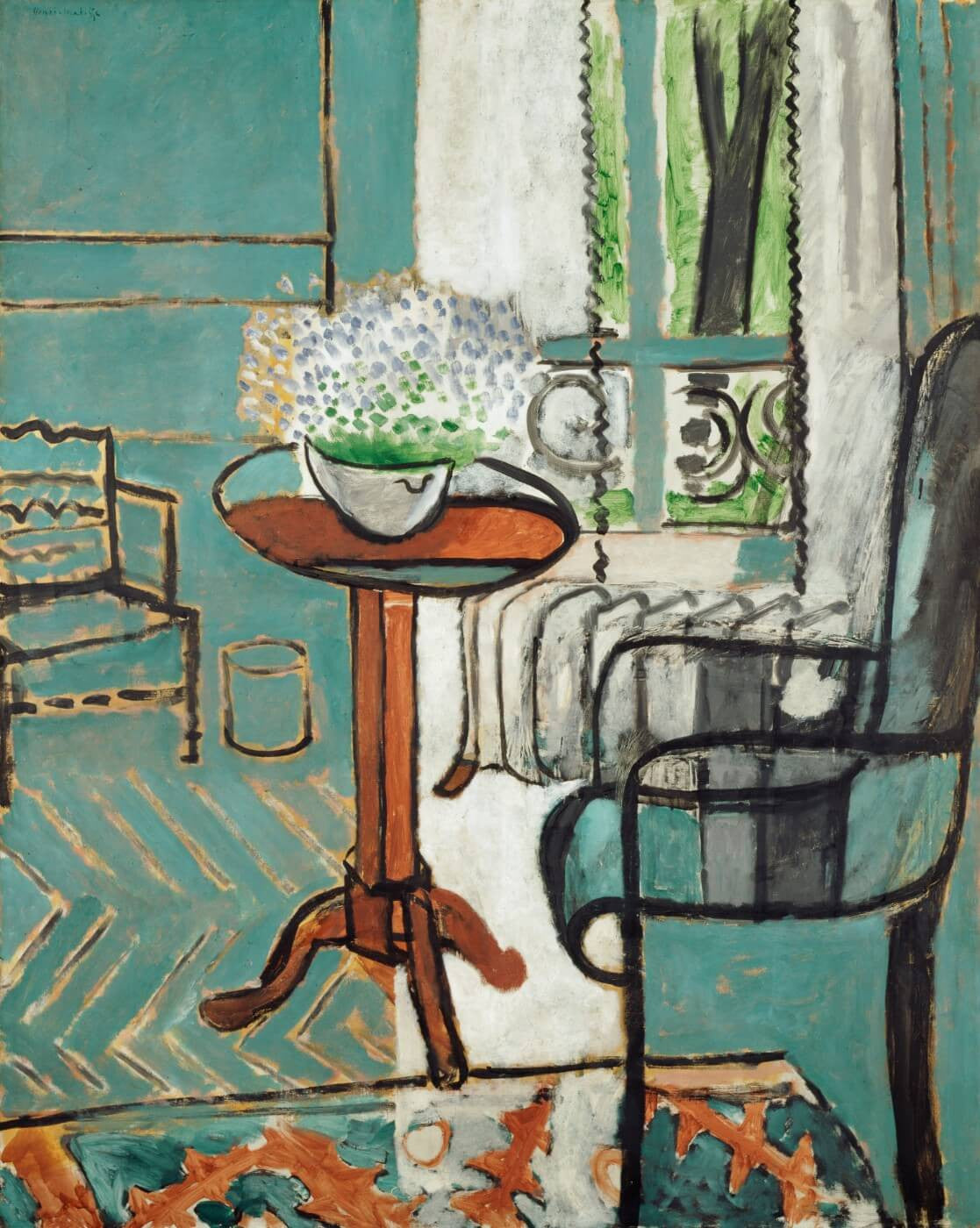
Credit: www.tallengestore.com
Essential Tools
Painting small window frames on a canvas requires careful preparation and the right tools. Using proper tools makes the process easier and the results cleaner. Essential tools help you achieve sharp lines and smooth paint application. Here is a guide to the key tools needed for this task.
Brush Selection
Choose brushes with fine, firm bristles for detailed work. Small angled brushes are perfect for painting narrow edges and corners. Flat brushes help cover wider frame surfaces evenly. Synthetic bristles work well with acrylic and oil paints. Avoid large or soft brushes, as they can cause messy strokes.
Using Painter’s Tape
Painter’s tape is crucial for clean, sharp edges. It protects areas you do not want to paint. Apply tape carefully along the frame lines. Press tape firmly to prevent paint from bleeding underneath. Remove the tape while the paint is still slightly wet for crisp lines. Use high-quality tape designed for delicate surfaces.
Additional Supplies
Keep a palette for mixing colors and thinning paint. Have a container of water or solvent ready for cleaning brushes. Use paper towels or a rag to wipe off excess paint. A small detail sponge can help with texture or corrections. Prepare a steady workspace with good lighting for accuracy.
Surface Preparation
Prepar