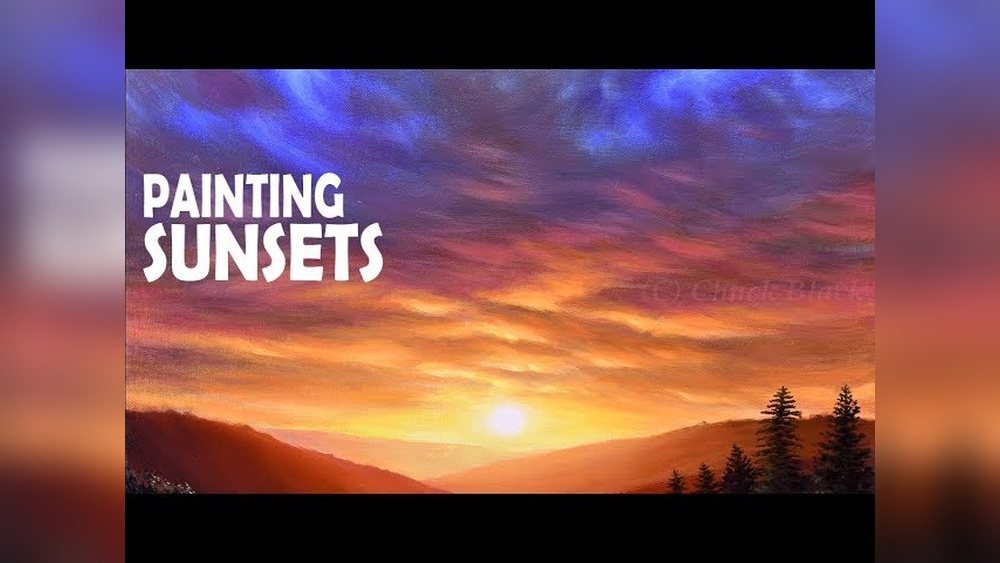
Have you ever wanted to capture the magic of a sunset on your canvas? Painting sunsets with acrylic paint is easier than you think, and it’s a great way to bring warmth and color into your art.
Whether you’re a beginner or just looking to improve your skills, this guide will show you simple steps to create stunning sunset scenes. By the end, you’ll feel confident mixing colors, blending shades, and adding those glowing touches that make sunsets so breathtaking.
Ready to turn your blank canvas into a radiant masterpiece? Let’s get started!

Credit: www.youtube.com
Choosing The Right Materials
Choosing the right materials is the first step to painting beautiful sunsets with acrylic paint. The quality of your supplies affects your painting’s final look. Good materials help you blend colors smoothly and create vibrant scenes. Knowing what to use makes the process easier and more enjoyable.
Best Acrylic Paints For Sunsets
Select paints with bright and rich colors. Choose hues like cadmium red, cadmium yellow, and ultramarine blue. These colors mix well to create sunset tones. Look for paints that have high pigment concentration. They give better coverage and last longer on the canvas.
Heavy body acrylics hold their shape and texture. Fluid acrylics are good for smooth blending. Both types work well for sunsets, depending on your style. Avoid cheap paints that fade quickly or look dull.
Selecting Brushes And Tools
Use soft, synthetic brushes for smooth strokes. Flat brushes help cover large areas like the sky. Round brushes create fine details such as clouds or sun rays. A fan brush blends colors gently and adds texture.
Keep a palette knife handy. It mixes colors and can add bold textures. Use a spray bottle with water to keep paint wet longer. This helps blend colors smoothly on the canvas.
Preparing Your Canvas
Start with a clean, dry canvas. Apply a thin layer of gesso to prime it. Gesso creates a smooth surface and helps paint stick better. Let the primer dry fully before painting.
Lightly sand the canvas if you want a very smooth finish. Sketch your sunset outline with a pencil. This guides your painting and keeps your work neat.
Credit: www.montmarte.com
Capturing Sunset Colors
Capturing the colors of a sunset with acrylic paint brings the sky to life on your canvas. The vibrant shades and smooth transitions make sunsets a favorite subject for painters. Understanding how to mix colors and create gradients helps you paint realistic and stunning sunsets.
Sunsets have a natural blend of warm and cool tones. Balancing these tones creates depth and emotion in your artwork. Let’s explore techniques to capture these beautiful colors effectively.
Mixing Vibrant Hues
Start with basic colors like red, yellow, and blue. Mix red and yellow for bright oranges. Add a little white to lighten colors without losing vibrancy. Use a palette knife to blend colors smoothly. Avoid adding too much water; acrylics work best thick. Test colors on scrap paper before applying to your canvas.
Creating Smooth Gradients
Sunsets often show a soft fade between colors. Use a clean, dry brush to blend edges gently. Work quickly before the paint dries. Layer colors from dark to light or light to dark. Use horizontal brush strokes for a natural sky effect. Blending while the paint is wet gives smooth transitions.
Using Warm And Cool Tones
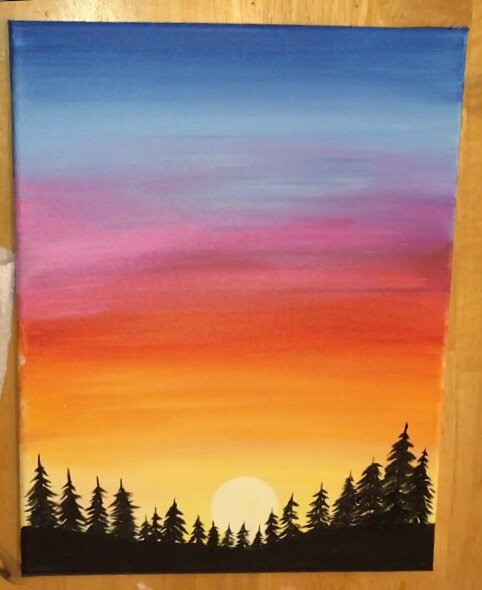
Warm tones include reds, oranges, and yellows. These colors show sunlight and warmth. Cool tones like blues and purples create shadows and depth. Place warm colors near the sun’s position. Surround these with cool tones for contrast. This balance makes the sunset more realistic and vibrant.
Painting Techniques For Sunsets
Painting sunsets with acrylic paint requires special techniques. These techniques help capture the beauty of the sky. Colors blend softly. Light and shadows create depth. Texture gives the painting life. Each technique adds realism and emotion to your artwork.
Blending And Layering
Blending colors smoothly is key for sunsets. Use a soft brush and work quickly. Acrylic paint dries fast, so blend while wet. Start with light colors, then add darker shades. Layer colors gradually to build the sky’s glow. Soft transitions create a natural look.
Adding Texture And Depth
Texture makes the sunset more interesting. Use thicker paint or a palette knife for clouds. Dab paint gently to form shapes and shadows. Vary brush strokes to add movement. Depth comes from mixing light and dark tones. This contrast brings the sky to life.
Highlighting The Horizon
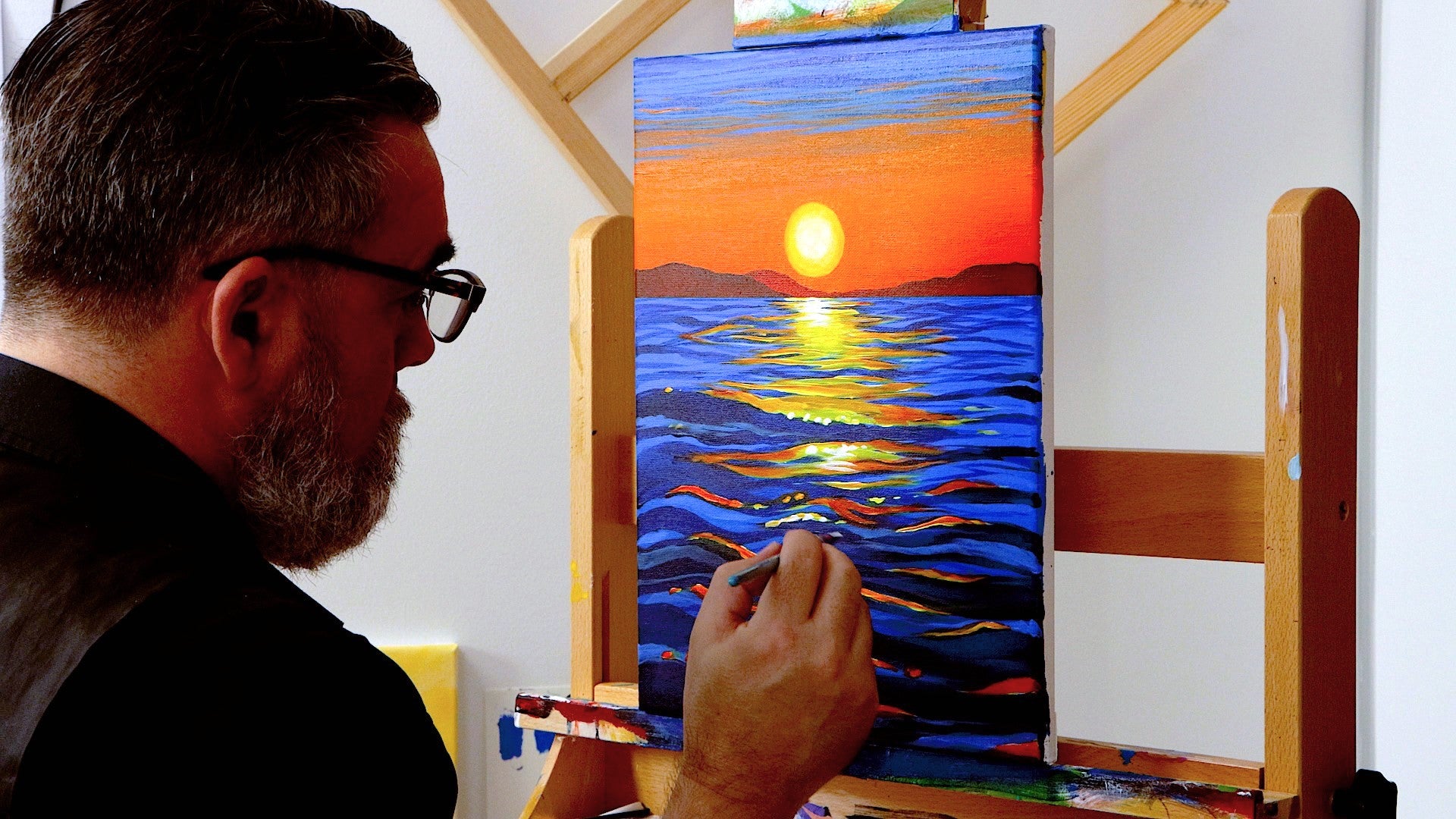
The horizon is the sunset’s focal point. Use bright colors like orange, pink, or yellow here. Keep edges soft to show distance. Add light reflections on water or land below. Highlighting the horizon creates warmth and focus. It draws the viewer’s eye naturally.
Incorporating Clouds And Sky Elements
Incorporating clouds and sky elements adds depth and beauty to sunset paintings. These details create a natural look and bring life to your artwork. Clouds can reflect warm colors and show the changing light of the setting sun. Painting the sky with soft gradients and shapes makes the scene more dynamic. Understanding how to paint clouds and sky helps capture the magic of sunsets.
Shaping Realistic Clouds
Start with soft, round shapes for the clouds. Use a dry brush or sponge to blend edges smoothly. Avoid sharp lines; clouds have soft borders. Layer different sizes and shapes to create variety. Paint some clouds bigger and others smaller for balance. Use white mixed with a little gray or pink to add color depth. This gives clouds a natural, fluffy look.
Using Light And Shadow
Observe how sunlight hits clouds during sunset. Light areas often have warm tones like orange or pink. Shadows appear as cooler colors, such as purple or blue. Paint light and shadow on clouds to give them volume. Use soft blending to show smooth transitions. Shadows add realism and make clouds look three-dimensional. This contrast brings your sunset to life.
Enhancing Atmospheric Effects
Atmospheric effects create a sense of distance in the sky. Use lighter, less detailed colors for clouds far away. Add subtle color shifts in the sky to show fading light. Blend colors gently to mimic air and mist. Use warm colors near the horizon and cooler tones higher up. This technique makes your sunset painting feel open and vast. It draws viewers into the scene.
Finishing Touches
Finishing touches bring your sunset painting to life. They add depth and make colors pop. This final step turns a simple painting into a vivid scene. Focus on small details and subtle effects. These last actions give your artwork a polished, professional look.
Refining Details
Look closely at your painting. Use a fine brush to sharpen edges and shapes. Add tiny highlights to clouds or sun rays. Light strokes can create texture in the sky. These small changes improve the overall balance.
Adding Reflections
Reflections create a sense of calm and space. Paint reflections of the sunset colors on water or wet surfaces. Use horizontal strokes with lighter shades. Blend gently for a smooth effect. This step adds realism and beauty.
Sealing Your Artwork
Sealing protects your painting from dust and damage. Choose a clear acrylic varnish for a lasting finish. Apply thin, even layers with a clean brush. Let each layer dry before adding the next. This preserves colors and enhances shine.
Common Mistakes To Avoid
Painting sunsets with acrylics can be fun and rewarding. Yet, beginners often make mistakes that affect their work. Knowing these common errors helps improve your painting skills. Avoid these pitfalls to create beautiful, vibrant sunsets with ease.
Overworking The Paint
Applying too much paint or blending too long can dull colors. Acrylics dry fast, so overworking can make the paint look muddy. Stop blending once the colors mix softly. Let some brush strokes show for texture and life.
Ignoring Color Balance
Sunsets have warm and cool colors in balance. Using too many warm tones like red and orange can make the painting feel flat. Add cooler colors like purple or blue to create depth. Check your colors often to keep harmony in your scene.
Rushing The Process
Painting too fast can cause mistakes and messy edges. Take your time with each layer and let the paint dry properly. Patience helps build smooth gradients and vibrant colors. Enjoy the process and watch your sunset come alive.
Credit: stepbysteppainting.net
Frequently Asked Questions
What Acrylic Colors Are Best For Painting Sunsets?
Use warm colors like cadmium red, orange, yellow, and pink. Blend these with purple and blue for depth. Choose high-quality acrylics for vibrant, lasting sunset paintings.
How Do I Blend Acrylics For Smooth Sunset Gradients?
Work quickly while paint is wet. Use a soft brush and small circular motions. Gradually mix colors on canvas for seamless transitions and natural sunset effects.
Can I Use Acrylic Mediums To Enhance Sunset Paintings?
Yes, acrylic mediums like glazing and retarder slow drying time. They help create smooth blends and richer colors in sunset scenes. Use them sparingly for best results.
What Brush Types Work Best For Sunset Paintings?
Flat and filbert brushes are ideal for broad strokes and blending. Use smaller round brushes for details. Soft synthetic brushes help achieve smooth gradients in sunset skies.
Conclusion
Painting sunsets with acrylics brings joy and creativity. Start with basic colors and blend gently for soft skies. Practice helps you improve color mixing and brush strokes. Keep your canvas clean and let layers dry well. Watch how light changes and use it in your art.
Most of all, enjoy each step and paint from your heart. Sunsets can inspire many beautiful paintings over time. Keep trying, and your skills will grow day by day.