Quick answer: To remove oil paint from brushes, wipe off as much paint as possible with a rag, swish the brush in odorless mineral spirits (or work it into a little safflower or linseed oil if you avoid solvents), then wash it with mild soap and lukewarm water until the lather runs clear. Reshape the tip and dry it flat. For paint that has already hardened, soak only the bristles in a brush restorer or a solvent such as mineral spirits for several hours, then comb the softened paint out and wash again.
Wet oil paint is easy to get out of a brush. Dried oil paint is a different story, because oil does not evaporate like water; it oxidizes into a tough, flexible film. That is why knowing how to remove oil paint from brushes quickly, before oxidation sets in, is the single best way to make your brushes last.
Below you will find a standard cleaning routine, a solvent-free method, a rescue plan for crusty brushes, and a troubleshooting table for the problems that show up most often. Good habits matter even more with budget-friendly oil brush sets, since a little care can make an inexpensive kit last for months.
Why Oil Paint Clings to Brushes
Oil paint is pigment bound in a drying oil, usually linseed, safflower or walnut. It does not dry by evaporation. Instead, the oil reacts with oxygen and slowly cross-links into a solid film. A thin layer can feel dry to the touch in a day or two, but thicker paint takes much longer.
Inside a brush, paint gets trapped where the bristles meet the ferrule, called the heel. That spot has little airflow, so paint there stays soft for a while, which gives you a window to clean it. Once it hardens, it glues bristles together and pushes them apart, producing the fanned, frizzy look of a ruined brush.
Water alone does nothing to oil paint. You need something that dissolves or loosens the oil binder: a solvent, more oil, or soap that emulsifies the oil so water can carry it away.
What You Need
- Lint-free rags or paper towels
- Odorless mineral spirits (OMS) or a gentler solvent alternative, or a jar of safflower or linseed oil for a solvent-free method
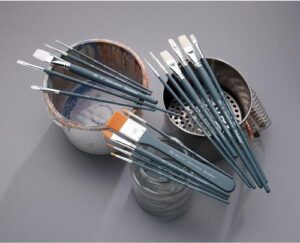
- A lidded jar with a coil or mesh screen at the bottom so sludge settles away from the bristles
- Mild bar soap, dish soap or a dedicated artist brush soap
- Lukewarm water (not hot)
- Optional: a brush comb, a textured silicone cleaning pad, nitrile gloves
Work in a ventilated room if you use solvents, and keep oily rags in a sealed metal container or soaked in water before disposal. Rags saturated with drying oils can heat up as they oxidize and, in rare cases, ignite.
How to Remove Oil Paint From Brushes: The Standard Method
This is the routine most oil painters use at the end of every session. It takes about two to three minutes per brush.
- Wipe out excess paint. Squeeze the bristles gently in a folded rag from heel to tip. Get as much color out as you can before any liquid touches the brush. The less paint you dissolve, the cleaner your solvent stays.
- Rinse in mineral spirits. Swish the brush in the jar, pressing it lightly against the screen so the bristles flex and release paint. Avoid grinding it into the bottom, which bends the bristles.
- Blot again. Wipe the brush on a clean part of the rag. Repeat the rinse and blot until the rag shows only a faint tint.
- Wash with soap. Wet the brush with lukewarm water, then work it into the soap, swirling in your palm. Color will appear in the lather.
- Massage the heel. Use your fingers to work soap gently near the ferrule, where paint hides. Keep the bristles moving in the direction they naturally lie.
- Rinse and repeat. Rinse under running water and repeat soaping until the lather stays white. Pale colors such as white or yellow can be deceptive, so check closely.
- Reshape. Squeeze out water and form the bristles back to their original shape with your fingertips.
- Dry properly. Lay the brush flat or stand it upright with the bristles in the air. Never store it bristles-down, and avoid leaving it upright with the head pointing up while still very wet, since water can run into the ferrule and loosen the glue over time.
How much solvent do you need?
Not much. A jar with roughly an inch or two of mineral spirits above the screen is enough for a session’s worth of brushes. Let used solvent sit covered; pigment sludge settles to the bottom over a day or two, and you can carefully pour the clearer liquid into a clean jar for reuse.
Solvent-Free Method Using Oil and Soap
If you are sensitive to solvent fumes, painting in a small room, or simply prefer to avoid them, you can clean oil brushes with vegetable-based drying oil and soap.
- Wipe off excess paint with a rag, just as before.
- Dip the brush in safflower or linseed oil and work it gently on a rag or the palette. The fresh oil dilutes and loosens the paint in the brush.
- Wipe again. Repeat oil and wipe until little color comes out.
- Wash thoroughly with soap and water. This step matters more here than with solvent, because leftover oil will dry and stiffen the brush. Wash until the lather is clean and the bristles no longer feel slick.
Some painters use baby oil or other non-drying oils for the loosening step because they will not harden if residue stays behind. If you do, wash especially thoroughly before your next session so the non-drying oil does not get into your paint film.
Cleaning Brushes Between Colors During a Session
You do not need a full soap wash every time you change colors. Wipe the brush on a rag, give it a quick swish in solvent or oil, and blot. That keeps mixtures clean without slowing you down.
A practical alternative is to keep separate brushes for lights and darks. Many painters work with six to ten brushes on the go and do a single thorough cleaning at the end. That approach also reduces how often each brush gets exposed to solvent.
How to Remove Dried Oil Paint From Brushes
If you forgot a brush overnight or found an old one stiff as a board, it is not necessarily lost. Success depends on how long the paint has been drying and how thick it is.
Paint dried for a day or two
- Soak only the bristles, not the ferrule, in mineral spirits or a commercial brush cleaner for 30 to 60 minutes.
- Work the bristles gently between your fingers to break up softened paint.
- Comb from heel to tip with a brush comb or an old fine-tooth comb.
- Wash with soap and water, then reshape.
Paint dried for weeks or longer
- Suspend the brush so only the bristles sit in a commercial brush restorer. Clip the handle to the side of the jar with a binder clip so the tips do not rest on the bottom.
- Leave it for several hours or overnight. Check periodically; some restorers work faster than others.
- Remove, wipe and comb out loosened paint. Repeat the soak if needed.
- Wash very thoroughly with soap and warm water to remove the restorer, which can leave residue.
- Reshape and dry. If the brush still has a hard core at the heel, use it for texture, scumbling or applying gesso rather than fine work.
Avoid using strong paint strippers or acetone on good natural-hair brushes. They can damage hair and dissolve the glue holding the bristles. Reserve aggressive chemicals for brushes you are prepared to lose.
Comparing Cleaning Agents
| Cleaning agent | How it works | Strengths | Watch out for |
|---|---|---|---|
| Odorless mineral spirits | Dissolves oil binder | Fast, reusable after settling, gentle on synthetics | Fumes; needs ventilation and safe disposal |
| Turpentine | Strong solvent | Very effective on stubborn paint | Strong odor; harsher on skin and natural hair |
| Citrus-based solvents | Plant-derived solvent | Pleasant smell for some people | Still a solvent; can irritate skin; oily residue |
| Safflower or linseed oil | Dilutes paint with fresh oil | No fumes, cheap, gentle | Must be washed out completely or brush stiffens |
| Bar or brush soap | Emulsifies oil so water can rinse it | Final cleaning and conditioning | Slow if used alone on heavily loaded brushes |
| Dish soap | Strong degreaser | Cuts oil quickly | Can dry out natural hair if used often |
| Commercial brush restorer | Softens hardened paint | Can rescue dried brushes | Read label; rinse thoroughly afterward |
Troubleshooting Common Brush Cleaning Problems
The bristles feel stiff after drying
Some oil or paint remains at the heel. Wash again with soap, paying attention to the area near the ferrule, and rinse longer.
The brush has splayed into a fan
Dried paint in the heel is pushing bristles apart, or the brush was stored bristles-down. Clean it thoroughly, then coat the damp bristles in a little soap, shape them, and let it dry. Rinse the soap out before painting. This “soap set” often restores a decent shape.
The ferrule is loose
Solvent or water has weakened the glue. Avoid soaking ferrules in future. You can sometimes fix a loose head with a drop of strong adhesive, but it will not be as reliable as the original.
White paint keeps reappearing
Titanium white is very opaque and shows up even in small amounts. Repeat the soap step until the lather is truly clean. It helps to clean your white brush first while the soap is fresh.
Hands are covered in paint
Wipe them with a rag and a bit of vegetable oil, then wash with soap. Many painters wear nitrile gloves to avoid skin contact with pigments and solvents.
Mistakes That Shorten Brush Life
- Leaving brushes in solvent. Resting on the bristles bends them, and long soaks loosen glue.
- Using hot water. Heat can expand the ferrule and soften glue. Lukewarm is safer.
- Skipping the wipe step. Going straight to solvent dirties it quickly and wastes it.
- Scrubbing hard against the jar. Aggressive pressure bends and breaks bristles.
- Pouring solvent down the drain. It is harmful to waterways. Let it settle, reuse the clear part, and take sludge to a hazardous waste facility.
Keeping Brushes in Good Shape Long Term
Clean brushes are only half the job. Natural hog bristle and sable benefit from occasional conditioning with an artist brush soap that contains conditioners, or a small amount of hair conditioner rinsed out well. Store dry brushes flat in a drawer or upright in a jar, bristles up, and keep them away from moths if they are natural hair.
Inexpensive brushes deserve the same care. Good habits can stretch a budget set over many months. When a brush finally loses its edge or point, demote it to rough work such as underpainting or texture and replace it. If you need replacements, our guide to inexpensive oil painting brush sets compares kits that hold their shape well relative to their price.
Cleaning Habits by Experience Level
New painters
Clean every brush fully at the end of each session, no exceptions. Use a lidded solvent jar with a screen and one bar of soap. Simple and consistent beats elaborate.
Regular painters
Keep a two-jar system: a “dirty” jar for the first rinse and a “clean” jar for the second. Rotate them as the dirty jar fills with sludge. This uses less solvent and gets brushes cleaner.
Painters avoiding solvents
Use safflower oil for rinsing during and after painting, and dedicate extra time to soap washing. Consider keeping brushes in a shallow tray of oil overnight only if you will paint the next day, then wash thoroughly before storage.
Related Reading
FAQs
Can you clean oil paint brushes with just soap and water?
Soap and water can clean a lightly loaded brush, especially if you wipe it thoroughly first. For heavily loaded brushes, a solvent or oil rinse first makes the job faster and gentler on the bristles.
What is the best thing to clean oil paint brushes with?
Most painters rely on odorless mineral spirits for the first rinse followed by soap and water. If you prefer to skip solvents, safflower or linseed oil followed by a thorough soap wash works well.
How do you soften a brush hardened with oil paint?
Suspend the bristles in mineral spirits or a commercial brush restorer for several hours, then comb out the loosened paint and wash with soap and water. Very old paint may need more than one soak.
Is it OK to leave oil brushes in mineral spirits overnight?
It is not ideal. Resting bristles on the bottom of a jar bends them, and long soaks can weaken ferrule glue. If you must, suspend the brush so the bristles hang freely.
Can I use dish soap to clean oil paint brushes?
Yes. Dish soap cuts through oil well. Rinse thoroughly and consider conditioning natural-hair brushes occasionally, since frequent dish soap can dry them out.
How do I dispose of dirty mineral spirits?
Let the jar sit covered until pigment settles, pour off the clear solvent for reuse, and let the sludge dry in a well-ventilated spot before taking it to a household hazardous waste facility. Never pour solvent down a drain.
Final Thoughts
Removing oil paint from brushes is mostly about timing and order: wipe, rinse, wash, reshape. Do it the same day and your brushes stay soft and sharp for a long time. If a brush is beyond saving, or you want a fresh kit that is easy on your budget, take a look at our picks for the best cheap brush sets for oil painting and replace only the shapes you actually use.