Acrylic paint is generally non-toxic, making it safe for most uses. However, some pigments may contain harmful substances.
Acrylic paint is a popular choice for artists and crafters due to its versatility and ease of use. It dries quickly, allowing for faster project completion. Non-toxic properties make it suitable for use in homes, schools, and studios. Despite its safety, always check labels for specific ingredients.
Some pigments may contain harmful substances like cadmium or cobalt. Proper ventilation is crucial when using large quantities or when airbrushing. Cleaning up with soap and water keeps the process simple. Acrylic paint offers vibrant colors and durability, making it a preferred medium for many creative projects.

Credit: canvasincommon.com
Introduction To Acrylic Paints
Acrylic paints are popular in art and craft projects. Artists love them for their vibrant colors and versatility. These paints are water-based, making them easy to use and clean. Are they safe? Let’s explore more about acrylic paints.
Composition Of Acrylic Paints
Acrylic paints consist of three main components:
- Binder: This holds the pigment together.
- Pigment: This gives the paint its color.
- Vehicle: This is the liquid part, usually water.
Acrylic paints may also have additives. These improve flow and texture. Some additives might be harmful if ingested.
| Component | Function |
|---|---|
| Binder | Holds pigment together |
| Pigment | Provides color |
| Vehicle | Liquid base, usually water |
Popularity In Art And Diy Projects
Acrylic paints are a favorite for many reasons:
- Quick Drying: They dry faster than oil paints.
- Versatility: Use them on paper, canvas, wood, or fabric.
- Easy Cleanup: Wash brushes and hands with water.
- Vibrant Colors: They offer bright and bold colors.
Kids, hobbyists, and professional artists all use acrylic paints. They are great for school projects and home decor. Their ease of use and cleanup makes them ideal for everyone.
Toxicity In Paints: A General Concern
Many people wonder, “Is acrylic paint toxic?” This question is important. Paints can contain harmful chemicals. These chemicals can affect health. Understanding paint toxicity is essential for safe use.
Historical Perspective On Paint Toxicity
Long ago, paints contained dangerous ingredients. Lead was a common component. Lead is very harmful. It caused many health issues. Children were especially at risk. Painters got sick from exposure. This led to changes in paint production.
Regulations And Standards For Paint Production
Today, paint production follows strict rules. Regulations ensure paints are safer. The government sets standards. These standards limit harmful chemicals. Manufacturers must follow these rules. This makes modern paints less toxic.
| Type of Paint | Toxic Components | Regulations |
|---|---|---|
| Oil-based | High VOCs, Lead | Strict Limits |
| Acrylic | Low VOCs | Moderate Limits |
| Watercolor | Minimal Toxins | Basic Safety |
Using safe paints is crucial. Acrylic paints are generally safer. Always check labels. Look for non-toxic certifications. This ensures you are using safe products.
Breaking Down Acrylic Paint Ingredients
Acrylic paint is popular for its vibrant colors and quick drying time. But what are the ingredients in acrylic paint? Let’s explore the components and their safety.
Pigments And Their Safety Profiles
Pigments give acrylic paint its color. These pigments can be natural or synthetic. The safety of pigments depends on their chemical makeup. Some pigments are harmless, while others can be toxic.
Natural Pigments:
- Derived from minerals or plants
- Generally safer for use
Synthetic Pigments:
- Created in laboratories
- May contain heavy metals like cadmium and cobalt
- Can be toxic if ingested or inhaled
| Type of Pigment | Safety |
|---|---|
| Natural | Mostly safe |
| Synthetic | Can be toxic |
Binders And Solvents: Potential Risks
Binders hold the pigment particles together. Common binders in acrylic paint are safe. These include acrylic polymer emulsion.
Common Binders:
- Acrylic polymer emulsion
- Non-toxic and water-based
Solvents are liquids that dissolve the binders and pigments. They help in mixing the paint. Some solvents can be harmful.
Common Solvents:
- Water: Safe and non-toxic
- Alcohol: Can cause irritation if inhaled
Always check the labels for safety information. Using proper ventilation helps reduce risks.
Health Implications Of Acrylic Paint Exposure
Acrylic paint is popular among artists for its versatility and vibrant colors. But is it safe? Understanding the health implications of acrylic paint exposure is crucial. This section delves into short-term and long-term health effects.
Short-term Exposure Risks
Short-term exposure to acrylic paint can cause minor health issues. These include:
- Skin Irritation: Prolonged contact can cause redness and itching.
- Eye Irritation: Paint splashes can irritate the eyes.
- Respiratory Issues: Inhaling fumes may lead to headaches and dizziness.
Wearing gloves and using a mask can reduce these risks.
Long-term Health Effects
Repeated exposure to acrylic paint may lead to more serious health problems. Possible effects include:
- Allergic Reactions: Some people develop allergies to acrylic compounds.
- Chronic Respiratory Problems: Long-term inhalation of fumes can harm the lungs.
- Environmental Concerns: Improper disposal can harm the environment.
To mitigate long-term risks, work in a well-ventilated area and use protective gear.
| Health Issue | Short-term Exposure | Long-term Exposure |
|---|---|---|
| Skin Irritation | Redness, Itching | Possible Allergies |
| Eye Irritation | Redness, Watering | Chronic Issues |
| Respiratory Issues | Headaches, Dizziness | Chronic Respiratory Problems |
Understanding both short-term and long-term effects helps in using acrylic paint safely. Always prioritize safety to enjoy your painting experience.
Safety Measures For Using Acrylic Paints
Acrylic paints are popular for their vibrant colors and versatility. But safety is important while using them. Taking some precautions can ensure a safe painting experience.
Ventilation And Protective Gear
Ensure good ventilation in your painting area. Open windows or use fans to keep air flowing. This helps to reduce the inhalation of any fumes.
Wear the right protective gear. Gloves protect your skin from direct contact. Goggles keep paint out of your eyes. An apron or old clothes protect your body from splashes.
Best Practices For Minimizing Risk
Follow these best practices to minimize risk:
- Store paints out of reach of children and pets.
- Clean brushes and tools in a designated area.
- Wash your hands after painting.
- Dispose of paint waste properly.
- Read and follow the instructions on paint labels.
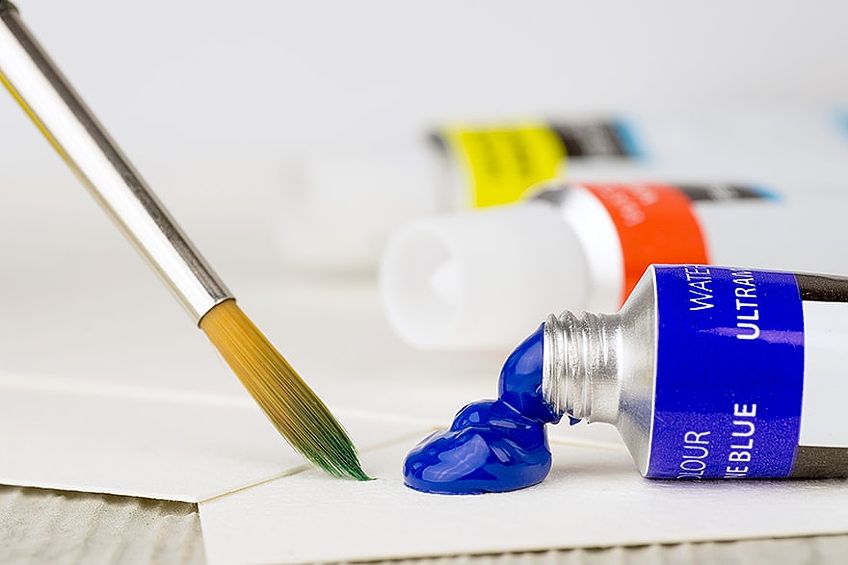
Credit: artincontext.org
Disposal And Environmental Concerns
Acrylic paint is popular for its versatility and vibrant colors. But improper disposal can harm the environment. Knowing how to dispose of acrylic paint waste responsibly is crucial. This will help protect our ecosystems from potential damage.
Proper Disposal Of Acrylic Paint Waste
Never pour acrylic paint down the drain. It can cause blockages and pollute water. Here are some safe disposal methods:
- Dry out leftover paint. Use cat litter or sand to absorb the liquid.
- Seal the dried paint in a plastic bag.
- Dispose of the sealed bag in your household trash.
- Recycle empty paint containers if possible.
Local waste management centers often accept paint waste. Check your local guidelines for specific instructions. Always follow these steps to ensure safe disposal.
Impact On Ecosystems
Improper disposal of acrylic paint can harm wildlife. The chemicals in paint can contaminate soil and water sources. This impacts plants and animals. Microplastics from acrylic paint can enter waterways and oceans. These tiny particles harm marine life.
Birds and fish can ingest paint particles. This can lead to serious health issues. Acrylic paint can also disrupt the natural balance of ecosystems. Proper disposal helps prevent these negative effects.
Consider using eco-friendly paint options. These are safer for the environment and reduce harmful impact. By being mindful of paint disposal, we can protect our planet.
| Disposal Method | Steps |
|---|---|
| Drying Out | Use cat litter or sand, then seal in a bag. |
| Recycling | Recycle empty containers at local centers. |
| Local Waste Centers | Check guidelines for paint waste disposal. |
By understanding these methods, we can make a positive impact. Let’s work together to keep our environment safe and clean.
Myths Vs. Facts: Setting The Record Straight
Many people wonder about the safety of acrylic paint. There are numerous myths and misconceptions. This section aims to set the record straight with clear facts supported by scientific evidence.
Common Misconceptions
There are several common misconceptions about acrylic paint. These myths often lead to confusion and unnecessary worry.
- Myth: Acrylic paint is highly toxic.
- Fact: Most acrylic paints are non-toxic.
- Myth: You need special ventilation when using acrylic paint.
- Fact: Normal room ventilation is usually sufficient.
- Myth: Acrylic paint can cause severe skin reactions.
- Fact: It is generally safe for skin contact.
Scientific Evidence On Acrylic Paint Toxicity
Scientific studies provide clear information about acrylic paint toxicity. These studies help dispel common myths and provide a better understanding of its safety.
| Aspect | Scientific Evidence |
|---|---|
| Ingredients | Most acrylic paints contain non-toxic ingredients. |
| Ventilation | Normal room ventilation is adequate for most uses. |
| Skin Contact | Acrylic paint is usually safe for skin contact. |
| Inhalation | Inhalation risks are minimal with standard use. |
These points highlight the general safety of acrylic paints. Always check the label for specific safety information. Using acrylic paint responsibly ensures a safe and enjoyable experience.

Credit: www.amazon.com
Conclusion: Responsible Use Of Acrylic Paints
Understanding the potential toxicity of acrylic paints is crucial. Proper handling ensures a safe and enjoyable painting experience. By following guidelines, you can balance creativity and safety.
Balancing Creativity And Safety
Always read the labels on acrylic paint tubes. Look for non-toxic certifications. Set up a well-ventilated workspace. This reduces the risk of inhaling fumes.
- Wear gloves to protect your skin.
- Use masks if you’re sensitive to fumes.
- Keep paints out of reach of children and pets.
Dispose of paint waste properly. Never pour it down the drain. This protects the environment. Clean brushes and tools with soap and water. Avoid harsh chemicals.
Future Directions In Paint Formulations
Innovations in paint formulations are ongoing. Manufacturers focus on safer ingredients. They aim to reduce harmful chemicals in paints.
| Current Focus | Future Goals |
|---|---|
| Reducing VOCs | Eliminating VOCs |
| Increasing non-toxic options | 100% non-toxic paints |
Stay informed about new product developments. Choose eco-friendly paints. This supports a healthier planet.
Remember, responsible use of acrylic paints combines creativity and safety. Stay informed, follow guidelines, and enjoy your art safely.
Frequently Asked Questions
Is Acrylic Paint Safe For Kids?
Yes, acrylic paint is generally safe for kids. Choose non-toxic, water-based options to ensure safety. Always supervise painting activities.
Is Acrylic Paint Toxic To Pets?
Acrylic paint can be toxic to pets if ingested. Keep it out of their reach to ensure safety. Always use pet-safe products for any projects involving pets.
Is Acrylic Bad To Breathe In?
Breathing in acrylic fumes can be harmful. Proper ventilation and protective masks are essential when working with acrylic materials.
Can You Use Acrylic Paint Indoors?
Yes, you can use acrylic paint indoors. Ensure proper ventilation to avoid inhaling fumes. Acrylic paint dries quickly and is water-based, making it a safe choice for indoor projects.
Is Acrylic Paint Safe For Kids?
Acrylic paint is generally safe for kids but choose non-toxic, child-friendly versions.
Can Acrylic Paint Cause Health Problems?
Inhaling fumes or ingesting acrylic paint can cause health issues. Always use in well-ventilated areas.
Is Acrylic Paint Safe For Skin?
Acrylic paint is not recommended for skin as it can cause irritation and allergic reactions.
What Are The Toxic Ingredients In Acrylic Paint?
Some acrylic paints contain harmful chemicals like formaldehyde and ammonia. Check labels for non-toxic options.
Conclusion
Acrylic paint is generally safe for most users with proper ventilation. Always check labels for safety guidelines. Opt for non-toxic brands to minimize risks. Use protective gear if you’re sensitive to chemicals. Enjoy your creative projects with peace of mind.
Your safety and health should always come first when painting.