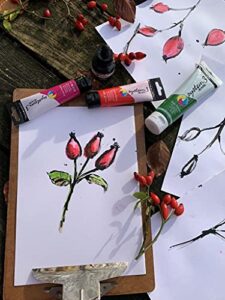
Paint thinner can effectively dilute acrylic paint. It also helps clean brushes and surfaces stained by acrylics.
Acrylic paint is a popular choice for artists due to its versatility and quick drying time. To achieve different textures and effects, artists often need to thin the paint. Paint thinner is a useful tool for this purpose. It not only dilutes the acrylic paint but also makes it easier to clean brushes and other painting tools.
Using paint thinner correctly can enhance the quality of your artwork. It allows for smoother application and more precise control over the paint’s consistency. Always follow safety guidelines when using paint thinner to ensure a safe and efficient painting process.

Credit: m.youtube.com
The Essentials Of Paint Thinner Of Acrylic Paint
Acrylic paint is a versatile medium loved by artists worldwide. It dries quickly and is water-resistant once dry. This makes it a favorite in various artistic practices.
Composition And Characteristics
Acrylic paint consists of pigment suspended in an acrylic polymer emulsion. This unique composition gives it several key characteristics:
- Fast Drying: Acrylic paint dries within minutes.
- Water-Based: Easy to clean with water before it dries.
- Durable: Once dry, it becomes water-resistant and long-lasting.
- Flexible: Can be applied to various surfaces like canvas, wood, and paper.
Artists can also mix acrylic paint with various mediums. This alters its texture and drying time.
Popularity In Artistic Practices
Acrylic paint is popular for many reasons. Here are some key points:
| Reason | Details |
|---|---|
| Versatility | Works on different surfaces like canvas, paper, and wood. |
| Vibrant Colors | Offers bright and bold colors that retain their brilliance. |
| Layering | Allows easy layering due to fast drying time. |
| Mixability | Can be mixed with water or other mediums for varied effects. |
Artists also enjoy the control acrylic paint offers. It allows for both detailed and broad strokes. This makes it suitable for different art styles.
Role Of Paint Thinner In Acrylics
Paint thinner plays a crucial role in acrylic painting. It helps artists achieve varied effects and textures. This versatile tool can transform the consistency and appearance of acrylic paints. Understanding its role can significantly enhance your painting experience.
Thinning For Translucent Effects
To create translucent effects, paint thinner is essential. It reduces the opacity of the paint, allowing underlying layers to show through. This technique is popular for glazing and layering.
Here’s a simple process to achieve this:
- Mix a small amount of thinner with your acrylic paint.
- Stir until the mixture is smooth and even.
- Apply in thin layers for best results.
Enhancing Flow And Spreadability
Paint thinner also improves the flow and spreadability of acrylics. It makes the paint smoother and easier to work with. This is especially useful for detail work and large areas.
| Benefit | Description |
|---|---|
| Smoother Application | Paint glides on the canvas effortlessly. |
| Better Control | Artists can control the paint flow better. |
| Even Coverage | Ensures paint covers large areas uniformly. |
Follow these steps to enhance flow:
- Add a few drops of thinner to your paint.
- Mix thoroughly until you reach the desired consistency.
- Apply with a brush or palette knife.
Types Of Paint Thinners
Choosing the right paint thinner for acrylic paint can enhance your artwork. Different thinners offer unique benefits. Let’s explore the various types.
Water: The Universal Thinner
Water is the simplest and most common thinner for acrylic paint. It’s easy to use and readily available. Simply mix a small amount of water with your paint. This will make the paint more fluid and easier to apply.
Pros:
- Non-toxic
- Cheap and accessible
- Easy clean-up
Cons:
- May dilute color intensity
- Can weaken paint film
Commercial Acrylic Mediums
Commercial acrylic mediums are designed specifically for acrylic paints. They offer a range of effects, from gloss to matte finishes. These mediums maintain the paint’s integrity better than water.
Types of Acrylic Mediums:
| Type | Effect |
|---|---|
| Gloss Medium | Adds shine and enhances color |
| Matte Medium | Reduces shine and gives a flat finish |
| Gel Medium | Thickens paint without losing color |
Diy Alternatives
Sometimes, household items can serve as effective paint thinners. These alternatives can be budget-friendly and easily accessible.
Common DIY Alternatives:
- Rubbing Alcohol: Speeds up drying time and thins paint.
- Vinegar: Provides a mild thinning effect.
- Acrylic Retarder: Slows drying time for better blending.
Each DIY option has its benefits and drawbacks. Always test a small amount first to ensure compatibility with your paint.

Credit: www.youtube.com
Maximizing Creative Expression
Paint thinner for acrylic paint can transform your art. It allows for unique effects and styles. This tool can help you push your creative limits. Learn how to use it to enhance your work.
Experimenting With Consistency
Experimenting with consistency brings new textures and finishes. Thinning acrylic paint changes how it behaves. It can become more fluid or transparent.
- For fluid art, use more thinner.
- For a glaze effect, add a small amount.
Try different ratios to find what works best. Each mixture can create a unique look. Keep notes on your experiments for future reference.
Layering Techniques
Layering techniques can add depth and dimension. Thinned acrylic paint is great for this. It dries quickly, allowing multiple layers.
- Start with a thin base layer.
- Let it dry completely.
- Apply another thin layer with a different color.
Use a soft brush for smooth transitions. The thin layers will let light pass through. This creates a glowing effect in your painting.
| Technique | Result |
|---|---|
| Fluid Art | Flowing, abstract shapes |
| Glazing | Transparent color layers |
| Layering | Depth and dimension |
Best Practices For Using Thinners
Using paint thinners for acrylic paint can be tricky. Proper techniques ensure smooth, beautiful results. Here, we cover the best practices for using thinners.
Proportion Guidelines
Getting the right ratio is crucial. Too much thinner can ruin your paint. Follow these simple guidelines:
- 1 part thinner to 3 parts paint for a smooth finish.
- 1 part thinner to 5 parts paint for a thicker layer.
- Test small batches before large applications.
Mixing Techniques
Mixing the thinner and paint correctly is important. Use these techniques to ensure an even mix:
- Pour the thinner into a clean container.
- Add the acrylic paint slowly.
- Stir gently with a wooden stick or plastic spatula.
- Check for consistency and add more thinner if needed.
Always mix in a well-ventilated area. Wear protective gear like gloves and masks to stay safe.
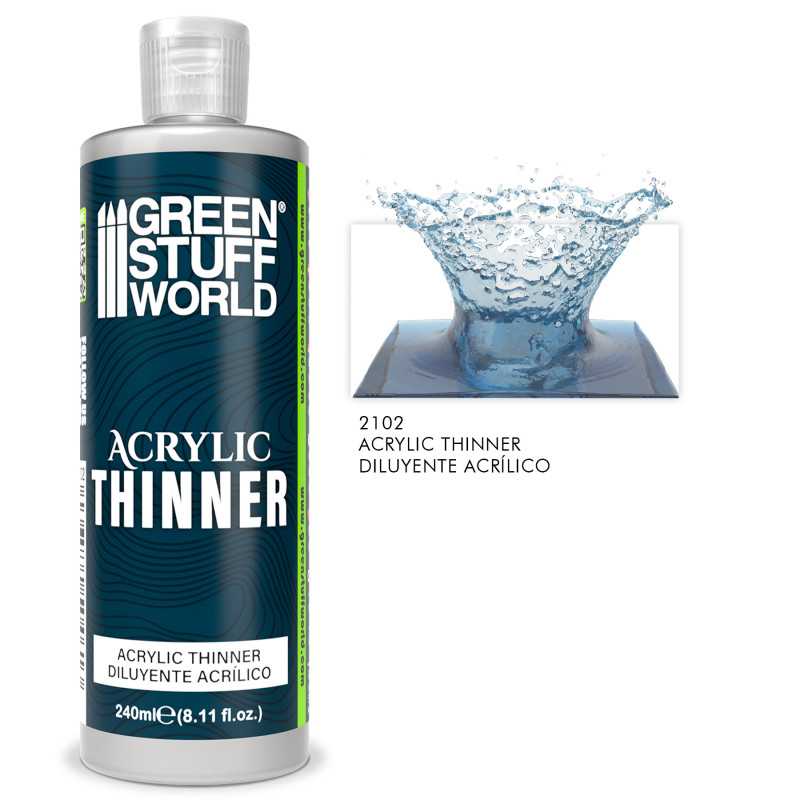
Credit: www.greenstuffworld.com
Safety And Ventilation
Using paint thinner for acrylic paint needs care. Safety and ventilation are key. Proper handling prevents accidents. Ventilated spaces reduce risks.
Handling Chemical Thinners
Chemical thinners can be dangerous. Always read the label first. Use gloves to protect your skin. Wear goggles to protect your eyes. Keep thinners away from children.
- Read the label: Always check the instructions.
- Wear gloves: Prevent skin contact.
- Use goggles: Protect your eyes.
- Keep away from children: Store in a safe place.
Ensuring A Safe Art Space
Your art space should be safe and ventilated. Open windows for fresh air. Use fans to circulate air. Avoid sparks and flames near thinners. Keep a fire extinguisher handy.
- Open windows: Allow fresh air to enter.
- Use fans: Circulate air effectively.
- Avoid sparks: Keep away from flames.
- Fire extinguisher: Be prepared for emergencies.
| Safety Tips | Details |
|---|---|
| Read the label | Follow the instructions provided. |
| Wear gloves | Protect your skin from chemicals. |
| Use goggles | Shield your eyes from splashes. |
| Open windows | Ensure proper ventilation. |
| Use fans | Improve air circulation. |
| Avoid sparks | Keep away from open flames. |
| Fire extinguisher | Be ready for emergencies. |
Impact Of Thinning On Drying Time
Thinning acrylic paint changes its drying time. Acrylic paint dries fast. Thinning affects this speed. Let’s explore how it works.
Speeding Up The Process
Using paint thinner can speed up drying time. Thinner makes the paint layer thinner. This helps the paint dry faster. Here are some tips:
- Use less paint on the brush.
- Apply thin coats of paint.
- Work in a warm, dry area.
Thin layers dry quickly. This helps complete projects faster. It’s great for quick art pieces or urgent work.
Controlling Drying Phases
Thinning paint also helps control drying phases. Artists can manage drying times better. This allows for more precision in their work.
Here’s how to control drying phases:
- Mix the right amount of thinner with paint.
- Test the mixture on a small area.
- Adjust as needed for desired drying time.
A table can help understand the effects:
| Thinner Amount | Drying Time |
|---|---|
| 10% Thinner | 15 Minutes |
| 20% Thinner | 10 Minutes |
| 30% Thinner | 5 Minutes |
Using thinner wisely helps control each drying phase. This makes artwork look better. It also helps avoid mistakes.
Preservation Of Thinned Artworks
Using paint thinner for acrylic paint can enhance your artwork. Proper preservation ensures your masterpiece lasts longer. Thinning acrylic paint helps in achieving fine details. But, the preservation of these artworks is crucial.
Longevity Of Paintings
To ensure the longevity of paintings, follow a few steps. Thinned acrylic paintings need proper care. Store your paintings in a cool, dry place. Avoid direct sunlight to prevent fading. Humidity can damage the artwork, so control the environment.
- Store in a cool, dry place
- Avoid direct sunlight
- Control humidity levels
Use acid-free materials for storage. This prevents chemical reactions. Acrylic paintings are durable but still need care. Proper preservation techniques keep them vibrant.
Protective Coatings And Varnishes
Applying protective coatings and varnishes is essential. These protect the painting’s surface. Varnish adds a protective layer. It shields the paint from dust and UV rays. Use a UV-resistant varnish for extra protection.
| Type of Varnish | Benefits |
|---|---|
| Glossy Varnish | Enhances colors and adds shine |
| Matte Varnish | Reduces glare and gives a flat finish |
| UV-Resistant Varnish | Protects against sunlight |
Apply the varnish in thin layers. Allow each layer to dry completely. This ensures even coverage. Always use a clean brush or spray. Proper application of varnish extends the painting’s life.
Frequently Asked Questions
What Is A Substitute For Acrylic Paint Thinner?
Water can substitute for acrylic paint thinner. It dilutes the paint and cleans brushes effectively. Rubbing alcohol also works well.
How Do You Thin Acrylic Paint That Is Too Thick?
To thin acrylic paint, add water or acrylic medium gradually. Mix thoroughly until the desired consistency is achieved.
Will Paint Thinner Take Off Acrylic?
Yes, paint thinner can remove acrylic paint. Apply it carefully to avoid damaging the surface underneath.
Can I Thin Acrylic Paint With Alcohol?
Yes, you can thin acrylic paint with alcohol. Alcohol accelerates drying and can affect paint consistency. Use sparingly for best results.
What Is Paint Thinner For Acrylic Paint?
Paint thinner for acrylic paint is a solvent that dilutes the paint, making it easier to apply and clean up.
Can I Use Water As A Paint Thinner?
Yes, water can thin acrylic paint. It alters consistency but maintains paint properties.
How Much Thinner Should I Use?
Use small amounts of thinner. Gradually add until the desired consistency is achieved.
Does Thinner Affect Paint Drying Time?
Yes, thinners can speed up or slow down the drying time of acrylic paint.
Conclusion
Choosing the right paint thinner for acrylic paint ensures smooth application and vibrant results. Remember to prioritize quality and compatibility. Always follow safety guidelines when using these products. Experiment with different brands to find your perfect match. With the right tools, your acrylic painting experience can be both enjoyable and successful.