
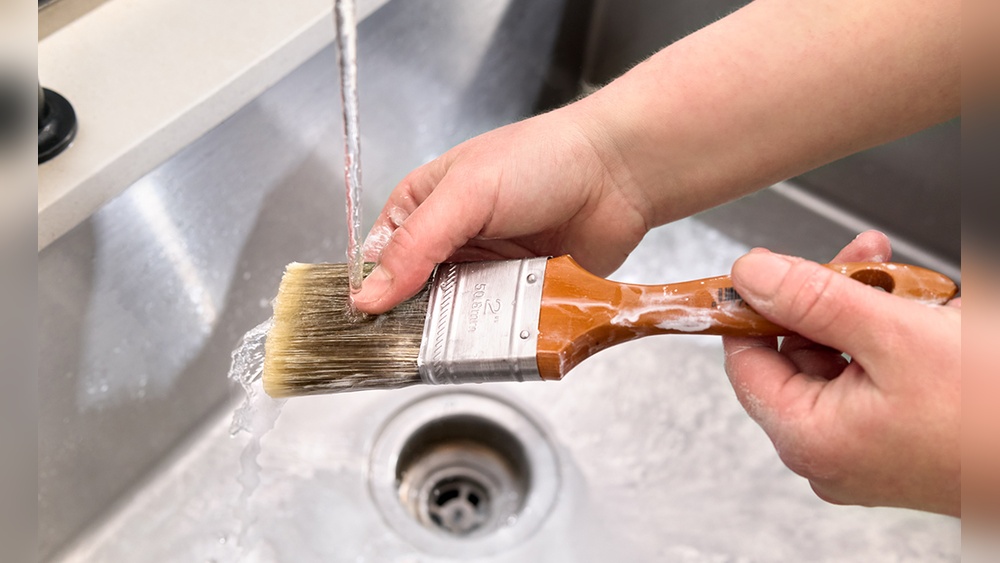
Quick answer: To clean up paint brushes, first match the cleaner to the paint: water and mild soap for watercolor, gouache and acrylic; a solvent or vegetable oil followed by soap for oil paint. In every case, wipe excess paint off first, wash from the ferrule toward the tip until the lather runs clear, reshape the hair with your fingers and dry the brush flat. Never leave brushes standing in water or solvent.
Most painters own brushes for more than one medium, and the clean-up rules change depending on what is in the bristles. A routine that works perfectly for watercolor can leave an oil brush gummy, and a quick water rinse that is fine for gouache will slowly ruin an acrylic brush. This guide puts every common art medium in one place so you can clean up paint brushes properly no matter what you painted with today.
You will find a quick medium-by-medium chart, a universal five-step routine, special care for sable, detail and miniature brushes, fixes for stiff brushes, and a simple clean-up kit to keep by your sink.
First, Identify What Is in the Brush
The single most important clean-up decision is choosing the right cleaner for the paint.
| Paint | Dissolves in | Primary cleaner | Urgency |
|---|---|---|---|
| Watercolor | Water (always rewettable) | Clean water, then mild soap | Low; does not set permanently |
| Gouache | Water (rewettable) | Water, then mild soap | Low to moderate |
| Acrylic gouache | Water while wet only | Water and soap immediately | High; dries water-resistant |
| Acrylic | Water while wet only | Water and soap immediately | High; dries into plastic |
| Oil | Solvents or oils | Mineral spirits or vegetable oil, then soap | Moderate; hardens over a day or more |
| Water-mixable oil | Water and soap | Soap and water | Moderate |
| Acrylic ink | Water while wet only | Water and soap immediately | High |
| Masking fluid | Not water once dry | Soap before and after use; rinse often | Very high |
If you are unsure, check the paint label. Anything described as permanent or water-resistant when dry should be cleaned right away.
How to Properly Clean a Brush: The Universal 5-Step Routine
These five steps apply to every medium; only the first wash liquid changes.
- Wipe. Squeeze excess paint out with a paper towel or rag, from the ferrule toward the tip. This removes most of the paint and keeps your rinse water or solvent cleaner.
- First wash. Rinse in water for water-based paints, or swish in mineral spirits or vegetable oil for oil paint. Swirl gently; do not grind the tip into the bottom of the container.
- Soap wash. Lather the brush on a bar of mild soap or brush soap, then work the lather through the hair with your fingertips. Concentrate on the heel near the ferrule, where paint hides.
- Rinse and check. Rinse under lukewarm water. Repeat the soap wash until the lather is white or only faintly tinted by staining pigments.
- Reshape and dry. Press out water with a towel, shape the hair to a point or edge with your fingers and lay the brush flat or hang it tip-down to dry.
Well-made brushes return to shape after washing much more reliably than cheap ones. If yours stay splayed despite a good routine, our guide to the best paint brushes for clean, controlled strokes can help you find replacements that last.
Cleaning Brushes by Medium
Watercolor brushes
Watercolor never becomes fully permanent, so clean-up is forgiving. Rinse in clean water during and after painting, then wash gently with mild soap at the end of the session to remove pigment from the heel. Natural hair watercolor brushes are delicate, so avoid harsh detergents and hot water.
Gouache brushes
Traditional gouache rewets like watercolor, but its higher pigment load and fillers can build up near the ferrule. Rinse well and give brushes a soap wash after every session. If you use acrylic gouache, clean it like acrylic: immediately and thoroughly.
Acrylic brushes
Acrylic must be cleaned before it dries. Keep brushes damp while painting, rinse often, lay them flat on a damp towel during pauses, and do a full soap wash at the end of each session.
Oil brushes
Wipe thoroughly, rinse in odorless mineral spirits or work the paint out with vegetable oil, then wash with soap and water until no oil remains. Dispose of oily rags safely, since rags with drying oils can self-heat; lay them flat outdoors or store them in a sealed metal container with water.
Ink and masking fluid
Acrylic and India inks can dry permanently in a brush. Rinse often and wash immediately. For masking fluid, coat the damp brush in soap before dipping, rinse every minute or two while working and wash immediately when done. Many artists keep a dedicated old brush or a silicone tool for masking fluid.
How to Clean Sable Brushes
Sable brushes are prized for their spring and point, and they need gentle handling.
- Use lukewarm water and a mild soap or brush soap.
- Avoid harsh detergents and strong solvents where possible.
- Do not scrub the tip against the palette or jar.
- Condition occasionally with a small amount of hair conditioner, rinsed out fully.
- Reshape to a fine point after each wash.
- Store dry brushes in a container with airflow and a moth deterrent, such as cedar.
How to Clean Detailing Brushes and Miniature Paint Brushes
Detail and miniature brushes have very small heads that can be ruined by paint creeping into the ferrule.
- Load only the tip. Keep paint on the front third of the hair.
- Rinse frequently. Small brushes dry out fast; rinse every few minutes.
- Clean gently. Swirl the tip lightly on a bar of brush soap and work it in your palm with very light pressure.
- Rinse and reshape. Form a fine point using your fingers.
- Dry flat. Protect the tip with a loose-fitting sleeve once dry, if you have one that does not catch the hairs.
Many miniature painters keep cheaper brushes for drybrushing and metallic paints, which wear brushes out quickly, and reserve their best brushes for fine details.
How to Clean a Round Brush Without Losing Its Point
Round brushes are the most common casualties of poor clean-up because their point depends on every hair lying together. After washing, gently squeeze the hair between your thumb and finger and roll it as you draw toward the tip. For stubborn rounds, some painters dip the clean hair into a little diluted gum arabic or leave a thin film of soap in it to hold the point while drying, then rinse it out before the next session.
How to Clean Paint Brushes That Are Stiff
| Cause of stiffness | Fix |
|---|---|
| Dried acrylic | Soak only the hair in rubbing alcohol or a brush restorer, comb out softened paint, then wash with soap |
| Dried oil paint | Soak the hair in vegetable oil or a brush restorer, work the paint out, then wash thoroughly with soap |
| Leftover soap or gum arabic | Rinse in lukewarm water until the hair moves freely |
| Watercolor or gouache buildup | Soap wash, leave lather in for 10 minutes, then rinse |
| Masking fluid | Work soap into the hair and roll rubbery bits off with fingers; may not be recoverable |
Always keep the ferrule out of solvents and soaks when possible, since liquid inside the ferrule weakens the glue.
Clean-Up Habits That Save Time Later
The easiest brushes to clean are the ones that never got overloaded in the first place. A few habits while you paint make the final clean-up much shorter.
- Dampen before painting. For water-based media, a damp brush keeps paint from wicking up into the ferrule. For oils, a brush lightly conditioned with oil does the same.
- Mix with a palette knife. Mixing piles of paint with a brush forces color deep into the heel.
- Rinse as you go. A quick rinse every few minutes prevents a layer of half-dried paint from building up, especially with acrylic.
- Retire brushes as you finish with them. Clean each brush when you are done with it during the session rather than leaving a jar of dirty brushes for the end.
- Keep separate brushes for each medium. Using one set for acrylic and another for watercolor avoids acrylic residue affecting how watercolor brushes hold water.
Cleaning Up After a Mixed-Media Session
If you used several media in one session, for example watercolor washes with acrylic ink details and gouache highlights, clean the brushes in order of urgency. Start with any brush used for acrylic, acrylic ink or masking fluid, since those set permanently. Next, clean brushes used for gouache, then watercolor brushes, which are the most forgiving. If oil paint was involved, keep oil brushes separate and clean them with oil or solvent first, so no oily residue ends up in your water jars. Sorting brushes this way prevents the classic mistake of finishing the easy watercolor brushes first while an acrylic brush hardens in the jar.
Building a Brush Clean-Up Kit
A small kit near your sink makes clean-up quicker and more consistent.
- Two water jars (dirty rinse and clean rinse)
- A bar of brush soap or mild soap
- Paper towels or rags
- A brush comb for larger brushes
- A brush rest or rack for drying flat or tip-down
- For oil painters: a lidded solvent jar with a coil, or a dish for vegetable oil, and a metal can for rags
- A small jar of rubbing alcohol or brush restorer for emergencies
Some art brands sell complete brush clean-up kits that bundle soap, conditioner and a washer; these can be convenient but are not required.
Common Clean-Up Mistakes
- Leaving brushes standing in water or solvent
- Using hot water, which can loosen glue and bend synthetic hair
- Skipping the soap stage after a solvent rinse
- Drying wet brushes upright, letting water run into the ferrule
- Using expensive brushes for masking fluid or mixing paint
- Storing damp brushes in sealed cases
For an example of synthetic brushes that are designed to handle frequent washing across mediums, see our Princeton synthetic brush review.
Drying and Storing Clean Brushes
Once washed, brushes should dry flat or tip-down so water drains away from the ferrule. When fully dry, store them upright in a jar with handles down, flat in a drawer, or in a brush roll for travel. Keep natural hair brushes away from moths with cedar or lavender and some airflow. Check stored brushes every few months.
If you only remember one rule from this guide, make it this: never let paint dry in the heel of a brush. Almost every ruined brush can be traced to paint that crept up to the ferrule and hardened there. Wipe first, wash promptly, and your brushes will keep their shape far longer than you might expect.
FAQs
How do you clean a brush after painting?
Wipe off excess paint, rinse in the right liquid for your paint (water for water-based, solvent or oil for oil paint), wash with soap until the lather is clear, rinse, reshape and dry flat.
How do you clean sable brushes without damaging them?
Use lukewarm water and a mild soap, work gently from the ferrule to the tip, rinse thoroughly, reshape to a point and dry flat. Avoid hot water and harsh detergents.
How do you clean miniature paint brushes?
Keep paint on the tip only, rinse frequently while painting, wash gently with brush soap in your palm, reshape the point and dry the brush flat.
What is the best soap for cleaning paint brushes?
A dedicated brush soap or a mild, unscented bar soap is a good choice for most brushes. Dish soap is effective for oil and acrylic residue but can dry natural hair.
How do you clean paint brushes that are stiff?
Identify the cause first. Dried acrylic responds to rubbing alcohol or brush restorer; dried oil paint to oil or restorer soaks; leftover soap or gum arabic simply needs rinsing.
Can I use the same cleaning method for all brushes?
The basic routine is the same, but the first wash liquid depends on the paint. Water-based paints need water and soap; oil paint needs solvent or oil before soap.
Final Thoughts
Clean-up is easiest when you match the cleaner to the paint, wipe brushes before washing and finish with soap and a careful reshape. These habits work across watercolor, gouache, acrylic and oil, and they keep brushes performing for years. When it is time to refresh your collection, compare our picks for top-rated artist brushes across every medium.




