Quick answer: Paint by number is not difficult. It is one of the most beginner-friendly crafts because the canvas is pre-printed with numbered shapes and each number matches a paint color. The challenge is patience, not skill: small shapes, tiny details, and long sessions test your focus more than your talent. Choose a kit with fewer, larger sections to keep it relaxed.
Many people hesitate before trying paint by number because they assume they “can’t paint.” That worry misses what the kit does for you. The drawing, color choice, and composition are already done. Your job is to fill in the spaces, one at a time, with the matching color.
That said, kits vary a lot. A large-block floral is quite different from a 50-color city skyline with microscopic shapes. This guide explains where the real difficulty lies, what affects it, and how to pick and finish a kit without frustration. If you are shopping for something seasonal or gift-oriented, the roundup of paint by numbers kits for Valentine’s Day includes romantic themes at several difficulty levels.
What Is Paint by Numbers for Adults?
If you are asking what is paint by numbers for adults, it is the same basic idea as the children’s activity but with more detailed images and more refined materials. A typical adult kit includes:
- A canvas or board printed with outlines of shapes, each labeled with a number.
- Small pots or tubes of paint, each numbered to match a section.
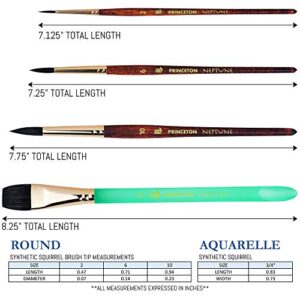
- A few brushes in different sizes.
- A reference sheet showing the finished picture.
Adults typically choose it for relaxation, screen-free time, or as a gentle way into painting. Because the image is already planned, it removes the biggest barrier to starting: not knowing what or how to paint.
So, Is Paint by Number Difficult?
For most people, the answer is no, but it depends on what you mean by difficult. Break it into three types.
Skill difficulty: low
You do not need to draw, mix colors, or understand perspective. If you can hold a brush and match a number, you can complete a kit. Basic brush control, such as keeping paint inside lines, improves quickly with practice.
Precision difficulty: medium for detailed kits
Tiny shapes demand a steady hand and a small brush. Kits with hundreds of fine sections, narrow lines, or numbers printed small can strain eyes and patience.
Time and focus difficulty: varies
A large, detailed canvas can take many hours spread across days or weeks. People often underestimate this and lose motivation halfway. Choosing a size you can finish is the best way to avoid abandoned projects.
What Makes One Kit Harder Than Another
| Factor | Easier | Harder |
|---|---|---|
| Number of colors | 12 to 24 | 36 or more |
| Section size | Large, simple shapes | Small, intricate fragments |
| Canvas size | Small to medium (8×10 up to 12×16 inches, roughly) | Large formats with thousands of sections |
| Image type | Flat graphic or stylized art | Realistic portraits or photographic scenes |
| Color similarity | Distinct colors | Many close shades that look alike |
| Print quality | Clear numbers and clean lines | Blurry or tiny numbers |
| Paint quality | Smooth coverage | Thin or streaky paint that needs extra coats |
Realistic images are the usual source of trouble. Subtle shading is made of many near-identical tones, and a mistake in one section may be noticeable. Stylized or abstract designs hide small slips easily.
How to Paint by Numbers for Beginners
Here is a straightforward process that works well for a first kit and shows how to paint by numbers for beginners in a calm, low-pressure way.
- Set up good light. A bright lamp or daylight prevents squinting at tiny numbers and avoids mixing up similar shades.
- Prepare your workspace. Lay the canvas flat on a table, place paper towels or a cloth beside you, and keep a jar of water for rinsing. Cover the table in case of drips.
- Check the paint. Open each pot and look at the labels. If paint looks dry or a little stiff, add one or two drops of water and stir. If it has separated, stir well.
- Choose a starting area. Begin with the largest sections in a single color. Large areas give early wins and build confidence.
- Work in one color at a time. Paint every section of one number before switching. This saves rinsing and reduces the chance of using the wrong paint.
- Work top to bottom, left to right if you are right-handed, or the reverse if left-handed. This keeps your hand off wet paint.
- Use the right brush for the job. Larger brushes for open areas, the finest brush for small sections and edges.
- Cover light over dark carefully. If a light color must go over a darker one, wait until the dark layer dries, and expect a second coat.
- Let it dry, then check. Compare your canvas to the reference image and touch up any thin spots.
- Add finishing touches. Once the painting is fully dry, apply a varnish or sealer made for acrylic if you want to protect it. Check the kit instructions first.
Common Challenges and How to Handle Them
Numbers show through the paint
Light paint over dark printed numbers needs two coats. Let the first coat dry fully before adding the second. Some painters apply light colors before dark colors where the layout allows, to reduce show-through.
Painting outside the lines
Use a fine brush with just a little paint on it. Load less, not more. Wipe excess on a paper towel before approaching a boundary. If paint crosses a line, let it dry, then cover the mistake with the correct color.
Paint drying out in the pots
Close lids tightly after each use. A damp paper towel in the pot area or a covered tray helps in dry rooms. A drop of water can revive thickened paint, but too much weakens coverage.
Colors look different once dry
Acrylic often shifts a bit darker as it dries. Judge the final tone after drying, not while wet.
Canvas curling or wrinkling
If the canvas arrives rolled, flatten it under heavy books for a day, or tape the edges to a hard board. Stretching on a frame helps if you want a finished piece.
Tired eyes and hands
Work in 30 to 45 minute sessions with breaks. A magnifier lamp or reading glasses make small areas easier to see.
Tips for Paint by Numbers for Adults
For further tips for paint by numbers for adults who want smoother results, see the longer list in the guide on paint by numbers tips and tricks. A few quick ones to start with:
- Pick a theme you love so the long hours feel enjoyable.
- Rinse the brush between colors and blot dry, since extra water thins the paint.
- Use a clean scrap of paper to test brush loading before touching the canvas.
- Keep a pencil handy to mark finished numbers on the reference sheet.
- Rest your painting hand on a clean paper towel, or use a mahl stick, which is a simple rod used to steady the wrist above the canvas.
How Long Does a Paint by Number Take?
Time varies widely with size and detail. A small, simple canvas may be done in an evening or two. Larger or detailed ones can take many sessions over weeks. Instead of promising a number of hours, plan by section: if you paint a handful of sections each sitting, you can estimate progress as you go. Treat the first hour as a measuring stick for how fast you work.
Is Paint by Number Good for Beginners, Kids, and Seniors?
- Beginners: Excellent. The structure builds brush control without the pressure of designing.
- Kids: Many kits are marketed for children with larger shapes and fewer colors. Adult supervision is needed for small parts.
- Seniors: Often popular because the activity is calm and uses fine motor skills. Large print and bigger sections help if vision or dexterity is limited.
- Experienced painters: Some use kits as a relaxing warm-up, as a color study, or as a base to which they add their own details.
Paint by Number Compared With Freehand Painting
It helps to see where the difficulty actually sits compared with painting from scratch. Freehand painting asks you to decide what to paint, sketch it, pick a palette, mix colors, and judge values and edges as you go. Paint by number removes the first four decisions and leaves execution. That is why people with no art background can finish a good-looking piece, and why experienced painters sometimes find kits meditative.
The trade-off is that you also learn less about mixing and composition from a kit alone. Think of it as practice for brush handling and patience rather than a full painting education. Many people use a kit to get comfortable with acrylic, then try a small freehand study with two or three colors.
Finishing, Sealing, and Displaying Your Painting
Finishing touches make a kit look like finished art rather than a craft project in progress.
- Dry time: Leave the painting flat for at least a day, longer if the paint went on thickly in places.
- Touch-ups: Look at the canvas at arm’s length and from across the room. Fix thin spots and any visible numbers.
- Varnish: A clear acrylic varnish evens out the sheen, since some colors dry matte and others slightly glossy. Apply in thin, even coats with a wide, soft brush.
- Frame or stretch: Rolled canvases look best on stretcher bars or in a frame. Kits that include frames usually give simple assembly steps.
- Hanging: Avoid direct sun and damp rooms, which can fade color and warp the canvas.
Beyond Kits: Making Your Own Paint by Number
After finishing one or two kits, some people want to design their own. The idea is to convert a photo into numbered color regions, which takes simplification and patience. A walkthrough is available in the article on making your own paint by numbers. It is a good next step once the basic brushwork feels easy.
Signs a Kit Is Too Hard for You
If you hit these signals early, consider switching to a simpler design instead of pushing through.
- You cannot read the numbers without leaning in close, even in good light.
- Several shades in the palette look nearly identical and you keep second-guessing.
- Most sections are smaller than the tip of your finest brush.
- Each session ends with sore eyes or hands within a few minutes.
Choosing Your First Kit
When you first browse, narrow by the following:
- Subject: Choose something that holds your interest. Florals, animals, and landscapes are common starters.
- Complexity: Look for descriptions such as “easy,” “beginner,” or “large blocks.” Preview images often show how many sections there are.
- Size: A medium canvas is a good balance between detail and finish time.
- Included materials: Check for enough brushes, a framed or unframed option, and extra paint for touch-ups.
- Reviews of print clarity: Customers often mention whether numbers are readable, which is useful to know.
FAQs
Is paint by number hard for a total beginner?
No. It requires no drawing skill. Most beginners find the process relaxing, and difficulty mainly comes from small sections and long sessions.
What is the easiest paint by number to start with?
One with fewer colors, large sections, a stylized or graphic design, and a small to medium canvas.
Do you need painting experience for paint by numbers?
No. The kit handles drawing and color choice. Some patience and a steady hand help.
How do I avoid mistakes in paint by number?
Use good light, work one color at a time, load the brush lightly, and let paint dry before covering or correcting.
Can you fix mistakes in paint by number?
Yes. Let the area dry, then paint over it with the correct color, using a second coat if needed.
How many hours does a paint by number take?
It depends on size and complexity. Small simple kits can be done in a few sittings, while large detailed ones can take many sessions over weeks.
Final Thoughts
Paint by number is easy to learn and surprisingly enjoyable once you settle into the rhythm. If you pick a kit sized for your patience and work in short sessions, difficulty mostly disappears. For themed options and gift ideas, take a look at the curated list of romantic paint by number kit picks and choose one that fits your skill level.