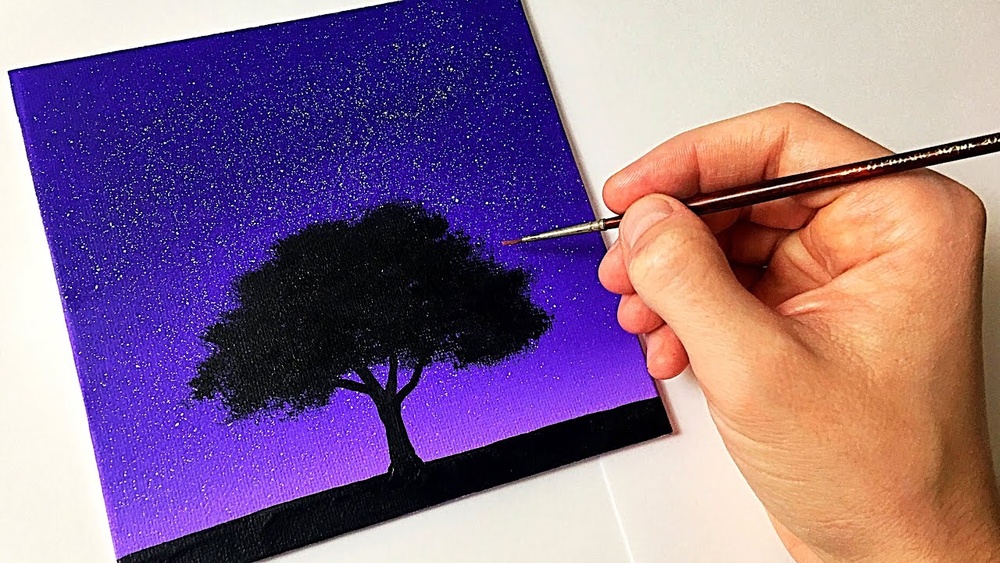
Have you ever wanted to capture the magic of a starry night on your canvas? Painting a night sky with acrylics is not only beautiful but also a rewarding way to express your creativity.
Whether you’re a beginner or looking to try something new, these night sky painting ideas will inspire you to bring the twinkling stars, glowing moon, and mysterious galaxies to life. Imagine the satisfaction of creating your own serene nightscape that can brighten any room.
Ready to discover simple techniques and stunning designs that make night sky painting easy and fun? Keep reading to unlock your artistic potential and transform your acrylic paints into a breathtaking celestial masterpiece.

Credit: www.paintingforhome.com
Essential Supplies
Choosing the right colors is key to painting a stunning acrylic night sky. The colors set the mood and depth of your artwork. You want a blend that feels natural yet vibrant. Mixing dark and light shades creates a rich, dynamic background. Accent colors add sparkle and interest to stars and the moon. Each choice affects how viewers feel when they see your painting.
Dark And Light Blues
Dark blues form the base of most night skies. They create a deep, calm feeling. Use navy or midnight blue for the darkest areas. Light blues add softness and glow near the horizon. Blend them smoothly to mimic fading light. Blues are essential for a natural night sky look.
Purples And Blacks
Purple adds mystery and magic to your night sky. Mix violet or indigo with blue for a richer tone. Black creates contrast and depth. It defines the darkest parts of the sky. Use black sparingly to avoid making the painting too heavy. Purples and blacks work well together for a dramatic effect.
Accent Colors For Stars And Moon
Bright whites and yellows make stars and the moon stand out. Use pure white for the brightest stars. Soft yellows or pale gold highlight the moon’s glow. Tiny touches of silver or light blue can add shimmer. These accents bring your night sky to life and capture attention.

Credit: www.youtube.com
Color Choices
Basic techniques build the foundation for beautiful night sky paintings. Acrylic paint is perfect for vibrant and quick-drying results. Learning key skills helps create depth and realism in your artwork.
Practice these simple methods to bring your night sky to life. Smooth gradients, color blending, and texture add interest and mood to your painting.
Creating Smooth Gradients
Start with a clean, dry canvas. Use a large, soft brush for smooth results. Apply the darkest color at the top of the sky. Slowly add lighter shades toward the horizon.
Work quickly before the paint dries. Use horizontal strokes to blend colors together. Lightly drag the brush back and forth to soften edges. This creates a natural fading effect in the sky.
Blending Colors
Choose colors that transition well, such as dark blue, purple, and black. Apply the first color in sections, then add the second color next to it. Use a clean brush or sponge to blend where the colors meet.
Blend with gentle, circular motions. Avoid harsh lines between colors. Keep the paint wet to help colors mix smoothly. Layering thin coats improves the depth and richness of the sky.
Adding Texture
Texture adds realism to stars and clouds. Use a dry brush or sponge to dab paint lightly over the sky. This creates a soft, misty look for clouds.
For stars, flick white or light paint using a stiff brush. Vary the size and density for a natural effect. Adding small dots or streaks simulates twinkling stars and distant galaxies.

Credit: www.reddit.com
Frequently Asked Questions
How To Paint The Night Sky With Acrylic Paint?
Start with a dark blue to black gradient background using smooth brush strokes. Add lighter blues and purples for depth. Use a small brush or sponge to dot white stars. Blend softly for a misty effect. Finish with details like the moon or silhouettes to enhance the night sky.
What Are Common Mistakes In Sky Painting?
Common mistakes in sky painting include rushing gradients, using harsh color transitions, neglecting light source, over-detailing stars, and ignoring atmospheric perspective.
What Colors Do I Need To Paint A Night Sky?
Use deep blues, black, and dark purples for the sky. Blend lighter blues, indigo, and white for gradients and stars. Add hints of silver or pale yellow to highlight the moon and stars. These colors create a realistic, vibrant night sky effect.
What Is The Most Famous Night Sky Painting?
The most famous night sky painting is Vincent van Gogh’s “The Starry Night. ” It features swirling stars and a vibrant night sky. This iconic artwork captures emotion and movement, inspiring countless artists worldwide.
Conclusion
Painting a night sky with acrylics brings calm and creativity. Simple steps help you create stars, moons, and galaxy effects. Use dark blues, purples, and whites for a natural look. Don’t rush the blending; take your time for smooth gradients.
Practice small paintings first to build your confidence. Enjoy the process and let your imagination guide you. Your night sky painting will shine with your unique touch. Keep experimenting with colors and techniques. Art becomes more fun when you explore and learn.
Happy painting!