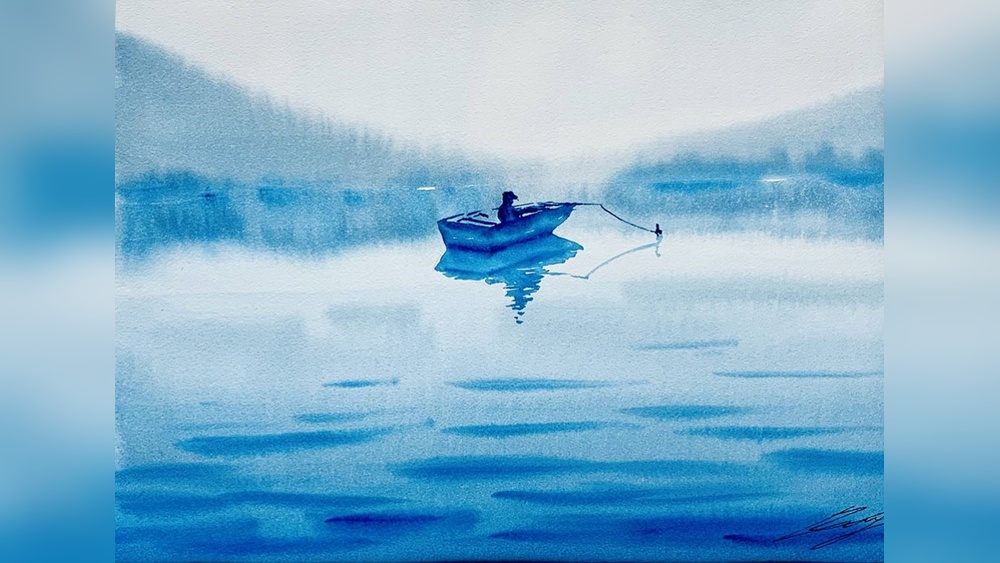
Are you ready to discover a simple yet powerful way to create stunning art? One color painting ideas using a monochromatic palette can transform your creative process and your space.
By focusing on just one color and its shades, you’ll unlock new depth and emotion in your artwork without the stress of juggling multiple hues. Whether you’re a beginner or looking to refresh your style, this approach helps you master light, shadow, and texture with ease.
Stick with me, and you’ll learn how to bring your vision to life with just a single color—and why this minimalist technique can make your art stand out like never before.

Credit: www.youtube.com
Choosing Your Color
Choosing the right color is the first step in monochromatic painting. Your color sets the mood and tone of the whole piece. It guides how light and shadow will appear. Pick a color that fits the feeling you want to show.
Think about the space where you will display your painting. Warm colors bring energy and excitement. Cool colors create calm and peace. Neutral colors offer balance and simplicity.
Best Colors For Monochrome
Blue is a popular choice. It feels calm and trustworthy. Red adds passion and power. Yellow brings happiness and brightness. Green gives a natural and fresh look.
Black and white create classic and strong contrasts. Brown offers warmth and earthiness. Purple can be royal and mysterious. Choose a color that you enjoy seeing every day.
Creating A Value Scale
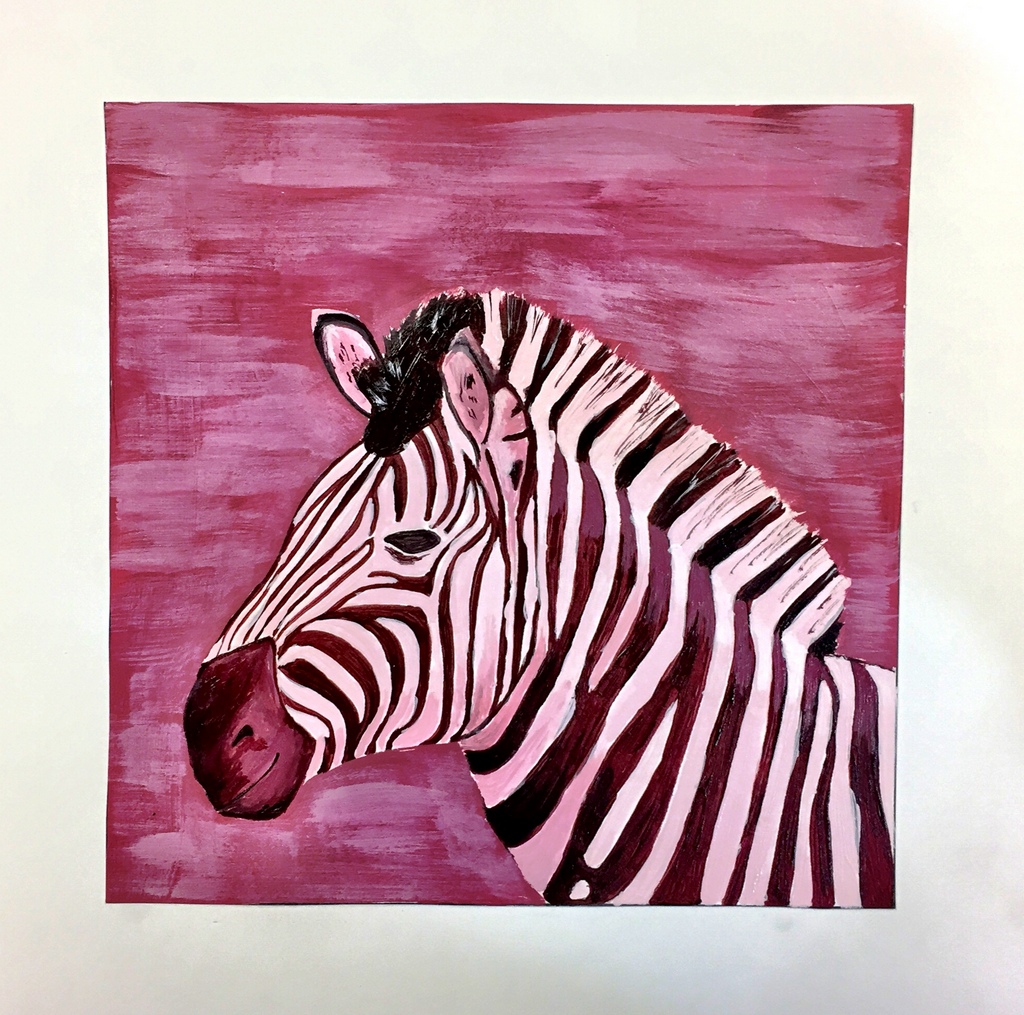
A value scale shows a range from light to dark using one color. Start with pure color in the middle. Add white to make lighter tones. Add black to make darker tones.
This scale helps you paint depth and shapes clearly. Use it to plan where shadows and highlights go. A smooth value scale makes your painting look balanced and real.
Credit: www.petitepalette.studio
Essential Supplies
Basic techniques form the foundation of successful monochromatic painting. They help you explore one color deeply. These methods focus on creating variation and interest with limited hues. Understanding these basics improves your skill and creativity. Here are three essential techniques to start with.
Mixing Shades And Tints
Shades and tints add variety to your one-color artwork. Mixing a color with black creates a shade. This darkens the color and adds richness. Mixing the color with white creates a tint. Tints lighten the color and add softness. Using both shades and tints gives your painting depth and balance.
Using Black And White
Black and white are key tools in monochromatic painting. They change the color’s value without altering its hue. White lightens, creating highlights and softer areas. Black darkens, forming shadows and strong contrasts. These changes help define shapes and add realism. Careful use of black and white guides the viewer’s eye.
Layering For Depth
Layering builds depth in a monochrome painting. Apply thin layers of paint over each other. Each layer adds texture and richness. Different shades and tints in layers create three-dimensional effects. Layering also allows blending and smooth transitions. This technique makes your single-color painting lively and engaging.
Credit: joannegroff.com
Frequently Asked Questions
What Is The 70/30 Rule In Art?
The 70/30 rule in art means using 70% dominant color and 30% accent color. This balance creates visual interest and focus.
What Colors Are Best For Monochromatic Art?
Best colors for monochromatic art include blue, green, red, and brown. Use one hue with varied tones, shades, and tints to create depth and interest. Black and white help enhance contrast and highlight details effectively.
How To Paint With Only One Color?
Paint with one color by mixing it with black for shadows and white for highlights. Focus on value contrasts to create depth and interest. Use different brush strokes to add texture and dimension. This technique emphasizes light and dark variations, making your artwork visually striking without multiple colors.
What Are The Common Mistakes In Monochromatic Art?
Common mistakes in monochromatic art include using shades that are too similar, causing flatness and poor contrast. Lack of clear value differentiation reduces visual interest and readability. Avoid blending elements together by ensuring a strong contrast range between light and dark tones.
Conclusion
Monochromatic painting offers a simple yet powerful way to create art. Using one color helps you focus on light, shadow, and texture. This style brings harmony and balance to your work. It suits all skill levels, from beginners to experienced artists.
Experiment with shades and tones to add depth and interest. Try these ideas to make your next painting unique and beautiful. Monochrome art proves that less can truly be more.