Choosing the right painting canvas size can completely change how your artwork looks and feels. Whether you’re just starting out or you’ve been painting for years, understanding canvas sizes helps you express your creativity better.
Are you wondering which size fits your style or space? Or how to pick a canvas that brings your vision to life? This guide will walk you through everything you need to know about painting canvas sizes, so you can make confident choices that elevate your art.
Keep reading and discover how the perfect canvas size can unlock your full artistic potential.
Common Canvas Sizes
Choosing the right canvas size is important for every artist. Common canvas sizes vary to fit different painting styles and spaces. Knowing these sizes helps artists plan their work better. This section explains standard dimensions, shapes, and popular choices in canvas sizes.
Standard Dimensions
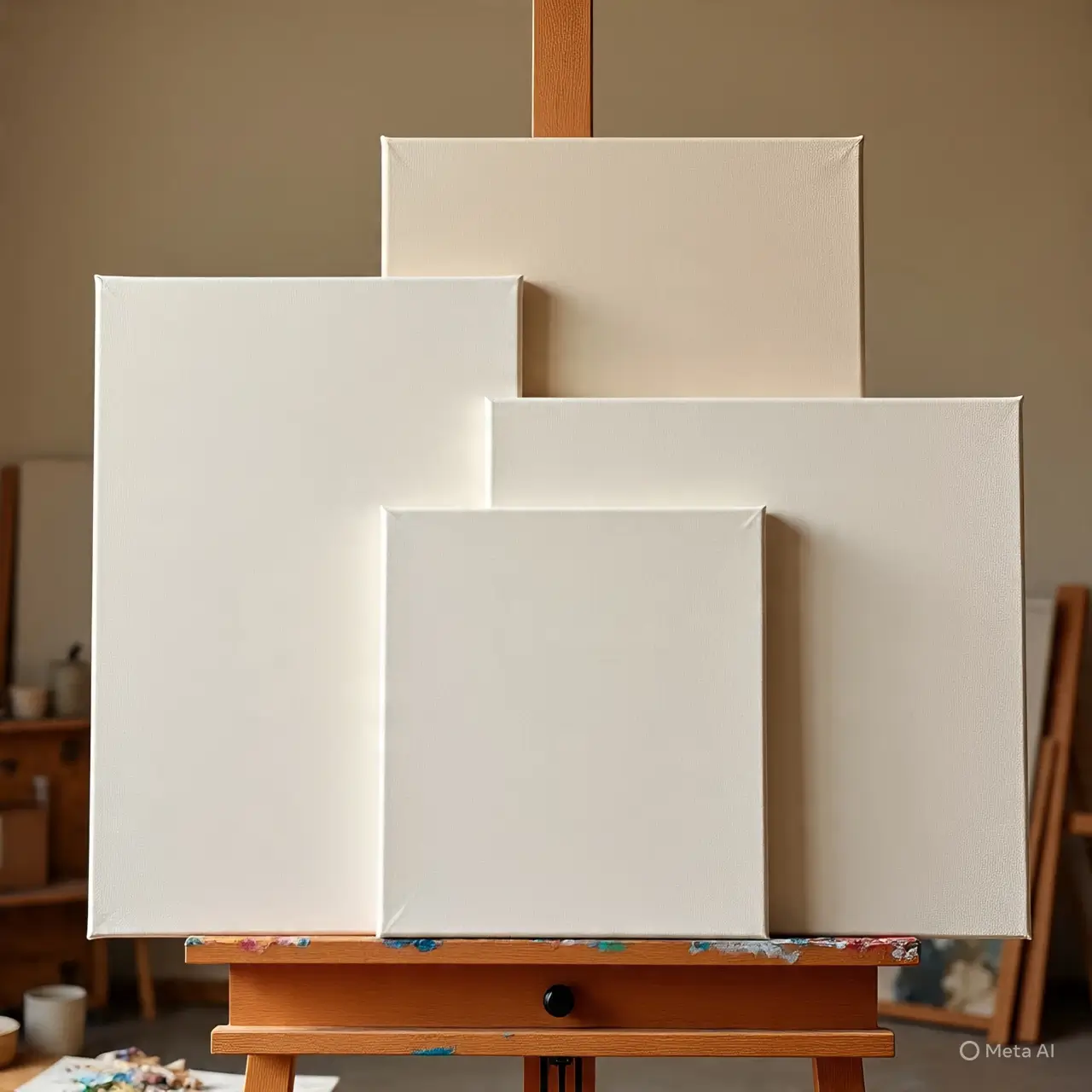
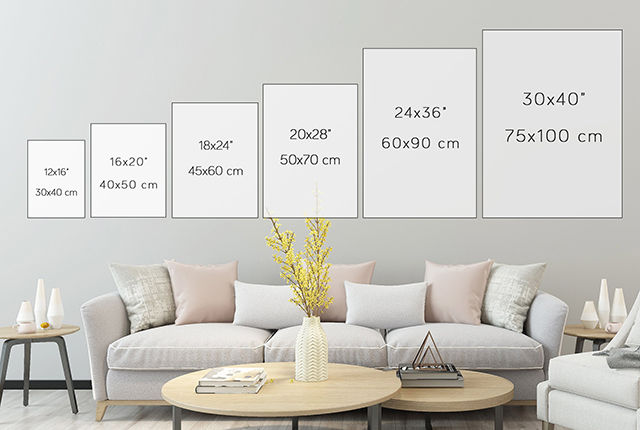
Standard canvas sizes come in many options. Common sizes include 8×10, 11×14, 16×20, and 24×36 inches. These sizes fit most art projects and frames. Artists pick sizes based on the painting’s detail and display area. Standard dimensions help keep the art balanced and visually pleasing.
Square Vs Rectangular
Square canvases have equal width and height, like 12×12 or 20×20 inches. They offer a balanced and symmetrical look. Rectangular canvases are longer on one side, such as 16×20 or 18×24 inches. These shapes suit landscapes and portraits better. The choice depends on the subject and style of painting.
Popular Size Choices
Small canvases like 8×10 inches are great for beginners and quick studies. Medium sizes such as 16×20 inches are common for detailed paintings. Large canvases over 24×36 inches suit bold, expressive artworks. Artists often select sizes based on space and painting purpose. Popular sizes are easy to find at stores and online.
Credit: blog.teoprint.com
Factors Influencing Canvas Size
Choosing the right canvas size depends on several key factors. These elements help artists select a canvas that suits their vision and space. Understanding these factors leads to better painting results and display harmony.
Subject Matter
The subject of your painting guides the canvas size. Small subjects like flowers fit smaller canvases well. Large scenes, such as landscapes, need bigger canvases. Detailed portraits often require medium to large sizes. The canvas should match the scale of your subject.
Room Space
The space where you will display your artwork affects size choice. Small rooms suit smaller canvases to avoid crowding. Large rooms can handle bigger, bold pieces. Think about wall space and furniture placement. The painting should complement, not overpower, the room.
Painting Style
Your painting style influences canvas dimensions. Detailed, fine art needs more space for precision. Abstract or loose styles often work well on larger canvases. Some artists prefer small canvases for quick sketches or studies. Match your canvas size to your creative approach.
Choosing Canvas For Beginners
Choosing the right canvas is important for beginners. The size of the canvas affects your painting experience and results. Picking a canvas that fits your skill level and style helps you learn better. Smaller canvases are easier to handle and less intimidating for new artists. Larger canvases offer more space but can be harder to manage.
Ideal Starter Sizes
Begin with sizes like 8×10 inches or 9×12 inches. These sizes are not too big or too small. They allow you to practice details without feeling overwhelmed. Medium sizes like 11×14 inches also work well for beginners. They give enough room to explore different techniques. Avoid very large canvases until you gain confidence.
Budget-friendly Options
Starting with affordable canvases helps you try painting without much cost. Look for canvas packs or panels that come in sets. These often cost less per canvas. Pre-stretched canvases save time and effort. Canvas panels are cheaper and good for practice. You can find budget options at craft stores and online shops.
Where To Buy
Craft stores like Michaels and Hobby Lobby offer many canvas choices. Walmart also has a variety of affordable canvases. Check local art supply stores for quality options. Online retailers provide wide selections and sometimes better deals. Buying in-store lets you see the canvas texture and quality firsthand.
Canvas Size And Art Impact
Choosing the right canvas size shapes how your artwork connects with viewers. The size influences its presence, detail, and framing options. Each choice affects the impact your art delivers in a space.
Understanding these effects helps artists make smart decisions. The canvas size can highlight the theme and style of the painting. It sets the tone for how people experience the work.
Visual Presence
Large canvases stand out and draw immediate attention. They fill a room and create a bold statement. Smaller canvases invite closer inspection and feel more personal. The size controls the distance viewers keep from the artwork. This changes the overall impression and mood.
Detail And Complexity
Big canvases allow for more detail and layered complexity. Artists can explore subtle textures and fine lines. Small canvases require simpler designs and fewer elements. Each brushstroke counts more on a small surface. The size guides how much detail the artist can include.
Framing Considerations
Canvas size affects framing choices and costs. Large canvases need sturdy, often custom frames. Smaller canvases fit standard frames easily and affordably. The frame enhances the painting’s look and protects it. Picking the right size makes framing simpler and more effective.
Custom Vs Standard Canvases
Choosing the right canvas size is key for any painting project. Artists often decide between custom and standard canvases. Each option offers unique advantages. Understanding these can help pick the best fit for your artwork.
Benefits Of Custom Sizes
Custom canvases let you create any size you want. This freedom suits unique or large-scale designs. They allow exact dimensions for your creative vision. Custom sizes also fit unusual frames or spaces perfectly. This option offers flexibility not found in standard sizes.
When To Choose Custom
Choose custom canvases when your artwork needs specific dimensions. Custom sizes work well for special projects or client requests. They are ideal if you want a shape or scale not available in stores. Custom canvases help artists express ideas that standard sizes limit.
Cost Differences
Standard canvases are usually cheaper and easier to find. Custom canvases cost more because they require special making. The price varies with size, material, and complexity. Standard sizes suit beginners or simple projects on a budget. Custom canvases fit advanced artists or unique needs despite higher cost.
Canvas Materials And Quality
Choosing the right canvas material affects your painting’s look and lifespan. Canvas quality impacts texture, durability, and paint absorption. Understanding different materials helps select the best canvas for your art.
Good canvas supports your creativity and keeps your work vibrant for years.
Cotton Vs Linen
Cotton canvas is soft, affordable, and easy to work with. It has a smooth texture and absorbs paint well. Beginners often prefer cotton for practice and studies.
Linen canvas is stronger and has a tighter weave. It holds paint better and lasts longer. Linen is ideal for professional artists who want high quality and durability.
Primed Vs Raw Canvas
Primed canvas has a coating that protects fibers and prevents paint from soaking in too much. It allows smooth brush strokes and vibrant colors. Most artists choose primed canvas for better results.
Raw canvas has no coating. It is rough and absorbs paint quickly, which can dull colors. Raw canvas may be better for textured or mixed media art but needs sealing for long life.
Durability Factors
Durability depends on material, weave tightness, and priming. Linen with a tight weave and good primer lasts the longest. Cotton can last well if properly primed and stored.
Environmental factors like humidity and light affect canvas life. Store paintings in dry, cool places. Using quality materials ensures your artwork stays beautiful for decades.
Tips For Measuring Canvas
Measuring your canvas accurately is key for a perfect painting experience. It helps you choose the right size for your project. Proper measurement avoids surprises and ensures your artwork fits well in your space. Follow these tips to measure canvas with ease and confidence.
Height And Width Guidelines
Measure the height from the top to the bottom of the canvas. Then, measure the width from one side to the other. Use a tape measure or ruler for accuracy. Write down these numbers to keep track. Always measure the visible area if the canvas has a frame.
Aspect Ratios
Aspect ratio is the relation between width and height. It affects the look and balance of your painting. Common ratios are 4:3, 3:2, and 1:1. Choose a ratio that suits your subject and style. Keep the same ratio when resizing to avoid distortion.
Sizing For Different Mediums
Different painting mediums work better on certain canvas sizes. For oil and acrylic, larger canvases give more detail space. Watercolors and pastels need smaller, lighter canvases for control. Consider the medium’s texture and drying time when picking size. Match your canvas size to your technique for best results.
Credit: gossby.com
Where To Purchase Canvases
Finding the right place to buy canvases affects your art project’s success. Choose stores that offer variety and quality. Consider convenience, price, and the type of canvas you need. Different sellers suit different artists, from beginners to pros. Explore these options to find the best fit for your painting canvas size needs.
Local Art Stores
Local art stores provide hands-on experience with canvases. You can see texture, size, and frame quality before buying. Staff often offer advice and tips. These stores stock standard and specialty canvas sizes. Shopping locally supports your community and saves shipping costs.
Online Marketplaces
Online marketplaces offer a wide selection of canvases. Choose from many brands and sizes at competitive prices. Read reviews to check quality and seller reliability. Online shopping is convenient and saves time. Many sites offer fast delivery and bulk discounts.
Bulk Buying Advantages
Buying canvases in bulk lowers the cost per piece. Bulk purchases ensure you always have canvases on hand. This is ideal for frequent painters or art classes. Bulk buying reduces frequent trips to the store. It also helps in planning large projects efficiently.
Pricing And Deals
Understanding pricing and deals helps artists choose the right canvas size within budget. Canvas prices vary by size and quality. Many stores offer discounts and value packs to save money. This section breaks down common price ranges, sales, and bundled deals for painting canvases.
Price Ranges By Size
Small canvases usually cost between $3 and $15. Medium sizes often range from $10 to $30. Large canvases can cost $25 to $80 or more. Prices depend on brand, material, and canvas thickness. Basic canvases are cheaper, while gallery-wrapped or heavy-duty ones cost more.
Sales And Discounts
Many art stores run regular sales on canvases. Discounts can reach up to 60% off the original price. Seasonal sales, clearance events, and holiday promotions offer good deals. Check both in-store and online options for the best prices. Coupons and membership deals add extra savings.
Value Packs
Value packs include multiple canvases of the same or mixed sizes. These packs reduce the price per canvas. Ideal for beginners or artists needing several canvases. Packs often come with primed surfaces ready to paint. Buying in bulk saves money and ensures supply for future projects.
Maintaining And Storing Canvases
Maintaining and storing canvases properly is essential for preserving your artwork’s quality. Careful handling and the right storage techniques help avoid damage and extend the canvas’s life. This section covers simple steps to keep your canvases in top condition.
Proper Storage Methods
Store canvases in a dry, cool place away from direct sunlight. Avoid damp or humid areas to prevent mold and warping. Place canvases upright, not flat, to reduce pressure on the surface. Use protective covers or cloths to shield them from dust and dirt. Keep canvases away from sharp objects that could cause tears or scratches.
Handling Tips
Always hold canvases by the edges to avoid touching the painted surface. Use clean, dry hands or wear cotton gloves when handling. Avoid bending or folding the canvas as it can damage the paint and fabric. Carry larger canvases with two hands to maintain balance and avoid dropping. Handle your artwork gently to keep it safe.
Longevity Practices
Keep canvases away from extreme temperature changes that can crack paint. Use varnish or protective coatings to shield the paint from dust and UV rays. Clean canvases carefully with a soft, dry brush or cloth to remove dust. Re-stretch or tighten loose canvases as needed to maintain shape. Regular checks help catch any damage early for quick repair.

Credit: vybeinterior.com
Frequently Asked Questions
What Are The Standard Canvas Sizes?
Standard canvas sizes include 8×10, 11×14, 16×20, 18×24, 24×36 inches. These sizes suit most painting projects.
What Is The 2 3 Rule In Art?
The 2-3 rule in art guides composition by dividing the canvas into a 2:3 ratio, creating balanced, pleasing visuals.
What Is The Rule For Painting Size?
Choose painting size based on your space, subject, and style. Larger canvases suit bold designs; smaller ones fit detailed work. Consider wall size and viewing distance for best impact. Always pick a size that complements your artistic vision and room layout.
What Canvas Size Is Good For Beginners?
A good canvas size for beginners is 16×20 inches. It offers enough space to practice and manage details easily.
Conclusion
Choosing the right canvas size helps your artwork stand out. Small canvases suit detailed, intimate pieces. Large canvases work well for bold, expressive art. Consider your space and style before buying. Experimenting with sizes can improve your skills. Canvas size impacts how viewers feel about your work.
Keep it simple, pick what feels right. Painting on different sizes keeps creativity fresh. Enjoy exploring canvas sizes for your next masterpiece.